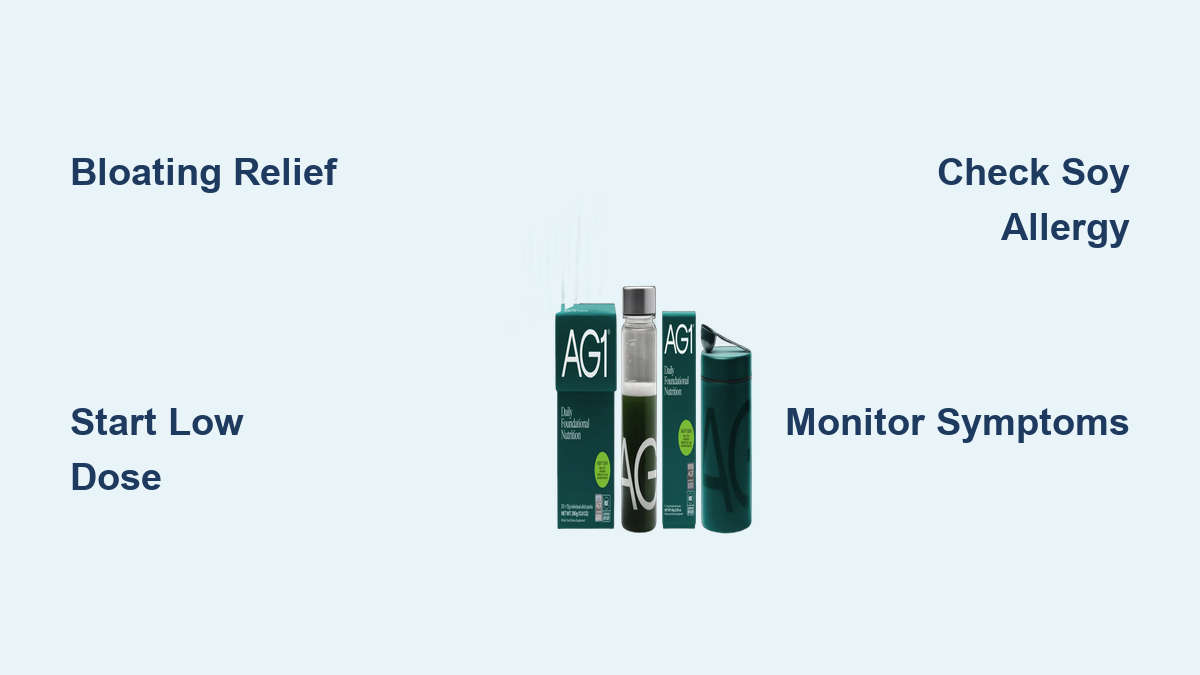

If you’ve noticed digestive discomfort after starting AG1 (formerly Athletic Greens), you’re not alone—but the science shows these AG1 supplement side effects are typically mild and short-lived. This comprehensive multi-nutrient powder containing 75+ ingredients delivers vitamins, minerals, prebiotics, probiotics, and phytonutrients in a single serving, but that concentrated formula can trigger reactions in some users. A rigorous clinical trial tracking 30 healthy adults over four weeks found only one participant (6.7%) experienced mild bloating directly attributable to AG1, suggesting this popular supplement is generally well-tolerated. Understanding exactly what side effects occur, who’s most at risk, and how to prevent them will help you decide if AG1 fits your health regimen without unpleasant surprises.
Why Only 6.7% of Users Report AG1 Digestive Side Effects
Clinical Trial Data on AG1 Tolerability
A double-blind, randomized, placebo-controlled study—the gold standard for safety evaluation—monitored 30 healthy adults consuming either AG1 or a placebo for four weeks. Researchers tracked adverse events through blood work, stool analysis, and validated questionnaires measuring digestive quality of life. The results showed remarkably few side effects: only one AG1 user (6.7% of participants) reported mild bloating, while one placebo user experienced moderate abdominal pain and diarrhea.
This low incidence rate contradicts widespread online claims about severe AG1 side effects. The placebo group’s similar adverse event rate demonstrates that many digestive symptoms attributed to supplements actually stem from diet variations, stress, or natural gastrointestinal fluctuations. When AG1 does cause discomfort, it’s typically mild bloating that resolves within days as your gut microbiome adapts to the prebiotic fiber and new probiotic strains.
Blood Work Reveals No Systemic Safety Concerns
Comprehensive metabolic panels showed no significant changes in liver function markers (AST and ALT), kidney function, blood cell counts, or lipid profiles among AG1 users. This clinical evidence is crucial—it confirms that even if you experience temporary digestive discomfort, AG1 isn’t causing internal damage to vital organs during short-term use.
The trial’s blood work analysis specifically monitored:
– Complete blood count parameters (red/white blood cells, hemoglobin)
– Metabolic markers (glucose, electrolytes)
– Liver enzymes (AST, ALT, bilirubin)
– Kidney function (creatinine, eGFR)
– Lipid panels (cholesterol, triglycerides)
None showed concerning alterations directly linked to AG1 supplementation, providing strong reassurance about systemic safety for healthy adults.
Decoding AG1’s Proposition 65 Warning: Is That Lead Level Dangerous?

Why AG1 Carries a California Warning Label
You’ve likely noticed AG1’s Proposition 65 warning about lead exposure—this triggers when any product sold in California contains lead exceeding 0.5 micrograms per day. Here’s what most marketers won’t tell you: this threshold is set 1,000 times lower than levels known to cause health effects in adults. The warning exists because lead is naturally present in soil worldwide, meaning virtually all agricultural products contain trace amounts.
AG1’s manufacturer states their products undergo third-party testing to ensure heavy metal levels stay below United States Pharmacopeia (USP) standards and NSF Certified for Sport® requirements. While the Proposition 65 warning sounds alarming, it actually represents California’s transparency policy—not evidence of dangerous contamination. Products meeting federal safety standards still require this label if they contain detectable lead, which includes nearly all multivitamins and green superfood blends.
How AG1’s Heavy Metal Levels Compare to Safety Standards
The critical distinction lies between “detectable” and “dangerous” levels. AG1’s lead content falls well within established safety limits for dietary supplements, though it exceeds California’s ultra-conservative Proposition 65 threshold. Third-party testing verifies compliance with NSF Certified for Sport® standards, which screen for more than 280 banned substances and verify heavy metal content.
Consider this perspective:
– Proposition 65 lead limit: 0.5 mcg/day
– FDA provisional total tolerable intake: 12.5 mcg/day for adults
– Typical daily dietary lead exposure: 5-15 mcg (from food/water)
Your multivitamin, spinach salad, or glass of tap water likely contributes more lead exposure than AG1—but only products sold in California must carry the warning label. If you’re concerned about cumulative heavy metal exposure, evaluate your total dietary intake rather than focusing on a single supplement.
3 Groups Who Should Avoid AG1 Supplement Immediately

Why Pregnant and Breastfeeding Women Must Skip AG1
AG1’s manufacturer explicitly advises against use during pregnancy or breastfeeding—a precautionary measure supported by clinical trial design. The study excluded women who were pregnant, trying to conceive, or nursing because concentrated nutrient formulas could potentially affect fetal development or transmit through breast milk with unknown effects on infants.
Developing fetuses and nursing infants have different nutritional needs and sensitivities than adults. While AG1’s individual ingredients may be safe, the combined 75+ compounds at adult doses haven’t been evaluated for safety in these vulnerable populations. Women in these categories should consult healthcare providers about pregnancy-specific supplements rather than using adult-formulated products like AG1.
Critical Allergy Information Beyond the Soy Warning
AG1 contains soy as a base ingredient, making it strictly off-limits for anyone with soy allergies. However, the allergy risk extends beyond this obvious concern—the formula includes numerous botanicals and adaptogens that could trigger reactions in sensitive individuals.
Watch for these less-publicized allergy risks:
– Ashwagandha (may cause reactions in nightshade-sensitive individuals)
– Rhodiola (potential cross-reactivity with certain plant families)
– Astragalus (known to trigger immune responses in some people)
If you have multiple food sensitivities or autoimmune conditions, introduce AG1 gradually while monitoring for unusual symptoms like skin rashes, headaches, or joint pain that might indicate an immune response to specific botanical components.
5 Science-Backed Ways to Prevent AG1 Digestive Side Effects
How to Avoid Bloating During Your First Week
The most common AG1 supplement side effects—bloating, gas, or temporary changes in bowel habits—typically occur during your microbiome’s adjustment period. Clinical evidence shows these symptoms usually resolve within 3-7 days as beneficial bacteria adapt to the new prebiotic fiber and probiotic strains. Implement these strategies to minimize discomfort:
- Start with half the recommended serving for the first 3-5 days before increasing to full dose
- Take AG1 with food rather than on an empty stomach to slow digestion
- Increase water intake by 16-32 ounces daily to help fiber move through your system
- Avoid intense exercise for 30-60 minutes after consumption
- Split your dose—take half in the morning and half in the evening
The clinical trial confirmed that probiotic strains in AG1 (Lactobacillus acidophilus and Bifidobacterium bifidum) successfully reach the large intestine, where they stimulate beneficial bacterial growth. That initial gas production signals your microbiome adapting—not a dangerous reaction.
When to Stop Taking AG1 Immediately
While most side effects are mild and temporary, certain symptoms warrant discontinuing AG1 and consulting a healthcare provider:
– Severe abdominal pain lasting more than 24 hours
– Persistent diarrhea (more than 3 loose stools daily for 48+ hours)
– Blood in stool or black/tarry stools
– Unexplained rash or swelling
– Symptoms worsening after two weeks of consistent use
The clinical trial excluded individuals with gastrointestinal diseases, diabetes, endocrine disorders, or recent cancer diagnoses—meaning those with pre-existing conditions should exercise extra caution. If you have Crohn’s disease, ulcerative colitis, or other digestive disorders, consult your gastroenterologist before trying AG1.
Your AG1 Safety Checklist Before First Use
Before adding AG1 to your routine, verify these critical safety points:
– Confirm no soy allergy (the base ingredient)
– Check medication interactions—AG1’s vitamin K content may affect blood thinners
– Start low and slow with partial servings for the first week
– Monitor digestive symptoms for the first 14 days
– Verify third-party testing via NSF Certified for Sport® logo
The clinical evidence confirms AG1 is generally safe for healthy adults, but informed use prevents unpleasant surprises. If you experience mild bloating during the first week, continue with hydration and reduced dosing—most users adapt successfully. However, if digestive symptoms persist beyond 14 days or feel severe, discontinue use and consult a healthcare provider to rule out underlying sensitivities.
Remember that Proposition 65 warnings reflect California’s transparency laws, not dangerous contamination levels. Millions use AG1 safely by understanding realistic risk levels and implementing smart dosing strategies. By approaching supplementation with this evidence-based perspective, you can determine whether AG1’s nutritional benefits outweigh potential AG1 supplement side effects for your unique physiology.