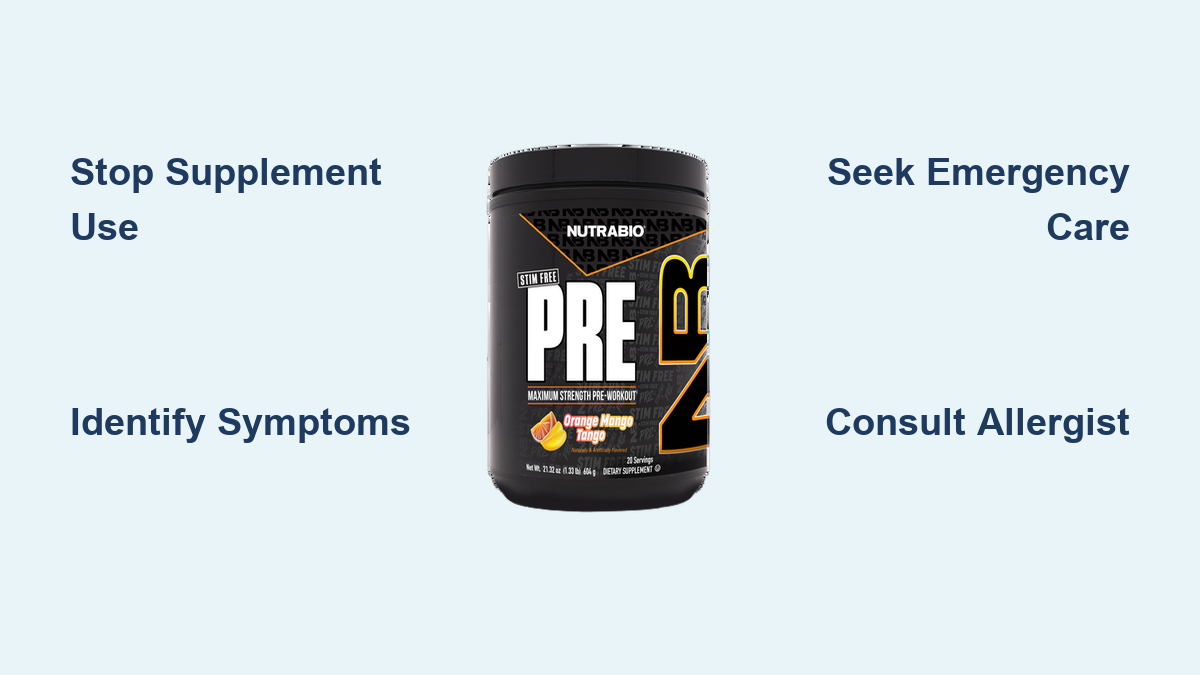

That sudden tingling sensation, unexpected rash, or digestive upset after taking your pre-workout might have you wondering: is this a true allergic reaction to pre workout supplements or just a harmless side effect? You’re not alone—many fitness enthusiasts experience uncomfortable symptoms after consuming these popular performance boosters. Understanding how to distinguish between a dangerous allergy and a benign reaction is crucial for your safety and continued training success. This guide reveals exactly what causes these reactions, how to identify them correctly, and the immediate steps you need to take when symptoms strike—so you can protect yourself while still optimizing your performance.
True Allergies vs Sensitivities in Pre-Workout Supplements
Don’t mistake a harmless side effect for a dangerous allergy—the difference could save your life. When you experience symptoms after taking pre-workout supplements, your first critical step is determining whether you’re dealing with a true IgE-mediated allergic reaction or simply a sensitivity. A genuine allergic reaction involves your immune system mistakenly identifying a supplement ingredient as a threat, triggering histamine release that causes symptoms ranging from mild hives to life-threatening anaphylaxis. This immune response typically affects multiple body systems simultaneously and can escalate rapidly.
In contrast, most supplement reactions are actually sensitivities that don’t involve your immune system. These often stem from digestive issues with artificial sweeteners, caffeine intolerance, or the well-known tingling from beta-alanine. Sensitivities typically produce isolated symptoms like bloating, gas, or mild headaches that develop more gradually. Recognizing this distinction prevents unnecessary panic over harmless side effects while ensuring you take appropriate action for genuine allergic reactions to pre workout supplements.
Beta-Alanine and Niacin: Most Common False Alarm Triggers

Two ingredients cause the majority of “allergic reaction” confusion in pre-workout supplements, though neither typically creates a true allergy. Beta-alanine-induced paresthesia produces that unmistakable tingling, itching, or “pins and needles” sensation that usually hits your face, neck, and hands 15-30 minutes after consumption. This harmless—but sometimes alarming—reaction occurs when beta-alanine activates nerve receptors, and it typically fades within 15 minutes to two hours depending on your dose and sensitivity level.
Similarly, niacin (vitamin B3) causes flushing that many mistake for an allergic reaction. When pre-workout formulas contain more than 20mg of niacin (exceeding the RDA), it triggers blood vessel dilation resulting in redness, warmth, and itching—particularly on your face and upper body. High doses (500mg+) intensify this effect. Neither reaction involves your immune system, so while uncomfortable, they’re generally not dangerous signs of an allergic reaction to pre workout supplements.
Identify Your Symptoms: Allergy or Intolerance?

Immediate Physical Responses That Matter
True allergic reactions to pre workout supplements manifest through multiple body systems almost simultaneously. Watch for these critical combinations:
– Skin symptoms (hives, swelling) PLUS respiratory issues (wheezing, throat tightness)
– Facial swelling accompanied by dizziness or rapid heartbeat
– Widespread hives that worsen rather than improve over time
Beta-alanine tingling and niacin flushing follow predictable patterns—they appear within specific timeframes, affect expected body areas, and resolve completely within a few hours. If your symptoms don’t match this pattern or involve respiratory distress, you may be experiencing a genuine allergy requiring immediate attention.
Gastrointestinal Distress: When It’s Not an Allergy
Nausea, vomiting, diarrhea, or bloating after pre-workout usually indicates a sensitivity rather than an allergy. Common culprits include:
– Artificial sweeteners (sucralose, aspartame) causing digestive upset
– Sugar alcohols (xylitol, sorbitol) pulling water into your gut
– Magnesium citrate acting as a laxative in sensitive individuals
– Caffeine irritating your digestive tract
The key distinction: if your symptoms are limited to your digestive system without skin involvement or respiratory issues, you’re likely experiencing a sensitivity—not an allergic reaction to pre workout supplements.
Recognizing Life-Threatening Anaphylaxis
Seek emergency care immediately if you experience these symptoms within minutes of taking pre-workout:
– Difficulty breathing or swallowing
– Swelling of lips, tongue, or throat that worsens rapidly
– Sudden dizziness or fainting
– Rapid heartbeat combined with skin reactions
– Sense of impending doom
While rare with pre-workout supplements, anaphylaxis requires immediate epinephrine injection and emergency medical care. Don’t wait to see if symptoms improve—act immediately if you suspect a severe allergic reaction.
Immediate Action Plan for Supplement Reactions
Managing Harmless But Annoying Side Effects
For beta-alanine tingling or niacin flushing, try these proven strategies:
– Apply a cold compress to affected areas for temporary relief
– Take your pre-workout with food to slow absorption
– Switch to sustained-release beta-alanine formulas
– Choose niacin-free pre-workouts if flushing bothers you
Important: These reactions typically resolve within 90 minutes without intervention. Don’t take additional medication unless advised by a healthcare professional—antihistamines won’t help with these non-allergic responses.
Critical Steps for True Allergic Reactions
If symptoms suggest a genuine allergy, act immediately:
1. Stop taking the supplement completely
2. If symptoms are mild (limited hives without breathing issues), take an over-the-counter antihistamine
3. If symptoms involve breathing difficulties, throat swelling, or dizziness—call emergency services immediately
4. Use an epinephrine auto-injector if prescribed for severe allergies
5. Never ignore symptoms that seem to be worsening
Remember: Even if symptoms improve after using epinephrine, you still need medical evaluation due to potential “biphasic reactions” that can recur hours later.
Prevention Strategies That Actually Work
Smart Supplement Selection Tactics
Avoid allergic reactions to pre workout supplements before they start by:
– Choosing products with transparent ingredient labeling (avoid proprietary blends)
– Selecting formulas certified by third-party testers like NSF International
– Starting with half-servings to assess your tolerance
– Prioritizing “clean label” products with minimal artificial ingredients
Pro tip: Take photos of supplement labels before discarding packaging—this documentation proves invaluable if you need to identify triggers after a reaction.
Timing and Hydration Protocols
Optimize your pre-workout routine to minimize reactions:
– Consume supplements with adequate water (at least 12 ounces) to prevent digestive issues
– Avoid taking pre-workout on an empty stomach if you’re sensitive to ingredients
– Space caffeine-containing supplements at least 9 hours before bedtime
– Consider stimulant-free options if you train late in the day
Critical mistake to avoid: Never increase your dose hoping to “get used to” uncomfortable symptoms—that’s how minor reactions escalate into severe allergic responses.
When to Seek Professional Diagnosis
Consult an allergist if you experience:
– Repeated reactions to different pre-workout formulas
– Symptoms involving multiple body systems
– Any breathing difficulties after supplement use
– Reactions that worsen with subsequent exposures
Allergists can perform skin prick tests and blood work to identify specific triggers. For non-allergic sensitivities, an elimination diet where you reintroduce single ingredients one at a time helps pinpoint problematic components. Never attempt self-diagnosis with severe reactions—professional evaluation could be lifesaving.
At-Risk Individuals: Special Precautions
If you have pre-existing conditions like asthma, cardiovascular issues, or known food allergies, exercise extreme caution with pre-workout supplements. Those with milk allergies should avoid whey-based products entirely, while individuals sensitive to plant compounds should steer clear of herbal ingredients like yohimbe or green tea extract. Always consult your doctor before starting any new supplement regimen if you have underlying health conditions—your performance goals shouldn’t compromise your safety.
Final Takeaway: Not every uncomfortable reaction to pre-workout supplements indicates a dangerous allergy, but misidentifying a true allergic reaction to pre workout supplements could have serious consequences. By learning to distinguish between harmless side effects and genuine allergies, implementing smart prevention strategies, and knowing exactly how to respond when symptoms occur, you can continue using performance boosters safely. When in doubt about your symptoms, always err on the side of caution and seek professional medical advice—your health is worth more than any workout enhancement.