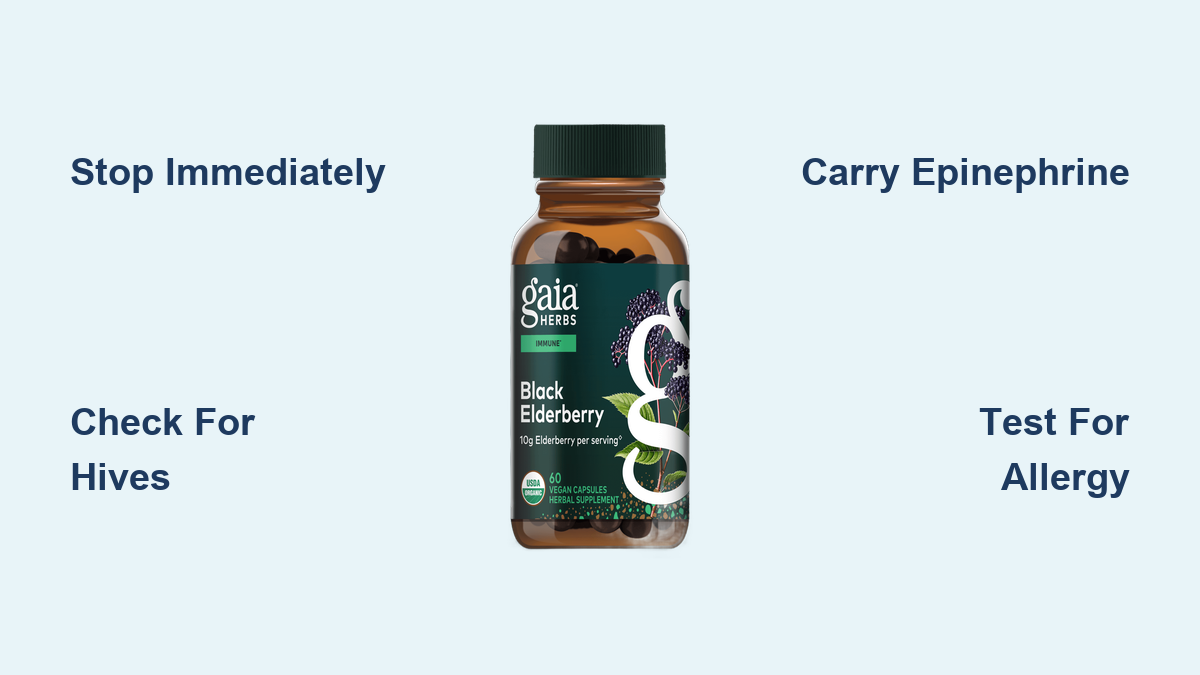

Elderberry supplements have exploded in popularity, appearing in syrups, capsules, gummies, and tinctures marketed for immune support. While most people tolerate these products well, some individuals experience concerning reactions ranging from mild discomfort to severe, potentially life-threatening responses. If you’ve noticed itching, swelling, or digestive upset after taking elderberry supplements, you might be experiencing an allergy to elderberry supplement—a real but often overlooked condition. Understanding these reactions is crucial, especially if you have existing plant sensitivities or allergy history. This guide reveals exactly how to identify elderberry allergy symptoms, what triggers them, and most importantly, what immediate steps to take if you’re affected.
Research has identified a specific allergen called Sam n 1 (33.2 kDa molecular weight) present throughout the elderberry plant—in pollen, flowers, and berries. This protein triggers immune responses in sensitive individuals, causing the characteristic allergy symptoms. While relatively uncommon (affecting approximately 0.6% of randomly tested patients), elderberry allergies can develop in anyone, particularly those with existing plant sensitivities. The good news? With proper knowledge, you can safely navigate whether to continue using these popular supplements or find suitable alternatives.
Immediate Signs Your Body Is Reacting to Elderberry
Recognizing Oral and Skin Symptoms Within Minutes
Your first clue that you’re experiencing an allergy to elderberry supplement often appears within minutes of consumption. Watch for these telltale signs:
- Mouth tingling or itching that starts in your lips, tongue, or throat shortly after taking the supplement
- Raised red welts (hives) appearing on your skin, often migrating across different body areas
- Facial swelling particularly around your eyes, lips, or cheeks that develops rapidly
These immediate reactions occur because your immune system identifies elderberry proteins as threats, triggering histamine release that causes inflammation and itching. Unlike digestive upset from improperly prepared elderberries (which takes longer), these symptoms signal a true immune-mediated allergy. If you notice these signs, stop taking the supplement immediately and consider taking an over-the-counter antihistamine if symptoms are mild.
Detecting Gastrointestinal Warning Signs
While digestive issues can stem from improperly prepared raw elderberries (which contain toxic compounds), specific patterns indicate a true allergy to elderberry supplement:
- Nausea or vomiting that consistently follows supplement consumption
- Severe abdominal cramping disproportionate to normal digestive discomfort
- Diarrhea occurring within 1-2 hours of taking the supplement
The key distinction between allergy and toxicity? Allergic reactions typically involve multiple symptom categories (skin, respiratory, digestive), while toxicity mainly causes gastrointestinal distress. If you experience digestive symptoms alongside skin reactions or breathing difficulties, you’re likely dealing with an allergy rather than simple toxicity. Keep a detailed symptom journal noting exactly when reactions occur relative to supplement intake—this information proves invaluable for diagnosis.
Emergency Symptoms Requiring Immediate Action
Identifying Life-Threatening Anaphylaxis
Certain symptoms demand urgent medical attention as they indicate potentially fatal anaphylaxis:
- Throat tightness or swelling making swallowing difficult
- Wheezing or significant breathing difficulties
- Rapid heartbeat accompanied by dizziness or fainting
Warning: Even if you’ve previously had only mild reactions to elderberry supplements, subsequent exposures can trigger severe anaphylaxis. If you experience any of these symptoms after taking elderberry products, use an epinephrine auto-injector immediately if prescribed, then call emergency services. Never wait to see if symptoms improve—prompt treatment saves lives.
When to Carry Emergency Medication
If you’ve experienced any of these severe symptoms, your doctor will likely prescribe an epinephrine auto-injector. Make sure to:
- Carry it with you at all times, especially when traveling or dining out
- Check expiration dates monthly and replace before they expire
- Practice with a trainer device to ensure proper administration technique
Family members, close friends, and coworkers should know where your epinephrine is stored and how to use it. Consider wearing medical alert jewelry stating “Allergic to Elderberry Supplements” to ensure proper treatment during emergencies when you might be unable to communicate.
Who’s Most at Risk for Elderberry Allergies
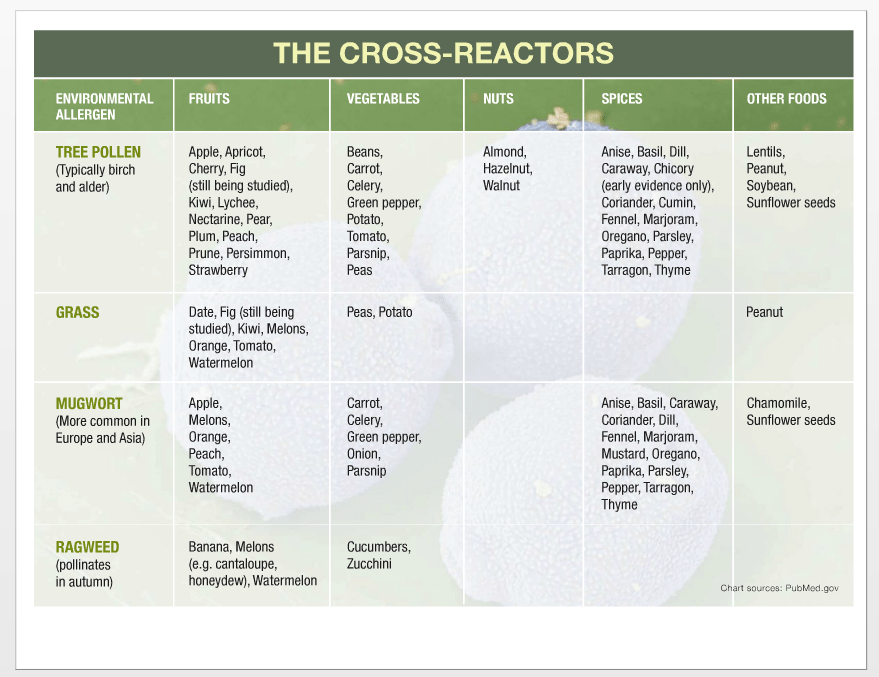
Plant Allergy Cross-Reactivity Patterns
Your existing plant allergies significantly increase your risk of allergy to elderberry supplement through cross-reactivity:
- Caprifoliaceae family sensitivity (honeysuckle, snowberry, or viburnum)
- Marsh elder pollen allergy, particularly common in Delaware and Arkansas regions
- Multiple plant allergies indicating a generally sensitized immune system
Unlike common cross-reactivities with birch or grass pollen (which show minimal blocking of elderberry IgE binding), elderberry primarily cross-reacts with plants in its immediate botanical family. If you’ve had reactions to related plants, discuss allergy testing with your healthcare provider before trying elderberry supplements. A simple skin prick test can identify your specific sensitivity.
Medical Conditions That Increase Vulnerability
Certain health conditions require extra caution with elderberry products:
- Autoimmune diseases like lupus or rheumatoid arthritis (elderberry’s immune-stimulating effects may worsen symptoms)
- Organ transplant recipients taking immunosuppressants (elderberry may interfere with medication effectiveness)
- Diabetes patients (elderberry may enhance blood sugar-lowering medications, causing dangerous hypoglycemia)
Critical note: If you have multiple sclerosis or take immunosuppressive medications, consult your specialist before using any elderberry products. The immune system stimulation from elderberry could potentially trigger disease flares or compromise your treatment regimen.
Proper Diagnosis: Don’t Guess—Get Tested

Accurate Testing Methods for Confirmation
Self-diagnosis of allergy to elderberry supplement often leads to unnecessary avoidance or dangerous assumptions. Instead, seek professional testing:
- Skin prick testing with elderberry extract provides immediate results (positive reaction appears within 15-20 minutes)
- Blood testing (IgE-specific) measures antibody levels without triggering reactions
- Oral food challenge under medical supervision for definitive diagnosis
These tests distinguish true allergy from intolerance or toxicity. A positive test shows your immune system specifically recognizes elderberry proteins as threats. Document your symptoms thoroughly before testing—include product types, timing, and reaction severity to help your allergist interpret results accurately.
Interpreting Test Results Correctly
Understanding your test results prevents unnecessary dietary restrictions:
- Positive skin test + consistent symptoms = confirmed allergy requiring avoidance
- Positive test without symptoms = sensitization without clinical allergy (may not require avoidance)
- Negative tests with consistent symptoms = possible intolerance or unrelated condition
Research shows approximately 0.6% of randomly tested patients react positively to elderberry testing. However, clinical relevance depends on whether symptoms consistently follow exposure. Your allergist will correlate test results with your symptom history to determine if you truly have an allergy requiring management.
Smart Supplement Selection Strategies
Avoiding Hidden Elderberry Exposure
Elderberry appears in unexpected products beyond obvious supplements:
- Immune support blends that list “berry complex” or “antioxidant blend” without specific ingredients
- Functional beverages and “superfood” powders marketed for wellness
- Topical skincare products containing elderberry extract for antioxidant benefits
Pro tip: Always read ingredient labels carefully, looking for these alternate names:
– Sambucus nigra
– Elder flower
– Elderberry extract
– Elder fruit
When in doubt, contact the manufacturer directly for ingredient verification. Don’t rely solely on “allergen statements” as herbal supplements aren’t required to follow the same labeling standards as conventional foods.
Choosing Safer Alternatives
If diagnosed with allergy to elderberry supplement, consider these immune-supporting alternatives:
- Zinc lozenges for throat support during cold season
- Vitamin C supplements from non-berry sources
- Medicinal mushroom blends (reishi, turkey tail) for immune modulation
Discuss options with your healthcare provider to ensure they won’t interact with existing conditions or medications. Many people successfully maintain immune health without elderberry by focusing on foundational practices like quality sleep, stress management, and balanced nutrition.
Essential Prevention and Management Plan
Creating Your Personal Emergency Protocol
If confirmed allergic to elderberry supplements, implement this emergency plan:
- Carry epinephrine if prescribed, with expiration dates marked on your calendar
- Inform all healthcare providers about your allergy before treatments
- Wear medical ID jewelry stating “Allergic to Elderberry Supplements”
- Share your action plan with family, friends, and coworkers
Practice using your epinephrine auto-injector with the trainer device quarterly. Keep emergency contacts programmed into your phone with “ICE” (In Case of Emergency) labeling. Consider downloading allergy management apps that store your medical information accessible even when your phone is locked.
Long-Term Monitoring and Follow-Up
Allergies can change over time, so maintain regular monitoring:
- Schedule annual check-ins with your allergist to assess current sensitivity
- Retest every 2-3 years to determine if you’ve outgrown the allergy
- Document any accidental exposures with symptom details for your medical record
While most food allergies persist, some people do outgrow plant-based sensitivities. Your allergist can guide appropriate retesting intervals based on your specific case history and initial reaction severity.
Key Takeaways for Safe Supplement Use
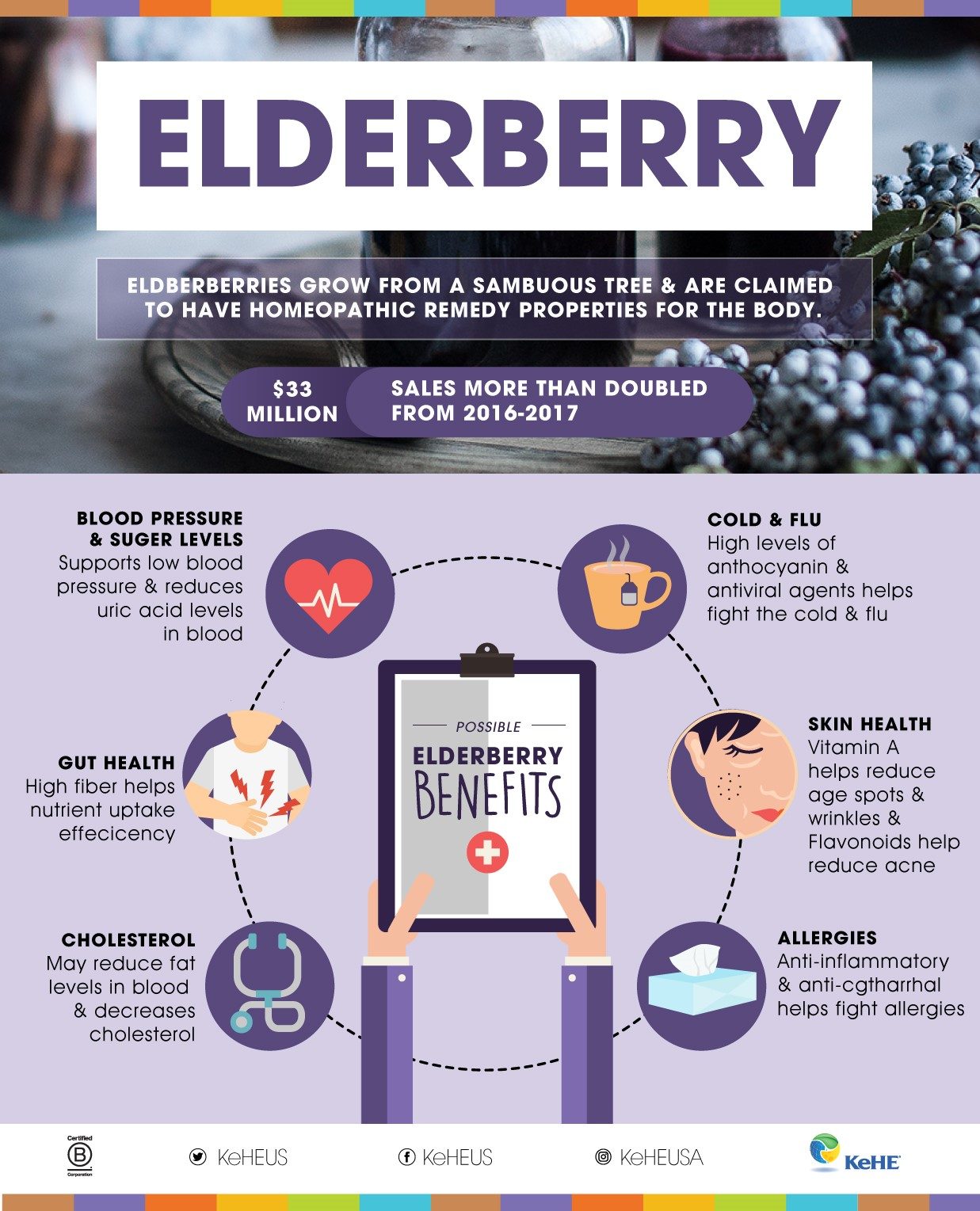
An allergy to elderberry supplement requires careful management but doesn’t mean you must sacrifice immune support. The critical steps are recognizing your specific symptoms, getting proper testing for confirmation, and implementing a personalized management plan. Remember that true allergy involves your immune system reacting to specific proteins (Sam n 1), not just digestive upset from improperly prepared products.
If you experience consistent reactions after elderberry supplement use, stop taking the product immediately and consult an allergist. With proper diagnosis and management strategies, you can safely navigate supplement choices while protecting your health. Most importantly, never ignore severe symptoms—when in doubt about reaction severity, seek emergency care immediately. Your awareness today could prevent a medical emergency tomorrow.