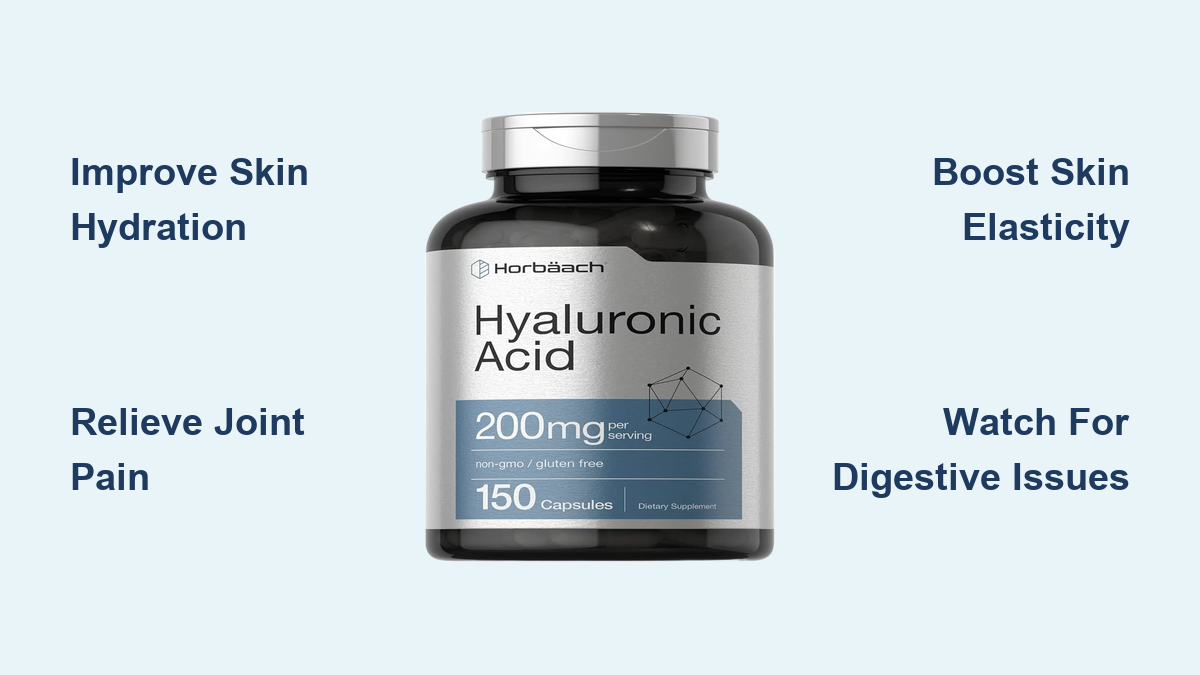

You’ve likely seen hyaluronic acid touted as a miracle ingredient in skincare products and supplements, promising plumper skin and pain-free joints. This naturally occurring molecule, crucial for maintaining hydration in your skin, joints, and eyes, declines significantly as you age—dropping by as much as 50% by middle age. When your body’s production slows, many turn to hyaluronic acid supplements to combat dry skin, joint stiffness, and other age-related changes. But with so many claims circulating, understanding the actual benefits and potential side effects of hyaluronic acid supplements is essential before investing your time and money.
Research reveals hyaluronic acid supplements can deliver real improvements for skin hydration and joint comfort, but results vary based on molecular weight, dosage, and your individual physiology. This guide cuts through the marketing hype with evidence-based information about what these supplements can—and cannot—do for your health. You’ll discover exactly how long it takes to see results, which formulations work best, and critical safety considerations you need to know before starting supplementation.
Why Your Skin Hydration Plummets After Age 40 (And How Hyaluronic Acid Helps)
As you age past 40, your skin’s natural hyaluronic acid production declines dramatically, directly contributing to visible signs of aging like dryness, fine lines, and loss of elasticity. This decline occurs because your fibroblasts—the cells responsible for producing hyaluronic acid—become less active over time. Without adequate hyaluronic acid, your skin struggles to retain moisture, leading to a weakened barrier function and increased vulnerability to environmental damage.
How Clinical Trials Prove Skin Hydration Improvements

A landmark 12-week study with 129 female participants demonstrated exactly how oral hyaluronic acid supplementation reverses age-related hydration loss. Researchers found that taking 100-200mg daily of high-molecular-weight (300 kDa) hyaluronic acid significantly improved skin hydration in both younger (18-35) and older (45-65) women:
- Dry skin showed measurable improvement in just 2 weeks with low-dose supplementation
- Oily and normal skin types required 4 weeks to show significant hydration increases
- Maximum hydration benefits peaked at 4 weeks and remained stable through the 12-week study
What’s particularly compelling is that participants maintained these hydration improvements even during significant stress events—the study coincided with a major COVID-19 outbreak affecting 63% of participants around week 10. While the placebo group’s skin condition deteriorated during this stressful period, those taking hyaluronic acid maintained their skin benefits.
Skin Tone and Structural Changes You Can Expect
Beyond surface hydration, clinical evidence shows hyaluronic acid supplements deliver deeper structural improvements that take longer to manifest:
- Skin brightness increases within 4-8 weeks as measured by Individual Typology Angle values
- Epidermal thickness improves significantly after 12 weeks of consistent use
- Dermis density remains stable while placebo groups showed measurable decline
These structural changes indicate a stronger, healthier skin barrier—not just temporary surface moisture. Unlike topical products that only affect the outermost layers, oral supplementation works from within to support your skin’s fundamental architecture.
Joint Pain Relief and Other Surprising Applications Beyond Skin Care
While skin benefits dominate marketing claims, hyaluronic acid supplements deliver clinically proven results for multiple body systems. Understanding these additional applications helps you determine if supplementation aligns with your specific health goals.
How Hyaluronic Acid Soothes Joint Discomfort
Your synovial fluid—the lubricating substance in joints—relies heavily on hyaluronic acid for cushioning and shock absorption. As natural production declines, joint movement becomes less smooth, leading to discomfort. Oral supplementation helps maintain optimal hyaluronic acid levels in synovial fluid, with research showing:
- Reduced pain levels in individuals experiencing age-related joint discomfort
- Improved physical functioning during daily activities
- Noticeable benefits within 4-8 weeks of consistent supplementation
Unlike injectable treatments that require medical procedures, oral supplements provide systemic support that benefits multiple joints simultaneously without invasive methods.
Dry Eye Relief That Outperforms Standard Treatments
For chronic dry eye sufferers, hyaluronic acid eye drops (typically 0.1%-0.3% sodium hyaluronate) offer superior relief compared to artificial tears. Clinical studies demonstrate:
- Longer-lasting moisture retention due to hyaluronic acid’s water-binding capacity
- Reduced symptoms of moderate-to-severe dry eye disease
- Faster relief than cyclosporine A (a common prescription treatment)
This application works because hyaluronic acid mimics your eyes’ natural tear film composition, providing more physiological hydration than standard lubricating drops.
5 Unexpected Side Effects You Must Watch For
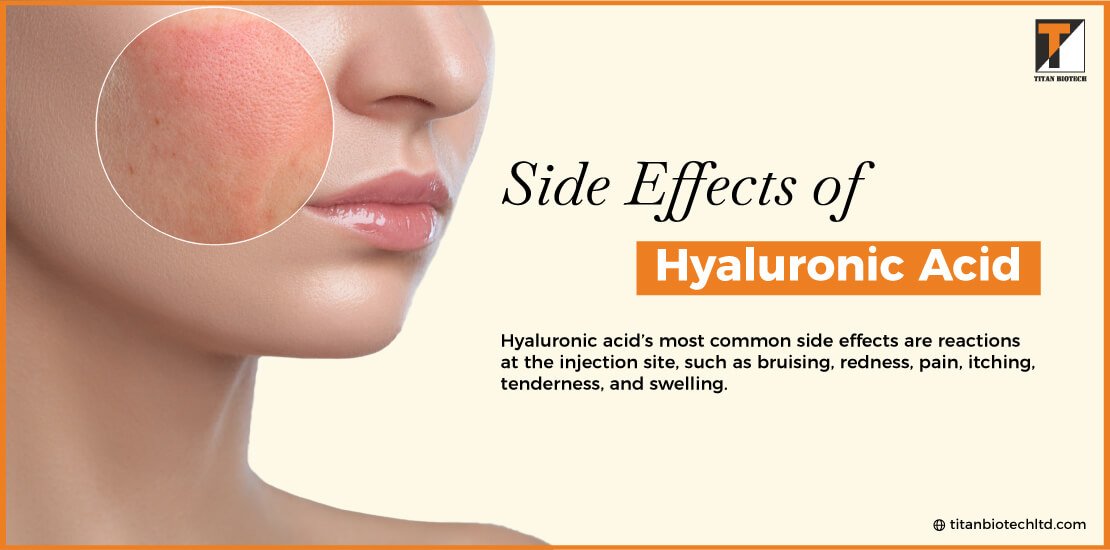
Hyaluronic acid supplements generally boast an excellent safety profile, but being aware of potential side effects helps you use them responsibly and recognize when to seek medical advice.
Mild Digestive Issues During Initial Adjustment
Approximately 5-10% of new users experience temporary digestive symptoms when first starting supplementation:
- Bloating or gas within the first few days
- Occasional loose stools that resolve within 1-2 weeks
- Pro Tip: Taking your supplement with food significantly reduces these effects
These symptoms typically disappear as your body adjusts to the supplement, usually within the first two weeks of consistent use.
Rare Allergic Reactions Worth Monitoring
While uncommon (less than 1% of users), allergic reactions can occur, especially with certain formulations:
- Skin rash or itching at application sites (for topical products)
- Swelling of the face, lips, or throat (seek immediate medical attention)
- Critical Warning: Discontinue use immediately if you experience any signs of allergic reaction
Your body naturally produces hyaluronic acid, making severe reactions rare, but sensitivity to manufacturing additives can sometimes trigger responses.
Who Should Absolutely Avoid Hyaluronic Acid Supplements
Certain populations face specific risks that warrant complete avoidance of hyaluronic acid supplementation. Knowing these contraindications protects your health and prevents potentially serious complications.
Three High-Risk Groups That Must Steer Clear
Pregnant or breastfeeding women should avoid supplementation due to insufficient safety data. While your body naturally produces hyaluronic acid, researchers haven’t established how supplemental forms affect fetal development or nursing infants.
People undergoing radiation therapy should not apply topical hyaluronic acid to treatment areas. Evidence suggests it may increase the risk of skin complications during radiation treatment protocols.
Individuals with scleroderma must avoid topical applications as hyaluronic acid may worsen skin ulcers associated with this connective tissue disorder.
Medication Interactions You Need to Discuss With Your Doctor
Though documented drug interactions are limited, hyaluronic acid may affect:
- Medications targeting tissue healing processes
- Drugs influencing inflammatory responses
- Treatments affecting immune system function
Always consult your healthcare provider before starting supplementation if you take prescription medications or manage chronic health conditions.
Your Exact Dosing Schedule for Maximum Results
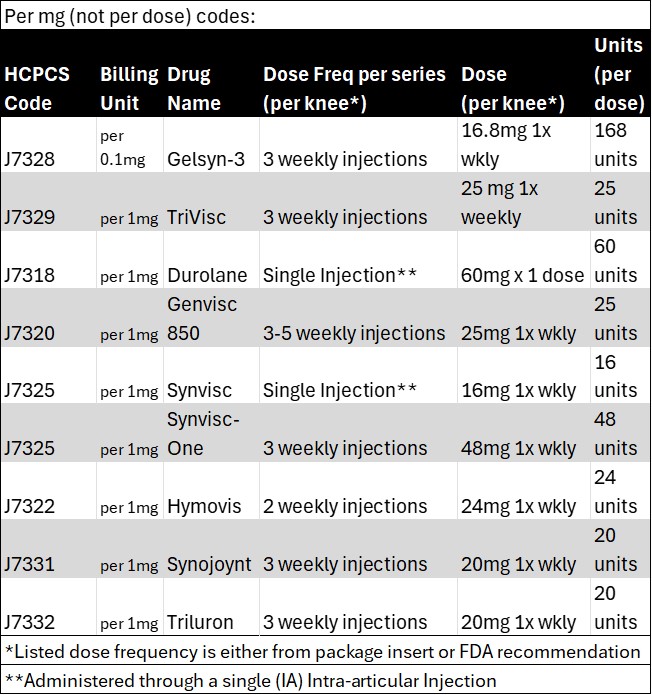
Clinical research reveals precise dosing protocols that maximize benefits while minimizing potential side effects. Following these evidence-based guidelines ensures you get the most from your supplementation.
Week-by-Week Timeline for Visible Improvements
- Weeks 1-2: Initial hydration improvements begin (especially for dry skin types)
- Weeks 3-4: Peak hydration levels achieved; skin brightness starts improving
- Weeks 5-8: Continued tone enhancement; early joint comfort benefits appear
- Weeks 9-12: Significant structural improvements in skin thickness become measurable
Taking 100-200mg daily of high-molecular-weight (300 kDa) hyaluronic acid delivers optimal results for most adults. Older individuals often benefit more from the higher 200mg dose due to greater age-related depletion.
Quality Checklist for Choosing Effective Supplements
Not all hyaluronic acid supplements deliver equal results. When selecting a product, verify these critical quality markers:
- Source verification: Bacterial fermentation-derived offers superior purity over animal sources
- Molecular weight specification: Look for 300 kDa for skin benefits (studies confirm effectiveness)
- Third-party testing: NSF International or USP verification ensures label accuracy
- Transparent labeling: Clear disclosure of serving size and actual hyaluronic acid content
Avoid products that don’t specify molecular weight or source, as these factors dramatically impact effectiveness.
3 Science-Backed Strategies to Boost Supplement Effectiveness
Maximizing your results with hyaluronic acid supplements requires more than just taking a daily pill. These evidence-based strategies significantly enhance absorption and effectiveness.
Hydration Synergy Technique
Since hyaluronic acid’s primary function is water retention, drinking adequate water (at least 8 glasses daily) creates the moisture reservoir it needs to work effectively. Without sufficient systemic hydration, your supplement can’t deliver optimal skin and joint benefits.
Topical + Oral Combination Protocol
Using hyaluronic acid serums alongside oral supplements creates a powerful dual-action approach:
- Oral supplements support skin health from within
- Topical products provide immediate surface hydration
- Together they address both structural and surface-level concerns
Clinical research shows this combination delivers superior results compared to either approach alone.
Optimal Timing for Enhanced Absorption
Taking your supplement with your largest meal of the day (particularly one containing healthy fats) significantly improves absorption. The digestive process triggered by food intake enhances uptake of hyaluronic acid through intestinal pathways, maximizing the amount that reaches your target tissues.
Final Note: Hyaluronic acid supplements offer a well-researched solution for age-related declines in skin hydration and joint comfort, with clinical evidence supporting benefits within 2-12 weeks of consistent use. By selecting high-quality, high-molecular-weight formulations (300 kDa), taking 100-200mg daily with food, and maintaining adequate hydration, you can safely experience improved skin texture, enhanced joint mobility, and additional health benefits. Always consult your healthcare provider before starting new supplementation, especially if you have underlying health conditions or take prescription medications. With realistic expectations and proper usage, hyaluronic acid supplements can become a valuable component of your long-term wellness strategy.