
For centuries, Native Americans have relied on yucca to soothe arthritis symptoms, but modern science is revealing why this desert plant deserves a spot in your supplement regimen. Recent research shows that yucca supplement benefits extend far beyond joint pain relief to include powerful anti-inflammatory effects, cholesterol management, and antioxidant protection. With the FDA granting yucca GRAS (Generally Recognized As Safe) status, this natural remedy has moved from traditional medicine to evidence-based supplement with compelling scientific backing. If you’re struggling with inflammation-related issues or simply want to enhance your overall wellness routine, understanding yucca’s multi-faceted benefits could provide the natural solution you’ve been searching for.
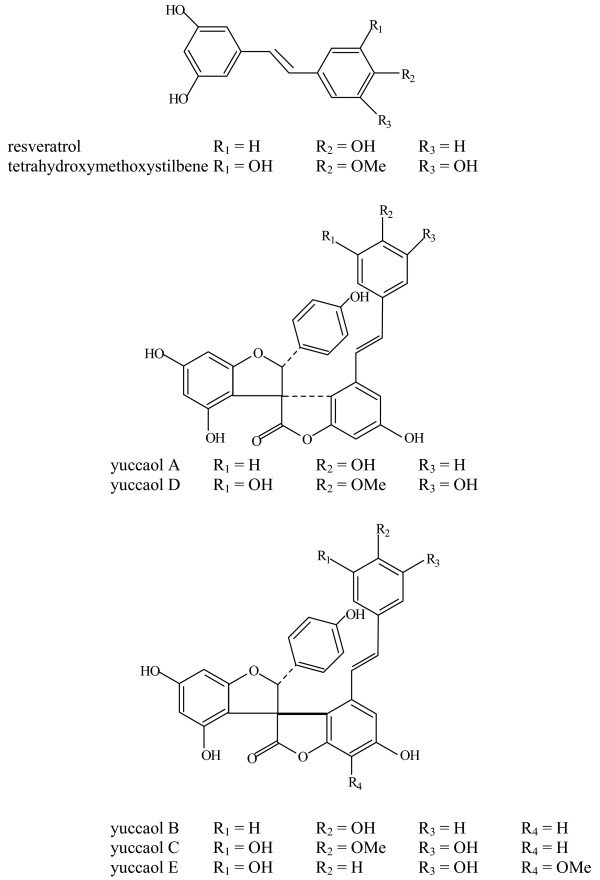
Yucca schidigera, native to the deserts of the southwestern United States and northern Mexico, contains a unique combination of bioactive compounds that work synergistically to address multiple health concerns. Unlike many single-action supplements, yucca delivers a triple threat against inflammation through its steroidal saponins, resveratrol, and the rare yuccaols A-E compounds. What makes this plant particularly remarkable is its concentration of these compounds—yucca stem dry matter contains up to 10% steroidal saponins, making it one of the richest natural sources available. This article dives into the specific mechanisms behind yucca supplement benefits, helping you determine whether it’s the right addition to your health protocol and how to select the most effective product for your needs.
How Yucca’s Triple-Action Formula Targets Inflammation at Its Source

Yucca doesn’t just mask inflammation symptoms—it attacks the root causes through three distinct molecular pathways that work together for maximum effect. Understanding these mechanisms explains why many users report significant relief from joint discomfort where other supplements fall short.
Blocking NFkB: Yucca’s Primary Inflammation Switch
The most significant anti-inflammatory mechanism involves yucca’s ability to inhibit nuclear factor kappa B (NFkB), the master regulator of inflammation in your body. When activated, NFkB triggers the production of inducible nitric oxide synthase (iNOS), which creates nitric oxide—a key inflammatory agent that damages joints. Research shows yuccaol C, one of five unique compounds found only in yucca bark, inhibits NFkB activation in a concentration-dependent manner across a wide range (0.01-100 μM). This means that even small doses of properly formulated yucca supplement can begin disrupting the inflammation cascade before it causes joint damage.
Shutting Down iNOS Production and Platelet Activation
Yucca delivers a one-two punch against inflammation by not only blocking NFkB but also directly suppressing iNOS expression itself. Since iNOS creates the inflammatory nitric oxide that contributes to joint pain, this dual action creates a compounded effect that’s more powerful than targeting either pathway alone. Additionally, yucca phenolics inhibit platelet aggregation—blood platelets contribute to allergic inflammatory responses, so this third mechanism provides comprehensive protection against multiple inflammation pathways simultaneously. If you’ve tried other anti-inflammatory supplements with limited success, yucca’s multi-target approach might explain why it delivers more noticeable results for many users.
Yucca’s Hidden Arthritis Connection: The Gut-Joint Inflammation Link
The traditional use of yucca for arthritis relief isn’t just folklore—modern research reveals a scientifically plausible explanation for why it works, connecting gut health to joint inflammation in ways that conventional medicine is only beginning to recognize.
How Intestinal Protozoa May Trigger Joint Pain

Researchers have discovered a surprising connection between gut health and arthritis that explains one of yucca’s most valuable benefits. Studies show that a free-living protozoan called Naegleria appears universally in the joints of arthritic patients, with trophozoites also found in the intestine. This explains why anti-protozoal drugs like metronidazole can effectively treat arthritis symptoms. Yucca saponins work similarly to metronidazole, demonstrating comparable effectiveness in killing giardia trophozoites in the intestine. If you’ve experienced joint pain that seems connected to digestive issues, yucca’s dual action on gut health and inflammation might provide the relief other supplements miss.
The Bacterial Overgrowth Connection to Joint Inflammation
Beyond protozoa, research links arthritis to intestinal bacterial overgrowth of Escherichia coli and Lactobacillus lactis. While yucca saponins exhibit antibacterial properties against certain strains, some beneficial bacteria like certain Lactobacillus species may be tolerant of yucca. This selective action means yucca may help rebalance gut flora without wiping out all bacteria—potentially addressing the gut-joint inflammation connection that many arthritis sufferers experience. If you notice your joint pain worsens after certain foods or during digestive distress, this gut-joint axis might be why yucca supplement benefits extend beyond simple pain relief.
Your Yucca Product Selection Guide: Avoid Wasting Money on Ineffective Formulas
Not all yucca supplements deliver the same benefits, and choosing the wrong type could mean missing out on the very effects you’re seeking. The critical difference lies in which plant parts are used and how they’re processed—a detail most consumers overlook when purchasing yucca supplements.
Why Yucca Bark Contains 7x More Active Compounds Than Whole Plant Powder
The concentration of beneficial compounds varies dramatically depending on product formulation:
– Yucca bark: Contains 21.7 mg/g resveratrol and 72.6 mg/g yuccaols
– Whole yucca plant powder: Contains only 3.2 mg/g resveratrol and 10.0 mg/g yuccaols
– Yucca extract: Contains none of these critical polyphenolic compounds
This means bark-based products deliver up to 7 times more inflammation-fighting compounds than whole plant powders, while pure extracts miss key benefits entirely. If your goal is reducing inflammation or supporting joint health, products made from yucca bark are essential—whole plant powders offer limited benefits, and pure extracts provide almost none of the anti-inflammatory compounds.
Spotting Quality Yucca Supplements: What to Look for on Labels
When selecting a yucca supplement, check labels for these critical indicators:
– “Yucca schidigera bark” rather than just “yucca extract” or “yucca powder”
– Standardized resveratrol content (at least 1-3%)
– Third-party testing verification for saponin and polyphenol content
– Avoid products listing only “yucca extract” without specifying bark content
Products that specify “bark” on the label are more likely to contain the full spectrum of beneficial compounds, while those simply labeled “yucca extract” typically contain only saponins without the critical polyphenols responsible for most anti-inflammatory effects. Taking the wrong type of yucca supplement is like taking half a prescription—it simply won’t deliver the full benefits you need.
Yucca Supplement Benefits Beyond Joints: Heart Health and Antioxidant Protection
While joint support drives most yucca supplement interest, its benefits extend to cardiovascular health and overall cellular protection in ways that create a comprehensive wellness effect.
How Yucca Lowers Cholesterol Through Natural Binding
Yucca saponins form insoluble complexes with cholesterol in your digestive tract, preventing its reabsorption and breaking the entero-hepatic recycling loop. This mechanism—where the hydrophobic portion of saponins stacks against cholesterol’s sterol nucleus—effectively lowers total and LDL cholesterol levels. Clinical studies confirm yucca extracts reduce cholesterol in hypercholesterolemic humans, providing cardiovascular benefits that complement its anti-inflammatory effects. If you’re concerned about heart health alongside joint issues, yucca offers a dual-action approach that addresses both concerns simultaneously.
Neutralizing Arthritis-Causing Free Radicals with Specialized Antioxidants
Yucca’s polyphenolic compounds, particularly resveratrol and yuccaols, provide targeted antioxidant protection against the free radicals that drive rheumatoid arthritis progression. One critical source of damage is nitric oxide produced in joint tissues, which creates the highly toxic peroxynitrite radical. Yucca’s antioxidant activity works alongside its NFkB inhibition to create a comprehensive protective effect—preventing inflammation while simultaneously neutralizing existing free radicals. This dual antioxidant and anti-inflammatory action makes yucca uniquely positioned to address the root causes of chronic inflammatory conditions.
Your Yucca Supplementation Action Plan: Dosage and Timing Tips
To maximize yucca supplement benefits while avoiding potential issues, follow these evidence-based recommendations for effective use:
Optimal Dosage and Timing Strategies
- Start with 100-200mg daily of a bark-based supplement to assess tolerance
- Take with meals to enhance absorption of fat-soluble compounds
- Split doses (morning and evening) for sustained anti-inflammatory effects
- Allow 4-6 weeks for full effects to manifest—yucca works cumulatively
Critical warning: If you take blood thinners or cholesterol medications, consult your healthcare provider before using yucca, as it may enhance these medications’ effects. Yucca’s inhibition of platelet aggregation and cholesterol-lowering properties could potentially interact with prescription medications.
Common Mistakes That Reduce Yucca’s Effectiveness
Many users don’t experience yucca supplement benefits because they:
– Choose pure extracts instead of bark-based products
– Expect immediate results (inflammation reduction takes weeks)
– Take inconsistent doses or skip days
– Combine with iron supplements (yucca reduces iron absorption)
For best results, select a quality bark-based product, take it consistently with meals, and give it at least a month to assess its effects on your specific symptoms. If you’re addressing joint pain specifically, pair yucca with movement therapy—its anti-inflammatory effects work best when supporting active joint mobility.
Final Takeaway: Why Yucca Deserves Consideration in Your Wellness Routine
Yucca supplement benefits extend far beyond simple joint pain relief to address inflammation at multiple molecular levels while supporting cardiovascular health and providing specialized antioxidant protection. Its unique combination of steroidal saponins, resveratrol, and exclusive yuccaols creates a multi-targeted approach that explains why many users report significant improvements where other supplements fall short. By selecting a quality bark-based product and giving it adequate time to work, you can harness this desert plant’s centuries-old healing properties backed by modern scientific understanding. For those seeking a natural approach to managing inflammation-related issues, yucca represents a compelling option with a strong safety profile and multiple mechanisms of action working in your favor.