
Your liver processes everything you eat, drink, and breathe—filtering toxins, producing essential proteins, and regulating metabolism around the clock. Yet this hardworking organ often shows no symptoms until significant damage has occurred, with non-alcoholic fatty liver disease now affecting approximately 25% of the global population. When chronic exposure to toxins, poor diet, medications, or metabolic dysfunction overwhelms the liver’s natural regenerative capacity (which can restore up to 70% of damaged tissue), targeted nutritional support becomes crucial. Identifying the best supplements for liver repair requires cutting through marketing hype to find compounds with robust scientific backing. This guide reveals the most effective evidence-based options that genuinely support liver regeneration through specific biological mechanisms.
Top Evidence-Based Supplements for Liver Repair
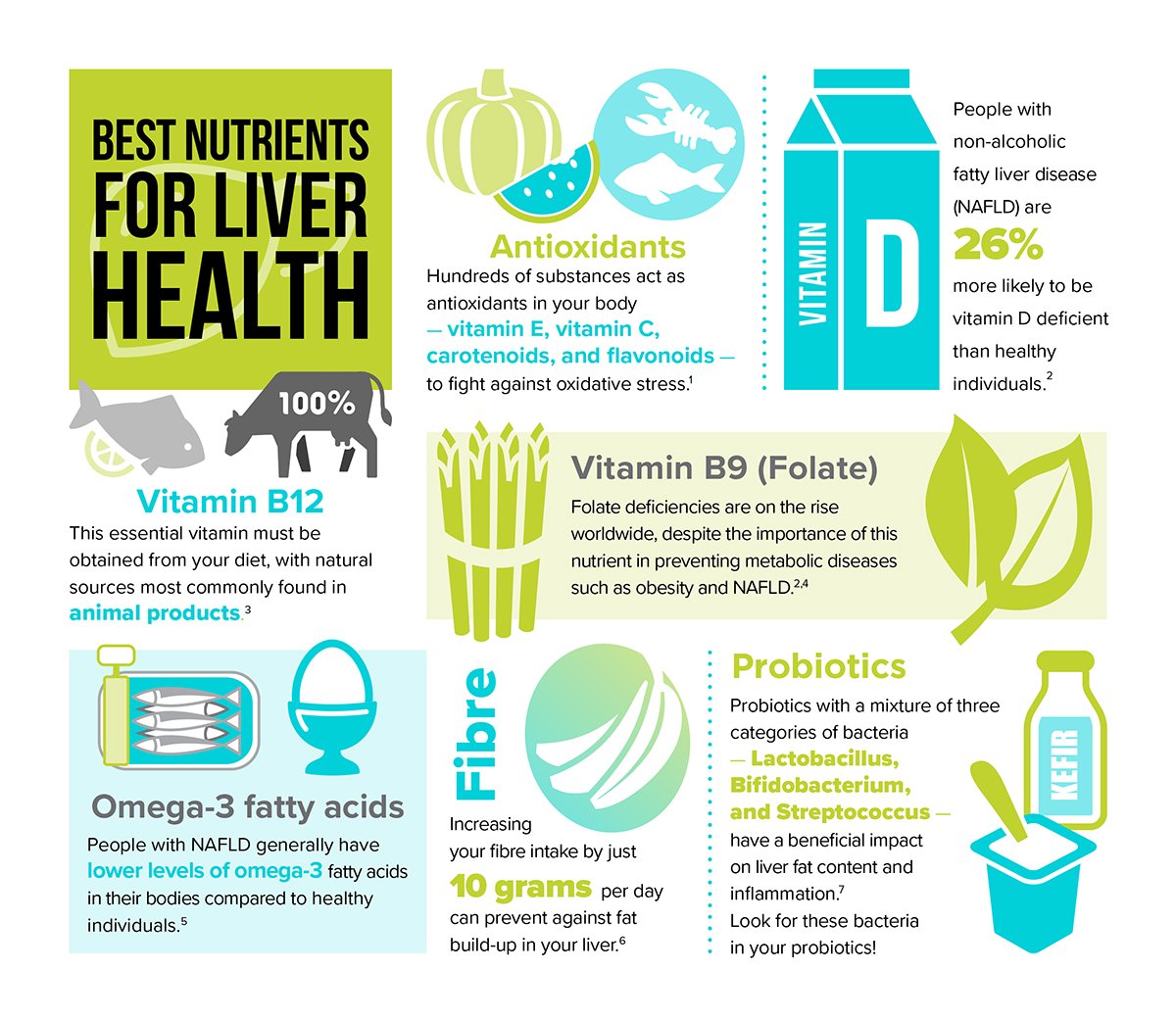
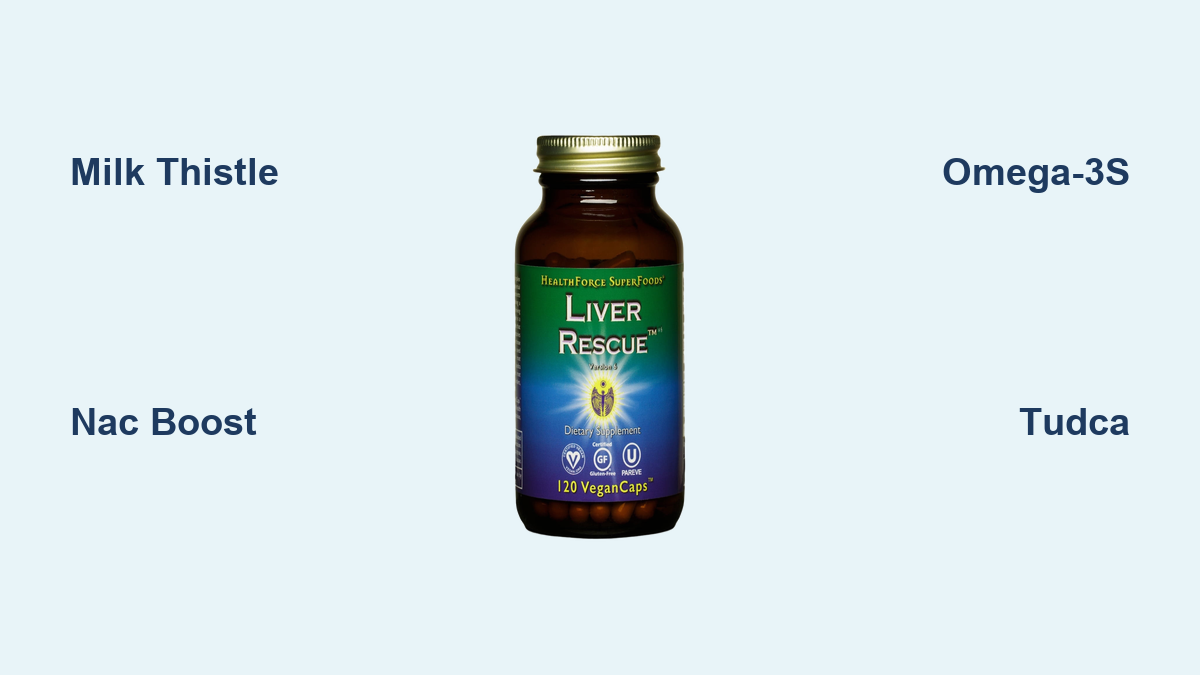
The most scientifically validated supplements for liver repair work through complementary pathways: antioxidant protection, enhanced detoxification, reduced inflammation, and promotion of tissue regeneration. Milk thistle, N-acetyl cysteine, and omega-3 fatty acids form the foundation of liver support protocols with consistent results across multiple clinical trials, while emerging research supports additional compounds addressing specific liver health concerns.
Quality matters significantly when selecting liver supplements, as the industry faces limited regulation and substantial variation in product potency. Third-party tested supplements with standardized extracts and transparent manufacturing practices consistently deliver superior outcomes compared to cheaper alternatives containing subtherapeutic doses or contaminants.
Milk Thistle: The Gold Standard for Liver Protection
Milk thistle stands as the most extensively researched supplement for liver health, with over two millennia of traditional use and modern clinical validation. The active compound silymarin—a complex of flavonolignans extracted from Silybum marianum seeds—works through multiple mechanisms to protect and regenerate liver tissue. Silybin, its most active component, stabilizes hepatocyte membranes to block toxin penetration while stimulating protein synthesis for accelerated tissue repair.
This powerful herb demonstrates exceptional antioxidant capacity by directly scavenging free radicals while simultaneously boosting glutathione production—the liver’s master antioxidant. Clinical studies show milk thistle improves liver function tests in alcoholic liver disease patients and reduces ALT/AST enzyme elevations in non-alcoholic fatty liver disease (NAFLD). The most effective dosage ranges from 200mg to 400mg of standardized silymarin extract (70-80% concentration) daily, with enhanced-bioavailability formulations like silybin-phosphatidylcholine complexes providing significantly better absorption.
N-Acetyl Cysteine: Essential for Glutathione Production
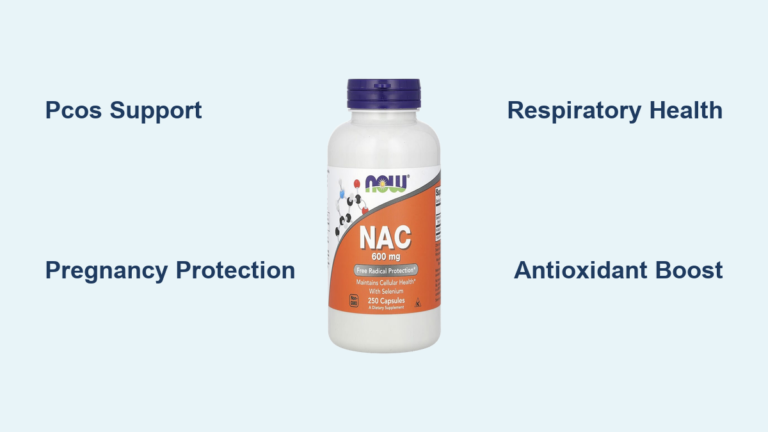
N-Acetyl Cysteine (NAC) serves as the most direct way to boost glutathione levels—the critical antioxidant depleted during toxin exposure, alcohol consumption, and medication processing. When the liver faces toxic challenges, glutathione stores become exhausted, leaving hepatocytes vulnerable to oxidative damage. NAC bypasses normal metabolic pathways to directly support glutathione synthesis, restoring the liver’s detoxification capacity.
Beyond glutathione production, NAC maintains mitochondrial function in liver cells and supports sulfation—a key Phase II detoxification pathway. Research demonstrates NAC’s effectiveness for general liver support, with studies showing 600mg to 1,800mg daily significantly reduces ALT and AST levels in NAFLD patients. This makes NAC particularly valuable for individuals with elevated liver enzymes or toxin exposure history. NAC works synergistically with milk thistle, creating a powerful combination for comprehensive liver repair protocols.
Omega-3 Fatty Acids: Reducing Inflammation and Liver Fat

Omega-3 fatty acids (EPA and DHA) combat liver damage through anti-inflammatory effects and direct metabolic actions that reduce fat accumulation. These essential fats generate specialized pro-resolving mediators (resolvins, protectins, maresins) that actively resolve inflammation rather than merely suppressing it—a crucial distinction for chronic liver conditions like NASH.
Omega-3s reduce hepatic fat production by downregulating sterol regulatory element-binding protein 1c while simultaneously upregulating fatty acid oxidation through PPAR-alpha activation. Clinical research consistently shows omega-3 supplementation reduces liver fat content in NAFLD patients, with optimal benefits at EPA+DHA intakes of 2-4 grams daily. For maximum effectiveness, choose triglyceride-conjugated or re-esterified triglyceride fish oil forms, which provide significantly better absorption than ethyl ester formulations common in lower-quality supplements.
Alpha-Lipoic Acid: A Versatile Antioxidant for Liver Health
Alpha-lipoic acid’s unique dual solubility in both water and fat allows it to function throughout all cellular compartments, making it exceptionally effective for liver protection. This versatile antioxidant regenerates other critical antioxidants including vitamins C and E, glutathione, and CoQ10, creating a cascading protective effect across hepatocyte membranes, mitochondria, and DNA.
ALA directly activates the AMPK pathway, which regulates cellular energy metabolism and reduces liver fat accumulation in NAFLD. Clinical studies demonstrate ALA’s effectiveness at doses of 300mg to 600mg daily, showing reductions in liver enzymes, improved ultrasound echogenicity, and decreased hepatic fat content. The R-alpha lipoic acid form provides superior bioactivity compared to synthetic versions, and its ability to cross the blood-brain barrier offers additional neuroprotective benefits relevant for chronic liver conditions.
Vitamin E: Targeted Support for Fatty Liver Disease
Vitamin E functions as a critical fat-soluble antioxidant protecting liver cell membranes from oxidative damage, particularly valuable for individuals with fatty liver disease where lipid droplets accumulate. The PIVENS trial established that 800 IU daily of vitamin E significantly improved non-alcoholic steatohepatitis histology in non-diabetic patients, making it one of the few supplements with strong evidence for NASH.
However, safety concerns limit long-term use, with studies linking high-dose vitamin E (>400 IU daily) to increased all-cause mortality, prostate cancer risk in men, and hemorrhagic stroke risk. Therefore, vitamin E supplementation should be reserved for individuals with documented deficiency or specific liver conditions under medical supervision, with dosages not exceeding 400 IU daily for extended periods.
TUDCA: Advanced Support for Bile Flow and Cell Protection
TUDCA (Tauroursodeoxycholic Acid) represents a scientifically advanced approach to liver support, functioning by stabilizing hepatocyte mitochondrial membranes, reducing endoplasmic reticulum stress, and protecting bile duct cells from toxic bile acids. This water-soluble bile acid improves liver biochemistry in cholestatic conditions including primary biliary cholangitis and shows promise for broader applications.
Clinical research demonstrates TUDCA’s effectiveness at doses of 500mg to 1,500mg daily, with improvements in ALT, AST, and gamma-glutamyl transferase levels across various liver conditions. Its mechanism complements other liver-support supplements, making it particularly valuable for individuals with elevated bilirubin, cholestatic enzyme patterns, or documented bile flow impairment.
Critical Safety Considerations for Liver Supplements
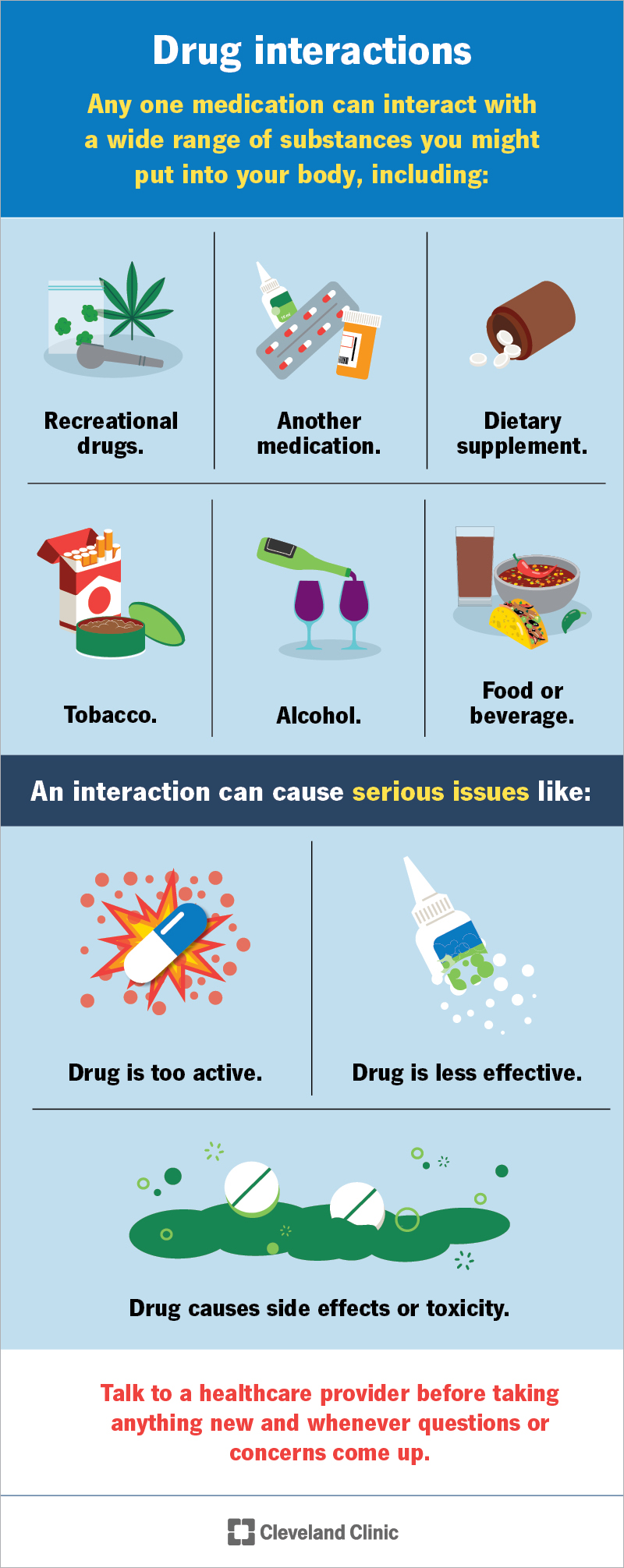
Several liver-support supplements interact with medications, requiring healthcare provider consultation before use. Milk thistle can inhibit cytochrome P450 enzymes (CYP3A4 and CYP2C9), potentially affecting warfarin, oral contraceptives, and certain antidepressants. Vitamin E enhances anticoagulant effects of blood thinners, while high-dose omega-3s (>3 grams daily) increase bleeding risk with anticoagulant medications.
Pregnant and breastfeeding women should generally avoid most liver support supplements due to insufficient safety data. Individuals with bleeding disorders or scheduled surgery should avoid vitamin E, omega-3s, and other anticoagulant supplements. Those with pre-existing liver conditions require medical evaluation before starting supplementation, as some products may be contraindicated in specific liver diseases.
Maximizing Results: Combining Supplements with Lifestyle Changes
Supplements achieve optimal results when paired with foundational lifestyle modifications. Complete alcohol abstinence represents one of the most significant interventions, as the liver’s regenerative capacity can reverse early-stage damage within weeks of stopping consumption. Dietary patterns profoundly impact liver health, with the Mediterranean diet—rich in olive oil, fatty fish, vegetables, and whole grains—providing compounds that collectively support liver function through anti-inflammatory and antioxidant effects.
Regular physical activity improves insulin sensitivity and reduces hepatic fat accumulation independent of weight loss. Current guidelines recommend at least 150 minutes of moderate-intensity aerobic activity weekly plus resistance training on two or more days. These lifestyle interventions work synergistically with supplements, creating conditions where nutritional support most effectively promotes liver repair.
When building your supplement protocol, start with foundational support: milk thistle (200-400mg silymarin daily), NAC (600-1,200mg daily), and omega-3s (2-3 grams EPA+DHA daily). Monitor liver function every 3-6 months to assess response, as the foundation protocol should be maintained for a minimum of 3-6 months before evaluating efficacy. Remember that the best supplements for liver repair work most effectively as part of a comprehensive approach addressing dietary, lifestyle, and environmental factors that impact liver health.