

Magnesium ranks among the most essential minerals in your body, yet millions of people struggle to maintain adequate levels despite supplementation. This widespread challenge stems from a surprising reality: simply taking a magnesium supplement doesn’t guarantee your body will actually absorb and use it effectively. Understanding how magnesium absorption works—and what factors either enhance or undermine this process—can make the difference between a supplement that genuinely supports your health and one that passes through your system largely unused.
The complexity of magnesium absorption begins with the mineral’s unique distribution throughout your body. While your body contains approximately 25 grams of magnesium, less than 1% circulates in your blood serum at any given time. The remaining 50% to 60% resides in your bones, with the rest distributed across soft tissues and cells where it performs critical functions. This distribution pattern means that standard blood tests, which measure serum magnesium concentrations between 0.75 and 0.95 millimoles per liter, provide only a limited snapshot of your true magnesium status. Your kidneys tightly regulate these serum levels, excreting roughly 120 milligrams of magnesium into urine daily and reducing excretion when your status runs low. This sophisticated control system, while essential for maintaining stable blood levels, also means that absorption optimization requires strategies beyond simply increasing intake.
Why Your Magnesium Supplement Might Not Be Working
When your magnesium absorption is suboptimal, even high-dose supplements fail to deliver results. Magnesium serves as a cofactor for more than 300 enzyme systems that regulate critical biochemical reactions throughout your body. These include protein synthesis, muscle and nerve function, blood glucose control, and blood pressure regulation. Without proper absorption, these essential processes suffer—often without obvious warning signs.
The serum test trap: Most doctors check only your blood serum magnesium levels, but since less than 1% of your body’s magnesium exists in serum, these tests frequently miss true deficiency. If you’ve taken magnesium supplements for weeks without noticeable improvement in symptoms like muscle cramps or poor sleep, your absorption strategy likely needs adjustment. The kidneys prioritize maintaining stable serum levels over building cellular stores, which means your supplement might be maintaining normal blood tests while failing to reach the tissues where magnesium performs its most vital work.
Fix These 4 Magnesium Absorption Killers Immediately

Several common factors sabotage your body’s ability to absorb magnesium effectively. Addressing these obstacles creates an immediate pathway to better results from your current supplement regimen.
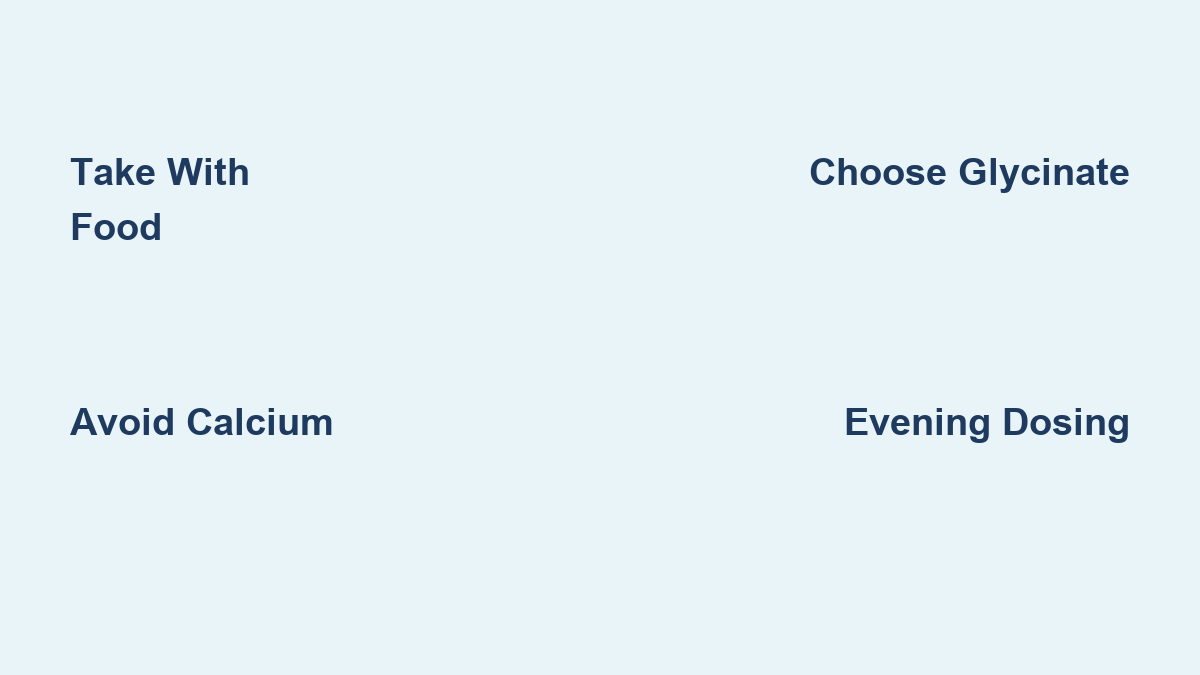
Stop Taking Magnesium With High-Calcium Foods
Calcium directly competes with magnesium for absorption pathways in your intestines. When you consume large amounts of calcium—particularly through dairy products or supplements—simultaneously with magnesium, your body preferentially absorbs calcium. Fix this immediately: Space your calcium-rich meals or supplements at least 2-3 hours apart from magnesium intake. Morning coffee with milk? Wait until dinner to take your magnesium.
Avoid High-Dose Zinc Without Proper Timing
Zinc supplements exceeding 50 milligrams daily interfere with magnesium absorption by competing for the same transport mechanisms. Many immune-boosting supplements contain high zinc doses that unknowingly undermine your magnesium efforts. Solution: Take zinc supplements in the morning and magnesium in the evening, creating at least a 6-hour separation between doses.
Address Medication Interference Head-On
Proton pump inhibitors and other acid-reducing medications significantly decrease magnesium absorption by lowering stomach acidity—essential for dissolving many magnesium supplements. Diuretics increase urinary magnesium excretion, potentially depleting stores despite adequate intake. Critical action: If you take these medications regularly, discuss magnesium form selection with your healthcare provider. Magnesium glycinate or chloride may bypass some absorption barriers created by these drugs.
Separate Magnesium From High-Fiber Meals
While fiber supports digestive health, it can bind to magnesium in your digestive tract and reduce absorption. Simple adjustment: Take your magnesium supplement 30-60 minutes before or after high-fiber meals rather than with them. This small timing change can dramatically improve uptake without sacrificing fiber benefits.
Optimize Your Magnesium Timing for Maximum Results
When you take magnesium matters as much as what form you choose. Strategic timing aligns with your body’s natural rhythms for superior absorption.
Take Magnesium With the Right Type of Meal
Taking magnesium with food improves absorption for most forms, but not all meals are equal. Optimal meal pairing: Consume your supplement with a meal containing moderate protein and healthy fats, which slows intestinal transit time and creates ideal absorption conditions. Avoid pairing with high-calcium or high-fiber meals as previously noted.
Evening Dosing Strategy for Better Sleep and Absorption
Your digestive system slows at night, allowing more time for magnesium absorption. Pro tip: Take magnesium 30-60 minutes before bed to leverage both improved absorption rates and magnesium’s natural muscle-relaxing properties. Many users report noticeable improvements in sleep quality within 3-5 days of consistent evening dosing.
Choose the Right Magnesium Form for Your Body

Not all magnesium supplements absorb equally. Selecting the appropriate form based on your specific needs can double your absorption efficiency.
Glycinate: The Gentle Absorption Champion
Magnesium glycinate binds magnesium to glycine, creating a highly bioavailable form that’s gentle on digestion. Best for: Those seeking relaxation benefits, individuals with sensitive stomachs, or anyone experiencing digestive upset with other forms. Glycinate typically absorbs at rates 25-30% higher than oxide forms.
Citrate: The Balanced Performer
Magnesium citrate offers excellent absorption (about 20-25% better than oxide) with mild digestive benefits. Ideal for: General supplementation and those dealing with occasional constipation. The citrate molecule enhances intestinal absorption while providing gentle digestive support.
Avoid These Common Magnesium Form Mistakes
Many people waste money on poorly absorbed forms without realizing it. Critical warning: Magnesium oxide contains the highest percentage of elemental magnesium by weight but has notoriously poor absorption—much passes through your system unabsorbed. While inexpensive, it’s generally the least effective choice for absorption optimization.
Proven Magnesium Absorption Checklist

Implement these specific actions to immediately boost your magnesium uptake:
- Take magnesium with a small meal containing healthy fats (avocado, olive oil, nuts) but avoid high-calcium foods simultaneously
- Space magnesium away from zinc, iron, and calcium supplements by at least 2-3 hours
- Choose glycinate or citrate forms rather than oxide for significantly better absorption
- Take magnesium in the evening to leverage slower nighttime digestion
- Limit alcohol consumption which impairs magnesium absorption and increases excretion
- Manage stress through daily practices as chronic stress rapidly depletes magnesium stores
- Consider vitamin D status since adequate vitamin D supports magnesium absorption
How to Know If Your Magnesium Absorption Is Improving
Track these specific indicators to confirm your absorption strategy is working:
- Within 3-7 days: Noticeable reduction in nighttime leg cramps or muscle twitches
- Within 2 weeks: Improved relaxation before bed and easier sleep onset
- Within 4 weeks: Better stress resilience and reduced anxiety symptoms
- Within 6-8 weeks: Increased energy levels and improved exercise recovery
Red flag: If you experience persistent diarrhea with your magnesium supplement, you’re likely taking too much at once or using a form that doesn’t suit your digestive system. Reduce your dose or switch to glycinate for better tolerance.
Create Your Personalized Magnesium Absorption Plan
The best way to absorb magnesium supplements combines strategic timing, appropriate form selection, and lifestyle adjustments tailored to your body. Start with this simple protocol:
- Morning: Take any calcium or zinc supplements with breakfast
- Lunch: Consume magnesium-rich foods like spinach, almonds, or black beans
- Dinner: Take 200-400mg of magnesium glycinate or citrate with your evening meal
- 30 minutes before bed: Take an additional 100-200mg if needed for sleep support
Consistency tip: Set a daily phone reminder for your evening magnesium dose until it becomes habit. It takes approximately 21 days to establish a new supplement routine.
By implementing these evidence-based strategies, you’ll transform your magnesium supplementation from an expensive urine experiment into a genuinely effective approach that delivers measurable health benefits. The key isn’t taking more magnesium—it’s ensuring your body actually absorbs and utilizes what you take.