
Zinc sits at the heart of over 300 enzymatic reactions in your body, driving everything from immune defense to DNA synthesis. Yet despite its critical role, studies show that up to 17% of the global population suffers from inadequate zinc status, with absorption issues being a primary culprit. If you’ve ever taken zinc supplements only to wonder why you’re not seeing results, the problem likely isn’t the supplement itself—it’s how your body processes it. Understanding the best way to absorb zinc supplements transforms your investment from wasted capsules into tangible health benefits, whether you’re fighting seasonal illnesses or addressing a diagnosed deficiency.
The frustrating reality is that zinc bioavailability varies wildly based on simple factors you can control. Some people absorb less than 20% of their zinc intake while others achieve rates exceeding 50%, all depending on timing, food combinations, and supplement form. This guide cuts through the confusion with science-backed strategies to optimize your zinc absorption—no guesswork, just practical steps backed by nutritional research.
Take Zinc on an Empty Stomach for Maximum Uptake
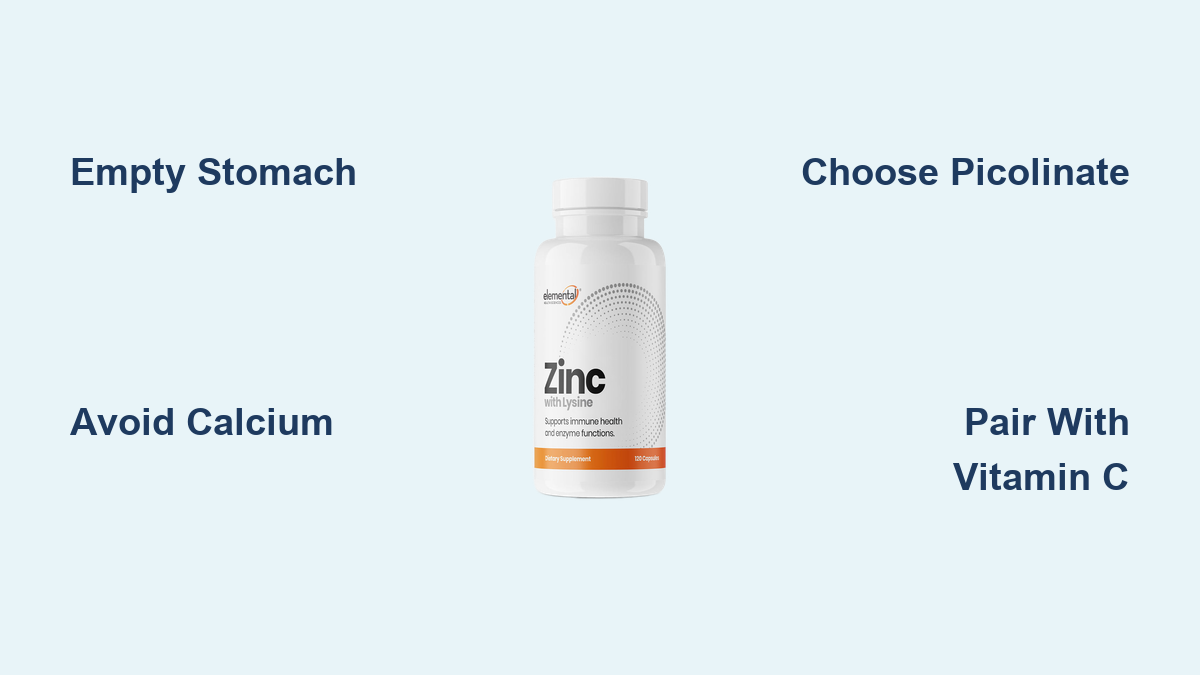
Your stomach’s condition at supplement time directly determines how much zinc enters your bloodstream. For optimal results with the best way to absorb zinc supplements, take your dose 30-60 minutes before breakfast or at least two hours after your last meal. This timing strategy works because an empty stomach creates the acidic environment needed to dissolve zinc compounds effectively, allowing your intestinal cells to absorb the mineral without competition from food components.
When you take zinc with meals, absorption rates plummet by up to half depending on what’s on your plate. High-fiber foods, dairy products, and protein-rich meals all contain compounds that bind zinc, preventing its absorption. A study published in the American Journal of Clinical Nutrition demonstrated that zinc absorption from a meal decreased from 33% to 17% when consumed with high-phytate bread—a dramatic halving of effectiveness you can avoid with proper timing.
If stomach discomfort occurs when taking zinc supplements on an empty stomach—a common side effect for sensitive individuals—don’t sacrifice absorption for comfort. Instead, pair your zinc with a small, strategic snack like a few plain crackers or half a banana. These low-phytate, low-calcium options provide just enough buffer to protect your stomach lining without significantly compromising absorption. Crucially, avoid pairing zinc with yogurt, cheese, whole grain toast, or legume-based snacks, as these contain potent absorption inhibitors.
Avoid Zinc-Absorption Saboteurs in Your Diet
Certain everyday foods and supplements actively block zinc uptake through competitive binding, making them critical considerations for the best way to absorb zinc supplements. Recognizing and timing around these inhibitors transforms your supplementation from guesswork to precision.
Calcium supplements and dairy products represent your zinc absorption’s biggest threat. Both minerals compete for the same intestinal transporters, with calcium often winning this battle. Research shows that consuming 300-600mg of calcium—equivalent to one to two glasses of milk—can reduce zinc absorption by 50% or more. If you take calcium supplements, space them at least two hours apart from your zinc dose. Morning coffee drinkers should note that adding milk to their brew creates a double whammy, combining calcium with coffee’s own zinc-inhibiting compounds.
Iron supplements pose an equally serious problem. The biochemical pathways for zinc and iron absorption overlap significantly, meaning high-dose iron supplements can cut zinc uptake in half. This explains why many multivitamins cause digestive upset—they’re forcing your body to process competing minerals simultaneously. If you require both supplements, take zinc in the morning and iron in the evening, or vice versa, to maximize absorption of both.
Whole grains, legumes, nuts, and seeds contain phytates that bind zinc in insoluble complexes. While phytates offer health benefits as antioxidants, they dramatically reduce mineral bioavailability. Soaking, sprouting, or fermenting these foods can reduce phytate content, but for supplement timing purposes, avoid taking zinc within two hours of meals heavy in these ingredients. If your diet centers around plant-based foods, consider increasing your zinc intake by 50% to compensate for reduced absorption.
Choose High-Bioavailability Zinc Supplement Forms

Not all zinc supplements deliver equal results—the compound form determines how much your body actually absorbs. Selecting the right type represents one of the most impactful decisions in the best way to absorb zinc supplements.
Zinc picolinate consistently outperforms other forms in absorption studies, with research showing 61.3% absorption compared to 50.3% for zinc citrate and just 41.5% for zinc gluconate. The picolinic acid molecule acts like a delivery vehicle, binding to zinc and facilitating its transport across intestinal cell membranes. This makes picolinate particularly valuable for correcting deficiencies or when precise dosing matters.
Zinc citrate offers an excellent balance of absorption and tolerability, making it ideal for daily maintenance. Clinical trials show citrate achieves nearly equivalent absorption to picolinate while causing less nausea—critical for long-term compliance. Its neutral taste also makes it suitable for liquid formulations, which some research suggests may improve absorption over pills by bypassing dissolution issues in the stomach.
Zinc gluconate remains popular due to its stability and low cost, but its absorption rate trails behind picolinate and citrate. While effective for short-term immune support (like cold lozenges), it’s less ideal for addressing chronic deficiency. The 2019 Zinc Bioavailability Study found gluconate absorption dropped significantly when taken with food, making timing even more critical with this form.
Zinc oxide, commonly found in inexpensive supplements and topical products, has the poorest bioavailability of oral forms—some studies indicate absorption rates below 20%. Avoid oxide for internal supplementation unless cost is your primary concern, as you’ll need to take nearly twice the dose to achieve results comparable to picolinate or citrate.
Pair Zinc with Absorption-Boosting Nutrients
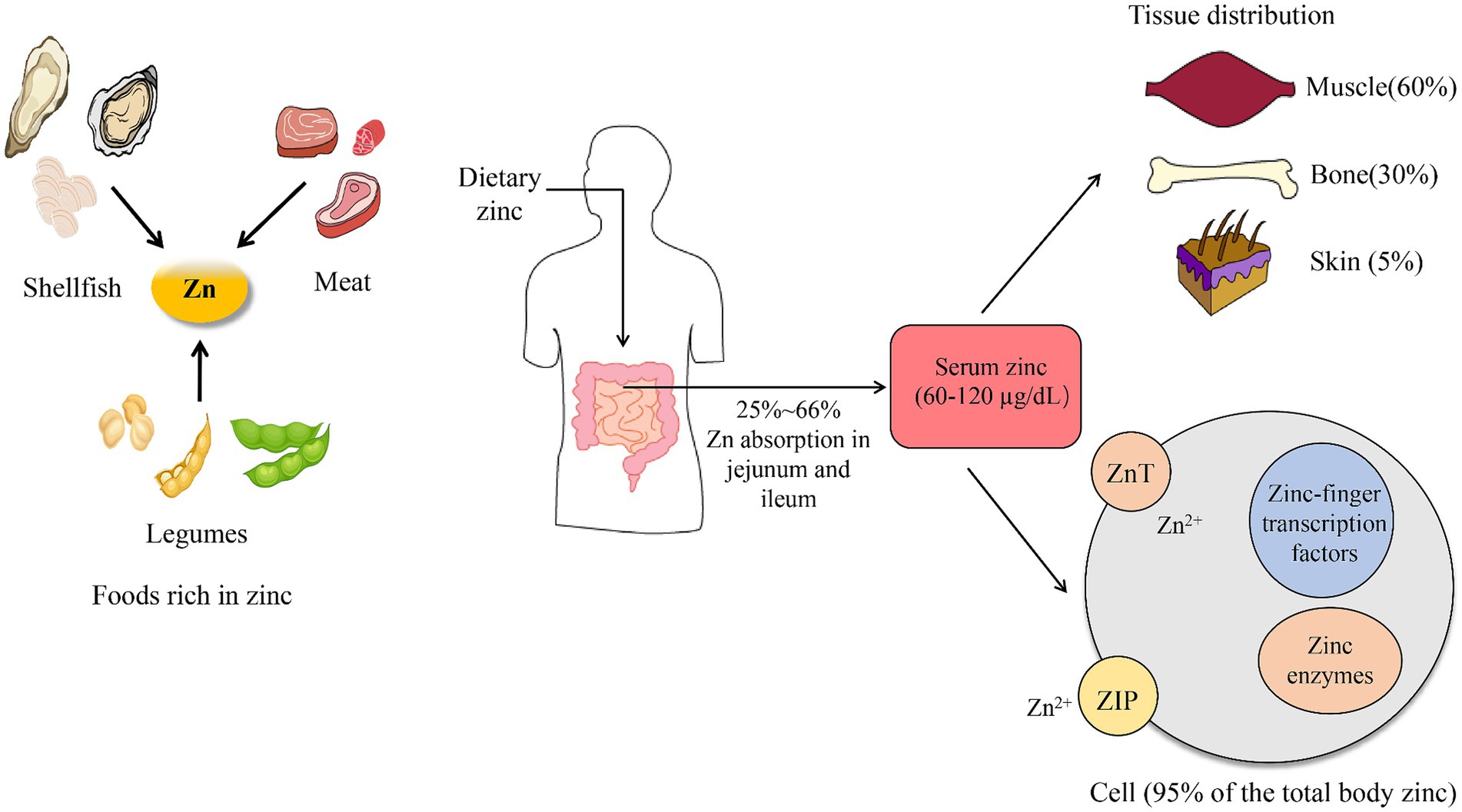
Strategic nutrient combinations can significantly enhance zinc absorption, turning isolated supplementation into a synergistic health strategy. Incorporating these boosters represents an advanced tactic in the best way to absorb zinc supplements.
Vitamin C creates a powerful partnership with zinc through multiple mechanisms. Ascorbic acid helps maintain zinc in its soluble, absorbable form while potentially enhancing intestinal transporter activity. A study in Nutrients demonstrated that adding 500mg of vitamin C to a zinc supplement increased absorption by 14% compared to zinc alone. For practical application, take your zinc supplement with a glass of orange juice or alongside a vitamin C tablet—just ensure they’re both taken on an empty stomach for maximum effect.
Animal proteins significantly improve zinc uptake through amino acid complexes that facilitate transport. Histidine and methionine, abundant in meat, poultry, and fish, form soluble complexes with zinc that bypass some absorption barriers. This explains why zinc from animal sources (heme zinc) has nearly twice the bioavailability of plant-based zinc. If you follow a plant-based diet, consider adding a small serving of animal protein (like one egg) to your zinc-taking routine, or supplement with free-form amino acids.
Citrus fruits and their juices offer a dual benefit—they provide vitamin C while their natural citric acid creates the acidic environment zinc needs for optimal dissolution. Squeezing half a lemon into warm water and taking your zinc supplement with this mixture has been shown to improve absorption by approximately 10% compared to water alone. The mild acidity mimics stomach conditions, particularly helpful for those with age-related low stomach acid.
Time Your Zinc Dosing Strategically Throughout the Day
Beyond simple empty-stomach timing, sophisticated dosing schedules can further optimize zinc absorption based on your individual health goals and medication regimen.
For immune support during cold season, take your zinc first thing in the morning on an empty stomach, followed by breakfast 30-60 minutes later. This timing capitalizes on peak absorption while ensuring zinc enters your system before potential pathogens. If you feel early cold symptoms, consider adding a second dose mid-afternoon, spaced away from lunch and any calcium-rich foods.
Medication timing requires special attention. Zinc binds to tetracycline and quinolone antibiotics, rendering both ineffective. If you’re prescribed these medications, take zinc at least two hours before or four to six hours after your antibiotic dose. Similarly, proton pump inhibitors (like omeprazole) reduce stomach acid, impairing zinc dissolution—consider discussing alternative timing or zinc forms with your healthcare provider if you take these medications regularly.
For those using zinc to improve sleep quality—supported by research linking zinc to melatonin production—a small evening dose with a light snack may provide benefits despite slightly reduced absorption. Pair it with a few almonds (rich in sleep-supportive magnesium) but avoid dairy products that would block absorption. This strategic compromise acknowledges that sleep benefits might outweigh the minor absorption trade-off for some individuals.
Recognize Signs Your Zinc Isn’t Being Absorbed

Your body sends clear signals when zinc supplementation isn’t working, allowing you to adjust your approach before problems escalate. Persistent white spots on fingernails, unexplained hair thinning, or recurrent cold sores may indicate poor zinc absorption despite regular supplementation.
Frequent infections or prolonged illness recovery times represent classic signs that your immune system isn’t getting the zinc support it needs. If you’re taking zinc supplements but still catching every seasonal bug, absorption issues are likely undermining your efforts. Similarly, slow-healing cuts or persistent skin irritation suggests your body isn’t utilizing the zinc you’re providing.
Digestive conditions like Crohn’s disease, ulcerative colitis, or chronic diarrhea significantly impair zinc absorption regardless of timing or form. If you have these conditions, you may need 50-100% higher zinc doses to achieve adequate status. Consult a registered dietitian specializing in gastrointestinal health to develop a personalized absorption strategy.
Age-related changes also affect zinc uptake. Stomach acid production decreases by approximately 15% per decade after age 40, directly impacting zinc dissolution and absorption. If you’re over 50 and taking zinc supplements without noticeable benefits, consider adding 1-2 tablespoons of apple cider vinegar to a glass of water before your dose to boost stomach acidity naturally.
Maintain Consistent Zinc Supplementation Habits
The best way to absorb zinc supplements requires consistency—sporadic dosing prevents your body from maintaining optimal zinc status. Create a reliable habit by linking zinc intake to an existing daily routine, such as taking it immediately after brushing your teeth in the morning.
Track your supplementation and symptoms in a simple journal for the first month. Note the time of day, whether you took it with food, and any changes in energy levels, immunity, or skin health. This data helps identify patterns and optimize your personal absorption strategy. Many people discover they absorb zinc better at certain times of day or with specific minor dietary adjustments.
Be patient with results—zinc supplementation typically requires 4-8 weeks of consistent use before significant improvements appear in immune function or skin health. Unlike quick-fix supplements, zinc works cumulatively to build your body’s stores. Resist the temptation to double your dose seeking faster results, as this can trigger copper deficiency and actually impair absorption.
Store zinc supplements properly to maintain potency. Keep them in a cool, dry place away from direct sunlight, and check expiration dates regularly. Liquid zinc formulations require extra care—refrigerate after opening and discard three months after first use to ensure maximum effectiveness. Proper storage preserves the supplement’s integrity, ensuring each dose delivers what’s promised on the label.