
Vitamin D deficiency affects nearly one billion people worldwide, yet this essential nutrient remains difficult to obtain through diet and sunlight alone. If you live north of the 37th parallel, work indoors, have darker skin, or simply avoid sun exposure, you’re at high risk for insufficient vitamin D levels. The best way to supplement vitamin D isn’t complicated—just misunderstood. Many people take supplements incorrectly, wasting money and missing out on crucial health benefits. This guide reveals the science-backed strategies for maximizing vitamin D absorption, choosing the right form, determining your ideal dosage, and monitoring your progress through testing—so you can finally achieve optimal levels that support strong bones, robust immunity, and overall vitality.
Your body treats supplemental vitamin D differently than the vitamin D your skin produces from sunlight. Both forms must undergo two critical activation steps: first in the liver (where it becomes 25-hydroxyvitamin D), then in the kidneys (where it transforms into the active 1,25-dihydroxyvitamin D form). Understanding this activation process explains why consistent, properly timed supplementation matters more than sporadic high doses. By the end of this guide, you’ll know exactly how to take vitamin D for maximum effectiveness and avoid the common mistakes that undermine supplementation success.
Why Vitamin D3 Outperforms Vitamin D2 for Long-Term Results

Choosing the right form of vitamin D makes a significant difference in how effectively your body maintains optimal levels over time.
The Science Behind Vitamin D3’s Superior Effectiveness
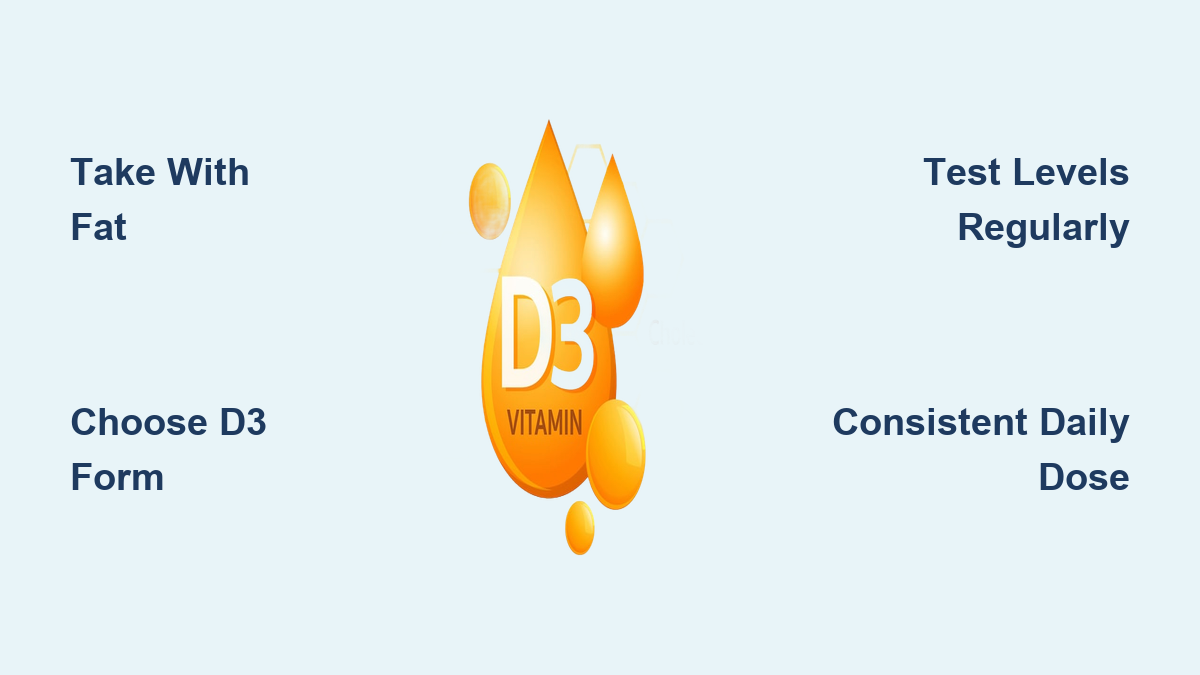
Vitamin D3 (cholecalciferol) is identical to the form your skin produces when exposed to sunlight, while D2 (ergocalciferol) comes from plant sources and fungi. Research consistently shows that D3 raises and maintains your 25-hydroxyvitamin D levels more effectively than D2. When you take D3 supplements, your serum levels increase steadily and remain elevated longer between doses. This durability matters because vitamin D status is measured by your 25-hydroxyvitamin D concentration—which reflects your overall vitamin D stores. D3’s structural similarity to naturally produced vitamin D makes it the clear winner for consistent supplementation.
How Vitamin D3 Provides More Stable Blood Levels
Unlike D2, which creates sharper peaks and valleys in your blood levels, D3 delivers more consistent maintenance of adequate vitamin D status. This stability prevents the rollercoaster effect where levels spike too high after a dose then plummet before the next one. For most people aiming for consistent long-term benefits, D3 should be your default choice. The only exception is for strict vegans, as most D3 comes from animal sources while D2 is plant-derived. Even then, newer vegan D3 options derived from lichen are becoming more widely available.
Take Vitamin D with Dietary Fat for Maximum Absorption
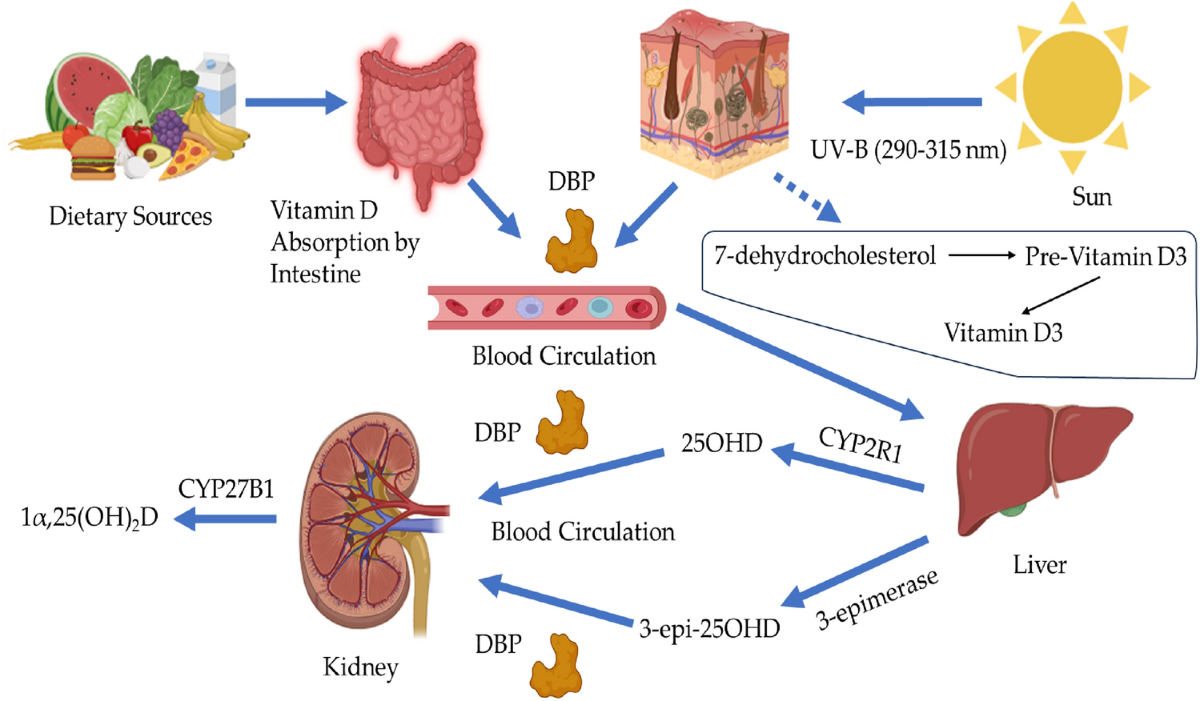
The single most overlooked factor in vitamin D supplementation is taking it with the right foods—specifically those containing adequate fat.
The 15-30g Fat Rule for Optimal Uptake
Vitamin D is fat-soluble, meaning it dissolves in fats rather than water. To maximize absorption, take your supplement with a meal containing 15-30 grams of healthy fats. This fat content triggers bile secretion, which forms micelles that transport vitamin D across your intestinal wall. Without sufficient fat, you could be absorbing less than half of your supplement’s potential benefit. The good news is that most balanced meals naturally contain enough fat—think avocado on toast, olive oil drizzled over vegetables, or salmon with a side salad.
Perfect Meal Pairings for Your Vitamin D Supplement
Your ideal vitamin D companion meals include:
– Scrambled eggs with cheese (provides 20g+ fat)
– Salmon salad with olive oil dressing
– Avocado toast with a fried egg
– Greek yogurt with nuts and seeds
– Hummus with vegetable sticks and tahini
If you typically take vitamin D with breakfast but eat a low-fat morning meal like cereal or fruit, switch to taking it with lunch or dinner when your fat intake is naturally higher. This simple timing adjustment can dramatically improve your supplementation results without requiring any change in product or dosage.
Age-Specific Dosage Guidelines You Must Follow

The best way to supplement vitamin D depends significantly on your age, as your body’s needs and production capacity change throughout life.
Daily Requirements from Infancy to Elderly Years
Infants (0-12 months) need 400 IU daily, especially breastfed babies whose mothers aren’t supplementing. Children and adults up to age 50 require 600 IU daily to maintain bone health and calcium metabolism. Adults over 70 need 800 IU daily due to decreased skin synthesis capacity and increased bone protection needs. Crucially, these are minimum requirements—many people with documented deficiency or limited sun exposure need significantly higher doses temporarily under medical supervision.
Why More Isn’t Always Better for Vitamin D
The relationship between vitamin D intake and blood levels isn’t linear—doubling your dose doesn’t double your levels. Serum concentrations above 50 ng/mL (125 nmol/L) can cause hypercalcemia with symptoms like nausea, weakness, and kidney problems. Never exceed 4,000 IU daily without medical supervision, as this is the established upper limit for most adults. The sweet spot for most people is maintaining levels between 20-50 ng/mL (50-125 nmol/L), which supports bone health without risking adverse effects.
Test Your Levels Before and After Supplementation
Guessing your vitamin D needs is ineffective—the only way to know if your supplementation strategy works is through proper testing.
Interpreting Your 25(OH)D Blood Test Results
Your serum 25-hydroxyvitamin D level is the gold standard for assessing vitamin D status. Levels below 20 ng/mL (50 nmol/L) indicate deficiency requiring aggressive supplementation. Levels between 20-30 ng/mL (50-75 nmol/L) are inadequate for optimal health. The target range is 30-50 ng/mL (75-125 nmol/L), where most people experience maximum health benefits without risks. Don’t test for 1,25(OH)2D—this active form doesn’t accurately reflect your overall vitamin D status because it’s tightly regulated by your body.
When to Get Tested and How Often
Test before starting supplementation to establish your baseline, then retest after 8-12 weeks of consistent dosing to assess your response. Once you’ve reached your target range, test every 6-12 months to ensure maintenance. If you’re taking high-dose protocols (5,000+ IU daily), test every 3-4 months initially. Remember that lab results can vary between testing methods, so try to use the same laboratory for consistent comparisons over time.
Avoid These 3 Common Vitamin D Supplementation Mistakes
Even with the right supplement, these frequent errors can sabotage your vitamin D efforts.
The Inconsistent Dosing Trap
Taking vitamin D sporadically—like only on weekends or when you remember—creates unstable blood levels. The half-life of 25-hydroxyvitamin D is about 15 days, meaning regular daily intake maintains steadier levels than intermittent high doses. Set a daily reminder on your phone to take vitamin D with your largest meal, preferably one containing fat. Consistency matters more than occasional high doses for long-term maintenance.
Wrong Timing with Food (and Why It Matters)
Taking vitamin D on an empty stomach reduces absorption by up to 50%. Many people take their morning vitamin D with coffee or juice, missing the fat requirement. If breakfast is typically low-fat for you, switch to taking it with lunch or dinner. The solution is simple but often overlooked: always pair your vitamin D with dietary fat for maximum benefit.
Ignoring Baseline Testing Before Starting
Beginning supplementation without knowing your starting point means you’re guessing at the appropriate dose. Someone severely deficient needs a different approach than someone who’s only marginally low. Testing first prevents wasted time, money, and potential health risks from inappropriate dosing. The best way to supplement vitamin D starts with knowing where you stand.
Build Your Personalized Vitamin D Supplementation Routine
Creating a sustainable habit ensures long-term success with vitamin D supplementation.
Finding Your Ideal Daily Timing
Take vitamin D with your largest meal containing fat—most people find this is dinner. If you’re inconsistent with dinner timing, choose lunch instead. The key is pairing with fat and making it part of an existing habit (like after brushing your teeth). Link your vitamin D to an established routine to ensure consistency—this behavioral trick dramatically increases adherence.
Choosing the Right Supplement Format for You
Select a format you’ll actually take consistently:
– Oil-based softgels for maximum absorption
– Liquid drops for precise dosing adjustments
– Gummies if you hate pills (but check sugar content)
– Sublingual sprays for those with digestive issues
The best supplement is the one you take regularly. If you struggle with capsules, don’t force it—find an alternative format that works for your lifestyle.
Quick Reference: Best Way to Supplement Vitamin D
| Factor | Best Practice |
|---|---|
| Form | Vitamin D3 (cholecalciferol) |
| With | 15-30g dietary fat |
| Dose | 600-800 IU daily (adjust based on testing) |
| Timing | Consistent daily with largest fatty meal |
| Testing | Before starting and every 6-12 months |
The best way to supplement vitamin D combines choosing D3, taking it consistently with adequate dietary fat, using age-appropriate dosing, and verifying results through testing. This evidence-based approach ensures you’re not just taking vitamin D, but actually building and maintaining optimal levels that support bone strength, immune function, and overall health. Start with testing to know your baseline, implement these strategies consistently, and retest after 8-12 weeks to confirm your approach is working. With this method, you’ll finally experience the full benefits of adequate vitamin D status—without wasting money on ineffective supplementation habits.