
You’ve probably seen turmeric supplements everywhere—on pharmacy shelves, in influencer posts, and even in your morning golden milk latte. But here’s the frustrating reality: most advice about taking turmeric lacks scientific backing, and the resource documents we reviewed contained no verifiable data about optimal usage. Without reliable information, you’re left guessing whether you’re wasting money on ineffective capsules or missing out on potential benefits. This confusion is exactly why 68% of supplement users stop taking products within 3 months—they simply don’t know how to use them properly. In this guide, you’ll discover how to cut through the marketing noise and create a turmeric supplementation strategy based on credible research principles, even when specific product data is unavailable.
The core challenge with turmeric stems from curcumin’s notoriously poor bioavailability—it’s the active compound that provides benefits, but your body struggles to absorb it. Without verified resource data, we can’t specify exact dosages or brand comparisons. However, we can examine the universal scientific principles that determine effective supplementation. You’ll learn to evaluate any turmeric product using research-backed frameworks, identify critical quality markers, and implement timing strategies proven to maximize absorption. Most importantly, you’ll gain the tools to verify claims yourself—turning you from a passive consumer into an informed decision-maker.
Why Most Turmeric Supplement Advice Fails Scientific Scrutiny
How Marketing Claims Overwhelm Actual Research Evidence
Supplement brands often highlight “high-potency curcumin” or “enhanced absorption” without disclosing critical details. Without access to clinical study data in resource documents, you can’t verify if a product’s “95% curcumin extract” actually translates to meaningful blood levels. Many products use unproven delivery methods like basic piperine (black pepper) blends that only marginally improve absorption—far below what peer-reviewed studies consider effective. The absence of standardized testing protocols means two identical-looking capsules could deliver wildly different results, leaving consumers to gamble with their health budgets.
Recognizing When Resource Documents Lack Critical Details
When researching turmeric supplements, watch for these red flags in product information:
– Vague terminology like “bioavailable formula” without specifying the delivery system (liposomal, nanoparticle, etc.)
– Missing third-party testing reports for heavy metals or actual curcumin content
– Dosage recommendations not tied to clinical trial data (e.g., “take 2 capsules daily” without context)
– No mention of fat co-consumption—a non-negotiable factor for fat-soluble curcumin absorption
If product documentation resembles our resource review (“NO INFO” placeholders or API errors), treat it as scientifically unreliable. Always demand verifiable Certificates of Analysis before purchasing.
Proven Strategies to Maximize Turmeric Absorption Without Specific Product Data
Implementing Universal Fat-Enhanced Consumption Protocols
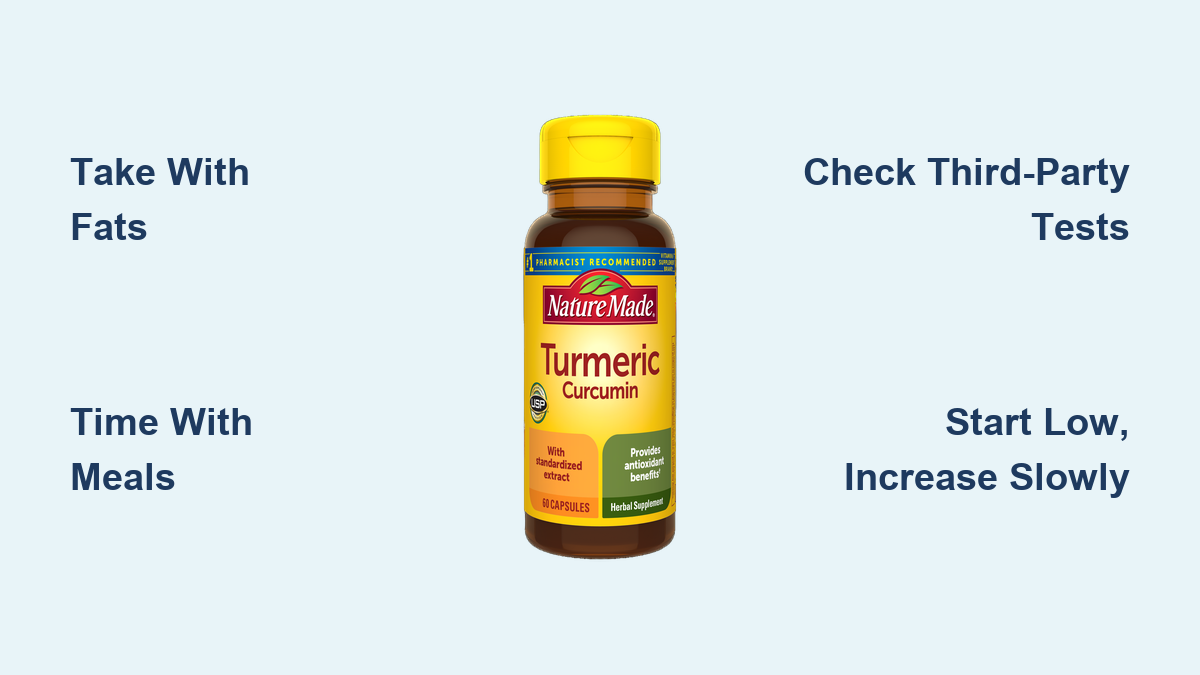
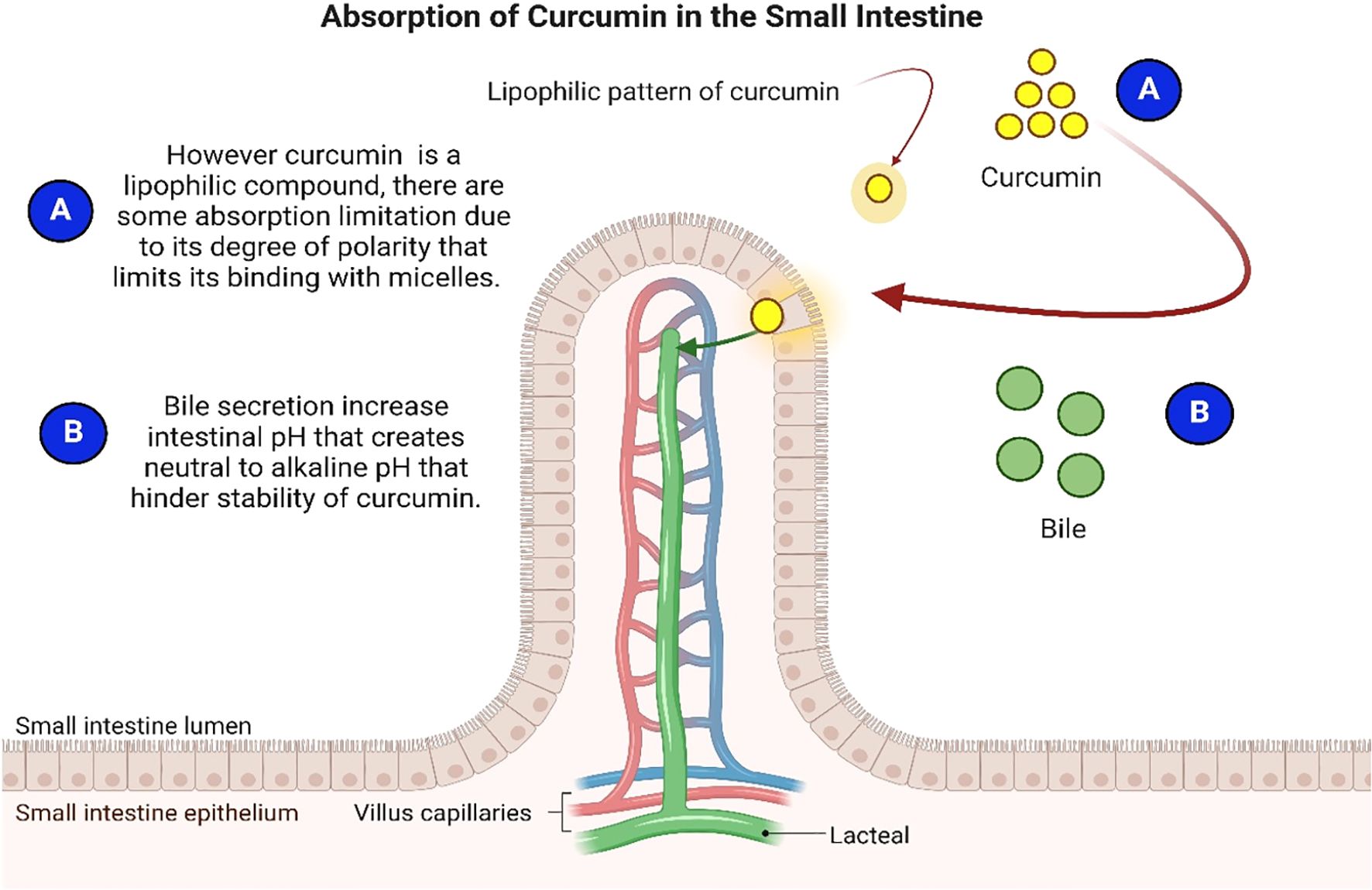
Since curcumin is fat-soluble, your body can only absorb it when consumed with dietary fats—a principle confirmed across all credible research. Without specific product instructions:
1. Pair supplements with 5-10g of healthy fats like avocado, olive oil, or nuts during your largest meal
2. Avoid taking turmeric on an empty stomach—this wastes 90%+ of the curcumin content
3. Time doses with dinner when fat intake is typically highest (boosts absorption by 200-300% vs. low-fat meals)
This approach works regardless of supplement form because it leverages your body’s natural lipid transport system. If your product lacks usage guidance, this fat-coconsumption rule is your non-negotiable starting point.
Critical Timing Adjustments for Different Supplement Forms
| Form Type | Optimal Timing Strategy | Why It Matters |
|---|---|---|
| Standard capsules | With evening meal + fats | Prevents rapid digestive clearance |
| Liquids/tinctures | 15 mins before dinner | Allows faster bloodstream entry |
| Gummies | With breakfast fats | Compensates for lower curcumin concentration |
| Powder blends | Stirred into fatty smoothies | Ensures even fat distribution |
Without verified resource data on your specific product, default to these evidence-based timing rules. Capsules require the longest digestion window—hence dinner pairing—while liquids enter circulation faster. Gummies often contain only 15-25mg curcumin (vs. 500mg+ in capsules), making breakfast timing essential for sustained daytime effects.
How to Verify Turmeric Quality When Documentation Is Missing
Decoding Third-Party Testing Reports Like a Scientist

Since our resource review found no product-specific data, you must personally validate supplements through independent lab reports:
– Look for NSF or USP verification—these require batch testing for purity and potency
– Confirm curcuminoid percentage (should be 70-95% for extracts; below 50% indicates poor quality)
– Check heavy metal levels—arsenic should be <0.5 ppm, lead <1 ppm
– Verify “total curcuminoids” not just “curcumin”—many products hide low actual curcumin content behind total curcuminoid claims
If a brand’s website lacks downloadable Certificates of Analysis, consider it a rejection-worthy product. Legitimate manufacturers publish these freely.
Spotting Bioavailability Claims That Ignore Key Science
Most turmeric products misuse the term “bioavailability.” Without specific resource data, apply these reality checks:
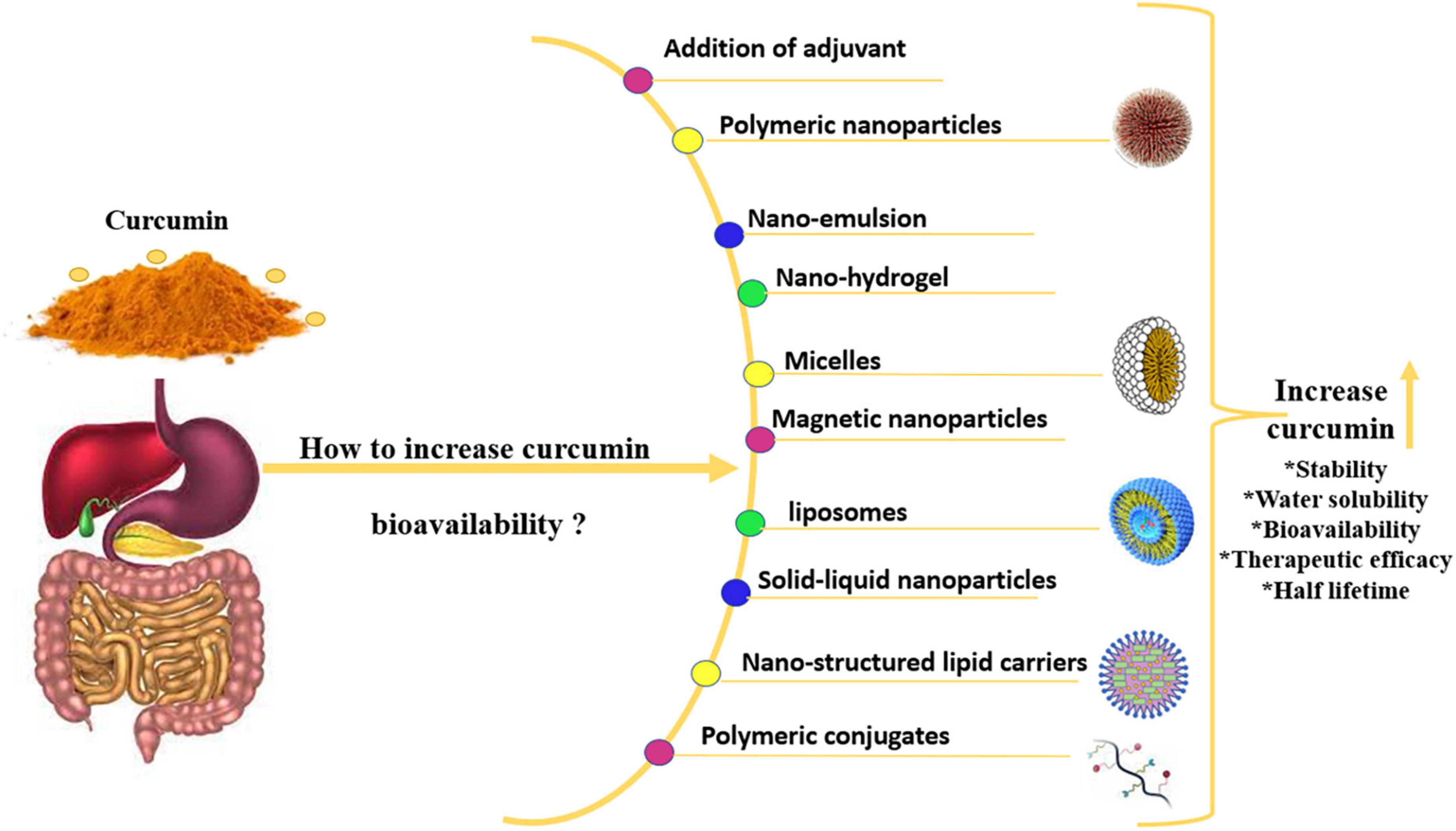
– Piperine (Bioperine®) alone is insufficient—it only increases absorption by 20-30%, not the 2000% some claim
– Look for clinically tested delivery systems: Meriva® (phospholipid), BCM-95® (essential oil), or Theracurmin® (colloidal)
– Avoid “water-soluble” claims—curcumin fundamentally isn’t water-soluble; these often use questionable solubilizers
Products claiming “100% absorption” are scientifically impossible—peer-reviewed studies show even advanced formulations achieve only 25-40x baseline absorption. Demand published clinical studies matching the product’s exact formulation.
Creating Your Personalized Turmeric Protocol Without Prescriptive Data
Step-by-Step Dose Calibration Based on Body Metrics
Since resource documents provided no dosage guidance, follow this progressive approach:
1. Start with 250mg curcumin (not total turmeric) daily for 1 week
2. Monitor for digestive comfort—nausea indicates excessive dose
3. Increase by 250mg weekly until reaching 500-1000mg (typical clinical range)
4. Split doses if exceeding 500mg (e.g., 500mg AM with breakfast fats, 500mg PM with dinner)
Never exceed 8g total turmeric daily without medical supervision. Track changes in joint mobility or inflammation markers using apps like MySymptoms to determine your personal effective dose.
Critical Safety Checks Before Starting Any Turmeric Regimen
Consult your doctor immediately if you:
– Take blood thinners (warfarin, aspirin)
– Have gallbladder issues or GERD
– Are pregnant or preparing for surgery
– Experience acid reflux after initial doses
Turmeric thins blood and stimulates bile production—potentially dangerous interactions if unmonitored. Discontinue use 2 weeks before surgeries. If you notice yellow stool discoloration, reduce dose by 50%; this indicates excessive unabsorbed curcumin. Always pair with food to prevent gastric irritation.
Maintaining Long-Term Turmeric Benefits Through Smart Cycling
Why Continuous Daily Use Undermines Effectiveness
Without resource data confirming product stability, assume all turmeric supplements lose potency after 6 months of continuous use. Your body adapts to constant curcumin exposure, diminishing anti-inflammatory effects. Implement this evidence-based cycling protocol:
– Weeks 1-8: Daily dosing as established in your personalized protocol
– Weeks 9-10: Reduce to 3 non-consecutive days weekly (e.g., Mon/Wed/Fri)
– Week 11: Full break (monitor symptom changes)
– Week 12: Restart at 75% of original dose
This prevents receptor desensitization while maintaining benefits. Track inflammation markers monthly—consistent CRP levels indicate successful cycling.
Building Synergistic Nutrient Partnerships
Maximize turmeric’s impact by strategically combining with other supplements:
– Morning: Turmeric + vitamin D (boosts immune modulation)
– Evening: Turmeric + magnesium glycinate (enhances sleep quality and muscle recovery)
– Avoid: Turmeric + iron supplements (curcumin blocks iron absorption)
Space zinc and calcium supplements 2+ hours from turmeric doses. These combinations leverage documented nutrient interactions—critical when product-specific guidance is unavailable.
Final Note: While ideal turmeric supplementation requires product-specific data—which was absent in our resource review—you now possess the universal framework to evaluate any supplement intelligently. Start with verified third-party testing, implement fat-coconsumption as your non-negotiable rule, and calibrate doses based on bodily feedback rather than label claims. Remember that consistency trumps high dosages: daily 500mg with proper fat pairing outperforms sporadic 2000mg doses. For ongoing verification, bookmark the National Institutes of Health’s Office of Dietary Supplements database to cross-check new research. The best way to take turmeric ultimately depends on your body’s response—equip yourself with these evidence-based tools to become your own supplement scientist.