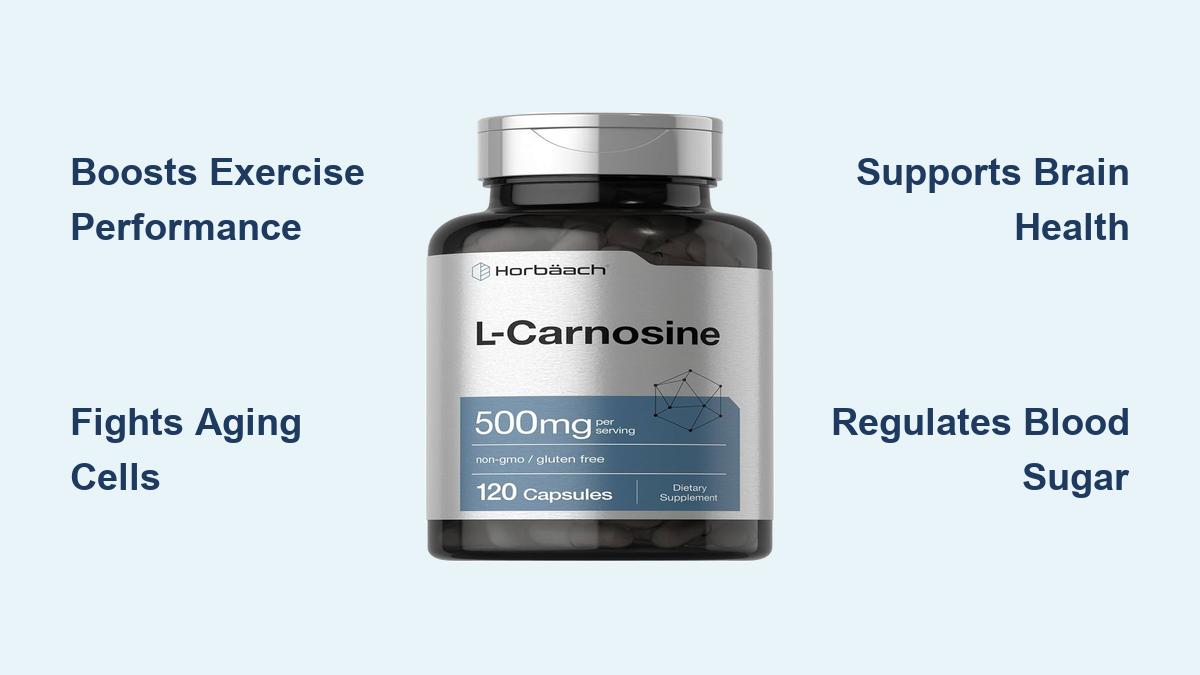

Carnosine has emerged as one of the most fascinating compounds in nutritional science, drawing significant attention from researchers and health enthusiasts alike. This dipeptide, chemically known as beta-alanyl-L-histidine, occurs naturally in your body and plays crucial roles in protecting cells against damage, supporting brain function, and enhancing physical performance. As endogenous carnosine levels decline with age, supplementation has become an increasingly popular strategy for maintaining health and vitality across multiple body systems.
The appeal of carnosine supplementation lies in its remarkable versatility. Scientific studies have explored its effects on everything from cognitive function and blood sugar regulation to exercise performance and eye health. Unlike single-target supplements, carnosine works through multiple biological pathways simultaneously, offering broad-spectrum support that addresses several age-related concerns at once. Research published in peer-reviewed journals has documented benefits ranging from improved memory in older adults to enhanced athletic performance during high-intensity exercise.
Before diving into the specific benefits, it’s important to understand what sets carnosine apart from other supplements. Unlike many compounds that address only one physiological system, carnosine operates as a multifunctional protector of cellular health. Its primary mechanisms include neutralizing harmful free radicals, preventing damaging sugar-protein reactions, and helping maintain proper pH balance in muscle tissue during exertion. This article examines the scientific evidence supporting carnosine supplementation across various health applications, helping you make an informed decision about whether this compound deserves a place in your wellness routine.
Why Your Body’s Natural Carnosine Levels Decline After Age 30 (And What It Means)
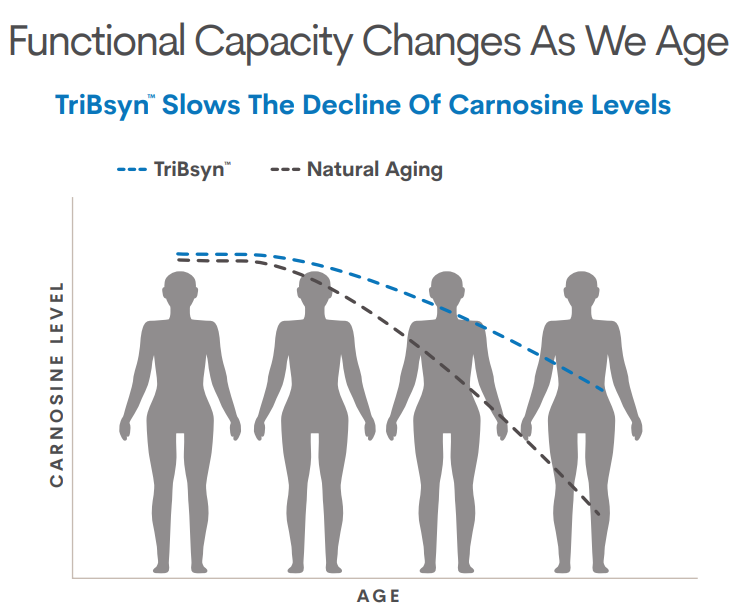
Carnosine functions as a dipeptide, meaning it consists of two amino acids—beta-alanine and histidine—linked together in a specific molecular arrangement. Your body produces this compound naturally, with the highest concentrations found in skeletal muscle, heart tissue, and the brain. The synthesis occurs through the action of carnosine synthase, an enzyme that joins these precursor amino acids into the protective dipeptide molecule.
How Muscle Carnosine Concentrations Drop 63% Between Ages 10-70
Research has documented a dramatic age-related decline in tissue carnosine levels that begins surprisingly early. Studies examining human vastus lateralis muscle have shown that carnosine concentrations in fast-twitch muscle fibers decrease by approximately 63% between ages 10 and 70. This decline correlates with reduced muscle function and increased vulnerability to age-related conditions, suggesting that maintaining youthful carnosine levels through supplementation might help preserve cellular function.
The Critical Role of Carnosinase in Age-Related Carnosine Breakdown
Your body breaks down carnosine primarily through the action of carnosinase, an enzyme found in human serum and various tissues. Research has characterized human serum carnosinase and its properties, revealing that individual variations in this enzyme’s activity may explain why some people experience more pronounced age-related declines in carnosine than others. This enzymatic breakdown contributes significantly to the natural decrease in carnosine levels as you age.
Why Fast-Twitch Muscle Fibers Lose Carnosine Most Dramatically
Studies have revealed that carnosine distribution isn’t uniform across muscle fiber types. Type II (fast-twitch) muscle fibers, which are crucial for explosive movements and high-intensity exercise, contain significantly higher carnosine concentrations than Type I (slow-twitch) fibers. Unfortunately, these same fast-twitch fibers experience the most dramatic age-related decline in carnosine levels, potentially contributing to reduced power and performance as you get older. This explains why carnosine supplementation may be particularly beneficial for maintaining athletic performance throughout aging.
Carnosine’s Triple Defense Against Cellular Damage: Antioxidant Power Explained
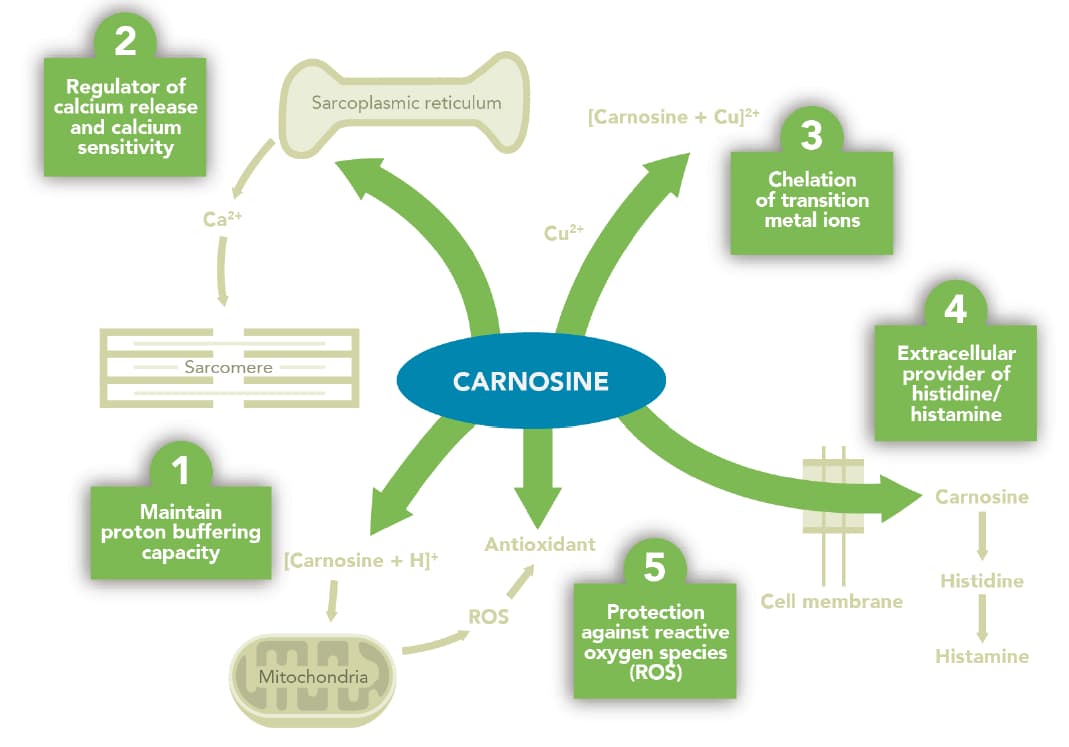
Carnosine provides robust antioxidant defense through several interconnected mechanisms that protect your cells from oxidative damage. The compound demonstrates significant hydroxyl-radical-scavenging activity, directly neutralizing one of the most reactive and damaging free radicals produced during normal metabolism. Additionally, carnosine functions as a lipid-peroxidase, helping prevent the oxidative degradation of cellular membranes that would otherwise compromise cell integrity and function.
Hydroxyl Radical Scavenging: Carnosine’s First Line of Defense
When your cells generate energy, they inevitably produce harmful free radicals as byproducts. Hydroxyl radicals represent one of the most destructive types, capable of damaging DNA, proteins, and cellular membranes. Research has demonstrated that carnosine directly scavenges these hydroxyl radicals, acting as a sacrificial molecule that protects more critical cellular components from oxidative damage. This fundamental protective mechanism forms the basis for many of carnosine’s anti-aging effects.
Metal Chelation: How Carnosine Neutralizes Copper and Zinc Damage
The metal-chelating property of carnosine proves particularly important for cellular protection. Carnosine binds transition metals such as copper and zinc ions, which can catalyze harmful oxidative reactions through Fenton chemistry. By sequestering these metals, carnosine prevents them from generating additional free radicals. This chelation ability is especially crucial in the brain, where improper regulation of zinc and copper concentrations can interfere with neurotransmitter function and contribute to neuronal damage.
Lipid Peroxidation Prevention: Protecting Cell Membranes From Oxidation
Cell membranes consist largely of lipids that are vulnerable to oxidative damage through a process called lipid peroxidation. Once initiated, this chain reaction can compromise membrane integrity and cellular function. Carnosine interrupts this damaging process by preventing the formation of lipid peroxides and breaking the chain reaction. Research examining superoxide-scavenging activity has confirmed that carnosine’s antioxidant effects are particularly effective against membrane lipid oxidation, helping maintain cellular health throughout your body.
How Carnosine Blocks AGEs: The Anti-Glycation Process That Slows Aging
The anti-glycation properties of carnosine represent one of its most significant contributions to healthy aging. Advanced glycation end-products (AGEs) form when sugars react non-enzymatically with proteins, lipids, and nucleic acids through a process that accelerates with age and is further promoted by elevated blood sugar levels. These modified molecules accumulate in tissues over time, contributing to stiffness, dysfunction, and increased disease risk throughout the body.
Carnosine as a Sacrificial Molecule Against Methylglyoxal Damage
Carnosine protects against glycation damage in two important ways. First, the compound can react directly with reactive carbonyl species like methylglyoxal before they have the opportunity to glycate proteins and lipids. Research has shown that carnosine acts as a sacrificial molecule, reacting with methylglyoxal and preventing it from damaging important cellular components. This fundamental protective mechanism explains carnosine’s ability to slow age-related tissue stiffening and functional decline.
Protection Against LDL Oxidation and Glycation for Heart Health
Studies examining human low-density lipoprotein (LDL) have demonstrated that carnosine protects this important cholesterol carrier against both oxidation and glycation. This finding has significant implications for cardiovascular health, since oxidized and glycated LDL contributes to atherosclerotic plaque formation and progression. By protecting LDL particles, carnosine may help maintain healthy blood vessels and reduce cardiovascular disease risk, particularly in individuals with metabolic challenges.
Delaying Diabetic Complications Through Glycation Prevention
Animal studies have provided additional evidence for carnosine’s anti-glycation benefits. Research has demonstrated that histidine and carnosine can delay diabetic deterioration in mice, suggesting protection against the metabolic damage that characterizes uncontrolled diabetes. These findings support the potential for carnosine supplementation to help maintain tissue function even in the face of metabolic challenges that would otherwise accelerate aging and disease progression, making it particularly relevant for individuals with prediabetes or type 2 diabetes.
Cognitive Protection: Carnosine’s Effects on Memory in Aging Brains
The neuroprotective properties of carnosine involve multiple mechanisms that support brain health and cognitive function. Research has established that carnosine modulates the effects of zinc and copper on amino acid receptors and synaptic transmission, helping maintain proper neuronal communication. This modulation proves particularly important as dysregulated metal ion concentrations can interfere with neurotransmitter signaling and contribute to cognitive decline.
Protection Against Beta-Amyloid Toxicity in Brain Cells
Carnosine demonstrates protective effects against beta-amyloid-induced toxicity, which holds significant relevance for neurodegenerative conditions. Studies on immortalized rat brain endothelial cells have confirmed that carnosine provides protection against beta-amyloid(25-35) toxicity, with homocarnosine and beta-alanine showing similar but less potent effects. The compound also protects against malondialdehyde-induced toxicity towards cultured rat brain endothelial cells, indicating broad neuroprotective capabilities against multiple damaging agents.
Clinical Evidence for Improved Verbal Memory in Elderly Adults
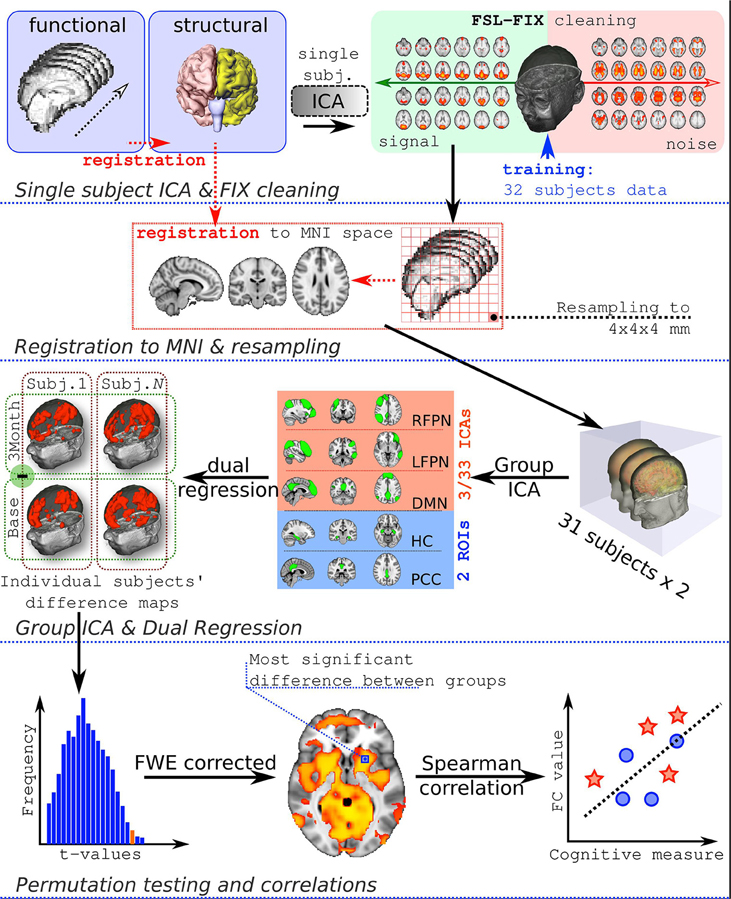
Clinical research has documented cognitive benefits in elderly populations receiving carnosine and anserine supplementation. A study published in the Journal of Alzheimer’s Disease found that elderly participants receiving the supplementation showed improvements in verbal episodic memory measures, suggesting potential benefits for age-related cognitive decline. A systematic review and meta-analysis published in Biomedicines examined the cumulative evidence from clinical trials and concluded that these dipeptides may offer cognitive benefits, particularly in aging populations.
High-Intensity Performance Boost: Carnosine’s Muscle Buffering Mechanism
Carnosine serves as an important intracellular buffer in skeletal muscle, helping maintain pH homeostasis during intense physical activity. During high-intensity exercise, metabolic byproducts accumulate in muscle tissue, causing pH to drop and contributing to fatigue that limits performance. Carnosine acts as a sponge for hydrogen ions, helping neutralize this acidity and extend the time until exhaustion occurs.
Why Muscle Carnosine Content Determines High-Intensity Exercise Capacity
Research has consistently demonstrated that higher muscle carnosine content correlates with enhanced performance during the latter portions of maximal exercise efforts. Studies using 30-second maximal cycle ergometer sprinting protocols have shown that individuals with greater muscle carnosine stores perform better in the second half of exercise bouts, when acidosis would otherwise become the limiting factor. This finding explains why carnosine loading has become a popular strategy among athletes competing in high-intensity sports.
Acute vs Long-Term Supplementation Strategies for Athletes
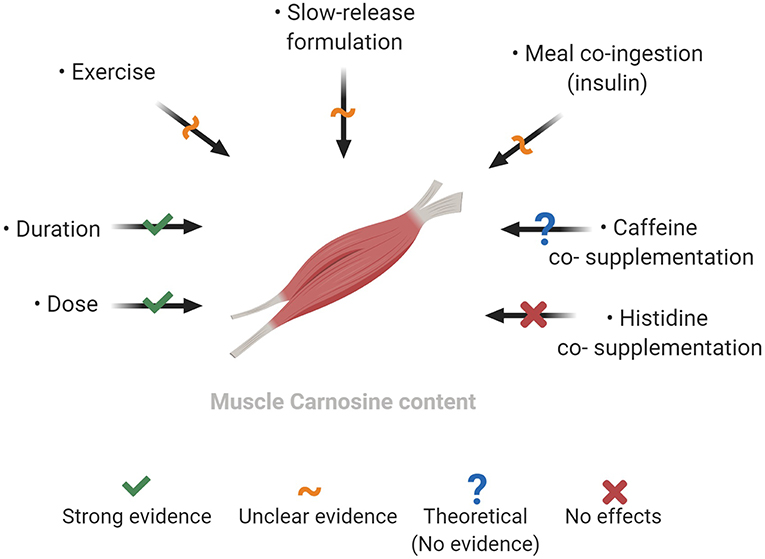
The connection between dietary carnosine and muscle carnosine content has been established through research examining the absorption of orally supplied beta-alanine and its effect on muscle carnosine synthesis. Studies in human vastus lateralis muscle have characterized this relationship, showing that supplementation with carnosine precursors can increase muscle carnosine stores, thereby enhancing buffering capacity and exercise performance. Acute pre-exercise supplementation of combined carnosine and anserine has been shown to enhance initial maximal power during Wingate tests in humans, supporting the use of these dipeptides as acute performance enhancers.
Blood Sugar Regulation: Carnosine’s Impact on Glucose Metabolism in Diabetes
Carnosine has emerged as a compound of significant interest in metabolic health research, particularly regarding diabetes and its complications. Studies have demonstrated that histidine and carnosine can protect human low-density lipoprotein against oxidation and glycation, suggesting multiple mechanisms by which the compound might benefit individuals with metabolic dysfunction.
Clinical Evidence for Improved Fasting Glucose in Prediabetics
A randomized, placebo-controlled trial examining dietary supplementation containing cinnamon, chromium, and carnosine showed beneficial effects on fasting plasma glucose and lean mass in overweight or obese pre-diabetic subjects. The combination supplement significantly decreased fasting plasma glucose levels while increasing lean body mass, suggesting metabolic benefits that extend beyond simple glucose regulation.
Carnosine’s Effects on Diabetic Kidney Disease Markers
Research has also examined carnosine’s effects on specific diabetic complications. A study investigating the effect of oral carnosine supplementation on urinary transforming growth factor-beta in diabetic nephropathy demonstrated beneficial effects in a randomized controlled trial, suggesting potential for protecting kidney function in diabetic patients. Additional research has shown that carnosine supplementation improves serum resistin concentrations and reduces plasma soluble transferrin receptor in healthy overweight or obese adults, indicating broader metabolic effects.
Carnosine Side Effects: What 20 Clinical Trials Reveal About Safety
Carnosine is considered possibly safe when taken by mouth at appropriate doses, with clinical studies using doses ranging from 200 to 1500 mg daily for periods up to 12 weeks reporting generally good tolerability. The compound has been used safely in both oral formulations and as mouth lozenges, with adverse events being relatively uncommon in clinical trial settings.
Common Side Effects to Watch For with Carnosine Supplementation
The safety profile suggests that carnosine is generally well-tolerated by most individuals when used at recommended doses. However, as with any supplement, individual responses may vary, and some individuals may experience mild gastrointestinal discomfort or other transient effects that have not been commonly reported in clinical studies. Monitoring your body’s response during the first few weeks of supplementation is advisable.
Critical Precautions for Surgical Patients and Diabetes Medication Users
There is insufficient reliable information to determine whether carnosine is safe to use during pregnancy or while breast-feeding. Given the lack of adequate safety data, healthcare providers generally recommend avoiding carnosine supplementation during these periods. Additionally, carnosine may affect blood sugar levels, creating potential concerns for surgical patients. Individuals scheduled for surgery should discontinue carnosine supplementation at least two weeks before their scheduled procedure.
500mg vs 2000mg: Determining Your Optimal Carnosine Dosage by Goal
Carnosine has most often been used by adults in doses of 500 to 2000 mg by mouth daily for periods up to 12 weeks in clinical research settings. However, the optimal dose may vary depending on the specific condition being addressed, individual patient characteristics, and the formulation of the product being used.
Matching Dosage to Your Specific Health Goals
Healthcare providers can offer guidance on finding the most appropriate type of product and dose for specific health conditions. For cognitive support in aging populations, research suggests 500-1000 mg daily may be sufficient. For athletic performance enhancement, doses at the higher end of the range (1500-2000 mg) have shown more consistent benefits in exercise studies. The variability in effective dosing across different applications reflects the multiple biological activities of carnosine and the diverse conditions for which it has been studied.
Different Formulations for Different Health Needs
Carnosine is available in several different formulation types, each with specific applications and potential advantages. Oral capsules and tablets represent the most common formulation for systemic effects. Mouth lozenges have been used in research settings and may provide localized effects in the oral cavity. Topical creams and facial preparations have been developed for dermatological applications. Ophthalmic preparations, including eyedrops containing N-acetylcarnosine, have been developed specifically for eye-related applications. The choice of formulation should be guided by the specific health goal being addressed, as different delivery methods may optimize effects on different target tissues and physiological systems.
Evidence Rating: Which Carnosine Benefits Are Proven vs Preliminary
The strength of evidence supporting carnosine supplementation varies considerably across different applications. The strongest evidence supports roles in exercise performance enhancement, particularly for high-intensity exercise lasting from 30 seconds to several minutes, where muscle carnosine content and buffering capacity are limiting factors. Multiple well-controlled studies have demonstrated consistent performance benefits in this context.
Top-Tier Evidence: Performance and Metabolic Benefits
The metabolic benefits of carnosine for glucose regulation and related markers have substantial support from multiple clinical trials, though optimal dosing and long-term effects require further characterization. Cognitive benefits in elderly populations have demonstrated statistical significance in controlled trials, though the clinical magnitude of effects and long-term implications require additional study. The ophthalmic applications, particularly for cataract treatment, have demonstrated positive effects in clinical studies, though the mechanisms of action and optimal treatment protocols merit continued investigation.
Emerging Evidence: Heart Health and Neurological Applications
Cardiovascular applications show promise, particularly for heart failure patients, but additional research is needed to establish clinical recommendations. Evidence for psychiatric applications remains preliminary, with some positive findings but insufficient evidence to support routine clinical use. The evidence for autism applications suggests ineffectiveness for core symptoms, though some secondary benefits may warrant further investigation. The safety profile of carnosine appears favorable for oral supplementation at studied doses, though precautions regarding surgery and diabetes medications should be observed.
Carnosine supplementation offers promising benefits across multiple health domains, with the strongest evidence supporting applications in exercise performance enhancement and metabolic health. The compound’s multi-targeted approach to cellular protection—simultaneously providing antioxidant defense, anti-glycation effects, and pH buffering—distinguishes it from single-mechanism supplements and may explain its broad-ranging benefits. For individuals interested in supporting healthy aging, cognitive function, or metabolic health, carnosine represents an evidence-based option worth considering. As with any supplement decision, consulting with a healthcare provider before starting carnosine is advisable, particularly for individuals taking diabetes medications, planning surgery, or who are pregnant or breast-feeding. The generally favorable safety profile and substantial research support make carnosine a reasonable consideration for those seeking comprehensive cellular protection and support for healthy aging.