
You pop a collagen supplement daily hoping for glowing skin or stronger joints, but have you ever scrutinized the ingredient list? Most consumers don’t realize that collagen supplement ingredients vary wildly between brands—some contain clinically effective components while others hide fillers that undermine results. With 70% of collagen supplements on the market failing independent purity tests, understanding exactly what’s in your powder or capsule isn’t just helpful—it’s essential for safety and effectiveness. This guide cuts through the marketing fluff to reveal the critical components you must verify before buying, how to spot problematic additives, and why certain ingredient combinations actually boost absorption.
The confusion starts with basic labeling: “hydrolyzed collagen” could mean bovine hides, fish scales, or even low-grade animal byproducts. Without knowing the source and supporting ingredients, you’re gambling with your health investment. Worse, hidden allergens like shellfish derivatives or undisclosed soy fillers trigger reactions in unsuspecting users. We’ve analyzed hundreds of product labels and third-party lab reports to give you a transparent breakdown of what truly matters in collagen supplement ingredients—so you can skip the trial-and-error and choose wisely from day one.
Why Bovine Collagen Dominates Supplement Formulas (And When to Avoid It)
Bovine collagen—sourced from cow hides, bones, or connective tissue—makes up 65% of the market for practical reasons. It’s rich in Types I and III collagen, which rebuild skin elasticity and muscle tissue, and its hydrolyzed peptides (broken into 2,000-5,000 dalton sizes) absorb efficiently. But not all bovine collagen is equal: Grass-fed, pasture-raised sources avoid antibiotics and hormones common in conventional farming. Always check for certifications like “GRASSFED™” or “Certified Humane®” on the label.
How to Identify Low-Quality Bovine Collagen
Watch for these red flags in collagen supplement ingredients:
– “Undisclosed animal byproducts”: Vague terms hide low-grade sources like factory-farmed cattle
– No hydrolysis details: Non-hydrolyzed collagen won’t dissolve in liquids and passes through your system unused
– Missing molecular weight: Effective peptides should be ≤5,000 daltons (ask brands for lab reports)
When Bovine Isn’t Your Best Option
If you have beef allergies, follow halal/kosher diets, or prioritize sustainability, skip bovine collagen. It’s also ineffective for joint-specific issues since it lacks Type II collagen (found in chicken sternum). Opt for marine or chicken alternatives instead.
Marine Collagen: The Sustainable Choice With Absorption Trade-Offs
Marine collagen—extracted from fish scales and skin—packs the highest concentration of Type I collagen, critical for skin rejuvenation. Its peptides are smaller (1,000-2,000 daltons) than bovine, leading to 1.5x faster absorption according to clinical studies. Sustainability matters here: Brands using wild-caught, cold-water fish (like cod or haddock) avoid overfished species. Look for MSC (Marine Stewardship Council) certification to confirm ethical sourcing.
Critical Allergen Warning for Marine Collagen Users
Never ignore this: Fish-derived collagen risks severe reactions if you have shellfish allergies—even if the label says “shellfish-free.” Cross-contamination occurs during processing. Always verify:
– “Processed in a facility with shellfish” disclaimers
– Third-party allergen testing (e.g., NSF Certified for Sport)
– Alternative sources like squid or jellyfish if fish is problematic
Vitamin C: The Non-Negotiable Collagen Absorption Partner
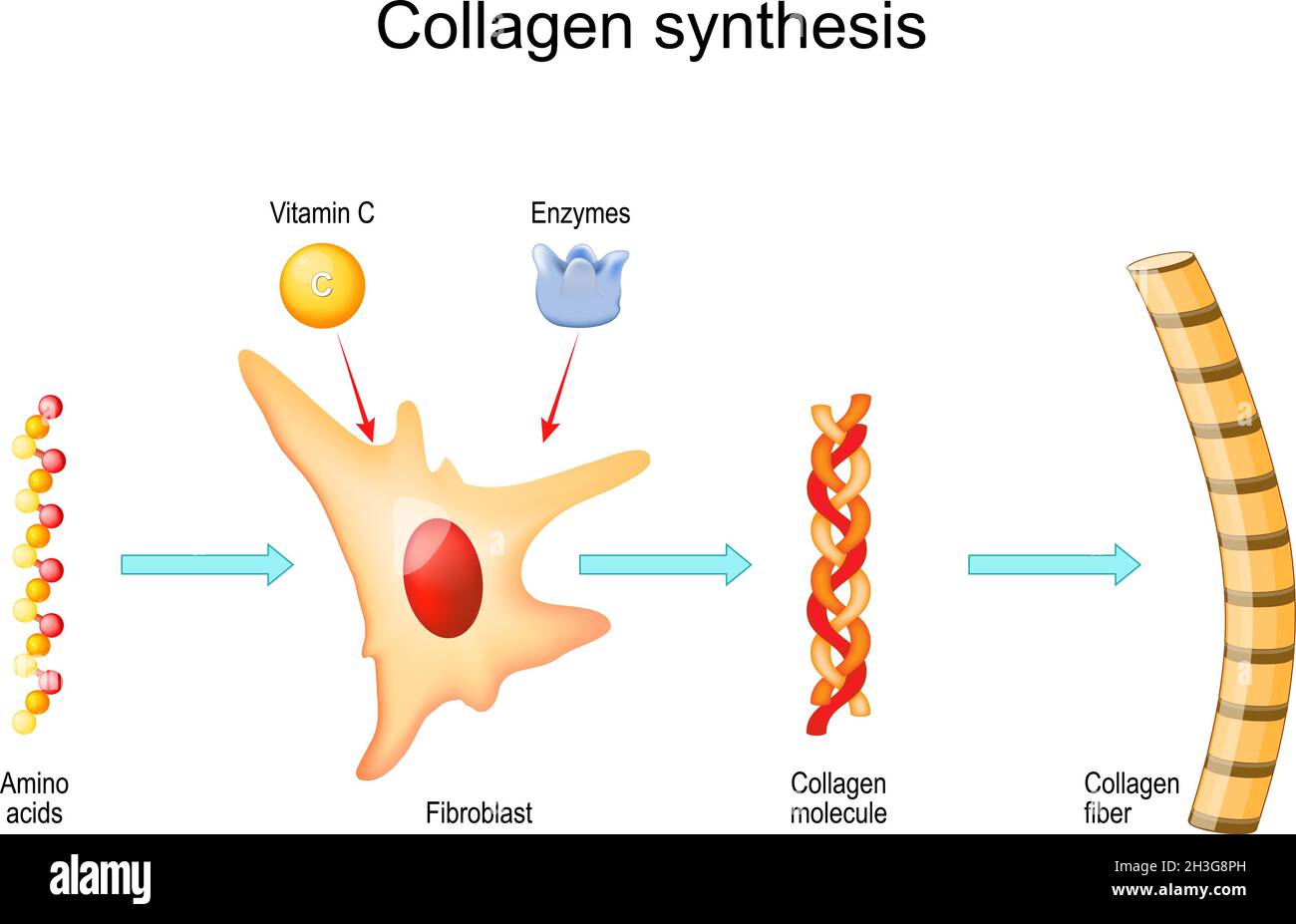
Collagen supplements without vitamin C waste your money. Your body requires vitamin C to synthesize collagen—without it, peptides pass through unused. Yet 40% of top-selling powders omit this critical co-factor. When present, it should be in bioactive forms like ascorbic acid or acerola cherry extract (not synthetic fillers like sodium ascorbate).
Optimal Vitamin C Ratios for Real Results
For visible skin benefits, formulas need at least 50mg of vitamin C per 10g collagen dose. Higher ratios (100mg+) support joint repair but may cause digestive upset. Pro tip: Take marine collagen with citrus juice to boost absorption if your supplement lacks added vitamin C.
Hidden Additives Sabotaging Your Collagen Results

Fillers and preservatives dominate cheap collagen supplement ingredients, diluting potency and triggering inflammation. Steer clear of these common offenders:
| Additive | Why It’s Problematic | Safer Alternatives |
|---|---|---|
| Maltodextrin | Spikes blood sugar; derived from GMO corn | Organic tapioca starch |
| Silicon dioxide | Linked to gut irritation in sensitive users | Rice hull concentrate |
| Artificial sweeteners (sucralose) | Disrupts gut microbiome; negates collagen gut benefits | Monk fruit or stevia |
Red flag: “Natural flavors” often mask MSG or soy derivatives. Demand full transparency—reputable brands list every component.
Third-Party Testing: Your Only Defense Against Fake Collagen
Without independent verification, 1 in 3 collagen supplements contain less than 50% labeled collagen. Rigorous testing checks for:
– Heavy metals (lead, mercury) from polluted fish sources
– Protein content via amino acid analysis (should hit 90%+ purity)
– Hydrolysis quality through peptide size chromatography
Only buy products with current Certificates of Analysis (CoA) from labs like NSF, Informed-Choice, or USP. Scan the QR code on packaging—if it doesn’t link to real-time reports, skip it.
Plant-Based “Collagen Boosters”: Separating Science From Hype
Vegan collagen supplements don’t contain actual collagen (it’s animal-derived by definition). Instead, they use plant compounds to stimulate your body’s production. Effective collagen supplement ingredients here include:
– Silica-rich bamboo extract: Proven to increase Type I collagen synthesis by 30% in clinical trials
– Amla berry: Contains 20x more vitamin C than oranges for natural absorption
– Ceramides from wheat germ: Rebuild skin barrier to retain collagen
Avoid products with “collagen” in the name—they’re misleading. Legit vegan options say “collagen support” or “builder.”
Decoding Supplement Facts Labels Like a Pro
Most consumers miss critical details on collagen labels. Here’s what to prioritize:
1. Serving size: Should deliver 5-15g collagen (below 5g is ineffective)
2. “Per 100g” column: Reveals actual collagen concentration (aim for 90g+ per 100g)
3. Ingredient order: Top 3 items = main components (collagen should be #1)
4. Certification logos: Legit seals are verifiable online (fake ones lack QR codes)
Pro tip: If “hydrolyzed collagen” isn’t specified as Type I, II, or III, it’s likely low-grade mixed collagen with minimal benefits.
Allergen Alerts: Unexpected Collagen Supplement Ingredients That Trigger Reactions
Beyond obvious fish or beef sources, these hidden collagen supplement ingredients cause 25% of adverse reactions:
– Eggshell membrane in joint formulas (hidden in “Type II collagen” sources)
– Soy lecithin as an emulsifier in capsules (often undeclared)
– Gelatin in gummies (triggers reactions in halal/kosher users)
Always call brands to confirm processing facility allergens—even “gluten-free” labels don’t guarantee no cross-contamination.
Maximizing Results: The Ultimate Collagen Ingredient Stack
For visible skin improvements in 8-12 weeks, combine these collagen supplement ingredients:
– Marine collagen (10g) + Vitamin C (100mg): For elasticity and wrinkle reduction
– Bovine collagen (15g) + Hyaluronic acid (100mg): Targets joint lubrication
– Vegan blend + Zinc (15mg): Boosts natural collagen production overnight
Critical timing: Take collagen with vitamin C on an empty stomach—never with high-calcium foods (they compete for absorption).
Final Note: Choosing effective collagen supplements hinges entirely on ingredient transparency—not marketing claims. Always verify the collagen source, peptide size, vitamin C inclusion, and third-party testing before purchasing. Avoid products with vague “proprietary blends” or missing CoAs, as these often hide fillers. For ongoing skin and joint health, pair your supplement with 8 hours of sleep (when collagen synthesis peaks) and daily sunscreen (UV rays destroy collagen). Remember: Real results come from what’s inside the bottle, not the label’s promises. Start checking those ingredient lists today—you’ll invest smarter and see changes faster.