
Imagine waking up with that familiar burning sensation during urination, frequent urges to go, and discomfort that makes focusing on work or daily activities nearly impossible. For the 150 million people worldwide affected by urinary tract infections each year—most commonly women—this scenario repeats too often. While antibiotics have traditionally been the go-to solution, rising antibiotic resistance has left many searching for alternatives. D-mannose supplement benefits offer a scientifically supported approach that treats and prevents UTIs without contributing to this growing health crisis. This simple sugar molecule works by blocking bacteria from attaching to your bladder wall, effectively clearing pathogens through natural urine flow rather than killing them with antibiotics.
If you’re tired of the UTI-antibiotic cycle, experiencing side effects from medications, or simply want to understand your options for urinary health, d-mannose deserves your attention. This guide unpacks the clinical evidence behind d-mannose supplement benefits, explains exactly how it works to combat infections, and provides practical guidance for using it effectively. You’ll discover why this natural approach is gaining traction among healthcare providers and patients seeking sustainable solutions for urinary tract health.
Block Bacteria Attachment with D-Mannose
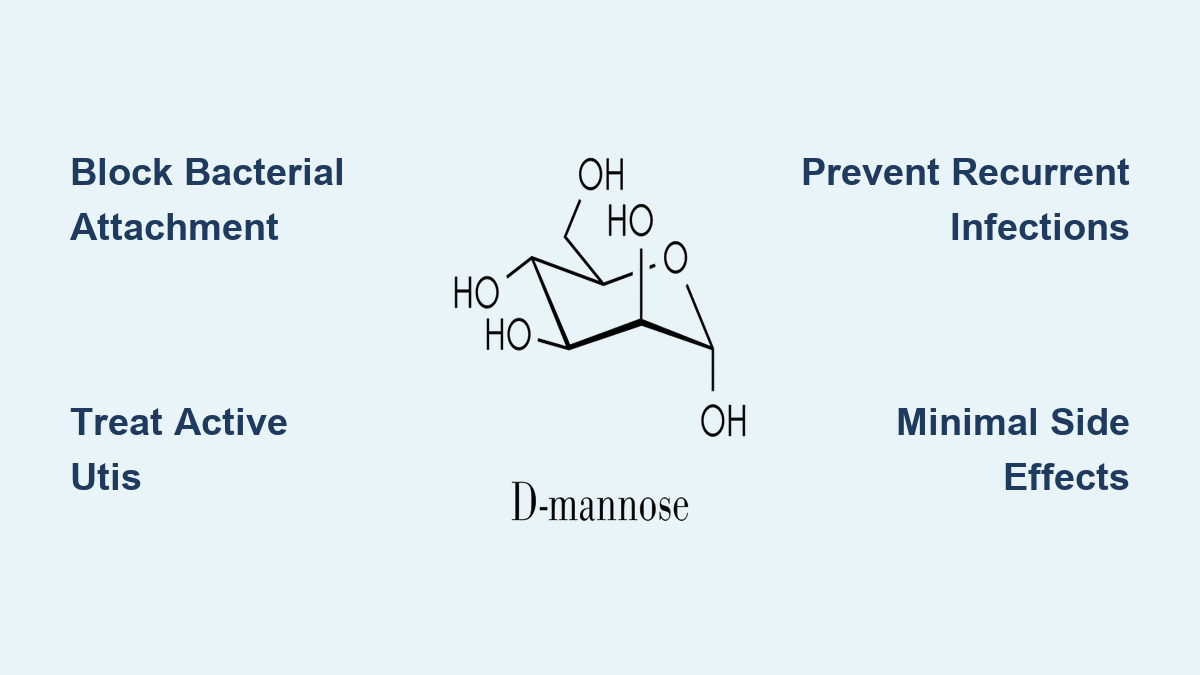
D-mannose stops UTIs before they can take hold by exploiting how bacteria infect your urinary tract. Uropathogenic bacteria, particularly E. coli (responsible for most UTIs), use hair-like structures called fimbriae to attach to your bladder wall. At the tip of these fimbriae sits a protein called FimH that specifically binds to mannose sugar molecules naturally present on your bladder cells. This attachment is critical—without it, bacteria would simply wash away with urine flow.
When you take d-mannose supplements, this sugar circulates in your urine and acts as a decoy for bacteria. The FimH proteins bind to the free-floating d-mannose instead of your bladder cells, preventing the bacteria from establishing an infection. Unlike antibiotics that kill bacteria and create resistance pressure, d-mannose simply blocks attachment—meaning no mechanism exists for bacteria to develop resistance to this approach. This makes d-mannose an increasingly valuable tool in our fight against antimicrobial resistance while providing effective UTI protection.
Treat Active UTIs with 91% Success Rate
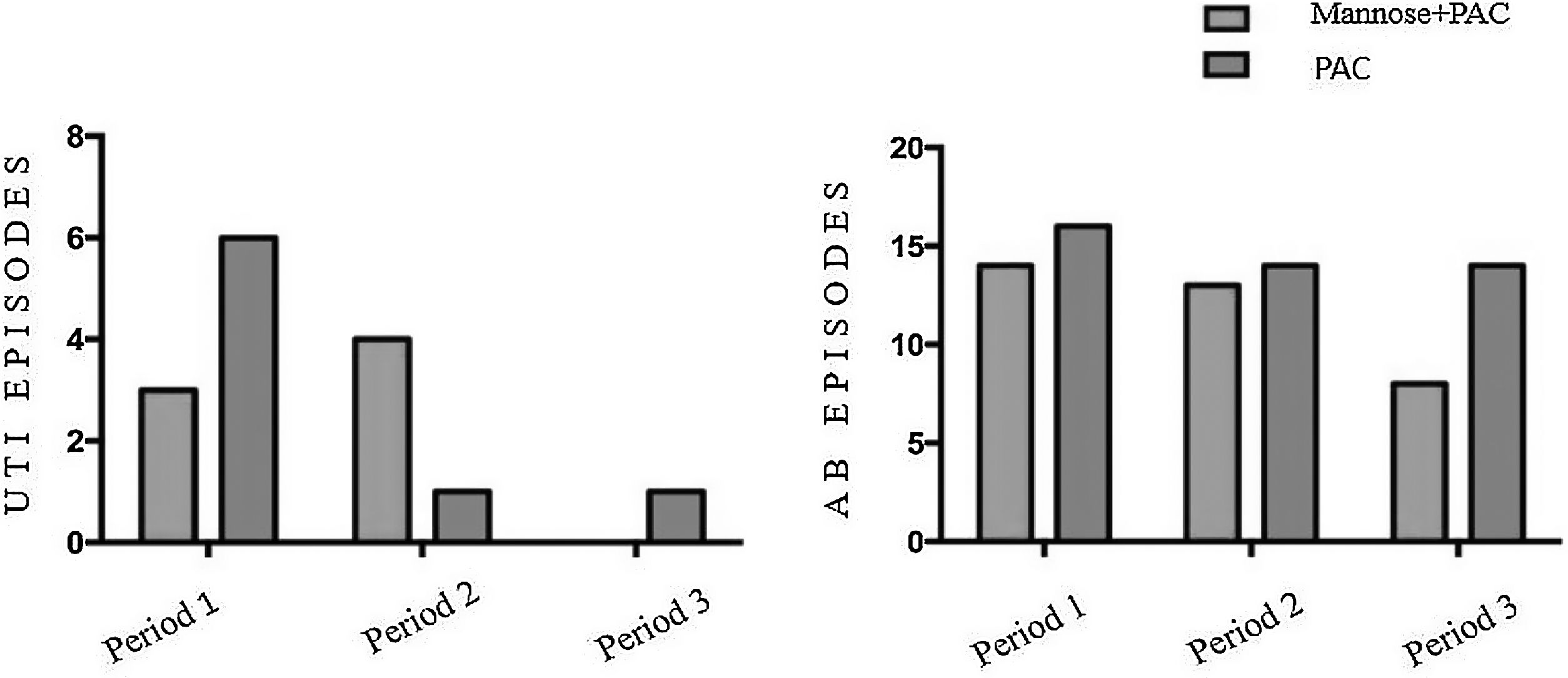
Clinical evidence demonstrates d-mannose effectively treats acute UTIs with results comparable to antibiotics. In a study of 97 women with uncomplicated UTIs, researchers administered 2 grams of d-mannose three times daily for three days, followed by twice-daily dosing for two more days. The results were impressive—85.7% of women showed significant improvement after just three days, with 92.9% completely healed by the end of treatment.
Using the standardized Acute Cystitis Symptom Score (ACSS), researchers calculated an estimated cure rate of 91.3% for d-mannose monotherapy. This matches or exceeds the 77-85% cure rates typically seen with common antibiotics like nitrofurantoin and fosfomycin. Most importantly, symptom relief comes quickly—women taking d-mannose experienced symptom scores dropping from 9.0 at baseline to 2.0 by day three and complete resolution (score of 0) by day four. If you recognize UTI symptoms early, starting d-mannose immediately gives you the best chance to avoid antibiotics entirely.
Slash Recurrence Rates for Chronic Sufferers
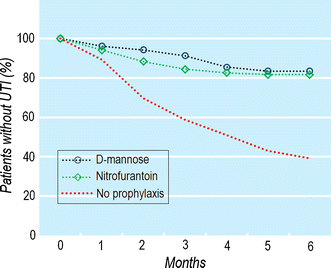
For the 20-30% of women who experience recurrent UTIs (three or more per year), d-mannose offers dramatic protection. In one pivotal study, researchers followed 308 women after initial antibiotic treatment for acute cystitis, assigning them to daily d-mannose (2 grams), daily nitrofurantoin (50 mg), or no prophylaxis. After six months, the recurrence rates told a compelling story:
- Only 14.6% of women taking d-mannose had another UTI
- 20.4% experienced recurrence in the nitrofurantoin group
- A striking 60.8% had recurrences with no prophylaxis
Another study using intermittent dosing (once daily for one week every other month) saw recurrence rates plummet to 4.5% compared to 33.3% in untreated women. The mean time to UTI onset also increased significantly—from 28 days without treatment to 43 days with d-mannose prophylaxis. If you’re caught in the frustrating cycle of recurrent infections, consistent d-mannose use can break that pattern while avoiding antibiotic side effects.
Match Antibiotic Efficacy Without Resistance Risk
How does d-mannose compare head-to-head with antibiotics? The evidence shows comparable effectiveness with critical safety advantages. Cure rate analysis reveals d-mannose monotherapy achieving 91.3% success—right in line with fosfomycin (83.8%) and nitrofurantoin (80.9%). Symptom resolution follows similar timelines, with d-mannose users seeing symptom scores drop from 51.7% at baseline to 5.6% by day four.
Where d-mannose truly shines is safety and resistance profile. In the same comparative study, 27.2% of women taking nitrofurantoin experienced side effects like diarrhea, nausea, and vaginal burning compared to only 7.8% in the d-mannose group. Most importantly, d-mannose works through a mechanical anti-adhesion process that doesn’t promote antibiotic resistance, making it an ideal first-line option for UTI management in our era of growing resistance concerns.
Experience Minimal Side Effects with D-Mannose
One of the most compelling d-mannose supplement benefits is its exceptional safety profile. Clinical studies consistently report minimal adverse events even during six months of continuous use. The most common side effect is mild gastrointestinal discomfort—typically diarrhea—that occurs in about 7-8% of users at preventive doses. These effects are usually dose-related and can often be managed by:
- Taking d-mannose with food
- Starting with a lower dose and gradually increasing
- Ensuring adequate water intake
Multiple studies, including those involving women with recurrent UTIs and patients with multiple sclerosis, reported no adverse events whatsoever during d-mannose administration. This excellent tolerability makes d-mannose particularly valuable for long-term prevention in women who previously couldn’t tolerate antibiotic prophylaxis due to side effects.
Optimize Your D-Mannose Dosing Protocol

Clinical research has established effective dosing protocols for both acute treatment and prevention. For active UTI treatment, two approaches have proven effective:
– 1.5 grams twice daily for three days, then once daily for ten days
– 2 grams three times daily for three days, followed by twice daily on days four and five
For recurrent UTI prevention, three successful regimens include:
– Daily 2-gram dosing as continuous prophylaxis
– 1 gram daily as ongoing prevention
– Intermittent dosing (once daily for one week every other month)
Start treatment at the first sign of symptoms for acute infections. For prevention, consistency matters more than timing—take your dose at the same time each day to establish a sustainable habit. Those new to d-mannose may want to begin with a lower dose (500mg-1g) and gradually increase to minimize any gastrointestinal adjustment period.
Identify If You’re an Ideal D-Mannose Candidate
Not everyone benefits equally from d-mannose supplementation. You’ll likely see the greatest d-mannose supplement benefits if you:
- Experience recurrent UTIs (three or more per year)
- Have had adverse reactions to antibiotics used for UTIs
- Want to minimize antibiotic exposure due to resistance concerns
- Have uncomplicated lower UTIs (cystitis) rather than kidney infections
Women represent the primary population benefiting from d-mannose due to their higher UTI incidence, though research suggests potential benefits for other groups. If you have structural urinary tract abnormalities, neurological conditions affecting bladder function, or suspected kidney infection (pyelonephritis), consult your healthcare provider before using d-mannose, as these situations typically require medical evaluation and conventional treatment.
Maximize Your D-Mannose Results
Get the most from your d-mannose regimen by following these evidence-based tips:
- Choose quality products from reputable manufacturers that specify D-mannose (not generic “mannose” blends)
- Take with plenty of water to ensure adequate distribution throughout your urinary tract
- Start immediately at the first UTI symptom for best treatment outcomes
- Combine with good hydration—aim for light-colored urine without excessive dilution
- Track your symptoms using a UTI symptom diary to assess effectiveness
Powder formulations offer dosing flexibility and potentially faster absorption, while capsules provide convenience. Pure d-mannose products have the strongest clinical evidence, though some formulations combine it with cranberry extract or probiotics for additional urinary support.
Know When D-Mannose Isn’t Enough
While d-mannose supplement benefits are substantial, recognize its limitations. D-mannose works best for uncomplicated lower UTIs caused by bacteria using mannose-sensitive adhesion (primarily E. coli). It’s not appropriate for:
- Upper urinary tract infections (pyelonephritis)
- UTIs with fever or severe symptoms
- Infections in men (typically classified as complicated)
- Patients with structural urinary abnormalities
Seek medical evaluation if symptoms worsen or fail to improve within 2-3 days of starting d-mannose. Long-term safety data beyond six months remains limited, so discuss extended use with your healthcare provider. D-mannose complements but doesn’t replace professional medical care when complications arise.
Start Your D-Mannose Journey Today
If you’re ready to harness d-mannose supplement benefits, take these actionable steps:
- For active UTIs: Begin d-mannose immediately using a clinically studied protocol (2 grams three times daily for three days)
- For prevention: Establish a consistent dosing routine that fits your lifestyle
- Track your progress: Note symptom patterns and recurrence intervals
- Consult your provider: Discuss integrating d-mannose into your overall health plan
With efficacy matching antibiotics, minimal side effects, and no contribution to resistance development, d-mannose represents a powerful tool for both treating acute UTIs and preventing recurrences. Whether you’re seeking alternatives to antibiotics or proactive support for urinary health, evidence confirms d-mannose supplement benefits make it a valuable addition to your wellness routine.