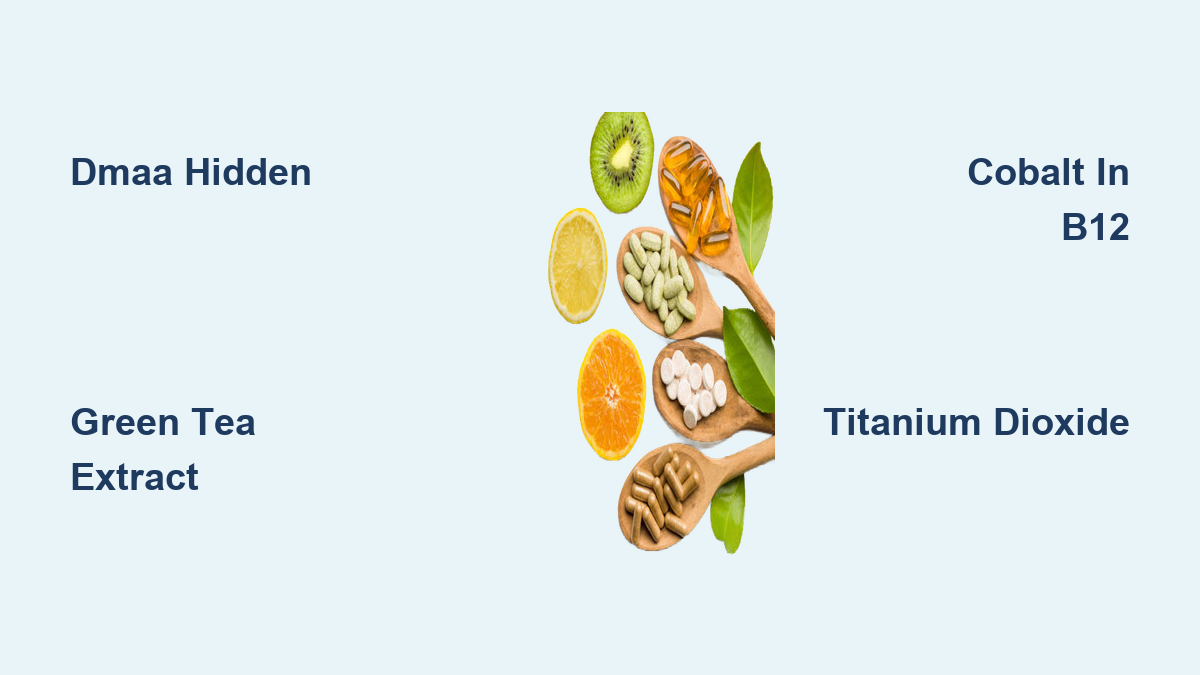

That bottle of vitamins or weight loss pills on your counter might contain substances more dangerous than the health problems they claim to solve. Every year, the FDA receives thousands of reports about harmful supplements containing everything from prescription drugs to industrial chemicals—ingredients that manufacturers often hide behind terms like “proprietary blend” or “natural extract.” Understanding which dangerous ingredients in supplements actually threaten your health could prevent hospitalization, organ damage, or worse. You’re not imagining things when you feel jittery after taking certain supplements or experience unexplained liver enzyme elevations—these reactions often trace back to hidden toxins slipping through regulatory cracks.
The supplement industry operates under a self-policing model where manufacturers decide what goes into products without pre-approval from the FDA. This creates dangerous loopholes where toxic substances appear in products marketed for weight loss, muscle building, and general wellness. This guide reveals exactly which dangerous ingredients to scan for on labels, how they damage vital organs, and crucial steps to protect yourself from supplements that could do more harm than good.
DMAA and Synthetic Stimulants Triggering Cardiac Emergencies
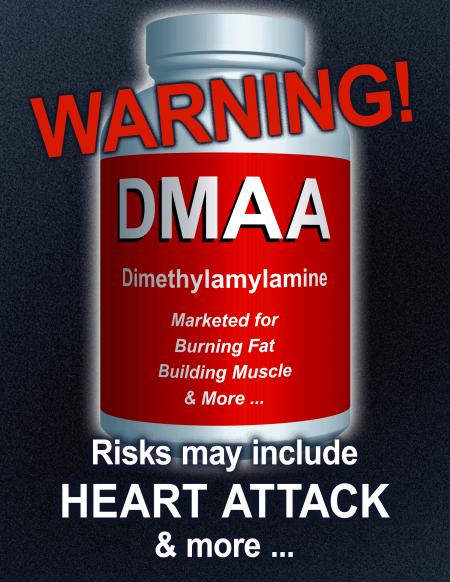
DMAA (1,3-Dimethylamylamine) continues appearing in energy and pre-workout supplements despite FDA warnings and documented cases of heart attacks. This synthetic stimulant constricts blood vessels and raises blood pressure to dangerous levels—military personnel have suffered strokes after taking products containing this ingredient. Manufacturers disguise DMAA as “geranium extract” or use similar compounds like BMPEA (β-methylphenethylamine), which mimics amphetamines and causes severe cardiovascular stress.
How to spot these dangerous stimulants:
– Check for “geranium oil,” “geranium stem,” or “geranium extract” on labels
– Avoid products promising “extreme energy” or “rapid fat burning”
– Be wary of supplements listing “proprietary blends” without full disclosure
Ephedra-related compounds still circulate in imported products despite being banned since 2004 after dozens of deaths. If you experience chest pain, palpitations, or severe headaches after taking supplements, seek medical attention immediately—these could indicate dangerous cardiac effects from hidden stimulants.
Green Tea Extract Liver Damage: The Hidden Risk in Weight Loss Pills
:max_bytes(150000):strip_icc()/SignsofLiverDamageandWaystoTell-final-d2f8ff9d20884a5ea35131a971b96dcb.png)
Green tea extract supplements cause more cases of acute liver failure than any other herbal product despite green tea itself being safe. The problem lies in concentrated EGCG (epigallocatechin gallate) extracts found in weight loss supplements, which overwhelm the liver’s processing capacity. The FDA has documented over 50 cases of liver injury, including several requiring transplants, linked specifically to green tea extract supplements.
Three warning signs your supplement might contain dangerous levels:
– Marketing claims of “rapid weight loss” or “fat burning”
– Doses exceeding 800mg of green tea extract daily
– Combination with other liver-stressing ingredients like kava or comfrey
Kava supplements pose similar risks, causing hepatitis and cirrhosis even in healthy users. If you notice yellowing skin, dark urine, or persistent nausea while taking supplements, stop immediately and consult your doctor—these indicate potential liver damage requiring prompt intervention.
Cobalt Salt Poisoning From B12 Supplements You Trust
Cobalt salts in some vitamin B12 supplements cause direct damage to heart muscle cells, leading to cardiomyopathy—a condition where the heart weakens and cannot pump blood effectively. Documented cases include patients requiring heart transplants after prolonged cobalt exposure from supplements marketed as heart-healthy. Manufacturers add cobalt because it’s part of vitamin B12’s chemical structure, but excessive amounts overwhelm the body’s elimination pathways.
Critical safety check: Verify B12 supplements contain cyanocobalamin or methylcobalamin rather than unspecified “cobalt compounds.” Reputable brands clearly state the exact form of B12 used and avoid excessive dosing that could lead to cobalt accumulation.
Titanium Dioxide and Nanoparticle Risks in Daily Vitamins
Titanium dioxide, used as a whitening agent in capsules and tablets, has been banned in the European Union due to concerns about genotoxicity and DNA damage. Despite this, many U.S. supplement manufacturers continue using this nanoparticle in products sold nationwide. When ingested regularly, titanium dioxide can accumulate in intestinal tissue, causing inflammation and potentially increasing cancer risk over time.
Hidden sources to avoid:
– White or bright-colored capsules and tablets
– “Natural” supplements with unnaturally vibrant colors
– Products listing “titanium dioxide” or “CI 77891” in ingredients
The FDA currently allows titanium dioxide in supplements at concentrations up to 1%, but independent testing shows some products exceed this limit. Choose supplements with natural coloring agents like beet juice or turmeric instead.
Hidden Viagra in “Natural” Male Enhancement Products
Sildenafil (Viagra) has been detected in over 70 “natural” male enhancement supplements, creating life-threatening risks for men taking heart medications like nitroglycerin. The combination causes dangerous drops in blood pressure that can lead to stroke or cardiac arrest. FDA testing reveals these hidden pharmaceuticals often appear in products marketed as herbal blends with no mention of prescription drug content.
Red flags indicating hidden pharmaceuticals:
– Products promising “immediate results” or “guaranteed performance”
– Unusually strong effects compared to previous batches
– Sudden onset of headaches, flushing, or vision changes
Sibutramine, a prescription weight loss drug withdrawn from the market due to cardiovascular risks, frequently appears in “herbal” fat burners. These contaminated products carry identical risks to the banned prescription medication but without medical supervision.
Creatine Kidney Damage: The Overlooked Risk for Athletes
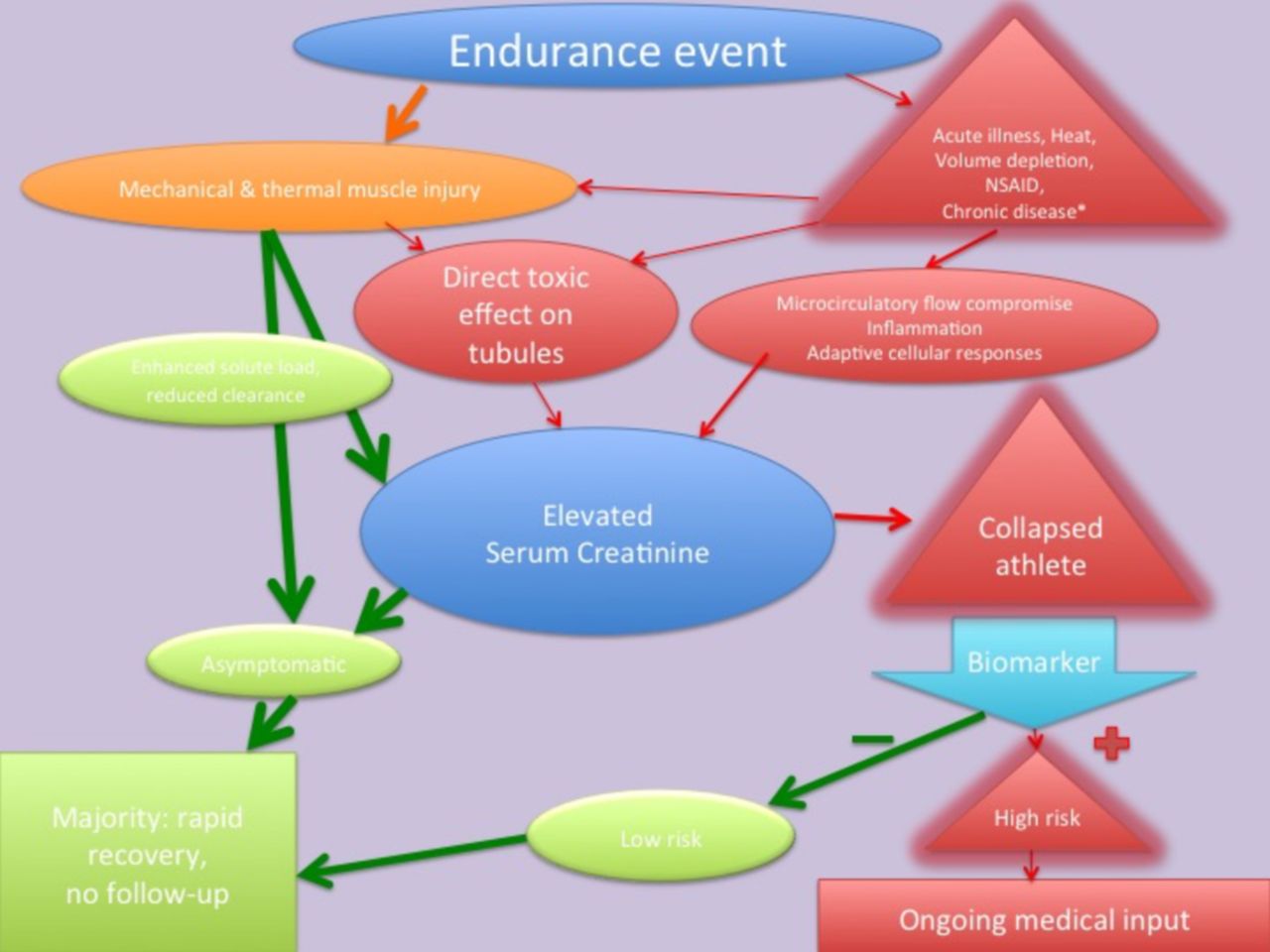
Creatine monohydrate causes kidney stress in susceptible individuals, particularly those with pre-existing kidney conditions. While generally safe at recommended doses (3-5g daily), some supplement manufacturers load products with excessive creatine (10g+) that overwhelms renal function. Quality concerns compound the problem as contaminated creatine products introduce additional kidney-stressing impurities.
Protect your kidneys while using creatine:
– Stay hydrated (minimum 3 liters of water daily)
– Avoid combining with other kidney-stressing supplements
– Get kidney function tests before and during prolonged use
– Choose products certified by NSF or Informed-Choice
Vitamin D megadoses also threaten kidney health by causing hypercalcemia—calcium deposits in kidneys leading to stones and tissue damage. Many “immune support” supplements contain dangerously high vitamin D levels (10,000+ IU) without warning labels.
Third-Party Testing: Your Best Defense Against Dangerous Ingredients
Third-party testing certification provides the most reliable indicator of supplement safety in an unregulated market. Look for certifications from ConsumerLab, NSF International, or UL Solutions—these organizations test products for contaminants and verify ingredient accuracy. Products bearing these seals have undergone independent verification, though even certified products can occasionally have issues.
Testing programs that actually matter:
– NSF Certified for Sport (for athletes concerned about banned substances)
– USP Verified Mark (confirms potency and purity)
– ConsumerLab.com Approved Quality Testing
Avoid supplements with “lab tested” claims that don’t name the specific testing organization. Reputable manufacturers proudly display their certification seals and provide access to complete test reports.
How to Read Supplement Labels Like a Safety Expert
Decoding supplement labels requires understanding manufacturer tricks that hide dangerous ingredients. “Proprietary blends” allow companies to conceal exact ingredient amounts, while botanical names like “ma huang” disguise banned ephedra. Many dangerous ingredients appear under multiple names, making detection difficult without specialized knowledge.
Critical label red flags:
– “Proprietary blend” without full ingredient disclosure
– Botanical names instead of common terms (e.g., “ma huang” for ephedra)
– Excessive dosing far beyond established safe levels
– Vague claims like “proprietary stimulant matrix”
When in doubt, research each ingredient using the FDA’s dietary supplement ingredient advisory list. This database identifies ingredients requiring pre-market review or associated with safety concerns.
Immediate Action Steps After Taking a Contaminated Supplement
If you suspect a supplement contains dangerous ingredients, stop taking it immediately and document everything. Save the product container, batch number, and any remaining pills for potential testing. Report adverse reactions to the FDA’s MedWatch program—this public health surveillance system identifies dangerous products requiring regulatory action.
Emergency protocol for severe reactions:
– Call Poison Control immediately at 1-800-222-1222
– Keep the product container for medical personnel
– Note exact time of ingestion and symptom onset
– Don’t induce vomiting unless instructed by professionals
Your report could protect other consumers from experiencing similar harm. The FDA investigates patterns of adverse events to identify dangerous products for market removal.
Final safety checklist before taking any supplement:
– Verify third-party certification seals
– Research manufacturer history for FDA warnings
– Cross-check ingredients against known dangerous compounds
– Consult your healthcare provider about potential interactions
– Start with minimal doses while monitoring for side effects
Understanding dangerous ingredients in supplements empowers you to make informed decisions that protect your health. While many supplements provide legitimate benefits, the presence of hidden toxins demands vigilance. By recognizing high-risk ingredients, verifying third-party testing, and consulting healthcare providers, you can minimize exposure to harmful substances while still benefiting from appropriate supplementation. Your health is too valuable to gamble with unverified products—take control of what goes into your body today.