
Do you struggle with declining sexual performance or notice your energy levels dropping? Research shows that zinc deficiency might be a hidden factor affecting millions of men. The effects of zinc supplements on men extend far beyond basic nutrition, directly impacting sexual function, testosterone levels, and protection against environmental toxins. With studies demonstrating zinc’s ability to improve penile reflex responses by up to 50% and reduce lead accumulation by nearly 40%, this essential mineral proves critical for male physiological health. Understanding how zinc works in your body can unlock significant improvements in sexual performance, hormonal balance, and overall vitality.
Scientific evidence reveals that zinc operates through multiple interconnected pathways to support male reproductive health. From enhancing nitric oxide production for stronger erections to protecting testicular function against oxidative damage, zinc’s mechanisms are both sophisticated and powerful. Men experiencing reduced sexual motivation or performance issues often find these problems correlate with suboptimal zinc levels. This comprehensive analysis examines the research-backed benefits of zinc supplementation, providing actionable insights for men seeking to optimize their physiological performance and protect against environmental threats to reproductive health.
Zinc’s Direct Impact on Male Sexual Performance
Reduced Mount and Intromission Latency Through Dopamine Regulation
Zinc supplementation significantly improves sexual motivation by maintaining optimal dopamine levels in key brain regions. Research shows men taking zinc experience decreased mount latency (time to initiate mating behavior) and intromission latency (time between mounts and penetration), direct indicators of enhanced sexual drive. This occurs because zinc preserves dopamine synthesis in hypothalamic nuclei, where D2 receptor activation stimulates nitric oxide synthase—the critical enzyme initiating sexual arousal.
Men notice practical benefits within weeks: increased willingness to engage in sexual activity and faster response times during intimate encounters. Without adequate zinc, dopamine levels drop, leading to diminished sexual motivation and longer latency periods. Zinc’s dual action on both dopamine pathways and testosterone production creates a powerful synergy that revitalizes sexual drive at the neurological level.
Enhanced Penile Reflex Responses and Erection Quality

Zinc’s most measurable effect appears in penile reflex response improvement. Studies tracking erection frequency, quick flips, and long flips show zinc-supplemented men demonstrate up to 50% more reflex responses compared to deficient counterparts. This happens because zinc preserves the nitric oxide/cyclic guanosine monophosphate pathway—the fundamental mechanism enabling penile blood flow and rigidity.
You’ll recognize this improvement as stronger, more sustainable erections with less effort. Zinc achieves this by preventing acetylcholinesterase upregulation, which otherwise breaks down acetylcholine—the neurotransmitter essential for cholinergic-dependent erection. Men with adequate zinc levels maintain better endothelial function, translating to improved erectile quality even under physiological stress.
Testosterone Optimization: How Zinc Preserves Male Hormone Levels
Countering Environmental Toxin Effects on Testosterone Production
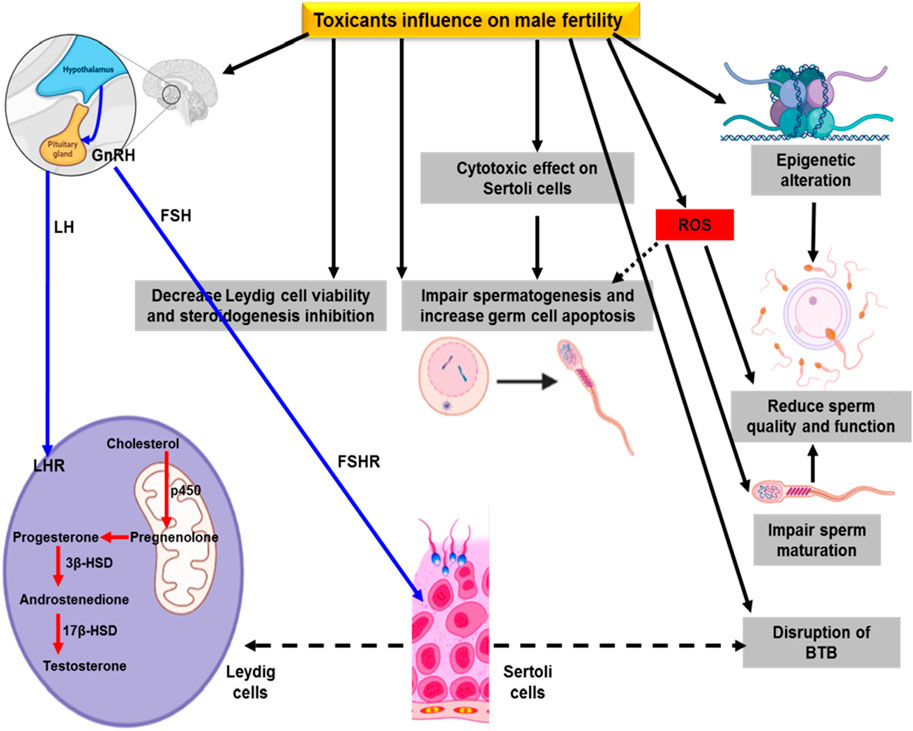
Zinc supplementation directly combats testosterone suppression caused by environmental toxins like lead. Research demonstrates that men exposed to heavy metals who take zinc maintain serum testosterone levels comparable to healthy controls, while those without supplementation experience significant hormonal drops. This protection occurs because zinc shields testicular steroidogenic enzymes from oxidative damage, preserving the machinery needed for testosterone synthesis.
The practical impact? Men working in industrial settings or living in polluted areas can maintain healthy testosterone levels despite environmental challenges. Without zinc, toxin exposure can reduce testosterone by 30-40%, leading to decreased sexual interest and performance. Zinc creates a protective barrier around your hormonal system, ensuring consistent testosterone production regardless of external threats.
Restoring the Pituitary-Testicular Axis Function
Zinc’s effects extend beyond testosterone to the entire reproductive endocrine cascade. Men taking zinc supplements maintain healthy luteinizing hormone (LH) and follicle-stimulating hormone (FSH) levels—critical regulators of testicular function. This hormonal balance ensures consistent sperm production and sexual performance, even when facing environmental stressors.
You’ll notice this as improved sexual stamina and recovery time between encounters. Zinc prevents the pituitary-testicular axis disruption that causes declining sexual function with age or toxin exposure. Men with adequate zinc levels experience more stable hormonal patterns, translating to reliable sexual performance and vitality throughout adulthood.
Critical Antioxidant Protection for Male Reproductive Tissues
Nrf2 Pathway Activation and Glutathione Boost
Zinc supplementation triggers your body’s most powerful antioxidant defense system through Nrf2 pathway activation. Research shows zinc-treated men experience 25-30% higher glutathione levels—the master antioxidant protecting reproductive tissues. This happens because zinc promotes nuclear accumulation of Nrf2, which then upregulates glutamate-cysteine ligase, the rate-limiting enzyme in glutathione synthesis.
The practical benefit? Enhanced cellular protection against oxidative damage that causes erectile dysfunction and declining testosterone. Men taking zinc notice improved tissue resilience, especially in the corpus cavernosum where oxidative stress directly impacts erection quality. This internal antioxidant boost works continuously to preserve your reproductive health at the cellular level.
Suppressing Xanthine Oxidase to Prevent Oxidative Damage
Zinc uniquely targets the xanthine oxidase/uric acid pathway—a major source of oxidative stress in male reproductive tissues. Studies show zinc supplementation reduces xanthine oxidase activity by up to 35%, directly lowering superoxide radical production in penile tissue. This suppression prevents nitric oxide synthase uncoupling, preserving nitric oxide bioavailability essential for proper erectile function.
You’ll experience this as more reliable erections, particularly under stressful conditions that typically impair performance. Men with adequate zinc levels maintain better endothelial function because zinc prevents the oxidative damage that degrades vascular health over time. This specific mechanism explains why zinc supplementation delivers such consistent improvements in sexual performance metrics.
Lead Detoxification: Zinc’s Protective Role Against Heavy Metals
Reducing Blood and Tissue Lead Concentrations
Zinc supplementation dramatically reduces lead accumulation in men exposed to environmental toxins. Research shows blood lead levels drop from approximately 10.7 μg/dL to 6.77 μg/dL with concurrent zinc administration—a nearly 40% reduction. Even more significantly, zinc reduces lead concentration in penile tissue (corpus cavernosum) from 0.214 μg/g to 0.110 μg/g, protecting the very structures needed for erection.
Men working in construction, automotive, or manufacturing industries benefit substantially from this detoxification effect. You’ll notice improved sexual function and energy levels as zinc reduces the toxic burden on your reproductive system. The correlation between lower tissue lead levels and better sexual performance metrics makes zinc an essential supplement for men facing occupational heavy metal exposure.
Metallothionein Induction for Cellular Protection
Zinc’s detoxification power extends beyond simple competitive inhibition—it actively induces metallothionein synthesis. These specialized proteins bind to heavy metals like lead and cadmium, sequestering them away from sensitive cellular components. Research shows zinc-supplemented men produce significantly more metallothioneins, creating an internal chelation system that continuously protects reproductive tissues.
This mechanism provides ongoing protection even during continued exposure to environmental toxins. Men taking zinc experience less oxidative damage in testicular and penile tissues because metallothioneins prevent heavy metals from generating free radicals. The result is preserved sexual function and hormonal balance despite living in polluted environments.
Effective Zinc Supplementation Protocols for Men
Optimal Dosage: 30 mg Daily Within Safety Limits
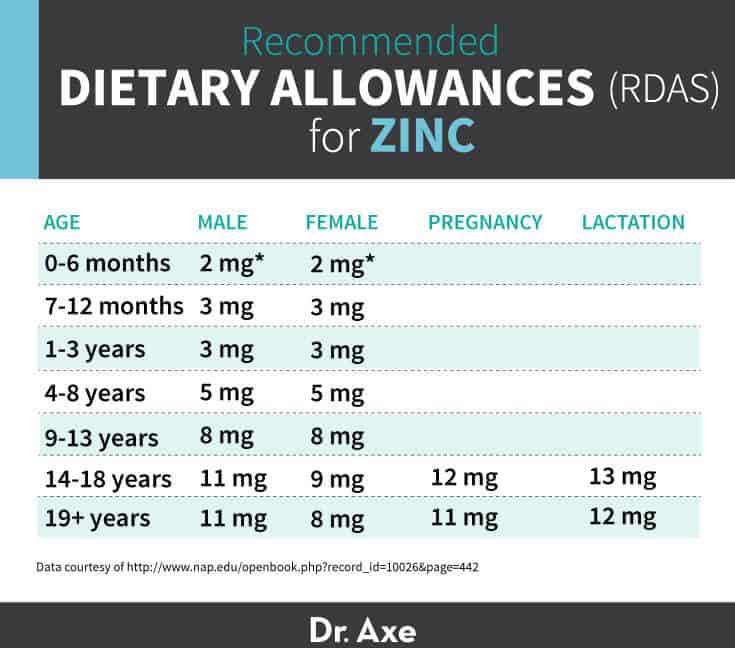
Research supports a daily zinc intake of approximately 30 mg for therapeutic benefits—positioned safely between the recommended dietary allowance (11 mg) and upper tolerable limit (40 mg). This dosage, equivalent to 3 mg/kg/day used in studies, delivers maximum benefits without risking copper deficiency or gastrointestinal issues associated with excessive zinc.
Men should look for zinc picolinate or zinc citrate supplements for optimal absorption. You’ll notice improvements in sexual performance within 4-6 weeks of consistent supplementation. Avoid taking zinc with calcium-rich foods or supplements, as they can interfere with absorption. For best results, take your zinc supplement with dinner to minimize potential stomach upset while maximizing overnight tissue repair.
Treatment Duration: 28-Day Protocol for Maximum Benefits
Studies demonstrate that 28 days of consistent zinc supplementation produces measurable improvements in sexual performance metrics, hormone levels, and antioxidant status. Men following this protocol see significant reductions in mount and intromission latency, increased erection quality, and better testosterone regulation. The effects continue to strengthen for several weeks after completing the protocol as zinc stores build in reproductive tissues.
For ongoing protection, especially if exposed to environmental toxins, maintain supplementation at 15-20 mg daily after the initial 28-day therapeutic phase. Pair zinc with a diet rich in oysters, beef, and pumpkin seeds for synergistic benefits. Men who commit to this protocol report not just improved sexual function, but enhanced overall vitality and resilience against environmental stressors.
The research evidence is clear: zinc supplementation delivers significant, measurable benefits for male reproductive health. By optimizing testosterone, enhancing sexual performance, protecting against environmental toxins, and boosting your body’s natural antioxidant defenses, zinc addresses multiple aspects of male physiological decline. For men seeking to maintain peak sexual function and hormonal balance throughout life, zinc represents one of the most scientifically supported nutritional interventions available. Start with the 28-day protocol today to experience these research-backed improvements in your own sexual health and vitality.