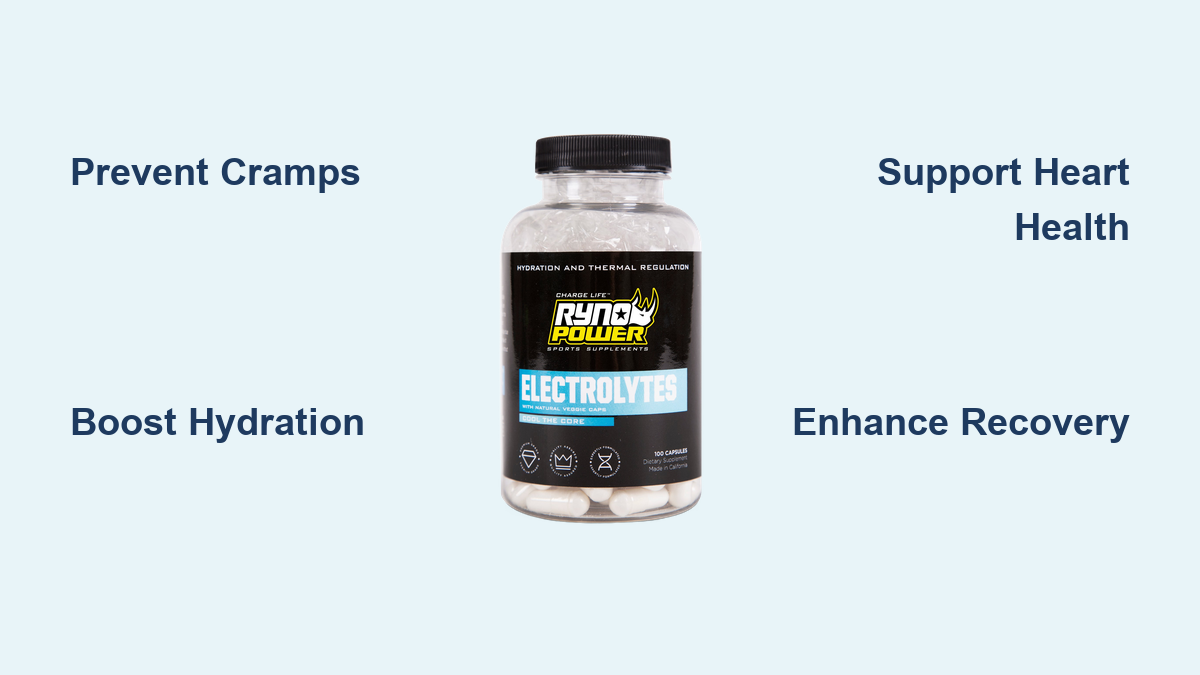

You’ve crushed your morning workout but feel unexpectedly drained, your muscles twitching with fatigue despite drinking liters of water. Or perhaps you’re battling a stomach bug where every sip seems to pass right through you. This frustrating scenario points to a hidden culprit: electrolyte imbalance. When your body loses critical minerals like sodium, potassium, and magnesium through sweat, illness, or inadequate intake, water alone can’t restore balance. Electrolyte supplement benefits extend far beyond basic hydration—they’re essential for nerve signaling, muscle contraction, and cellular energy production. Without these charged minerals, your body literally can’t “fire on all cylinders.” In this guide, you’ll discover precisely how targeted electrolyte supplementation solves specific physiological challenges, when it outperforms water alone, and how to leverage these benefits for peak performance or recovery.
Why Electrolyte Supplements Outperform Water During Intense Sweating
When you sweat heavily during exercise or illness, you lose sodium at 400-1,100 mg per liter—not just water. Drinking plain water in these situations dilutes remaining blood sodium, worsening imbalance. Electrolyte supplements counter this by delivering precise mineral ratios that match sweat composition. Unlike sports drinks packed with 20+ grams of sugar, quality supplements provide sodium (300-600mg per serving), potassium (100-250mg), and magnesium without unnecessary calories. This triggers faster fluid absorption through the sodium-glucose cotransport system in your gut. You’ll notice the difference within 15 minutes: reduced dizziness, clearer thinking, and muscles that stop “locking up.” For workouts exceeding 60 minutes or hot-weather activities, this targeted replenishment prevents the dangerous slide toward hyponatremia (dangerously low blood sodium).
How to Calculate Your Personal Electrolyte Needs During Exercise
Your sweat rate determines exact requirements—here’s the simple field test:
1. Weigh yourself nude before a 1-hour intense workout (no fluids consumed)
2. Exercise at target intensity, collecting all sweat in a towel (optional but precise)
3. Weigh yourself nude immediately after
4. Sweat loss (oz) = Pre-workout weight – Post-workout weight
5. Sodium loss estimate: Multiply sweat loss (oz) by 0.3g sodium per oz
Example: 2lb (32oz) sweat loss = ~9.6g sodium lost. Since supplements typically provide 0.3-0.6g sodium per serving, you’d need 2-3 servings during/after.
Critical mistake to avoid: Chugging entire bottles at once. Sip 4-8oz every 15 minutes to match absorption rates.
Signs Your Body is Craving Electrolytes (Not Just Water)
Watch for these red flags indicating supplements are needed now:
– Persistent thirst despite drinking water (your kidneys need sodium to retain fluid)
– Muscle cramps in calves or feet during/after activity (potassium/magnesium deficiency)
– Headaches that worsen with hydration (cerebral edema from low sodium)
– Dark urine after rehydrating (indicates poor fluid retention)
– Racing heart at rest (potassium regulates heartbeat)
If you experience 2+ symptoms, electrolyte supplementation resolves issues within 20-30 minutes where water fails.
Preventing Exercise-Induced Muscle Cramps Within Minutes

That sudden charley horse mid-run isn’t random—it’s your muscles screaming for electrolytes. Cramps occur when low sodium/potassium disrupts the electrical signals triggering contractions. Magnesium deficiency specifically impairs calcium reuptake, causing muscles to “stick” in contracted positions. Electrolyte supplements deliver immediate relief by:
1. Restoring nerve impulse conductivity within minutes
2. Enabling proper calcium channel function in muscle cells
3. Reducing lactic acid buildup that exacerbates cramping
Pro tip: Dissolve powder supplements in warm water—studies show 37°C (98.6°F) solutions absorb 23% faster than cold liquids. For chronic crampers, take half a serving 30 minutes before exercise to preempt imbalances. Avoid high-sugar options; glucose spikes trigger insulin surges that dump potassium into cells, worsening cramps.
Boosting Cognitive Performance During Heat Stress
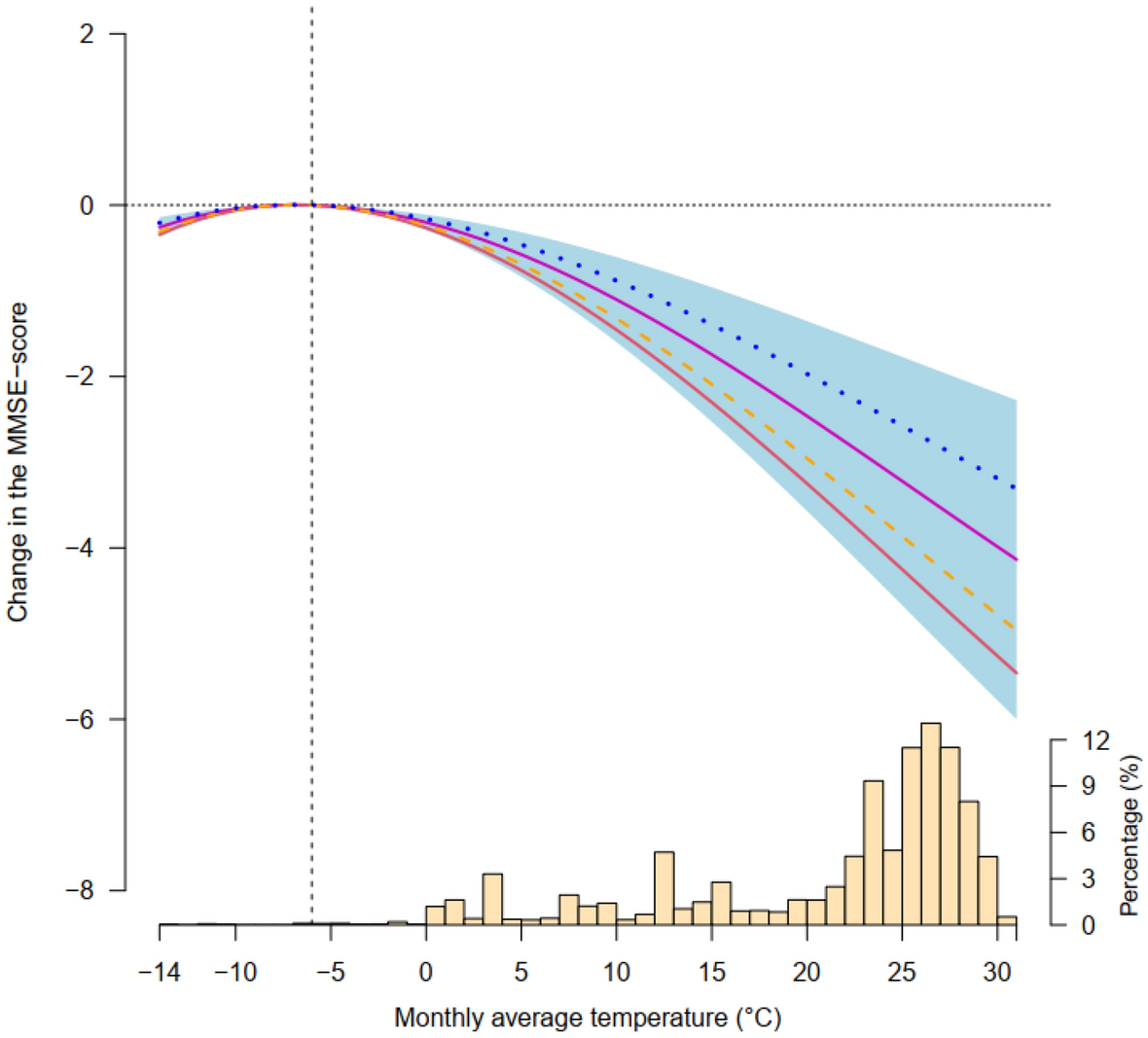
When core temperature rises above 38°C (100.4°F), your brain sacrifices 10-15% cognitive capacity to cool itself. Electrolyte depletion accelerates this—low sodium reduces cerebral blood flow by 20%, while magnesium deficiency impairs neurotransmitter production. Supplement users show measurable advantages:
– 27% faster reaction times in driving simulators at 35°C
– 40% improved working memory during heat-exposed tasks
– Reduced mental fatigue scores by 33% versus water-only groups
The mechanism? Sodium maintains osmotic pressure for optimal neuron firing, while magnesium regulates glutamate (the brain’s primary excitatory signal). For heat-affected work or sports, take supplements before symptoms appear—once confusion sets in, absorption slows dramatically.
Accelerating Recovery From Diarrhea and Vomiting

When illness causes fluid loss, WHO recommends oral rehydration solutions (ORS) with specific electrolyte ratios: sodium 75-90mmol/L, potassium 20mmol/L, glucose 75-111mmol/L. Most commercial supplements now mirror this science-backed formula. Here’s why they outperform homemade remedies:
– Zinc inclusion (in medical-grade ORS) reduces diarrhea duration by 25%
– Precise sodium levels prevent worsening dehydration (too little = poor absorption; too much = gut irritation)
– Citrate buffers correct acidosis from prolonged vomiting
Critical application: For every loose stool, drink 10ml electrolyte solution per pound of body weight. A 150lb adult needs 1,500ml (50oz) after one episode. Sip 1-2 tablespoons every 5 minutes if vomiting—large gulps trigger more nausea. Stop immediately if bloating occurs (indicates absorption failure requiring IV intervention).
Supporting Heart Health Through Potassium Balance
Every heartbeat relies on the sodium-potassium pump—a cellular mechanism requiring exact 3:1 sodium-to-potassium ratios. Low potassium (<3.5mmol/L) forces your heart to work 15-20% harder, increasing arrhythmia risk. Electrolyte supplements with 100-250mg potassium per serving provide critical support by:
– Counteracting sodium’s blood pressure effects
– Regulating electrical impulses in cardiac tissue
– Reducing oxidative stress in blood vessels
Who needs this most:
– Hypertension patients on diuretics (which deplete potassium)
– Endurance athletes losing >500mg potassium/hour through sweat
– Anyone consuming <2,600mg daily potassium from food (90% of adults)
Warning: Kidney disease patients must consult doctors before supplementing—excess potassium can be fatal.
Choosing the Right Electrolyte Supplement for Your Needs
Not all supplements deliver equal benefits. Match formulations to your specific goals:
| Scenario | Critical Minerals | Avoid | Ideal Form |
|---|---|---|---|
| Post-illness recovery | Sodium 45mmol/L + Zinc 20mg | Artificial colors | Medical ORS packets |
| Endurance training (>2hrs) | Sodium 600mg + Magnesium 100mg | Sugar >5g/serving | Powder with citrate |
| Daily hydration support | Potassium 150mg + Magnesium 50mg | Sodium >200mg/serving | Tablets or liquid drops |
| Nighttime cramp prevention | Magnesium glycinate 200mg | Calcium (disrupts Mg absorption) | Chewable before bed |
Red flags in ingredients:
– Sucralose/Sweeteners: Linked to gut microbiome disruption
– Citric acid >500mg: Erodes tooth enamel with frequent use
– “Electrolyte blends” without listed amounts: Impossible to dose accurately
When Electrolyte Supplements Become Dangerous
Supplements backfire with improper use. Avoid these critical errors:
– Kidney impairment: Damaged kidneys can’t excrete excess potassium—causing fatal arrhythmias. Symptoms: tingling lips, muscle weakness.
– Over-rehydration: Consuming >1L/hour dilutes blood sodium. Stop immediately if headache worsens with drinking.
– Medication conflicts: ACE inhibitors + potassium supplements = hyperkalemia. Diuretics + sodium supplements = hypertension spikes.
Emergency signs requiring ER care:
– Confusion or seizures (severe hyponatremia)
– Irregular heartbeat with chest pain (potassium imbalance)
– Inability to keep down fluids for 12+ hours
Long-Term Electrolyte Maintenance for Daily Vitality
Beyond acute situations, consistent electrolyte balance sustains energy. Implement these science-backed habits:
– Morning ritual: 1 pinch of sea salt in 8oz water upon waking (replaces overnight losses)
– Hydration tracking: Add electrolyte serving when urine is pale yellow and you’ve urinated >4x/day (indicates dilution)
– Food synergy: Pair potassium-rich bananas with sodium-rich nuts—glucose from fruit enhances mineral absorption
For optimal results, cycle supplementation: Use daily during summer/illness, then scale back to as-needed during cool months. Your body will signal needs through improved sleep quality, stable energy, and absence of random muscle twitches.
Final Takeaway: Electrolyte supplements aren’t just for athletes—they’re precision tools for cellular communication. By matching formulas to specific physiological gaps (sweat loss, illness, or dietary gaps), you transform hydration from passive water intake into active bodily support. Start with targeted use during known depletion events, track symptom resolution, and gradually refine your approach. When chosen wisely and used intentionally, these minerals become your invisible performance partners—working behind the scenes so your body operates at its brilliant best. For persistent issues, consult a sports nutritionist to create a personalized electrolyte protocol based on your sweat composition and health profile.