
Chronic inflammation silently undermines health for millions, contributing to conditions from arthritis to heart disease. Unlike acute inflammation that protects your body after injuries, chronic inflammation persists at low levels, damaging healthy tissues over time. The powerful news is your daily food choices directly influence these inflammatory pathways, offering a natural strategy to protect your long-term health. Research confirms that specific foods and supplements can significantly reduce markers like C-reactive protein and interleukin-6 that doctors use to measure inflammation. This guide reveals exactly which foods and supplements to incorporate into your routine for measurable anti-inflammatory benefits backed by scientific evidence.
Fatty Fish and Omega-3 Powerhouses That Fight Inflammation

Why salmon and sardines outperform supplements for most people
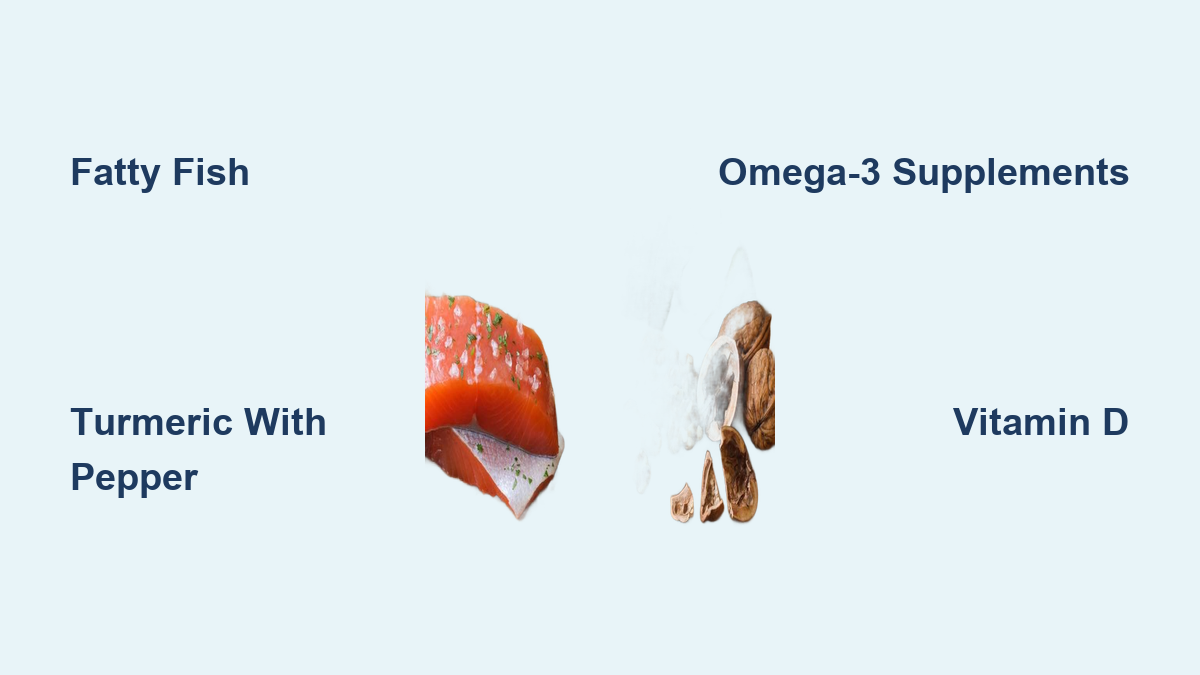
Fatty fish like salmon, mackerel, sardines, and herring deliver EPA and DHA omega-3 fatty acids that your body converts into resolvins and protectins—natural compounds that actively resolve inflammation. Consuming these fish at least twice weekly reduces inflammatory markers and lowers risk for multiple chronic conditions. The protein, selenium, and vitamin D in fish work synergistically with omega-3s for enhanced anti-inflammatory effects you won’t get from supplements alone. For optimal benefits, choose wild-caught varieties when possible and prepare them with anti-inflammatory herbs like rosemary or turmeric to boost their protective properties.
How to maximize omega-3 absorption from food sources
Pair fatty fish with vitamin C-rich vegetables like bell peppers or broccoli to enhance omega-3 absorption. Avoid cooking methods that oxidize delicate fats—baking, steaming, or poaching preserves more anti-inflammatory compounds than high-heat frying. Store fish properly to prevent rancidity, which can actually promote inflammation. When purchasing canned options, select those packed in water or olive oil rather than soybean or corn oil, which contain inflammatory omega-6 fatty acids.
Vibrant Plant Foods That Naturally Lower Inflammation

Berries, greens, and cruciferous vegetables with proven effects
The colors in fruits and vegetables signal powerful anti-inflammatory compounds. Blueberries, strawberries, and blackberries contain anthocyanins that reduce inflammatory markers within hours of consumption. Dark leafy greens like spinach and kale provide lutein and vitamin E that combat oxidative stress driving inflammation. Broccoli, cauliflower, and Brussels sprouts deliver sulforaphane, which activates your body’s natural antioxidant pathways. Tomatoes offer lycopene—cook them with olive oil to increase absorption by up to 400 percent.
Spices that work like natural anti-inflammatories
Turmeric contains curcuminoids that inhibit multiple inflammatory pathways at the molecular level, but requires black pepper (piperine) to boost absorption by up to 2,000 percent. Ginger’s gingerols provide anti-inflammatory effects comparable to NSAIDs for certain conditions without the side effects. Garlic’s allicin and sulfur compounds modulate inflammatory responses, while cinnamon, rosemary, and oregano each contribute unique compounds that work better together than alone. Create an “anti-inflammatory spice blend” with these ingredients to add to meals daily.
Essential Supplements That Deliver Targeted Relief
When fish oil outperforms dietary changes alone
For those who don’t eat fatty fish regularly, high-quality fish oil supplements provide concentrated EPA and DHA. Look for products tested for purity with 1,000-3,000 mg combined EPA/DHA daily. Triglyceride-form supplements absorb better than ethyl ester forms, though they cost more. Krill oil offers phospholipid-bound omega-3s with astaxanthin, a potent antioxidant. Avoid oxidized fish oil—check for expiration dates and refrigerate after opening.
Curcumin supplements: overcoming absorption challenges
Dietary turmeric has poor bioavailability, making standardized curcumin supplements essential for therapeutic effects. Piperine-enhanced formulations increase absorption dramatically, while liposomal or phytosome technologies offer superior bioavailability. Studies show 500-2,000 mg daily of standardized curcumin reduces inflammatory markers significantly, with effects becoming noticeable after 4-8 weeks of consistent use. Take curcumin with healthy fats to further enhance absorption.
Vitamin D: the inflammation regulator many are missing
Vitamin D deficiency strongly correlates with elevated inflammation markers. Maintaining levels of 40-60 ng/mL supports healthy immune regulation. Many require 1,000-4,000 IU daily, especially those with limited sun exposure or darker skin. Test your levels before supplementing to determine appropriate dosing. Vitamin D works best when combined with vitamin K2, which directs calcium to bones rather than arteries.
Building Your Anti-Inflammatory Eating Pattern Today
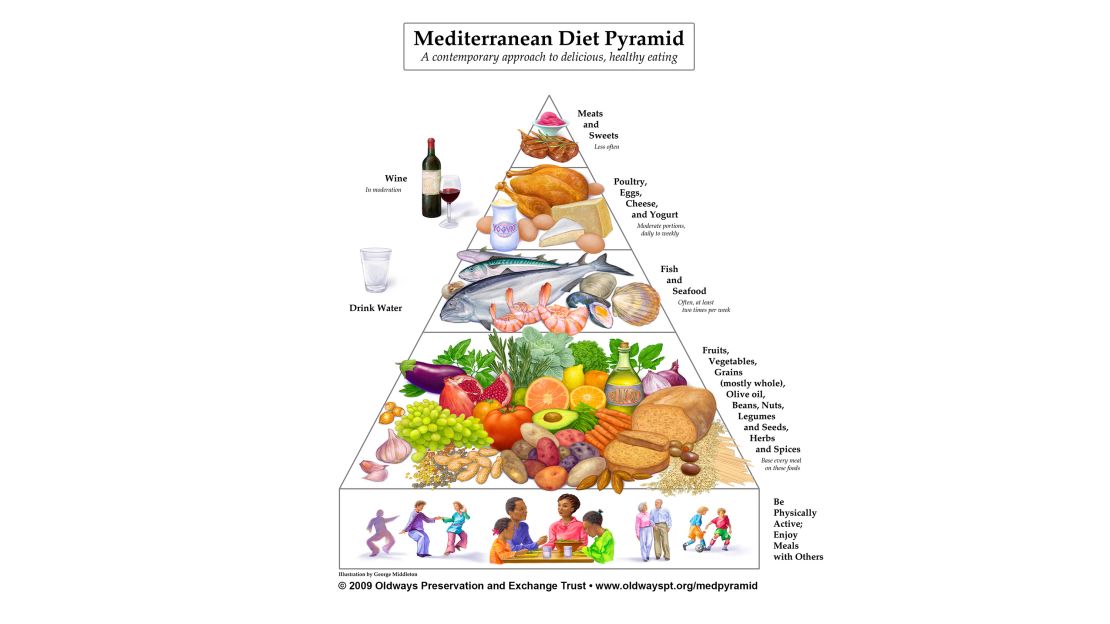
Mediterranean diet principles you can implement immediately
Start meals with vegetables—aim for at least three different colors daily. Make extra virgin olive oil your primary fat source, using it raw in dressings for maximum oleocanthal content. Replace processed snacks with walnuts or almonds for healthy fats and magnesium. Incorporate legumes like lentils and chickpeas for fiber that feeds beneficial gut bacteria. Batch-cook quinoa or oats for quick anti-inflammatory breakfasts or sides.
Three simple swaps to reduce inflammatory triggers
- Replace white bread and pasta with whole grain alternatives like sprouted grain bread or cooled cooked potatoes (which develop resistant starch)
- Substitute sugary beverages with tart cherry juice or green tea (both have documented anti-inflammatory effects)
- Choose grass-fed meats over conventional options to improve your omega-3 to omega-6 ratio
Avoid industrial seed oils high in omega-6 fatty acids like soybean, corn, and sunflower oil, which promote inflammation when consumed in excess relative to omega-3s.
Lifestyle Factors That Multiply Anti-Inflammatory Benefits
Movement strategies that reduce inflammation without overtraining
Regular exercise lowers inflammatory markers through multiple mechanisms, but excessive training can increase inflammation. Aim for 150 minutes weekly of moderate activity—brisk walking, swimming, or cycling. Include strength training twice weekly, as muscle tissue releases anti-inflammatory myokines. Even five-minute movement breaks every hour when sitting reduce inflammatory markers compared to prolonged sedentary behavior.
Sleep quality’s dramatic impact on inflammation levels
Just one night of poor sleep elevates C-reactive protein and other inflammatory markers. Prioritize 7-9 hours of quality sleep by establishing consistent sleep-wake times, keeping your bedroom cool and dark, and avoiding screens for at least one hour before bed. Consider magnesium glycinate supplements if you struggle with sleep, as magnesium supports relaxation and reduces inflammation simultaneously.
Critical Safety Considerations Before Starting
Supplement interactions you must know
High-dose omega-3 supplements can increase bleeding risk when combined with blood thinners. Curcumin interacts with certain diabetes medications and chemotherapy agents. Discontinue anti-inflammatory supplements 1-2 weeks before surgery. Always discuss new supplements with your healthcare provider, especially if taking medications for chronic conditions.
Quality indicators for effective supplements
Choose products tested by third-party organizations like NSF International or USP. Look for standardized extracts ensuring consistent potency of active compounds. Check expiration dates and storage requirements, as many anti-inflammatory compounds degrade over time. Reputable manufacturers provide transparency about sourcing and testing methods.
Your First-Week Anti-Inflammation Action Plan
Three sustainable changes to start today
- Add one serving of fatty fish (or 1,000 mg omega-3 supplement) daily
- Incorporate turmeric with black pepper into at least one meal
- Replace one inflammatory food (like processed snack or sugary drink) with an anti-inflammatory alternative
Track how you feel over the next two weeks, noting changes in energy, joint comfort, or digestion. Gradual, consistent changes create lasting anti-inflammatory benefits without overwhelming your routine. The most effective approach combines food-first strategies with targeted supplements where needed, supported by quality sleep and regular movement.
Final Note: By strategically incorporating these anti-inflammatory foods and supplements into your daily routine while avoiding inflammatory triggers, you create the internal environment where your body can heal and thrive. Consistency over months and years delivers the most profound health benefits, making these dietary choices one of the most powerful investments you can make in your long-term wellness.