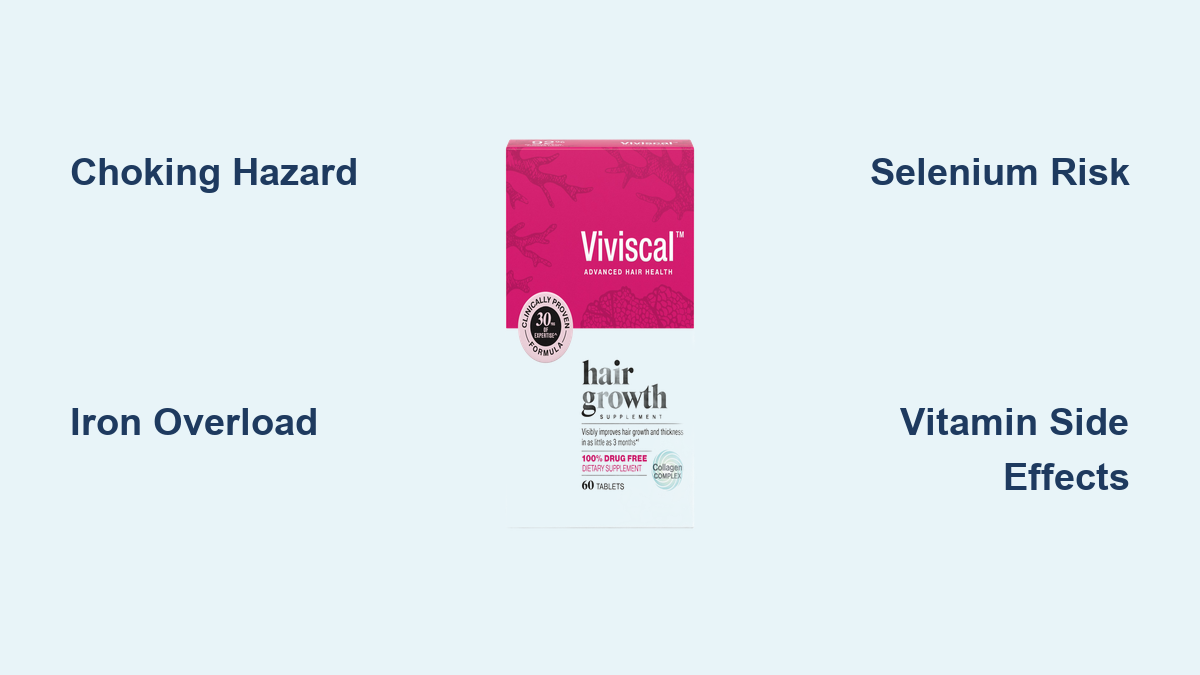

That bottle of hair growth supplements promising thicker, fuller hair might be sitting on your bathroom counter right now, but what you don’t know could be putting your health at risk. With the skin, hair, and nail supplement industry projected to reach $6.8 billion by 2024, these products have become ubiquitous—promoted by celebrities, influencers, and drugstore displays. Yet behind the glossy marketing lies a concerning reality: hair growth supplements carry documented side effects that many consumers never learn about until they experience them firsthand. The unsettling truth is that these products operate in a regulatory gray zone where safety testing is minimal, and warning labels often fail to disclose serious risks.
Unlike prescription medications that undergo rigorous testing before reaching consumers, hair growth supplements face shockingly little oversight. This means dangerous side effects can go undetected for years while companies continue selling products to unsuspecting customers. From immediate choking hazards to long-term metabolic risks, the potential hair growth supplements side effects documented in medical literature should give any potential user pause. This guide reveals the specific dangers associated with common ingredients, who faces the highest risks, and what you can do to protect yourself while making informed decisions about these increasingly popular products.
Why Hair Growth Supplements Operate Without Proper Safety Testing
The fundamental problem with hair growth supplements stems from how they’re regulated in the United States. The FDA classifies these products as foods rather than drugs, which creates a massive loophole in consumer protection. This classification means manufacturers can bring products to market without proving their supplements are safe, effective, or even accurately labeled. There’s no requirement for pre-market safety testing, no mandatory ingredient interaction studies, and no verification that the product actually delivers on its promises.
The consequences of this regulatory gap are severe. Companies can combine vitamins, minerals, and other ingredients into a hair growth supplement without demonstrating that the combination is safe for human consumption. Even more concerning, there are no mandatory warning labels about risks like birth defects or dangerous medication interactions, despite documented cases where such risks exist. The only required disclaimer states that claims haven’t been evaluated by the FDA—a small print notice that does little to counter aggressive marketing suggesting these products are both safe and effective.
This lack of oversight means you’re essentially serving as your own safety regulator when choosing hair growth supplements. Without required post-market surveillance, many adverse effects may never be properly documented or understood. The documented hair growth supplements side effects represent only the tip of the iceberg—what we know about is likely far less than what’s actually happening among users.
Immediate Health Risks From Hair Growth Supplements
Why Large Supplement Tablets Pose Choking Hazards for Older Adults

If you’re over 65 or caring for an elderly person considering hair growth supplements, pay close attention to this critical risk. Data shows that pill-induced choking accounts for 37.6% of all supplement-related emergency visits among adults 65 and older, with micronutrients implicated in over 80% of these cases. The FDA recommends pharmaceutical tablets stay under 22 mm in size, but hair growth supplements face no such requirements—many exceed this threshold, creating dangerous obstruction risks.
For older adults who may already experience age-related swallowing difficulties, large supplement tablets become serious choking hazards. This risk is compounded by marketing that specifically targets older demographics with promises of reversing age-related hair thinning. Before taking any hair growth supplement, check the physical size of the tablet—your life could literally depend on it.
Melatonin in Hair Supplements Increases Fall Risk Overnight
You might be surprised to find melatonin—a sleep aid—in hair growth supplements marketed for “beauty sleep” benefits. While promoted as harmless because it’s “natural,” research shows a single 3-mg dose can significantly impair postural control in older adults. This sedation effect dramatically increases fall risk, particularly dangerous for elderly users who may already have balance issues.
The combination of melatonin-induced drowsiness with large tablet sizes creates a perfect storm of risk factors. You might take your supplement before bed, only to experience next-day drowsiness that affects coordination while the large pill itself poses a choking hazard during swallowing. These immediate side effects can turn a simple supplement regimen into a serious safety concern.
High-Dose Vitamins Can Trigger Acute Medical Emergencies
Many hair growth supplements pack vitamins at doses far exceeding recommended daily amounts, creating unexpected health crises. High-dose vitamin C, commonly included for collagen production claims, can trigger calcium oxalate kidney stones—especially dangerous for those with renal impairment. Even more alarming, it can cause acute hemolysis (red blood cell destruction) in people with undiagnosed glucose-6-phosphate dehydrogenase (G6PD) deficiency.
Vitamins B6 and B12, frequently added for their roles in cellular metabolism, carry their own paradoxical risk: they’ve been linked to rosacea fulminans, a severe inflammatory skin condition that causes painful, disfiguring lesions. Imagine taking supplements to improve your appearance only to develop a serious skin condition requiring extensive medical treatment. These acute hair growth supplements side effects can occur after just a few doses, making them particularly dangerous for unsuspecting users.
Long-Term Damage From Chronic Supplement Use
Iron Supplements Risk Silent Organ Damage in Non-Deficient Users

Hair growth supplements frequently include iron, especially those marketed to women, despite no evidence showing benefits for hair loss in people with normal iron levels. Here’s the critical danger: your body has limited ability to excrete excess iron, meaning daily supplementation in non-deficient individuals leads to gradual accumulation. Early symptoms like constipation and gastrointestinal upset seem minor, but mask more serious underlying damage.
Over time, this iron overload can cause irreversible organ damage—particularly in people with undiagnosed hemochromatosis. The insidious nature of iron accumulation means you might feel fine while serious damage progresses silently. By the time symptoms become obvious, significant harm may have already occurred. If you’re not genuinely iron-deficient (confirmed by blood test), taking iron-containing hair supplements creates unnecessary risk with no potential benefit.
Selenium Supplements Linked to Increased Diabetes Risk and Mortality

Selenium appears in many hair growth supplements with claims about supporting healthy hair, but research reveals disturbing long-term risks. While the upper tolerable intake level is officially 400 μg per day, studies show concerning effects at just 200 μg—the exact dose found in some popular supplements. One landmark study followed participants taking 300 μg of selenium daily for five years, then tracked them for ten more years. Shockingly, they showed increased all-cause mortality compared to the placebo group.
Even more alarming, multiple studies link selenium supplementation to metabolic dysfunction. Research shows 200 μg per day significantly increases type 2 diabetes risk over time, while in existing diabetics, just three months of supplementation worsens glycemic control—elevating both HbA1c and fasting glucose levels. These findings suggest selenium-containing hair growth supplements could be silently damaging your metabolic health while you’re hoping for better hair.
Who Should Avoid Hair Growth Supplements Completely
Certain individuals face dramatically elevated risks from hair growth supplements based on specific health factors. If you have undiagnosed G6PD deficiency, high-dose vitamin C could trigger life-threatening hemolysis. Those with renal impairment face increased kidney stone risk from vitamin C and may process minerals differently. People with pre-existing diabetes should avoid selenium-containing supplements that worsen blood sugar control.
Medication interactions represent another hidden danger—many supplement ingredients can interfere with prescription drugs, yet labels carry no required warnings about these risks. Older adults face compounded threats from both choking hazards and sedative effects. Genetic variations in how your body processes supplements mean that what’s safe for others could be dangerous for you. Before taking any hair growth supplement, discuss your individual risk factors with a healthcare provider who knows your medical history.
Smart Strategies to Minimize Supplement Risks
To protect yourself while considering hair growth supplements, start with a simple blood test to determine if you’re actually deficient in any nutrients the supplement claims to address. Supplementation makes sense only for genuine deficiencies—otherwise, you’re introducing unnecessary risk with little potential benefit. Research each ingredient’s specific dosage in your chosen product, paying special attention to selenium (keep below 200 μg daily) and iron (avoid if not deficient).
Track your symptoms meticulously after starting any new supplement—note changes in digestion, sleep patterns, skin condition, or energy levels. Many side effects develop gradually, and connecting them to your supplement regimen requires careful observation. Most importantly, maintain healthy skepticism about marketing claims. Just because a product is legally sold doesn’t mean it’s been proven safe or effective—the burden of research falls on you, the consumer.
Protect Your Health While Pursuing Hair Goals
The documented hair growth supplements side effects—from immediate choking hazards to long-term metabolic damage—reveal a troubling reality about these popular products. While not all supplements are inherently dangerous, the lack of regulatory oversight means you must serve as your own safety regulator. Your health deserves careful consideration: talk to your healthcare provider, verify actual nutrient deficiencies through testing, research ingredient dosages thoroughly, and pay attention to how your body responds.
Remember this crucial principle: supplements aren’t automatically safe just because they’re sold in stores, and they’re not automatically effective just because they promise beautiful hair. When considering any hair growth supplement, weigh the limited evidence for benefits against the documented risks—especially if the product contains iron, selenium, or high-dose vitamins. Your long-term health matters far more than temporary cosmetic improvements.