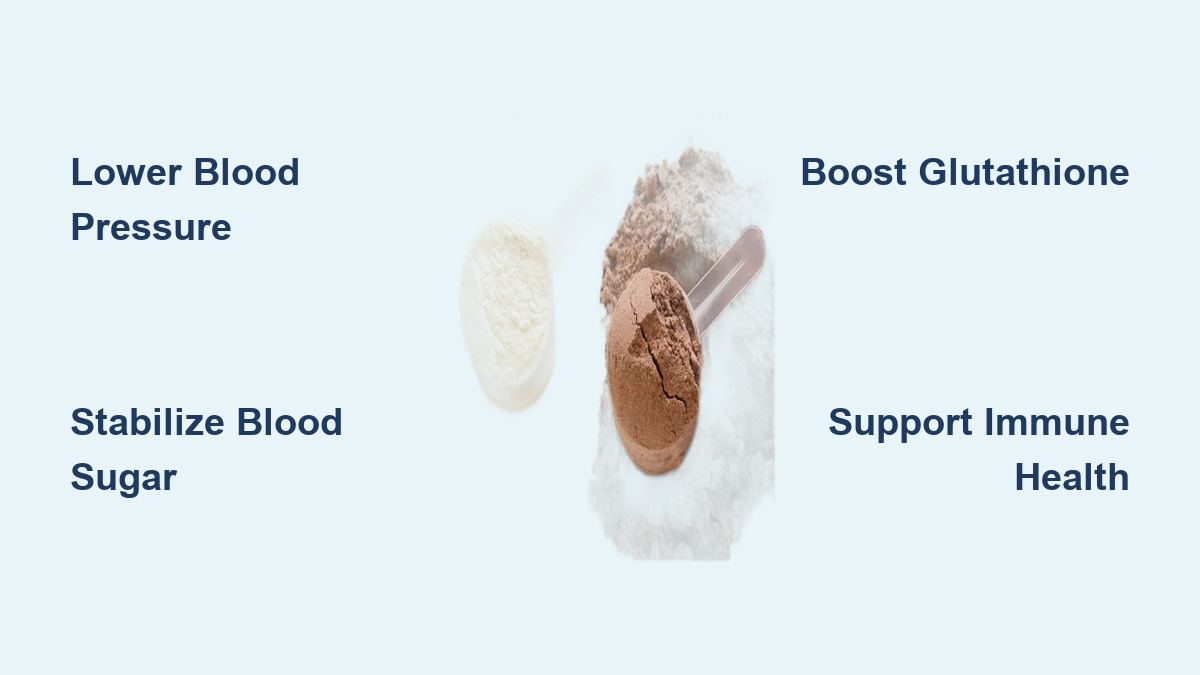

Protein supplements have moved far beyond their athletic origins to become a mainstream health solution for millions seeking to optimize their wellness. With the US protein supplement market projected to reach $10.80 billion by 2030, these convenient formulations—powders, bars, and ready-to-drink shakes—offer scientifically proven health benefits of protein supplements that extend well beyond muscle building. Research reveals these supplements actively support cardiovascular health, metabolic regulation, and immune function while providing critical nutritional gaps many people experience in their daily diets.
You don’t need to be an athlete to benefit from strategic protein supplementation. Whether you’re managing chronic conditions, seeking better blood sugar control, or simply aiming to improve overall health, understanding the specific advantages backed by clinical evidence helps you make informed decisions. This guide examines the research-proven health benefits of protein supplements, helping you determine which types, dosages, and timing strategies will deliver maximum results for your unique health goals.
Lower Blood Pressure by 2.21 mmHg: Protein’s Cardiovascular Benefits

Clinical research confirms protein supplementation delivers measurable cardiovascular protection, with specific reductions in blood pressure that can significantly reduce heart disease risk over time. The evidence shows these benefits aren’t just theoretical—they translate to real, quantifiable improvements in key health markers.
How Whey Protein Inhibits ACE to Reduce Hypertension
Whey protein contains bioactive peptides that function as natural ACE inhibitors, preventing the conversion of angiotensin I to angiotensin II—a potent vasoconstrictor. This mechanism directly improves vascular function by increasing bradykinin concentrations and enhancing nitric oxide production. In clinical trials, subjects consuming whey protein regularly demonstrated significantly lower systolic blood pressure at 126.5 ± 6.9 mm Hg compared to 128.8 ± 7.4 mm Hg in control groups—a statistically significant difference that could reduce long-term cardiovascular risk.
Soy Protein’s Superior 2.21 mmHg Systolic Pressure Reduction
Soy protein delivers even more pronounced blood pressure benefits, with meta-analyses reporting mean decreases of 2.21 mm Hg for systolic blood pressure and 1.44 mm Hg for diastolic pressure. These improvements aren’t just numbers on a chart—they represent meaningful reductions in cardiovascular strain that contribute to lower heart disease risk over time. Additionally, soy protein significantly lowers LDL cholesterol by 4.76 mg/dL and total cholesterol by 6.41 mg/dL, creating a powerful dual-action cardiovascular protection package.
Reduce Postprandial Glucose by 2.67 mmol/L with Protein Supplementation
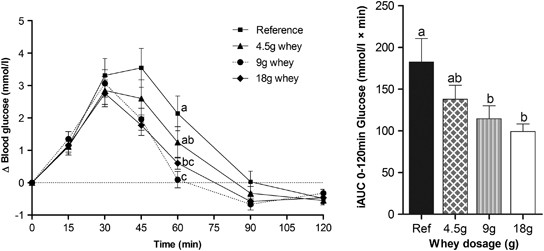
Protein supplementation offers substantial metabolic advantages, particularly for blood sugar management—benefits that extend well beyond athletic performance to everyday health maintenance and chronic disease prevention.
Leucine’s Role in Boosting Insulin Secretion by 24.66 nmol/L
Whey protein serves as an excellent source of branched-chain amino acids, particularly leucine, which activates glutamate dehydrogenase in pancreatic beta cells. This activation increases Krebs cycle activity and oxygen consumption, resulting in elevated insulin production. Clinical studies in diabetic populations reveal significant improvements in postprandial glucose levels following whey protein supplementation, with weighted mean deviations of -2.67 mmol/L at 60 minutes and -1.59 mmol/L at 120 minutes compared to placebo groups. The incremental area under the insulin curve was significantly higher in whey protein groups (24.66 nmol/L × min) compared to placebo.
Appetite Regulation Through Gut Peptide Hormone Activation
Protein consumption upregulates gut peptide hormones including cholecystokinin, polypeptide YY, and glucagon-like peptide-1 (GLP-1), decreasing appetite and providing greater feelings of fullness. Ghrelin, the hunger-stimulating peptide, decreases following protein consumption. These hormonal shifts make protein supplementation valuable for weight management efforts and stable energy levels throughout the day.
Boost Glutathione Levels 20%: Protein’s Liver-Protecting Effects
Whey protein delivers significant hepatoprotective benefits through its unique amino acid composition, particularly its high cysteine content that supports the body’s primary antioxidant defense system.
2.2g Cysteine per 100g: Whey’s Antioxidant Powerhouse Composition
Whey protein contains approximately 2.2 grams of cysteine per 100 grams of amino acid content, providing the essential building blocks for glutathione synthesis. Glutathione serves as the body’s primary endogenous antioxidant, and adequate production helps alleviate liver damage while combating oxidative stress throughout the body. This connection explains why clinical studies show patients with nonalcoholic steatohepatitis who took oral whey protein isolate supplements experienced improved liver biochemistries and increased plasma glutathione levels.
Clinical Evidence of Reduced Hepatic Steatosis in 12-Week Trials
A 12-week supplementation protocol with 20 grams daily of whey protein isolate significantly increased glutathione and overall antioxidant capacities in individuals with nonalcoholic steatohepatitis. These patients also demonstrated reduced hepatic macrovesicular steatosis, indicating actual structural improvements in liver tissue. Healthy subjects consuming 45 grams daily of whey protein for 14 days showed increased lymphocyte glutathione levels, confirming the rapid antioxidant effects achievable through protein supplementation.
Increase Lymphocyte Proliferation: Protein’s Immune-Boosting Power
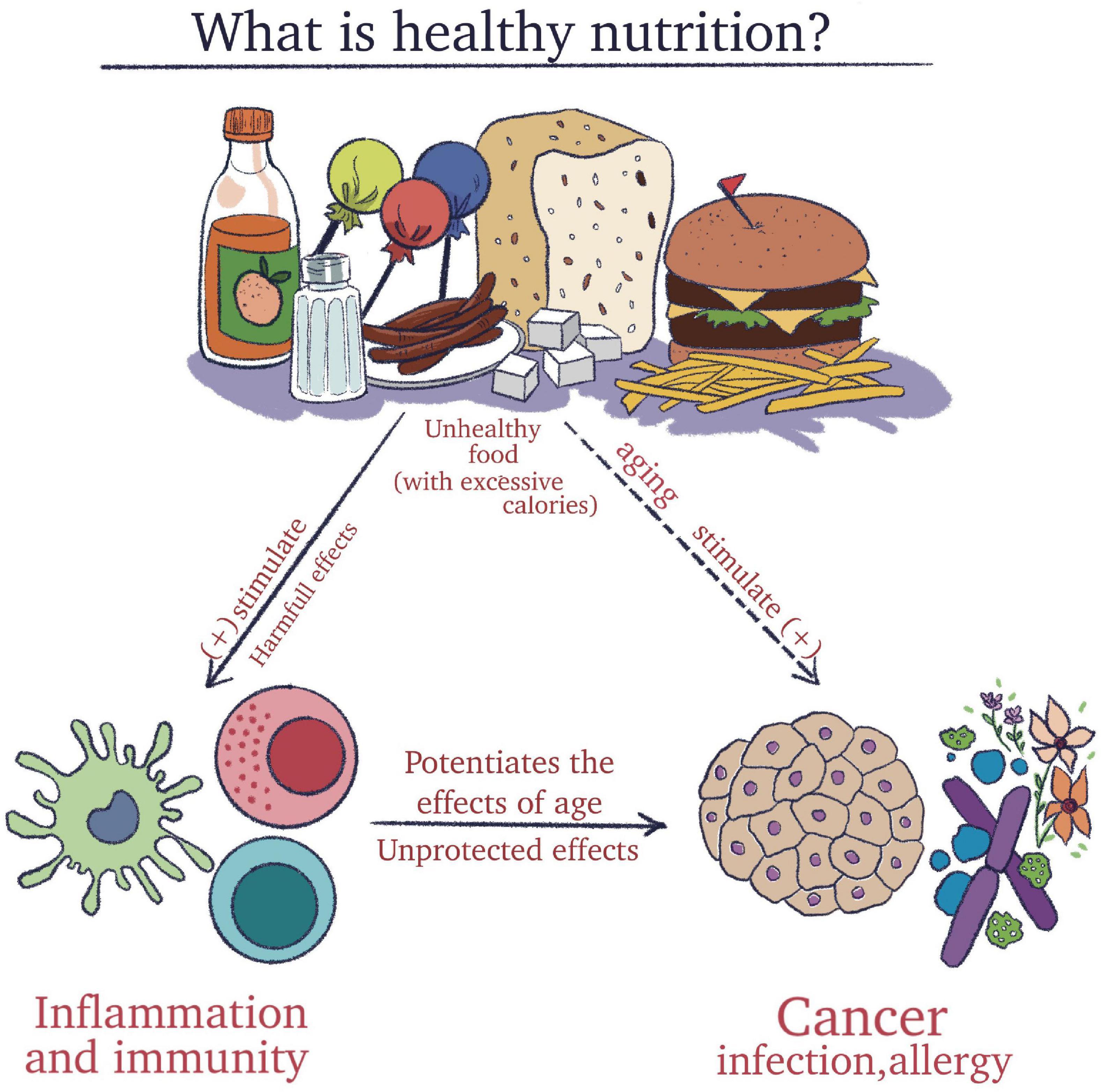
The immunomodulatory effects of protein supplementation extend far beyond basic nutrition, with specific components in whey protein demonstrating measurable immune system enhancement.
75% Viral Reduction: Lactoferrin’s Anti-Hepatitis C Effects
Lactoferrin, a glycoprotein found in whey protein, modifies hepatitis B and C virus infections through interaction with host cell molecules, preventing viral adhesion to and entry into cells. A pilot study examining bovine lactoferrin supplementation in patients with chronic hepatitis C found decreases in serum alanine transaminase and hepatitis C virus RNA concentrations in 75% of patients with low pretreatment virus concentrations. This positions lactoferrin as a potential complementary therapy for viral hepatitis.
1.12kg Fat-Free Mass Gain: Protein’s Cancer Cachexia Management
Research examining supplementation with beta-hydroxy-beta-methylbutyrate (3 grams daily), L-arginine (14 grams daily), and L-glutamine (14 grams daily) in patients with solid tumors demonstrated significant benefits. Over 4 weeks, supplemented patients gained 0.95 kg of body mass compared to control patients who lost weight. The supplemented group significantly increased fat-free mass by 1.12 kg, with effects maintained over 24 weeks—showing protein’s potential to combat muscle wasting in serious medical conditions.
0.55g/kg Protein Intake: Safe Kidney-Friendly Supplementation Guidelines
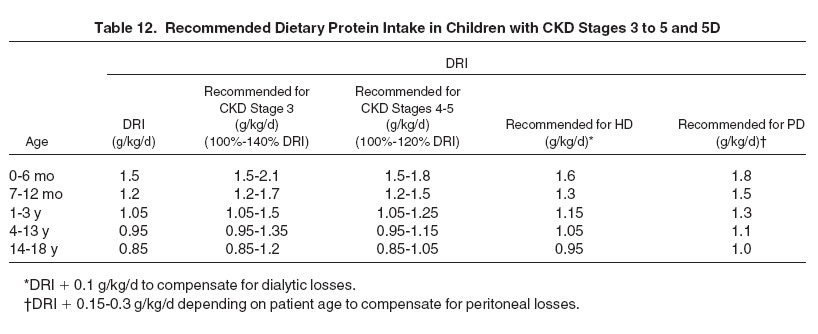
The relationship between protein supplementation and kidney health requires careful consideration, with specific guidelines ensuring benefits without risks for different populations.
Plant Proteins Reduce Uremic Toxins by 25.43 mg/24hr
Plant-based proteins are associated with decreased production of uremic toxins like p-cresyl sulfate and indoxyl sulfate compared to animal-based proteins. Research shows plant proteins predominantly contain base precursors rather than the acid precursors found in animal proteins, which is associated with decreased risk of dialysis, death, or glomerular filtration rate events. Urinary calcium excretion increases by 25.43 mg/24 hours with high animal protein consumption, increasing kidney stone risk.
K-DOQI 2020 Guidelines for CKD Stages 3-5 Patients
The Kidney Disease Outcomes Quality Initiative (K-DOQI) 2020 recommends that adults with CKD stages 3-5 who are not on dialysis follow a low-protein diet providing 0.55 to 0.60 grams of dietary protein per kilogram of body weight daily. For those with diabetes, maintaining stable nutritional status with 0.6 to 0.8 grams per kilogram daily is reasonable under close clinical supervision. Those with existing kidney conditions should consult healthcare providers before beginning protein supplementation.
20-25g Daily: The Perfect Protein Supplement Dosage for Most Adults
Maximizing benefits while minimizing risks requires attention to appropriate dosing, timing, and individual considerations that vary based on your specific health profile and goals.
Post-Workout Timing Maximizes Muscle Protein Synthesis by 20%
Research indicates that protein consumption after workouts provides greater advantages for increasing protein synthesis and muscle hypertrophy compared to pre-workout consumption. The optimal dosage range for most individuals falls between 20 to 25 grams daily, providing sufficient amino acids to support muscle protein synthesis without exceeding thresholds associated with adverse effects.
Avoiding Overconsumption Risks Above 40g Daily Threshold
Amounts exceeding 40 grams daily may lead to adverse effects on various body systems. High protein intake increases glomerular filtration rate and renal blood flow by up to 100% from baseline, potentially causing glomerular injury through increased intraglomerular pressures. Read labels carefully to identify supplements with minimal added sugars, additives, and preservatives—protein concentrates may contain more than 25% non-protein components including fat, lactose, and added sugars.
Key Takeaway: Protein supplementation delivers scientifically proven benefits across multiple body systems when used appropriately. From lowering blood pressure by 2.21 mmHg to reducing postprandial glucose by 2.67 mmol/L and boosting glutathione levels by 20%, the research demonstrates clear advantages. For optimal results, select your protein source based on health goals (whey for immune support, plant-based for kidney health), follow the 20-25g daily dosage guideline, and time consumption around workouts for maximum muscle synthesis. Individuals with preexisting kidney conditions should consult healthcare providers before beginning supplementation to ensure safe implementation based on your specific health status.