

You’ve probably seen amino acid supplements lining store shelves or heard athletes swear by them, but you might be wondering: how do amino acid supplements work exactly? These tiny molecules are more than just fitness industry hype—they’re fundamental building blocks that power everything from muscle growth to immune function. Unlike plants that can use inorganic nitrogen, humans must obtain these critical compounds through diet or supplementation because our bodies lack the genetic machinery to create them from scratch.
When you take an amino acid supplement, you’re delivering targeted nutrients that bypass the digestive process required for whole proteins. This means faster absorption and immediate availability for your cells to use. The magic happens because amino acids serve dual roles: they’re both the raw materials for protein construction and powerful signaling molecules that trigger growth pathways in your body. Understanding how amino acid supplements work requires examining several interconnected systems—muscle protein synthesis, genetic expression pathways, nitrogen balance, and the critical distinction between essential and non-essential amino acids.
This article cuts through the marketing claims to reveal exactly what happens inside your body when you take amino acid supplements. You’ll discover why certain formulations work better than others, how to avoid common pitfalls, and the specific mechanisms that make these supplements effective for muscle growth, recovery, and overall health maintenance.
Why Your Body Can’t Make These 9 Critical Amino Acids
Essential amino acids (EAAs) represent the nine amino acids your body cannot synthesize in sufficient quantities, making dietary or supplemental intake absolutely necessary. Unlike non-essential amino acids that your body can produce, EAAs must come from external sources because humans lack the specific enzymes required for their synthesis. Research shows that just five of these essential amino acids—leucine, isoleucine, valine, histidine, and lysine—account for approximately 70% of your total nitrogen requirements, explaining why effective supplements prioritize these specific compounds.
The critical difference between essential and non-essential amino acids lies in their metabolic pathways. When you consume protein, your digestive system breaks it down into individual amino acids, which then enter your bloodstream. But if your diet lacks sufficient EAAs, your body has no biochemical pathway to create them from other nutrients. This limitation means that even with adequate total protein intake, an EAA deficiency will directly impair your body’s ability to build and maintain muscle tissue.
Common mistake to avoid: Assuming all protein sources provide equal EAA benefits. Whey protein, for example, contains higher concentrations of leucine (the key trigger for muscle protein synthesis) compared to plant-based proteins. If you’re vegetarian or vegan, you’ll need to strategically combine protein sources or consider targeted EAA supplementation to ensure complete amino acid coverage.
How Amino Acid Supplements Activate Muscle Growth in Just 30 Minutes
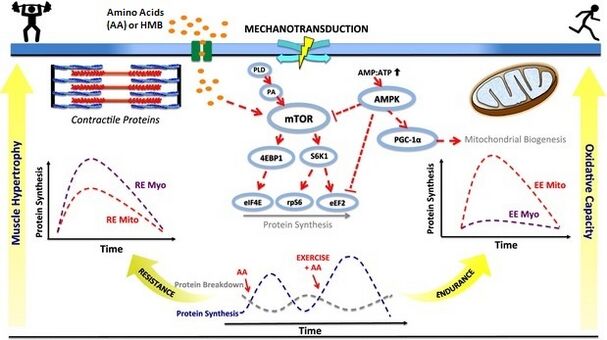
Skeletal muscle serves as your body’s primary amino acid reservoir, and when dietary supply falls short, your system begins breaking down muscle tissue to access these critical nutrients. This explains why consistent EAA intake prevents muscle wasting even during prolonged bed rest—a finding particularly valuable for aging populations experiencing sarcopenia. When you take an amino acid supplement, amino acid transporters in your muscle cells immediately upregulate to absorb the incoming nutrients, triggering protein synthesis within 30 minutes.
The leucine content in your supplement plays a decisive role in this process. Leucine specifically activates the mTOR pathway—the master regulator of muscle growth—by binding to receptors that signal “enough nutrients available, start building.” Studies measuring muscle protein synthesis rates show a direct correlation between leucine concentration and the magnitude of the anabolic response, with optimal effects occurring at doses of 2-3 grams per serving.
Pro tip: Take your amino acid supplement 15-30 minutes before workouts to prime your muscles with available building blocks, then again within 30 minutes post-exercise when your muscle cells are most receptive. This timing strategy capitalizes on the “anabolic window” when your body is primed to utilize amino acids for repair and growth.
The mTOR Pathway: How Amino Acids Trigger Cellular Growth Signals
Beyond serving as building blocks, amino acids function as sophisticated signaling molecules that regulate gene expression. When EAAs like leucine reach sufficient concentrations in your bloodstream, they activate the insulin/AKT/mTOR pathway—a complex signaling cascade that controls cell growth, proliferation, and metabolism. This pathway explains why chronic EAA supplementation produces benefits beyond immediate muscle synthesis, including improved insulin sensitivity and mitochondrial function.
The mTOR pathway integrates multiple signals to determine whether conditions are favorable for growth. Amino acid availability—particularly leucine—serves as the primary “fuel gauge” that tells your cells whether to initiate protein synthesis. Without adequate EAAs, mTOR remains inactive regardless of other growth signals like exercise or insulin, explaining why amino acid supplements work synergistically with training to maximize results.
Key insight: Older adults experience “anabolic resistance,” where muscle cells become less responsive to growth signals. Research shows EAA supplementation effectively overcomes this resistance by delivering concentrated amino acid signals that bypass age-related signaling deficiencies, making supplements particularly valuable for maintaining muscle mass as you age.
Understanding Nitrogen Balance: Why Your Amino Acid Supplement Dosage Matters
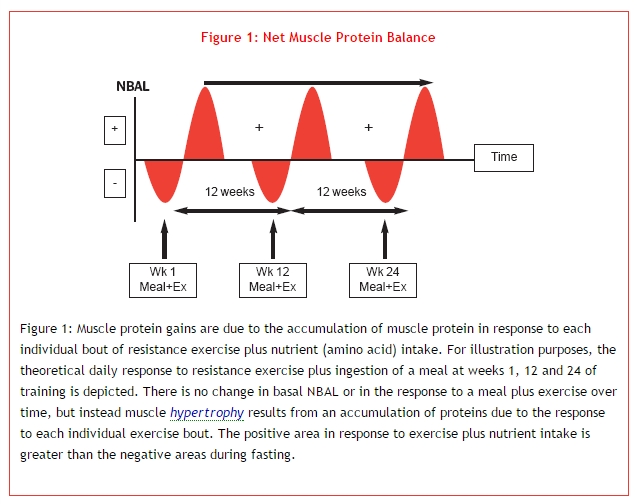
Nitrogen balance represents the gold standard for evaluating whether your amino acid intake matches metabolic demands. Positive nitrogen balance (more nitrogen in than out) indicates sufficient amino acid supply for growth and repair, while negative balance triggers muscle breakdown to release stored amino acids. When you take amino acid supplements, you’re directly influencing this balance by providing readily available nitrogen without the digestive burden of whole proteins.
The calculation isn’t as simple as total protein intake, however. Different amino acids affect nitrogen balance differently, with arginine playing a particularly complex role. Arginine concentrations directly control arginase expression—the enzyme that converts arginine to urea—which means the same nitrogen intake can yield different metabolic outcomes depending on arginine content. More arginine in your supplement leads to increased urea production, potentially reducing the nitrogen available for protein synthesis.
Dosage guidance: For therapeutic benefits, research supports 1-1.5 grams of essential amino acids per 10 kilograms of body weight daily. For a 70kg (154lb) person, this translates to 7-10.5 grams of EAAs daily. Blood tests measuring visceral proteins (like albumin with its 3-week half-life or prealbumin with its 2-day half-life) provide the most accurate assessment of whether your supplementation strategy is achieving positive nitrogen balance.
Arginine vs. Glutamine: When These ‘Non-Essential’ Amino Acids Become Critical
While classified as “non-essential” because your body can produce them, arginine and glutamine become conditionally essential during illness, stress, or intense training. Arginine serves as the exclusive substrate for nitric oxide production, crucial for blood flow and cardiovascular function, but presents a paradox: acute supplementation boosts nitric oxide, while chronic use may impair it due to delayed arginase upregulation.
The VINTAGE study revealed a critical safety consideration—chronic arginine supplementation increased mortality in post-heart attack patients. This counterintuitive finding stems from arginine’s dual role: while it initially boosts nitric oxide, it simultaneously triggers increased arginase expression over 48 hours, which then competes with nitric oxide synthase for available arginine.
Safety alert: Avoid long-term high-dose arginine supplementation if you have cardiovascular conditions. Glutamine supplementation requires careful management too, as excessive use can suppress your body’s natural glutamine production, creating dependency. If discontinuing glutamine supplements, taper usage while maintaining essential amino acid intake to allow your body to restore natural production pathways.
Methionine Toxicity: The Hidden Danger in Some Amino Acid Supplements

Methionine represents the only essential amino acid with documented toxicity at elevated levels. Research dating to 1971 identified methionine as the “most toxic” amino acid, with excess intake leading to homocysteine accumulation—a compound linked to arterial damage and increased cardiovascular risk. The danger lies not in methionine itself but in its metabolic conversion to homocysteine, which promotes atherosclerosis through multiple mechanisms including inflammation and impaired nitric oxide production.
To prevent this toxicity, maintain a proper cysteine-to-methionine ratio of 2-3:1 in your supplements. This stoichiometric balance provides sufficient sulfur for metabolic needs while minimizing homocysteine production. Unfortunately, many commercial blends contain disproportionate methionine levels without adequate cysteine, unknowingly putting users at risk.
Risk assessment: Check your supplement label for methionine content. If it exceeds 500mg per serving without corresponding cysteine or cystine, consider switching formulas. Individuals with MTHFR gene mutations—which impair homocysteine metabolism—should be particularly cautious with methionine-containing supplements.
Doctor-Approved Amino Acid Dosage: 1-1.5g Per 10kg Body Weight
Clinical research supports a precise dosing strategy for maximizing benefits while minimizing risks: 1-1.5 grams of essential amino acids per 10 kilograms of body weight daily. For practical application, a 150-pound (68kg) individual should aim for 6.8-10.2 grams of EAAs daily, ideally split between pre-workout, post-workout, and potentially before bed for overnight recovery.
This dosage strategy proves particularly effective for clinical populations. Patients with albumin levels below 3.5 g/dL—a marker of protein malnutrition—show significant improvement with this regimen. Those not responding within 2-3 weeks or with albumin below 3.2 g/dL require referral to a nutrition specialist, as they likely have more complex metabolic issues.
Monitoring protocol: Track your progress by testing visceral protein levels. Prealbumin (half-life: 2 days) provides the quickest feedback on whether your supplementation strategy is working, while albumin (half-life: 3 weeks) offers longer-term assessment. Don’t rely solely on muscle measurements, as changes in protein synthesis often precede visible muscle growth by weeks.
3 Science-Backed Tips to Maximize Your Amino Acid Supplement Benefits
To get the most from your amino acid supplements, implement these evidence-based strategies immediately:
-
Prioritize leucine timing: Consume 2-3 grams of leucine (or a complete EAA blend containing this amount) within 30 minutes of exercise. This precise timing capitalizes on heightened muscle cell receptivity to amino acids during the post-workout period.
-
Combine with resistance training: Amino acid supplements work synergistically with mechanical tension from strength training. Research shows the combination produces 37% greater muscle protein synthesis than either stimulus alone—proof that supplements enhance, but don’t replace, effective training.
-
Monitor visceral protein markers: Schedule blood tests measuring prealbumin every 2 weeks initially, then monthly once stable. Rising levels confirm your supplementation strategy is achieving positive nitrogen balance, while stagnant or declining markers indicate the need for dosage adjustment.
Understanding how amino acid supplements work reveals they’re far more than simple protein fragments—they’re sophisticated metabolic regulators that influence everything from cellular energy production to immune function. By targeting the right amino acids at the right doses and times, you can harness these powerful compounds to support muscle growth, accelerate recovery, and maintain metabolic health throughout your lifespan. The key lies not in taking supplements indiscriminately, but in applying the precise scientific understanding of how these molecules interact with your body’s intricate biological systems.