

You’ve likely heard that vitamin C is crucial for glowing, healthy skin—but did you know that taking vitamin C supplements works differently than topical serums? While skincare products deliver concentrated doses to your skin’s surface, oral vitamin C supplements provide systemic benefits that reach every layer of your skin through your bloodstream. This internal support system helps combat oxidative damage, boost collagen production, and maintain your skin’s structural integrity from the inside out. If you’re noticing dullness, fine lines, or slower healing from minor skin injuries, vitamin C supplements might be the missing piece in your skincare routine that works while you sleep, eat, and go about your daily life.
Understanding how vitamin C supplements help skin requires examining the science behind this essential nutrient’s journey through your body. Unlike topical applications that primarily affect surface layers, oral supplementation elevates vitamin C levels throughout your entire skin structure, creating a protective network against environmental damage. Whether you’re concerned about premature aging, sun damage, or simply want to maintain your skin’s natural resilience, this article reveals exactly how vitamin C supplements deliver measurable benefits you can see and feel.
Why Your Skin Needs Vitamin C Supplements Daily
Your skin naturally contains high concentrations of vitamin C in both the epidermis and dermis layers, with the outer layer actually holding more vitamin C than the deeper tissue. This distribution isn’t accidental—vitamin C serves as your skin’s first line of defense against environmental stressors. The problem is that aging and daily exposure to UV radiation, pollution, and cigarette smoke steadily deplete these vital stores. Without adequate replenishment through diet or supplements, your skin loses its ability to repair itself effectively.
Oral vitamin C supplements efficiently deliver this critical nutrient to all skin layers via specialized transport proteins in your bloodstream. Research shows that consistent supplementation increases skin vitamin C levels until they reach an optimal saturation point—beyond which additional intake provides minimal extra benefit. This natural regulatory system means you don’t need megadoses; rather, daily consistent intake of 500-1000mg provides maximum skin benefits without waste. The real advantage of supplements over dietary sources alone is their ability to maintain stable blood levels, ensuring your skin receives continuous protection regardless of meal timing or food preparation methods that might degrade vitamin C content.
How Much Vitamin C Do You Really Need for Skin Benefits?
Determining your ideal vitamin C supplement dosage requires understanding that skin benefits plateau at certain intake levels:
- 200-250mg daily: Enough to prevent deficiency but may not maximize skin benefits
- 500-1000mg daily: Optimal range for most adults to achieve skin saturation
- Over 2000mg daily: Excess is excreted and doesn’t increase skin vitamin C levels
Your individual needs may vary based on:
– Current sun exposure levels
– Smoking status (smokers require more vitamin C)
– Age (older adults have lower baseline levels)
– Existing skin conditions
Targeting UV Damage With Vitamin C Supplements
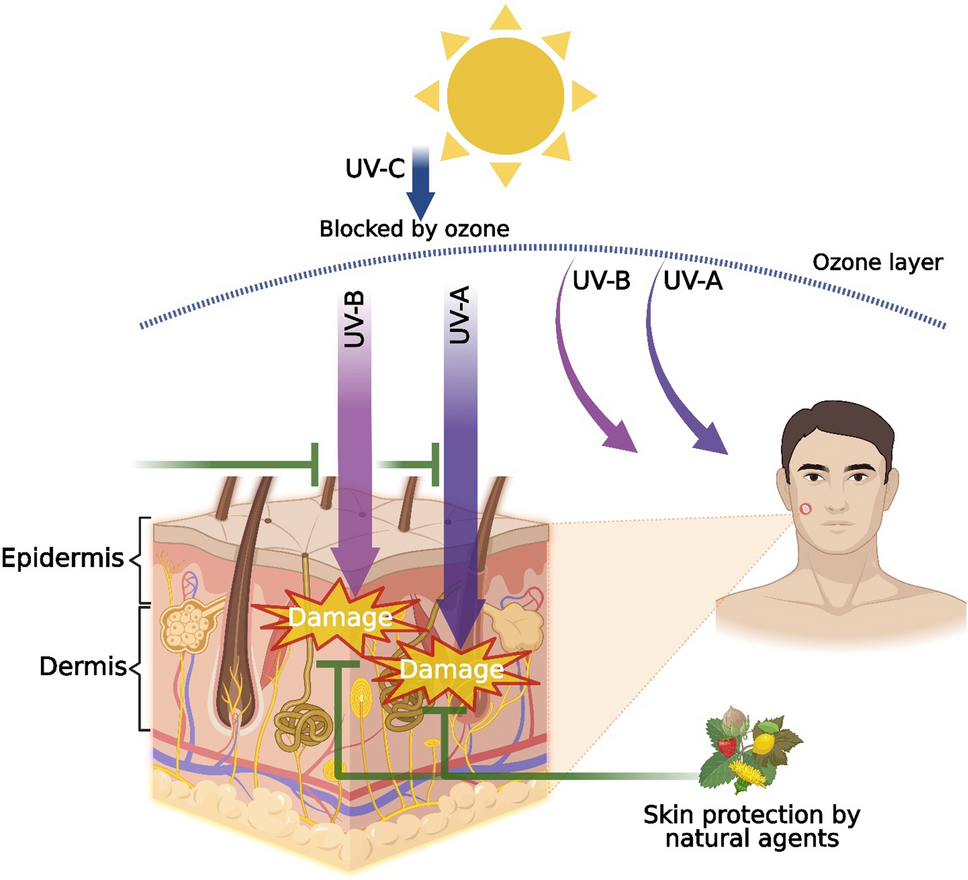
Vitamin C supplements don’t replace sunscreen—they work alongside it by neutralizing free radicals generated when UV rays penetrate your skin. When you take vitamin C orally, it circulates through your bloodstream, reaching skin cells before UV exposure can cause significant damage. This preemptive protection is crucial because your skin cells actually increase vitamin C transporter production when anticipating UV damage, showing how evolution has wired your body to prioritize this nutrient for photoprotection.
Why Vitamin C Alone Isn’t Enough for Sun Protection
Research reveals an important limitation: vitamin C supplements by themselves provide incomplete UV protection. Studies measuring Minimal Erythemal Dose (MED)—the amount of UV exposure needed to cause sunburn—showed no significant improvement with vitamin C alone. However, when combined with vitamin E supplements, participants experienced:
- A 40-50% increase in MED
- Reduced redness and inflammation after sun exposure
- Less DNA damage in skin cells
This powerful synergy occurs because vitamin E neutralizes free radicals in cell membranes, while vitamin C regenerates used vitamin E back to its active form. For maximum sun protection benefits, look for supplements that combine both antioxidants in a 4:1 or 5:1 vitamin C to vitamin E ratio.
Boosting Collagen Production With Oral Vitamin C
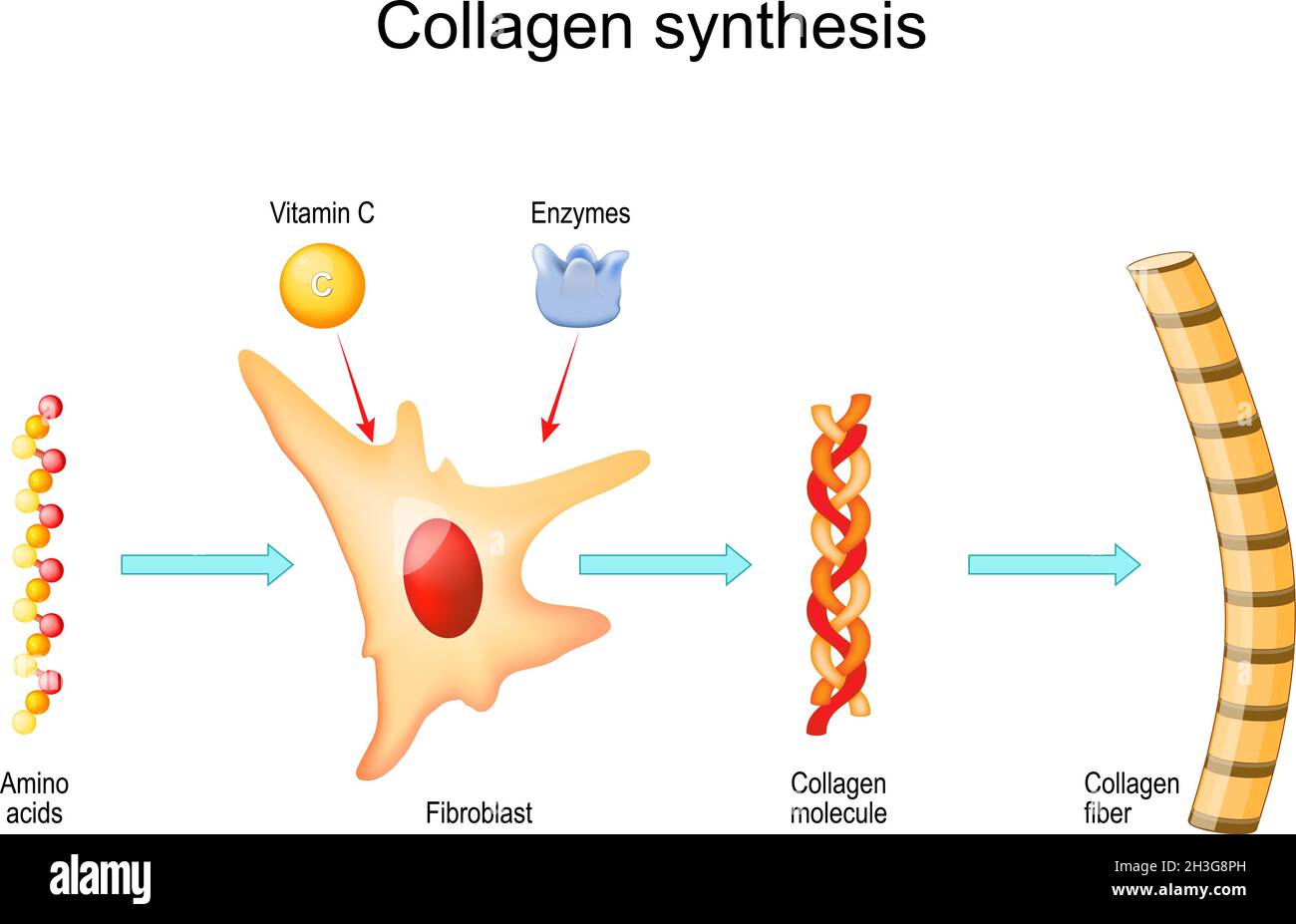
The visible signs of aging—fine lines, wrinkles, and loss of firmness—largely stem from declining collagen production. Vitamin C supplements directly address this issue by serving as an essential cofactor in collagen synthesis. Specifically, vitamin C enables the hydroxylation process that stabilizes collagen molecules, allowing them to form the strong, supportive networks your skin needs. Without adequate vitamin C, collagen fibers remain weak and unstable, accelerating visible aging.
How Long Before You See Collagen Results?
Unlike topical vitamin C that may show surface improvements in 4-8 weeks, oral supplementation works more gradually but delivers deeper benefits:
- Weeks 4-8: Improved skin hydration and subtle radiance
- Weeks 8-12: Noticeable reduction in fine lines
- Months 3-6: Significant improvement in skin firmness and texture
Consistency is key—skipping doses creates gaps in collagen support that undermine these progressive benefits. For best results, take your vitamin C supplement with breakfast to maintain steady blood levels throughout the day when UV exposure typically peaks.
Repairing Skin Damage Faster With Vitamin C
If you’ve ever noticed that cuts, scrapes, or acne wounds take longer to heal as you age, vitamin C deficiency might be a contributing factor. Vitamin C supplements accelerate multiple stages of the wound healing process by:
- Stimulating fibroblast activity (collagen-producing cells)
- Promoting keratinocyte differentiation for proper barrier formation
- Reducing oxidative stress at the injury site
- Supporting new blood vessel formation
Clinical studies show that vitamin C supplementation significantly improves healing in deficient individuals, but even those with adequate baseline levels experience benefits for specific skin concerns. For example, patients recovering from laser procedures or chemical peels who took 1000mg of vitamin C daily showed 25% faster healing times and less post-procedure redness compared to placebo groups.
Combating Dry Skin From the Inside Out
Dry, flaky skin often signals impaired barrier function, and vitamin C supplements help address this issue at its source. Research shows that higher dietary vitamin C intake correlates with decreased trans-epidermal water loss (TEWL)—the scientific term for moisture escaping through your skin barrier. By promoting synthesis of barrier lipids in the stratum corneum, vitamin C helps your skin retain moisture more effectively.
The Vitamin C Hydration Timeline
Unlike moisturizers that provide temporary surface relief, vitamin C supplements work to rebuild your skin’s natural moisture barrier:
- Days 1-7: Reduced tightness after cleansing
- Weeks 2-4: Less flakiness and improved product absorption
- Weeks 4-8: Noticeable improvement in skin plumpness
For best results, combine your vitamin C supplement with adequate water intake and healthy fats in your diet—these nutrients work synergistically to optimize skin hydration from within.
Oral Supplements vs Topical Vitamin C: Which Works Better?
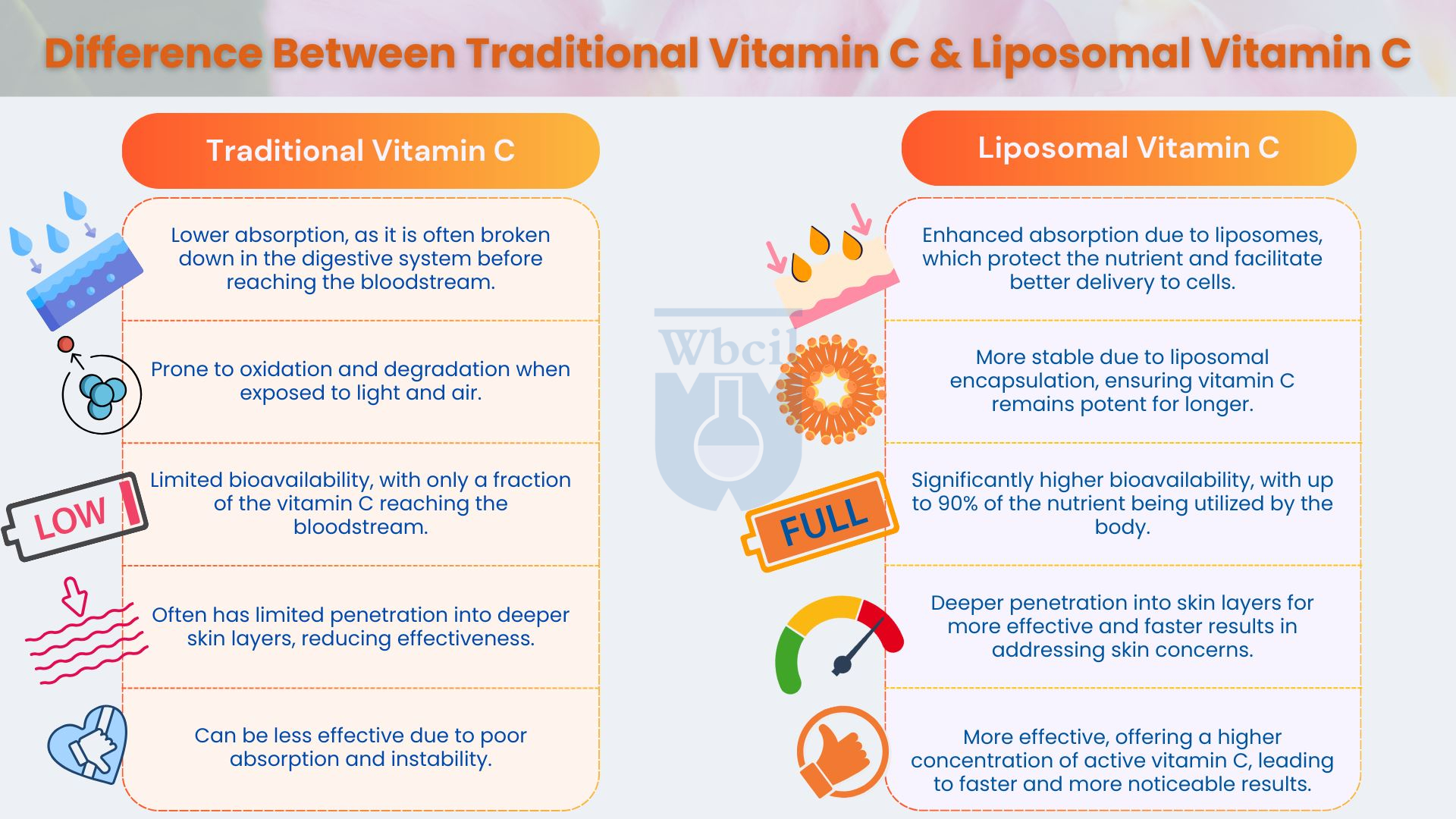
While topical vitamin C serums deliver high concentrations directly to skin surface, they face significant limitations that oral supplements overcome:
| Factor | Oral Vitamin C Supplements | Topical Vitamin C Serums |
|---|---|---|
| Skin Layer Coverage | Reaches dermis and epidermis | Primarily affects epidermis |
| Stability | Stable in capsule form | Degrades with light/air exposure |
| Consistency | Daily blood level maintenance | Requires perfect application technique |
| Barrier Penetration | Natural transport mechanisms | Limited by stratum corneum |
The most effective approach combines both methods—oral supplements provide foundational support while topical products deliver concentrated surface benefits. However, research shows that individuals with high dietary vitamin C intake see minimal additional benefit from topical application, suggesting that getting your internal levels optimized should be your first priority.
3 Proven Strategies to Maximize Vitamin C Supplement Benefits
Simply taking vitamin C isn’t enough—you need to optimize your approach for maximum skin benefits:
-
Pair with bioflavonoids: Choose supplements containing citrus bioflavonoids, which increase vitamin C absorption by up to 35% and extend its activity in skin tissue
-
Take with vitamin E: As mentioned earlier, this combination creates a powerful antioxidant network that provides significantly better UV protection than either nutrient alone
-
Time your dosage strategically: Take your vitamin C supplement with your morning meal to ensure peak blood levels coincide with maximum daytime UV exposure
Avoid the common mistake of taking excessive doses—your body can only absorb about 200mg at a time, so splitting larger doses (like 500mg twice daily) provides better sustained levels than a single 1000mg dose.
Your Skin Transformation Action Plan
Vitamin C supplements deliver measurable skin benefits when used strategically as part of your daily routine. By understanding how they work differently than topical products, you can create a comprehensive approach that addresses your skin concerns from multiple angles. Remember that consistency matters more than dosage—daily intake of 500-1000mg provides optimal skin saturation without waste.
Start incorporating vitamin C supplements into your morning routine today, pair them with vitamin E for enhanced photoprotection, and give your skin 8-12 weeks to reveal noticeable improvements in texture, firmness, and radiance. For best results, combine this internal approach with proper sun protection and a balanced diet rich in other skin-supporting nutrients. Your skin’s transformation begins from within—vitamin C supplements provide the essential foundation for healthier, more resilient skin at any age.