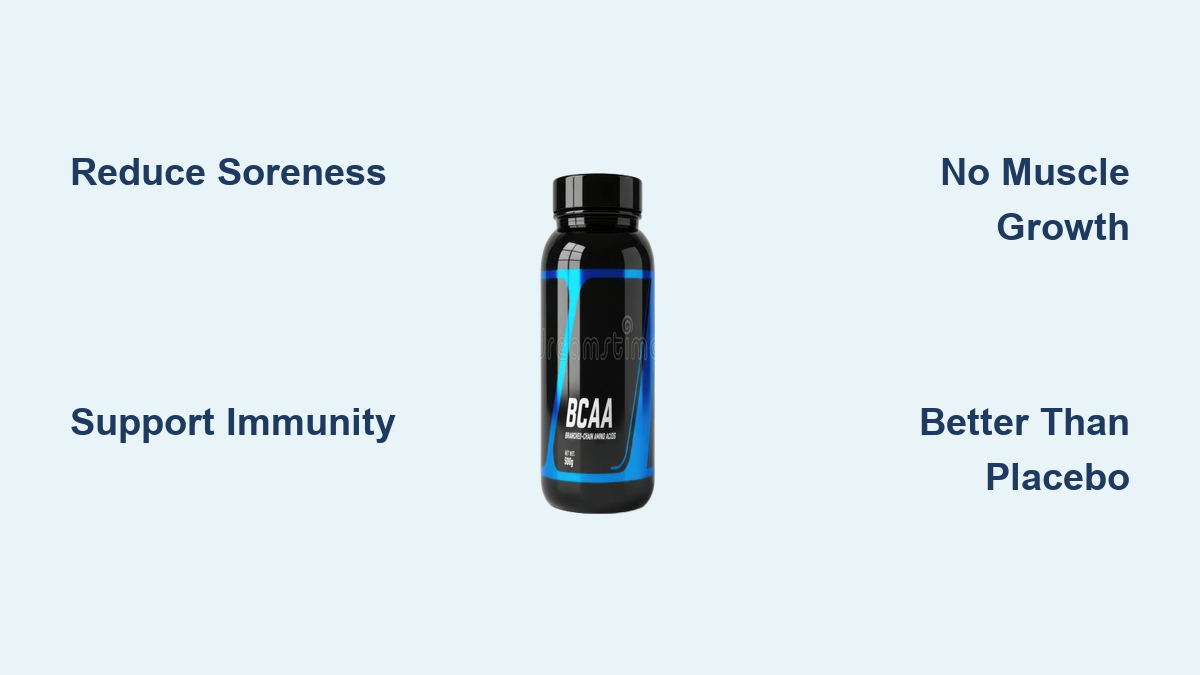

Walk into any supplement store or scroll through fitness influencers’ pages, and you’ll encounter bold promises about BCAA supplements—faster muscle growth, better performance, and quicker recovery. But after analyzing decades of research involving hundreds of athletes, the scientific reality tells a different story. How effective are BCAA supplements really? The answer might surprise you. While these branched-chain amino acid products have built a multi-million dollar industry, most studies show effects that range from negligible to counterproductive for their primary claimed benefits.
The theory behind BCAAs sounds compelling: leucine activates muscle-building pathways, so more must equal better results. Yet direct evidence contradicts this assumption. Intravenous studies measuring muscle protein synthesis show BCAAs actually decrease synthesis rates rather than increase them. Performance studies across 24 different investigations consistently fail to demonstrate meaningful improvements. And critically, no study has ever directly measured muscle protein synthesis in humans after oral BCAA supplementation alone—a glaring gap in a literature spanning decades.
If you’re considering BCAA supplements expecting dramatic muscle gains or performance breakthroughs, the science suggests you’ll likely be disappointed. Understanding what the evidence actually shows—not what marketing claims—can help you make an informed decision about whether these supplements deserve space in your gym bag or budget.
BCAA Muscle Growth Claims vs. Scientific Reality
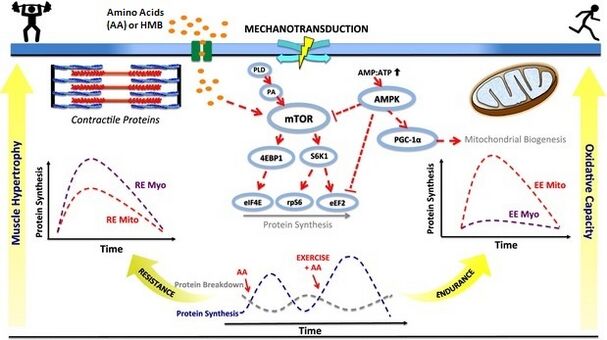
The most pervasive marketing claim about BCAAs is that they stimulate muscle protein synthesis and promote growth. Supplement companies highlight leucine’s ability to activate the mTOR pathway, suggesting it’s the “anabolic trigger” for muscle development. But this overlooks a fundamental physiological constraint: muscle protein synthesis requires all nine essential amino acids as building blocks, not just the three BCAAs.
Why Leucine Activation Doesn’t Equal Muscle Growth
When you consume BCAAs alone, you might activate anabolic signaling pathways, but without the other six essential amino acids present, actual protein synthesis cannot increase. It’s like turning a car’s ignition with an empty gas tank—the engine cycles but the vehicle goes nowhere. Research comparing BCAA supplementation with complete protein sources consistently shows whey protein produces greater anabolic responses than equivalent BCAA amounts.
Intravenous Studies Show BCAAs Reduce Protein Synthesis
The most direct evidence comes from forearm balance method studies where researchers infused BCAAs into human subjects. Rather than stimulating growth, this intervention decreased muscle protein synthesis rates from approximately 37 to 21 nmol/min/100 ml—a statistically significant reduction. Prolonged 16-hour infusions produced similar results, decreasing synthesis from 36 to 27 nmol/min/100 ml. In both cases, the catabolic state persisted, meaning muscle breakdown continued to exceed synthesis despite elevated BCAA levels.
Performance Results Across Sports: What 24 Studies Actually Found

A comprehensive systematic review examining 24 studies involving athletes found that BCAA supplementation produced negligible effects on performance outcomes across virtually every athletic population and exercise modality studied. Whether subjects were cyclists, runners, resistance athletes, soccer players, or volleyball players, the results were remarkably consistent: BCAAs simply didn’t improve performance in any meaningful way.
Cycling and Running: Minimal Power Improvements That Missed Significance
A 10-week study of 18 male cyclists supplementing with 12 grams of BCAAs daily found increases in peak power (20%) and mean power (4%), along with an 11% improvement in time to complete 4 kilometers. But these improvements did not reach statistical significance between groups, and researchers acknowledged nutritional intake wasn’t controlled throughout the study.
Resistance Training: Mixed Results with One Carbohydrate-Restricted Study
Among resistance training populations, only one study showed significant benefits—but with important context. An 8-week study of 17 male athletes during carbohydrate restriction found BCAA supplementation (14 grams before and after workouts) produced strength increases of 7.1 kg in lower body and 15.1 kg in upper body. However, the carbohydrate comparison group showed minimal upper body strength gains of 4.8 kg, suggesting the benefit may have stemmed from the hypocaloric condition rather than BCAAs themselves.
The One Proven Benefit: BCAAs Reduce Muscle Soreness
Among all outcomes studied, BCAA supplementation shows the most consistent benefit for reducing muscle soreness—particularly after resistance training. Multiple studies report that BCAAs attenuate delayed onset muscle soreness in the critical 24-72 hour window following intense exercise.
24-72 Hour Soreness Reduction in Resistance Training
Research involving 16 resistance training athletes found that decrements in muscle strength were significantly reduced at 24 and 48 hours post-exercise following BCAA supplementation. Muscle soreness ratings were higher in the placebo trial at both time points, indicating a protective effect. A separate study of 20 male resistance athletes over 8 days found the BCAA group reported less muscle soreness at 48 and 72 hours post-exercise.
Why Markers Don’t Match: Creatine Kinase vs. Subjective Soreness
The mechanism for this effect remains somewhat mysterious. Some studies show lower creatine kinase levels (a muscle damage marker) in BCAA trials at 48 hours post-exercise, while others find no differences in traditional damage markers despite reduced soreness ratings. This pattern suggests BCAAs may influence perceived soreness through mechanisms independent of actual muscle damage levels.
Immune System Support During Heavy Training
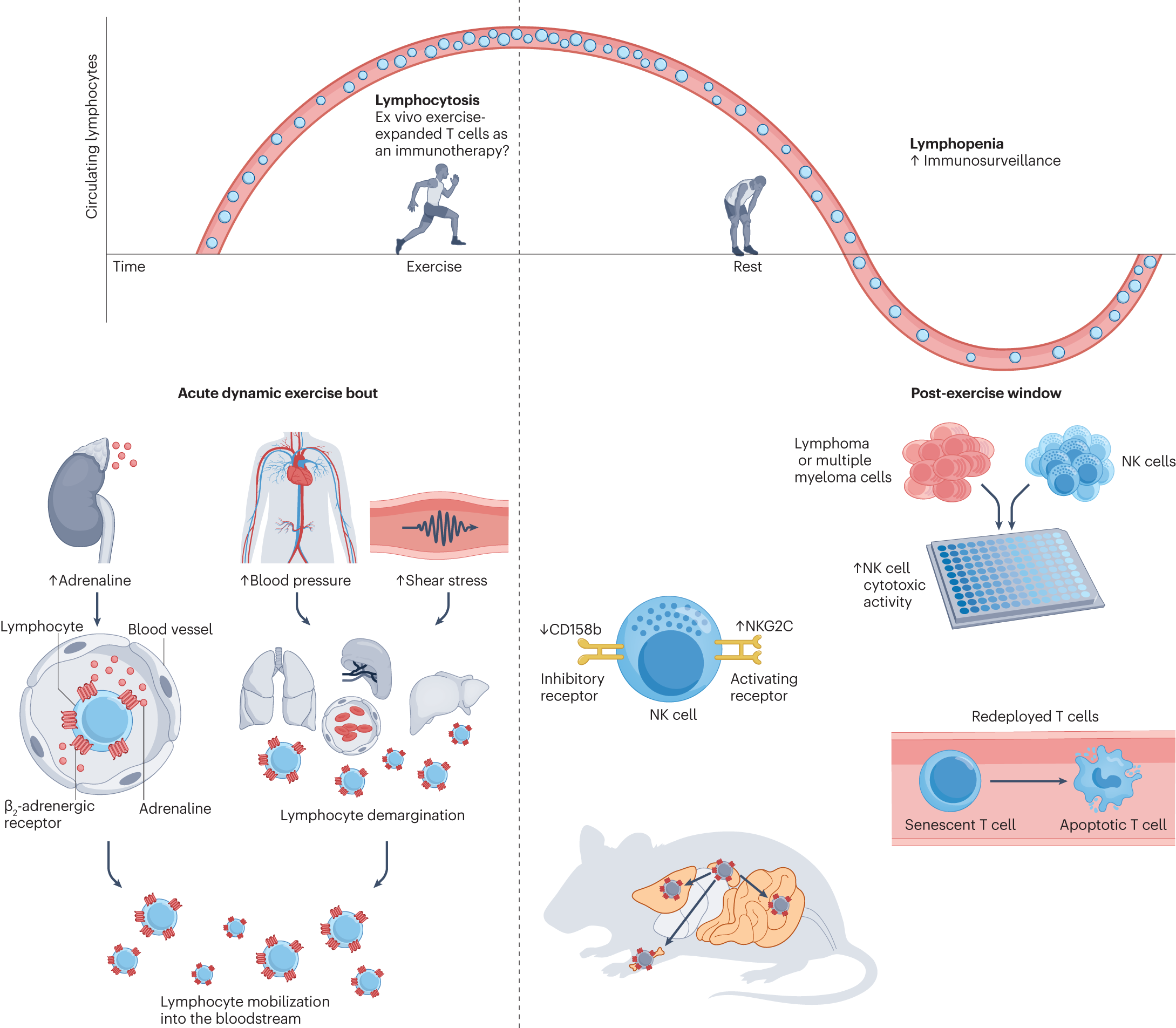
One of the more promising findings in the BCAA literature relates to immune function, particularly for endurance athletes facing heavy training loads. Intense exercise temporarily suppresses immune function, and the period after heavy competition sees increased susceptibility to infections.
Glutamine Preservation: How BCAAs Reduce Post-Competition Illness
Studies examining immunological parameters before and after competitions in 12 male triathletes found that glutamine—a critical immune-supporting amino acid—decreased by 22.8% after competition in the placebo trial, while plasma glutamine remained unchanged in the BCAA group. The glutamine decrement correlated with higher rates of infection symptoms and reduced lymphocyte function.
Why BCAAs Fail Where Complete Proteins Succeed
The fundamental reason BCAAs underperform compared to complete protein sources lies in basic muscle physiology. Muscle protein synthesis requires all nine essential amino acids as precursors, not merely the three BCAAs. Providing just three of them—regardless of quantity—cannot support increased protein synthesis because the other six essential amino acids rapidly become rate-limiting.
The 9 Essential Amino Acids Problem
When you consume BCAAs alone, you activate some signaling pathways but lack the complete building blocks needed for actual protein synthesis. Studies comparing BCAA supplementation with essential amino acid supplementation reveal this distinction clearly. Essential amino acid supplementation promoted greater phosphorylation of key translation factors compared to BCAAs alone. The complete profile provided all necessary precursors, allowing activated pathways to translate into actual protein synthesis.
BCAA vs. Whey: Why Complete Protein Wins Every Time
Whey protein consistently produces greater anabolic responses than equivalent BCAA amounts. The addition of 5 grams of BCAAs to a beverage containing 6.25 grams of whey protein increased muscle protein synthesis to levels comparable to 25 grams of whey protein alone. This suggests BCAAs might help when added to incomplete protein sources, but doesn’t support claims that BCAAs alone stimulate muscle growth.
When BCAAs Might Actually Help Your Training
Based on the accumulated evidence, BCAA supplementation may be appropriate in specific circumstances where potential benefits outweigh the modest costs.
Intense Resistance Training: Soreness Reduction Strategies
If you’ve been struggling with debilitating muscle soreness that interferes with training continuity, BCAAs might offer modest relief. The effect isn’t dramatic—users typically report being slightly less sore rather than completely pain-free—but it could make the difference between training consistently and needing extended rest periods.
Heavy Competition Periods: Immune Protection Protocol
Endurance athletes during heavy training blocks or competitive seasons might benefit from the immune-supporting effects. Maintaining training continuity is essential for performance improvements, and avoiding illness that disrupts training could indirectly support athletic development.
When to Skip BCAAs and Save Your Money
For individuals already consuming adequate protein—1.6 grams per kilogram per day or higher—BCAA supplementation provides little to no additional benefit for muscle protein synthesis, performance, or body composition. The evidence clearly indicates that complete protein sources are more effective than BCAAs alone.
Better Alternatives: Creatine, Carbs, and Caffeine Outperform BCAAs
Athletes seeking performance improvements should prioritize established ergogenic aids with stronger evidence bases. Carbohydrate supplementation for endurance events, creatine for strength and power activities, and caffeine for various performance applications all have more robust evidence supporting their effectiveness.
The Bottom Line: Realistic Expectations for BCAA Users
The comprehensive examination of available evidence leads to an inescapable conclusion: BCAA supplements are substantially less effective than commonly claimed in marketing materials. The theoretical basis for BCAA effectiveness—that they activate anabolic signaling pathways and stimulate muscle protein synthesis—fails to hold up under scrutiny.
What BCAAs Actually Deliver (Hint: It’s Not Muscle Growth)
The most consistent finding is that BCAA supplementation may reduce muscle soreness, particularly in resistance training contexts. Immune support during intense training represents another potential benefit, though direct evidence linking BCAAs to reduced illness rates remains limited.
If you choose to supplement with BCAAs, do so with realistic expectations. They might help slightly with muscle soreness and provide some immune support during heavy training. But they won’t dramatically improve your physique, won’t make you stronger or faster on their own, and aren’t a replacement for adequate protein intake. The best approach remains what it always has been: focus on solid nutrition, progressive training, adequate sleep, and evidence-based supplements that actually deliver on their promises.