

Iron deficiency affects millions of people worldwide, and taking supplements seems like a straightforward solution. Yet many people struggle with absorption, leaving them frustrated despite consistent supplementation. Understanding how your body actually processes iron can transform your experience from ineffective to transformative. The difference between taking iron and actually absorbing it often comes down to timing, combinations, and simple habits you might not have considered.
Whether you’ve been battling fatigue, preparing for surgery, or managing a chronic condition requiring iron support, the strategies in this guide will help you maximize every dose. Your body doesn’t absorb iron passively—it requires specific conditions to pull this essential mineral into your bloodstream efficiently. By working with your body’s natural processes rather than against them, you can significantly improve your iron absorption rates and ultimately feel the results you’ve been seeking.
Why Your Iron Supplement Isn’t Working as Well as It Should
Iron absorption operates under strict biological regulation controlled by your small intestine. Your body carefully controls how much iron it accepts because both deficiency and excess pose serious health risks. This natural regulation means that simply swallowing a supplement doesn’t guarantee your body will use it effectively. The enterocytes lining your intestine act as gatekeepers, deciding how much iron passes through based on your current stores and immediate needs.
Two distinct forms of iron exist in supplements and foods, and your body processes them differently. Heme iron, derived from animal sources, absorbs at rates between 15 and 35 percent—remarkably efficient by mineral standards. Non-heme iron, which comes from plant sources and most supplements, absorbs at a much lower rate of just 2 to 20 percent, depending on enhancers and inhibitors present during consumption. This fundamental difference explains why dietary iron often outperforms supplement iron and why supplement absorption requires more strategic attention.
Your body’s absorption efficiency also fluctuates based on existing iron stores. When you’re severely deficient, your body ramps up absorption efficiency dramatically, sometimes increasing uptake by three to four times normal rates. Conversely, when stores appear adequate, absorption drops significantly. This adaptive mechanism explains why supplementation becomes less effective over time as stores refill—your body simply doesn’t need as much. Understanding this dynamic helps explain why consistent, strategic supplementation matters more than simply taking higher doses.
Double Your Iron Absorption with Vitamin C Pairing

Vitamin C functions as a powerful catalyst for non-heme iron absorption, transforming ferric iron into the more soluble ferrous form your body can more easily accept. Research consistently demonstrates that adding just 50 to 100 milligrams of vitamin C—roughly the amount in one medium orange or a half-cup of strawberries—can double or even triple iron absorption from plant-based sources and supplements. This simple pairing represents one of the most impactful strategies available for improving iron uptake without increasing your supplement dose.
Creating a consistent vitamin C ritual around your iron supplement offers the most reliable results. Consider taking your iron supplement with a glass of orange juice, a vitamin C supplement, or alongside a vitamin C-rich food like citrus fruits, bell peppers, or kiwi. The effect works quickly, so timing matters less than the combination itself. You don’t need massive amounts of vitamin C either—moderate, consistent intake around your iron dose provides the benefit without the digestive discomfort that high-dose vitamin C sometimes causes.
Fresh fruits and vegetables provide additional benefits beyond pure vitamin C content. Many iron-rich plant foods also contain natural vitamin C, creating a built-in absorption advantage. Spinach, for instance, contains both iron and vitamin C, though the cooking process can reduce the vitamin C content. This synergy explains why nutritionists emphasize whole food combinations over isolated supplements. When using iron supplements, adding a separate vitamin C source ensures you’re not relying on the supplement itself to provide this crucial enhancer.
Eliminate These Common Iron Absorption Blockers Immediately
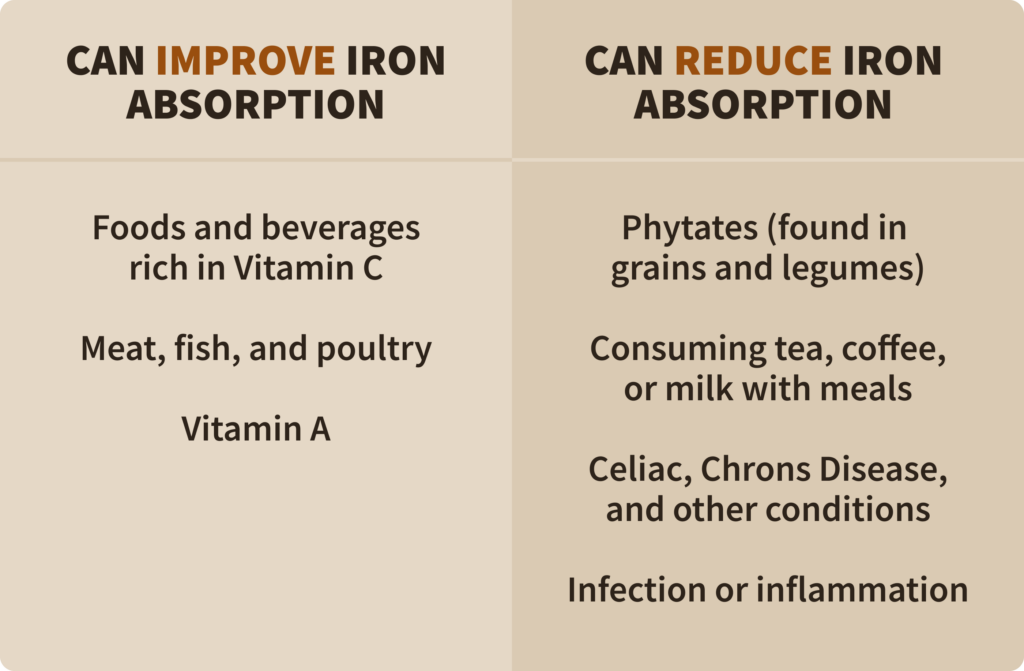
Calcium stands as perhaps the most common culprit blocking iron absorption through competitive inhibition at the absorption sites. Dairy products, calcium supplements, and even calcium-fortified foods can reduce iron absorption by 50 to 60 percent when consumed simultaneously with iron. This interaction lasts for several hours, making timing separation essential rather than simply avoiding dairy entirely. Always wait at least two hours between taking iron supplements and consuming calcium-rich products.
Coffee and tea deserve special attention as absorption inhibitors due to their polyphenol and tannin content. These compounds form insoluble complexes with iron, essentially locking the mineral in a form your body cannot access. Studies show that a single cup of coffee can reduce iron absorption by up to 80 percent when consumed with an iron-containing meal. The effect persists for at least an hour before and after consumption, suggesting a window of several hours around iron intake where these beverages should be avoided. Herbal teas vary in their tannin content, with mint and chamomile generally posing less concern than black or green tea varieties.
Phytates found in whole grains, legumes, and nuts create similar binding problems with iron. While these foods offer numerous health benefits, their phytate content can significantly reduce mineral absorption. Soaking beans, grains, and nuts before cooking or consuming them breaks down phytate compounds and improves iron availability. Fermented grain products like sourdough bread also demonstrate reduced phytate effects due to the fermentation process. This doesn’t mean eliminating these nutritious foods—rather, it means timing them strategically away from your iron supplementation.
Optimize Your Iron Supplement Timing for Maximum Uptake
Taking your supplement first thing in the morning, at least 30 minutes before breakfast, provides an optimal window for absorption. Water doesn’t interfere with this process, so taking your iron with a full glass actually helps by dissolving the supplement and increasing contact with your intestinal lining. This timing strategy alone can improve absorption rates by 20 to 50 percent compared to taking the same supplement with a meal containing inhibitors.
However, empty-stomach ingestion often causes gastrointestinal discomfort for those sensitive to iron supplements. If nausea, cramping, or constipation make fasting difficult, consider taking your supplement with a small amount of food that doesn’t contain known inhibitors. A small serving of oatmeal without added calcium, or a few crackers, can provide some stomach protection while maintaining reasonable absorption rates. The trade-off between comfort and absorption efficiency varies by individual—listen to your body while testing different approaches.
Evening dosing presents unique considerations for those who experience iron-related digestive issues. Some people find that taking iron before bed, several hours after their last meal, provides the absorption benefits of fasting while reducing daytime discomfort from nausea or stomach upset. The key remains avoiding any food or beverages containing calcium, caffeine, or phytates for at least two hours before and after your dose. Experimenting with morning versus evening timing helps identify which approach suits your schedule and sensitivity levels best.
Select the Right Iron Supplement Form for Your Body

Ferrous sulfate remains the most common and affordable option, containing about 20 percent elemental iron by weight. While widely available and effective, this form frequently causes digestive upset, leading many users to abandon supplementation. Understanding the alternatives helps you select a form that balances absorption efficiency with tolerability.
Ferrous gluconate contains less elemental iron (about 12 percent) but absorbs more efficiently on a per-milligram basis and typically causes fewer digestive problems. This form works well for those who cannot tolerate ferrous sulfate’s gastrointestinal effects. Ferrous fumarate offers the highest elemental iron content at approximately 33 percent, making it suitable for those needing higher doses in fewer pills. However, its higher iron concentration also increases the likelihood of digestive side effects for some users.
Newer formulations like iron bisglycinate and iron carbonyl utilize different chemical structures that may bypass some absorption barriers while reducing stomach irritation. These chelated forms attach iron to amino acids, potentially improving absorption through different intestinal transport mechanisms. While generally more expensive than traditional forms, many users find the improved tolerability and comparable absorption rates justify the additional cost. Working with your healthcare provider helps identify which form best addresses your specific needs and tolerance levels.
Manage Iron Supplement Side Effects Without Reducing Absorption
Constipation represents the most common and troublesome side effect of iron supplementation, affecting up to 20 percent of users. This occurs because iron can slow intestinal motility and draws water into the colon, creating harder, more difficult-to-pass stools. Counteracting this effect requires both dietary and behavioral strategies. Increasing fiber intake gradually—particularly soluble fiber from fruits, vegetables, and oats—helps maintain regularity without interfering with iron absorption. Adequate water intake, totaling at least eight glasses daily, softens stools and supports healthy intestinal function.
Physical activity provides surprising benefits for iron-related constipation. Regular movement stimulates intestinal peristalsis and can significantly reduce digestive sluggishness. Even a 30-minute daily walk makes meaningful differences for many users. Establishing consistent bathroom habits, particularly after meals when the gastrocolic reflex naturally promotes intestinal activity, helps condition your body for regular elimination. These behavioral approaches work alongside, rather than instead of, your iron supplementation strategy.
Nausea and stomach discomfort often stem from iron’s direct irritant effects on the gastric lining. Taking iron with food dramatically reduces these symptoms, despite the minor absorption penalty. Some users find that dividing their total daily dose into smaller, more frequent administrations improves tolerability while maintaining overall absorption. Liquid iron formulations or those designed for slow release may also reduce acute stomach effects. If digestive side effects persist despite these modifications, consulting your healthcare provider becomes essential—persistent discomfort often leads to discontinuation, which undermines your iron repletion goals entirely.
Optimizing iron absorption requires understanding your body’s complex regulatory mechanisms and working strategically with them rather than against them. By combining vitamin C enhancers, timing away from inhibitors, selecting appropriate supplement forms, and managing side effects proactively, you can dramatically improve your iron absorption rates. Remember that consistency matters more than perfection—small, sustainable improvements compound over time into meaningful health benefits. If challenges persist despite these strategies, consulting with a healthcare provider helps identify individual factors requiring personalized intervention.