

That heavy, drowsy feeling creeping in after lunch isn’t just annoying—it can derail your entire afternoon. You’ve probably experienced it: the mental fog settles in around 1 PM, your eyelids grow heavy, and suddenly that important meeting or creative project feels impossible. This phenomenon, clinically called postprandial somnolence, affects millions of people daily and significantly impacts productivity, mood, and overall functioning. The good news? You can fight back strategically using the right supplements, timing, and protocols.
Understanding how to avoid food comas with supplements starts with knowing why they happen in the first place. Your body undergoes complex hormonal and metabolic changes after eating, triggering a cascade that can leave you feeling sluggish. But by targeting these pathways with the right nutritional support, you can maintain mental clarity and energy levels throughout the day. This guide breaks down the science behind post-meal fatigue and provides actionable supplement strategies to keep you alert and productive after every meal.
Decode Your Post-Meal Sleepiness
Food comas aren’t imagination—they’re physiological responses involving multiple body systems working in concert. When you eat, your body redirects blood flow toward digestion, activates the parasympathetic nervous system, and triggers hormonal shifts that can promote drowsiness. Understanding these mechanisms gives you the power to interrupt them effectively.
The hormonal response begins with tryptophan, an amino acid that crosses the blood-brain barrier after protein-rich meals. Once in the brain, tryptophan converts to serotonin, which then transforms into melatonin—the hormone that regulates sleep. Simultaneously, carbohydrate consumption triggers insulin release, which drives amino acids into cells while leaving tryptophan relatively more available for brain absorption. This perfect storm creates that irresistible urge to nap after a hearty meal.
Blood sugar dynamics play a crucial role in post-meal fatigue. Rapid spikes in glucose followed by sharp drops create temporary energy deficits that manifest as mental fog and drowsiness. The glycemic index of your meal directly correlates with how severely you’ll feel the crash later. High-glycemic foods like refined carbohydrates and sugars cause rapid glucose spikes, while complex carbohydrates provide more gradual energy release. Supplement strategies can smooth out these fluctuations and prevent the energy roller coaster that leads to afternoon crashes.
Pro Tip: Notice which meals trigger your worst food comas—typically those high in both refined carbs and protein. These combinations create the perfect storm for tryptophan dominance in your brain.
Best Supplements for All-Day Alertness

Certain supplements target the specific pathways that cause food comas, helping you maintain mental clarity after eating. The most effective approach combines multiple supplement categories working synergistically to address different aspects of post-meal fatigue.
L-Theanine stands out as one of the most reliable supplements for preventing food comas. This amino acid, found naturally in tea leaves, promotes relaxation without sedation by encouraging alpha wave brain activity associated with calm alertness. When paired with caffeine, L-Theanine reduces the jitters while enhancing focus, creating a smooth, sustained energy state. Taking 100-200 mg before meals can help you stay alert without feeling anxious or wired.
L-Tyrosine serves as a precursor to dopamine, norepinephrine, and epinephrine—neurotransmitters critical for mental performance and alertness. This supplement proves particularly valuable when taken before meals, as it helps maintain cognitive function during the metabolic stress of digestion. A typical dose of 100-200 mg taken 30 minutes before eating supports mental clarity throughout your meal and the hours following.
B-Complex vitamins deserve a permanent place in your supplement routine if you struggle with food comas. These essential nutrients—including B1, B2, B3, B5, B6, B12, and others—work together to convert food into usable energy. B vitamin deficiencies can significantly worsen post-meal fatigue by impairing your body’s ability to metabolize nutrients efficiently. Taking a quality B-Complex daily provides foundational support for sustained energy production.
Pre-Meal Supplement Timing Strategies
The timing of your supplements matters as much as which ones you take. Strategic pre-meal supplementation prepares your metabolic pathways to handle food intake more efficiently, preventing the energy crashes that lead to food comas.
Take your foundational supplements 30-60 minutes before eating. This window allows your body to absorb and mobilize the nutrients before digestive demands peak. Your pre-meal protocol should include 100-200 mg of L-Tyrosine to support neurotransmitter production, a B-Complex dose to prime your energy metabolism, 200-500 mcg of Chromium to enhance insulin sensitivity, and 300-600 mg of Alpha-Lipoic Acid to support mitochondrial function and blood sugar regulation.
Optimize Your Supplement Schedule
Set phone reminders 45 minutes before each meal to ensure consistent timing. Many people fail with supplement protocols simply because they take them too late—after digestion has already begun. For breakfast, consider taking your supplements while preparing your meal so they’re ready to go when you sit down to eat.
During your meal, consider adding digestive enzymes to reduce the metabolic burden on your body. Supplements containing amylase and protease help break down carbohydrates and proteins more efficiently, potentially shortening the fatigue window that follows eating. Taking 1-2 capsules of a broad-spectrum digestive enzyme with food can improve nutrient absorption while reducing digestive discomfort and sluggishness.
If you notice drowsiness creeping in despite your pre-meal protocol, have post-meal support supplements ready. Taking 100-200 mg of L-Theanine when you first notice fatigue can help counteract emerging sluggishness. Green tea extract (200-300 mg) provides a gentle caffeine boost combined with additional L-Theanine for sustained alertness without the crash.
Blood Sugar Stabilization Supplements
Maintaining stable glucose levels throughout the day represents one of the most effective strategies for avoiding food comas. Several supplements specifically target blood sugar regulation, helping you avoid the spikes and crashes that drain your energy.
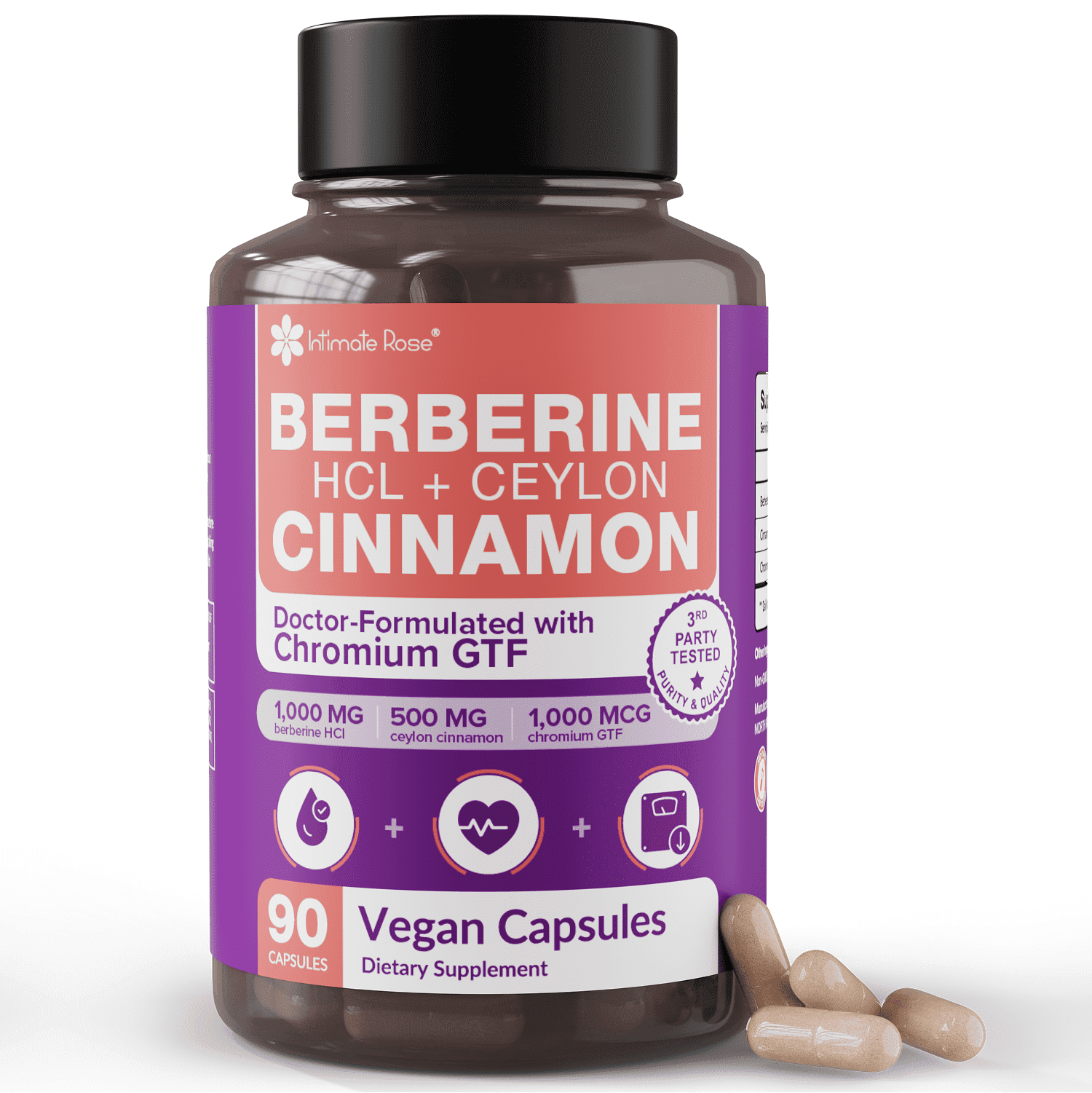
Berberine has gained attention for its significant effects on glucose metabolism. Research suggests this natural compound may be as effective as some pharmaceutical interventions for blood sugar control. Taking 500 mg of berberine 2-3 times daily before meals helps moderate glucose spikes after eating, reducing the likelihood of post-meal fatigue. This supplement works by improving insulin sensitivity and supporting healthy metabolic function.
Chromium enhances insulin sensitivity and helps maintain stable blood glucose levels throughout the day. This mineral supports more gradual energy release from meals, preventing the rapid fluctuations that lead to energy crashes. Combining chromium with your pre-meal protocol amplifies its effects on blood sugar stability.
Cinnamon extract offers another avenue for blood sugar management. This familiar spice improves insulin sensitivity when taken as a supplement and helps moderate blood sugar spikes after meals. Adding cinnamon to your food or taking it as an extract provides complementary support to your other blood sugar stabilizing supplements.
Digestive Enzyme Benefits
Your digestive system demands significant energy to break down and absorb nutrients. Reducing this metabolic burden through enzyme supplementation can minimize post-meal fatigue and shorten the duration of any drowsiness you experience.
Broad-spectrum digestive enzymes containing amylase, protease, and lipase help break down carbohydrates, proteins, and fats more efficiently. When you take these enzymes with meals, your body requires less internal resources to accomplish digestion, potentially leaving more energy for cognitive function. Many people notice reduced post-meal sluggishness within days of adding digestive enzymes to their protocol.
Bromelain (from pineapple) and papain (from papaya) provide plant-based proteolytic enzymes that support protein digestion. These enzymes reduce digestive discomfort and bloating while improving overall digestive efficiency. Taking these supplements with protein-heavy meals can be particularly beneficial for preventing the fatigue that sometimes follows substantial protein consumption.
Warning: Don’t take digestive enzymes on an empty stomach—they’re designed to work during digestion and may cause discomfort if taken without food.
Meal Composition Strategies That Work
Supplements work best when combined with dietary choices that don’t fight against your goals. The foods you eat profoundly influence whether you’ll experience food comas, regardless of your supplement protocol.
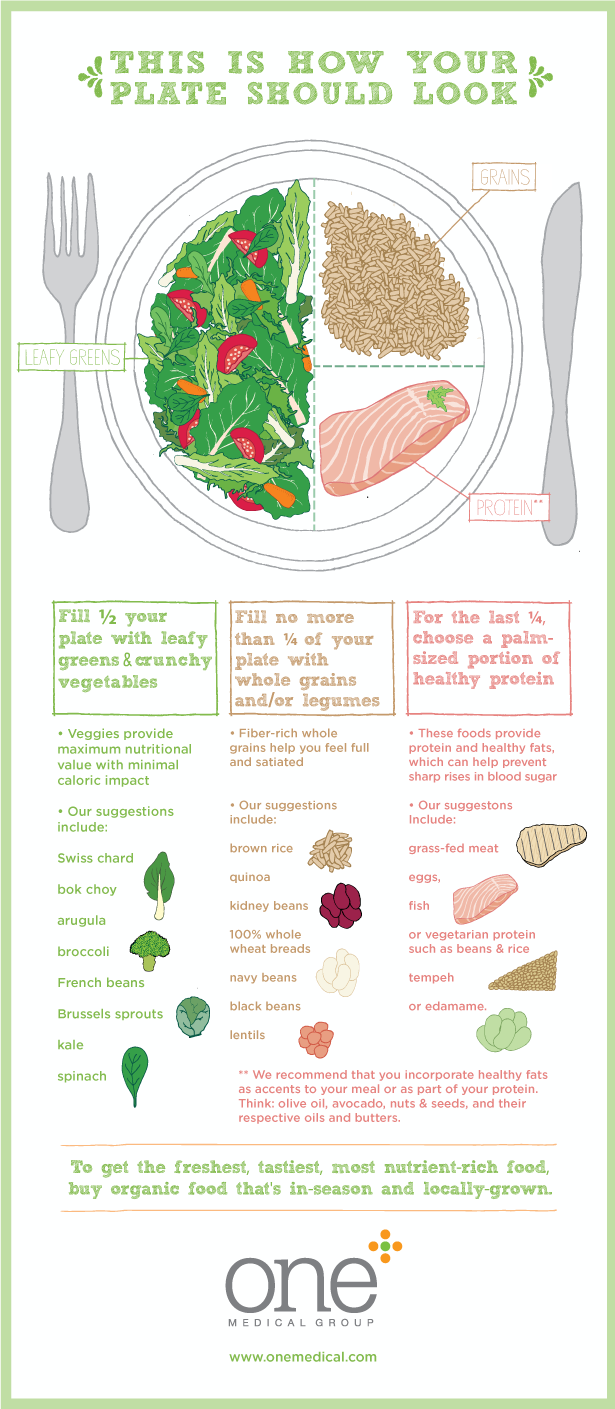
Reducing high-glycemic foods makes a dramatic difference for most people. Limiting refined carbohydrates and simple sugars prevents the rapid blood sugar spikes that lead to energy crashes. Instead, choose complex carbohydrates that provide gradual energy release—think whole grains, legumes, and vegetables. Pairing carbohydrates with protein and healthy fats further slows absorption, smoothing out your energy curve throughout the day.
Optimizing your macronutrient ratios supports stable energy levels. Increasing protein content at each meal helps maintain stable blood sugar and provides amino acids for neurotransmitter production. Including healthy fats (from sources like olive oil, avocado, and nuts) promotes sustained energy release. Balancing fiber intake slows digestion and prevents rapid glucose spikes that trigger drowsiness.
Portion management often overlooked but critically important. Consuming smaller, more frequent meals instead of large portions reduces the metabolic burden on your body. Waiting 20 minutes before going back for seconds allows satiety signals to register, preventing overeating that intensifies digestive fatigue. Even with healthy foods, large portions can trigger significant post-meal drowsiness.
Building Your Personal Supplement Protocol
Creating an effective strategy for avoiding food comas requires experimentation and personalization. No single approach works for everyone, so building your protocol involves assessment, introduction, and optimization phases.
Begin with a two-week assessment phase where you track your food intake and energy patterns without supplements. Identify which meals and foods trigger the most severe drowsiness. Note the timing of your crashes and how long they last. This baseline data helps you measure the effectiveness of your later interventions and identify your personal triggers.
During weeks three and four, introduce foundational supplements one category at a time. Start with a quality B-Complex taken daily, then add digestive enzymes with meals the following week. Monitor how each addition affects your post-meal energy levels. Keep notes on timing, dosage, and results to identify what works best for your unique physiology.
Weeks five through eight focus on optimization. Fine-tune your supplement combinations based on your observations. Experiment with timing—some people find taking supplements 60 minutes before meals more effective than 30 minutes. Evaluate the effectiveness of your protocol and make necessary adjustments. By the end of this phase, you should have a sustainable routine that significantly reduces your food comas.
Key Takeaways for Beating Food Comas
Preventing food comas requires a multi-pronged approach targeting metabolic function, blood sugar regulation, digestive efficiency, and alertness support. The most effective strategy combines strategic pre-meal supplementation with dietary modifications and lifestyle practices that support sustained energy.
Start with foundational supplements: a quality B-Complex daily, digestive enzymes with meals, and L-Theanine or L-Tyrosine before eating. Add blood sugar stabilizing compounds like chromium and berberine if you need additional support. Time your supplements strategically—pre-meal preparation matters more than taking supplements after drowsiness sets in.
Individual responses vary significantly, so track your results and adjust accordingly. What works perfectly for one person may need tweaking for another. The goal is finding a sustainable routine that keeps you alert and productive after every meal, transforming your afternoons from times of fighting fatigue into periods of peak performance.