

Fiber supplements deliver significant health benefits, from improved digestion to better heart health, but the uncomfortable gas and bloating that often accompany them can make anyone think twice before taking their daily dose. If you’ve started a fiber regimen only to deal with uncomfortable bloating, excessive flatulence, or cramping, you’re not alone—and more importantly, you don’t have to abandon fiber entirely. The key lies in understanding why these digestive issues occur and implementing proven strategies to minimize them while still gaining all the benefits fiber provides. This guide will walk you through everything you need to know about preventing gas from fiber supplements, including proper dosing techniques, timing strategies, hydration requirements, and specific product recommendations that are gentler on your system.
The good news is that gas from fiber supplements is almost always temporary and manageable with the right approach. Your digestive system needs time to adjust to increased fiber intake, and by following a gradual titration protocol, staying properly hydrated, and choosing the right type of fiber for your body, you can dramatically reduce or even eliminate these uncomfortable side effects. Whether you’re taking psyllium husk, methylcellulose, inulin, or wheat dextrin, the principles for minimizing gas remain similar, though there are important nuances between different fiber types that we’ll explore in detail.
Why Fiber Supplements Cause Gas

Understanding the root cause of gas from fiber supplements is essential for effectively preventing it. When you consume fiber supplements, the gas production stems from two primary biological processes that occur in your digestive tract. First, fiber is a type of carbohydrate that your body cannot fully digest and absorb in the small intestine. Unlike simple sugars and starches that break down quickly, fiber passes through to the large intestine largely intact, where it becomes food for the beneficial bacteria that reside there. These bacteria ferment the fiber, and as a byproduct of this fermentation process, they produce gases including hydrogen, methane, and carbon dioxide. This is completely normal and actually indicates that the fiber is feeding your gut microbiome, which is beneficial for long-term digestive health.
The second reason fiber supplements cause gas relates to the sudden increase in bulk and fermentable material in your digestive system. When you first start taking fiber supplements, your digestive tract hasn’t yet adapted to processing this additional material. The fiber draws water into the intestines, which softens stool and promotes regularity, but this increased bulk and the fermentation activity can lead to temporary gas accumulation. The more abruptly you introduce fiber supplements into your diet, the more significant this adjustment period will be. People who experience the most severe gas and bloating are typically those who started with full therapeutic doses right away rather than gradually building up their tolerance.
Different Fiber Types and Gas Production
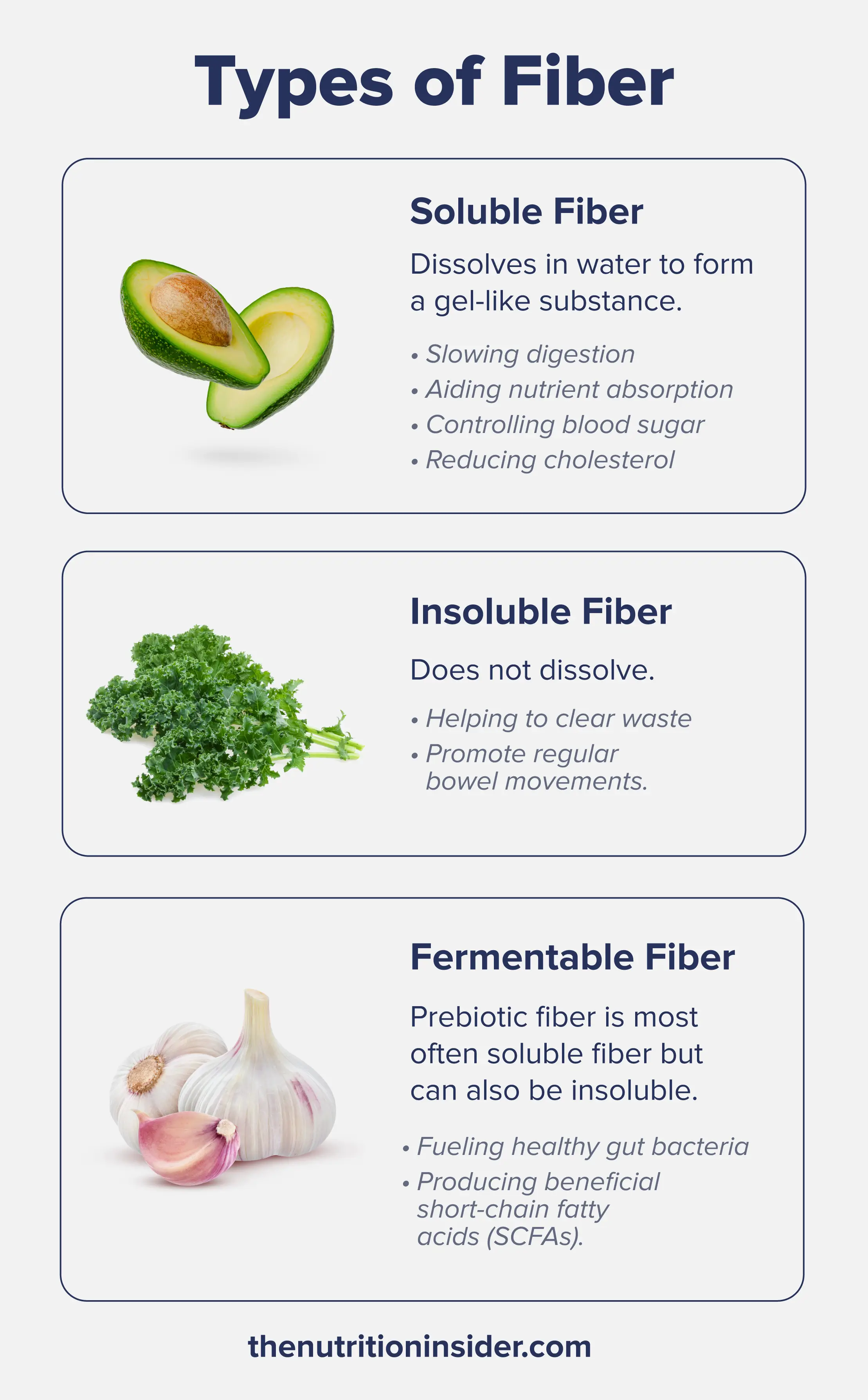
Different types of fiber supplements produce varying amounts of gas due to their chemical composition and fermentability. Soluble fibers that are highly fermentable, such as inulin, oligofructose, and resistant starch, tend to produce more gas because they provide an abundant food source for gut bacteria. Conversely, partially fermentable fibers like psyllium husk produce moderate amounts of gas, while minimally fermentable fibers such as methylcellulose produce the least. This doesn’t mean you should avoid highly fermentable fibers—in fact, they’re excellent for feeding beneficial bacteria—but understanding these differences can help you choose a starting point that minimizes discomfort while still providing health benefits.
Start with Minimal Doses
The single most effective strategy for avoiding gas from fiber supplements is to begin with a very small dose and gradually increase it over time. This approach gives your digestive system the opportunity to adapt slowly, reducing the fermentation load at any given moment and allowing beneficial bacteria populations to adjust gradually. Most manufacturers recommend starting with half the recommended dose or even less, and this advice is particularly valuable for anyone who has never taken fiber supplements before or who has a sensitive digestive system. A typical starting dose might be just one teaspoon of a powdered fiber supplement mixed in plenty of water, taken once daily for the first week.
Gradual Increase Protocol
The gradual increase protocol should span several weeks, with incremental increases made only when your digestive system has fully adjusted to the current dose. During the first week, maintain that minimal starting dose and pay attention to how your body responds. If you experience minimal gas and bloating, you can begin increasing the dose by small increments—perhaps adding half a teaspoon every three to four days. Continue this gradual progression until you reach your target therapeutic dose. For most people, this process takes two to four weeks, though some individuals with very sensitive digestive systems may need to extend this timeline to six weeks or longer. Patience during this adjustment period pays enormous dividends in terms of reduced discomfort and better long-term compliance with your fiber regimen.
Stay Hydrated Throughout the Day
Proper hydration is absolutely critical when taking fiber supplements, and inadequate fluid intake is one of the most common reasons people experience excessive gas, bloating, and even constipation from fiber. Fiber works by absorbing water and expanding in the digestive tract, which creates bulk and stimulates intestinal movement. Without sufficient water, this expanded fiber can actually worsen constipation and create a heavy, uncomfortable feeling in your abdomen. The fermentation process also requires adequate moisture to proceed efficiently, and when the intestinal environment is too dry, gas can become trapped and cause more significant discomfort.
Optimal Hydration Strategy
The general recommendation is to drink at least eight to ten glasses of water daily when increasing fiber intake, though individual needs vary based on body size, activity level, climate, and overall diet. A good practical approach is to drink a full glass of water with your fiber supplement dose—this helps move the fiber into your stomach and intestines quickly—and then maintain consistent hydration throughout the day. Avoid waiting until you feel thirsty to drink water, as thirst is often a sign that mild dehydration has already begun. Monitoring the color of your urine is a simple way to gauge hydration status; pale yellow indicates good hydration, while dark yellow suggests you need to increase your fluid intake.
Time Your Doses Strategically
When you take your fiber supplement can significantly impact how much gas and bloating you experience. The fermentation process that produces gas is most active when your digestive system is processing food, so timing your fiber intake to align with your body’s natural rhythms can help minimize discomfort. Many people find that taking fiber supplements first thing in the morning, on an empty stomach, results in less gas than taking them with meals or later in the day. This allows the fiber to move through your system more quickly and reduces the time available for extensive fermentation.
Optimal Timing for Different Fiber Types
Consider the specific type of fiber you’re using when determining timing. Psyllium-based products typically work best when taken with a full glass of water first thing in the morning, while inulin-based supplements may be better tolerated when taken with food to slow fermentation. If your goal is to manage blood sugar levels, taking fiber immediately before meals is most effective, though this timing may initially cause more gas until your system adjusts. For cholesterol management, taking fiber supplements at bedtime has shown good results with minimal gas production for many users. Experiment with different timing approaches and track your symptoms to identify your personal optimal schedule.
Choose the Right Type of Fiber

Not all fiber supplements are created equal when it comes to gas production, and selecting the appropriate type for your body can make a substantial difference in your experience. Psyllium husk, found in products like Metamucil, is one of the most common fiber supplements and is highly effective for regularity, but it’s also quite fermentable, which means it can produce moderate amounts of gas. Methylcellulose, such as Citrucel, is a synthetic fiber that ferments less readily, making it a good choice for those who are particularly sensitive to gas. It provides bulk without feeding gut bacteria as extensively, resulting in less gas production.
Fiber Selection Guide for Gas Reduction
For those seeking minimal gas production, start with methylcellulose or polycarbophil-based supplements, which are minimally fermented. If you need the benefits of highly fermentable fibers for gut health, consider trying partially hydrolyzed guar gum (PHGG), which has been clinically shown to produce significantly less gas than other soluble fibers while still providing prebiotic benefits. Wheat dextrin (Benefiber) is another excellent option that dissolves completely in liquids without adding noticeable texture and is generally well-tolerated with minimal gas production. Always check labels for additional ingredients like artificial sweeteners or flavorings that might contribute to gas on their own.
Spread Fiber Intake Throughout the Day
Rather than consuming your entire daily fiber dose at once, spreading it across multiple smaller doses can significantly reduce gas production and bloating. When you consume a large amount of fiber at once, you overwhelm your digestive system with fermentable material, creating ideal conditions for excessive gas production. By dividing your total daily intake into two or three smaller doses, you give your gut bacteria a more manageable workload and reduce the intensity of the fermentation process. This approach also helps maintain more consistent fiber activity throughout the day rather than creating peaks and valleys in digestive activity.
Practical Dosing Schedule
A common distribution strategy is to take fiber supplements with each main meal—breakfast, lunch, and dinner—so that each dose is moderate and coincides with your body’s natural digestive rhythm. If you’re currently taking a large single dose, try splitting it in half and taking each half with a meal. Some people prefer to take the bulk of their fiber in the morning and early afternoon, reserving evening hours for lighter eating and avoiding late-day fiber doses that might cause nighttime gas discomfort. Documenting your experiences with different distribution patterns can help you identify your optimal schedule.
Know When to Seek Medical Advice
While gas from fiber supplements is typically harmless and temporary, certain symptoms warrant medical attention to rule out underlying conditions. Persistent severe abdominal pain, blood in stool, unexplained weight loss, persistent diarrhea or constipation lasting more than a few days, or symptoms that worsen despite following gas-reduction strategies should prompt a visit to your healthcare provider. These symptoms could indicate conditions such as irritable bowel syndrome, inflammatory bowel disease, small intestinal bacterial overgrowth, or other digestive disorders that require specific treatment approaches.
Red Flags That Need Professional Evaluation
If you experience chest pain or difficulty swallowing after taking fiber supplements, stop use immediately and seek medical attention, as this could indicate esophageal obstruction. People with known digestive tract strictures, diverticulitis, or recent abdominal surgery should consult their doctor before starting fiber supplements. If you’ve followed all the strategies outlined here for at least four weeks and still experience significant gas and bloating, it may be time to explore alternative approaches with a gastroenterologist or registered dietitian who specializes in digestive health.
Maintain Consistency for Long-Term Success
Establishing a consistent routine with your fiber supplement is essential for both minimizing gas and achieving the health benefits you’re seeking. Sporadic use—taking your supplement some days and forgetting others—keeps your digestive system in a constant state of adjustment rather than allowing it to fully adapt. When you take fiber supplements consistently, your gut microbiome stabilizes, your digestive processes become more efficient, and gas production typically decreases over time. The initial adjustment period is the most challenging, but once your body has adapted, maintaining that consistency prevents the need for repeated adjustment periods.
Building Sustainable Fiber Habits
Create habits that support consistent fiber intake by linking your supplement to an existing daily routine. Many people find success by taking their fiber immediately after brushing their teeth each morning or setting it beside their coffee maker as a visual reminder. Keep your fiber supplement in a visible, accessible location rather than stored away in a cabinet. Some prefer to prepare their dose the night before, so it’s ready first thing in the morning. Tracking your progress and celebrating small wins can maintain motivation—note how you feel each day, and you’ll likely see a clear trend of improving tolerance and decreasing symptoms over weeks and months.
Final Note: Gas from fiber supplements is a common but manageable side effect that typically resolves within a few weeks of consistent, properly implemented strategies. By starting with minimal doses, staying well-hydrated, timing your intake strategically, choosing appropriate fiber types, spreading intake throughout the day, and maintaining consistency, you can minimize or eliminate gas while gaining all the digestive and systemic health benefits that fiber provides. If symptoms persist despite these approaches, consult a healthcare provider to rule out underlying conditions and develop a personalized supplementation strategy. Remember that the temporary discomfort of adjustment is worth the long-term health benefits of adequate fiber intake.