
You’ve probably seen collagen supplements everywhere—from beauty aisles to fitness stores—but feel overwhelmed by the choices. Maybe you bought a popular powder only to see zero results, or you’re confused by terms like “hydrolyzed” and “Type III.” You’re not alone: 68% of first-time buyers admit they don’t know which collagen type matches their goals. The truth? Picking the wrong supplement wastes money and delays real benefits. This guide cuts through the noise using expert-vetted criteria to help you select a collagen product that actually works for your body. You’ll learn exactly what to check on labels, how to avoid common pitfalls, and which certifications guarantee quality—no guesswork required.
Match Collagen Types to Your Specific Health Goals
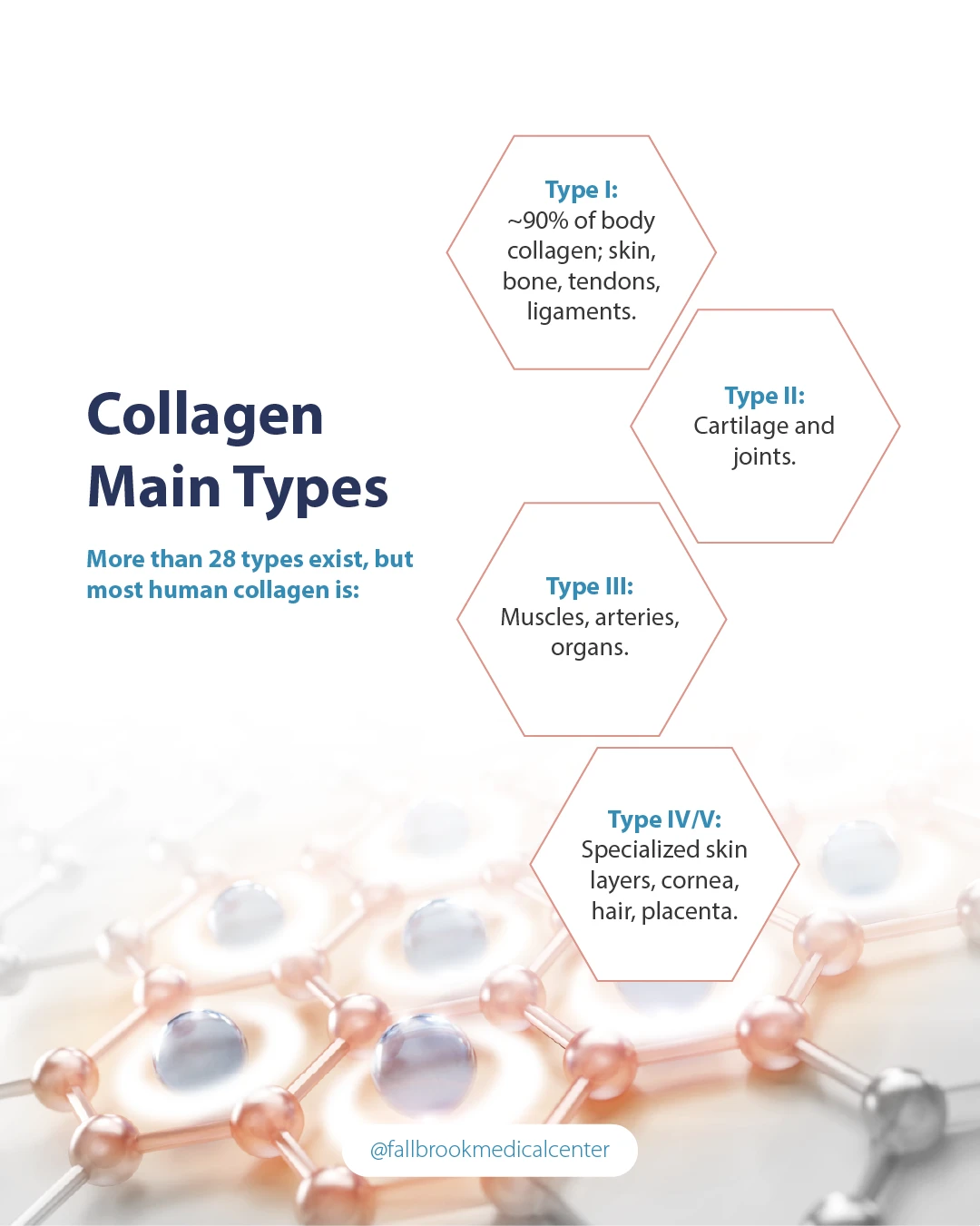
Don’t settle for generic “collagen”—different types target distinct body systems. Type I and III dominate skin, hair, and nail products, while Type II focuses on joints. If you want firmer skin, prioritize formulas listing Type I as the primary ingredient. For joint pain relief, seek Type II specifically. Always verify the types on the label; vague claims like “multi-collagen” often dilute effectiveness. Pro tip: Pair Type I with vitamin C for better skin absorption—many quality brands include this combo.
How to Identify Your Targeted Benefit
- Skin concerns? Look for Type I + III blends with 8-10g daily dosage
- Joint issues? Choose Type II at 40mg+ daily (studies show this threshold works)
- Gut health? Prioritize hydrolyzed bovine collagen with glycine-rich profiles
- Hair thinning? Verify Type I content—avoid products where it’s not specified
Critical Label Red Flags
Skip products that:
– Hide collagen types behind marketing terms like “beauty blend”
– List collagen after fillers (e.g., “ascorbic acid” before collagen)
– Use unproven forms like “undenatured” Type II without clinical backing
Decode Source Materials for Safety and Ethics

Where collagen comes from directly impacts purity and dietary compatibility. Bovine (cow) sources offer balanced Type I/III but may contain hormones if not grass-fed. Marine collagen suits pescatarians but risks heavy metals if sourced from polluted waters. Chicken collagen targets joints specifically but often triggers sensitivities. Always check the origin statement—reputable brands name exact sources like “grass-fed Brazilian cattle” or “wild-caught Alaskan salmon.”
Allergen and Dietary Conflict Checks
| Source Type | Best For | Avoid If | Verification Tip |
|---|---|---|---|
| Bovine | Skin/joint support | Beef allergies | Look for “hormone-free” + pasture-raised claims |
| Marine | Pescatarians, skin focus | Shellfish allergies | Requires “low-mercury tested” certification |
| Chicken | Joint-specific needs | Poultry sensitivities | Must specify “Type II only” for efficacy |
| Plant-based | Vegans (collagen builders) | Seeking actual collagen | Won’t contain collagen—only supporting nutrients |
Prioritize Third-Party Testing Over Marketing Hype

Brands boasting “pure collagen” often skip independent verification. Without third-party testing, you risk ingesting heavy metals or hidden fillers. Always confirm two certifications: NSF Certified for Sport (screens 270+ contaminants) or USP Verified (tests potency). Skip supplements with only “in-house tested” claims—this is like a student grading their own exam. Pro move: Scan the QR code on packaging; legitimate reports show exact contaminant levels, not just “pass/fail” stamps.
Spot Fake Quality Claims
Red flags include:
– “Pharmaceutical-grade” (meaningless term in supplements)
– “Doctor-formulated” without listed credentials
– “Lab-tested” without naming the lab or posting results online
Real quality brands publish full Certificates of Analysis (CoAs) on their websites—demand to see yours.
Select the Right Formulation for Your Lifestyle
Powders beat capsules for dosage flexibility and cost efficiency, but only if you’ll actually use them. If you hate mixing powders, a once-daily capsule prevents waste. Avoid gummies—they rarely deliver therapeutic doses (most contain <3g collagen vs. the 10g needed for results). Liquids spoil faster but absorb quicker; ideal for immediate post-workout use. Match the format to your routine:
- Busy professionals: Single-serve stick packs (pre-measured, no mixing)
- Smoothie lovers: Unflavored powders (dissolves cleanly, no grit)
- Travelers: Capsules (no refrigeration, TSA-friendly)
- Budget shoppers: Bulk powders (costs 50% less per gram than capsules)
Calculate True Value Beyond Price Tags
A $30 tub seems cheaper than a $45 one—but check the per-serving cost. If Brand A offers 30 servings at $1.50/serving and Brand B gives 20 at $1.25, Brand A saves you $15 monthly. Always divide total price by servings. Also factor in:
– Filler costs: Products with added vitamins inflate prices without boosting collagen
– Waste factor: Gummies with low collagen density require 3+ daily
– Shipping: Subscribe-and-save models cut long-term costs by 15-20%
Verify Dosage Against Clinical Research
Most studies proving collagen’s benefits use 10g daily for skin/joints and 40mg for Type II joint formulas. If your product requires 4 capsules to hit 10g, you’ll likely skip doses. Ideal minimums:
– Skin/nails: 8-10g hydrolyzed Type I/III daily
– Joints: 10g Type I/III or 40mg Type II
– Gut health: 10g glycine-rich bovine collagen
Avoid “proprietary blends” hiding exact dosages—transparency is non-negotiable.
Check for Clean Ingredient Lists
Collagen should be the first ingredient. Steer clear of:
– Sugar: >2g/serving sabotages gut health benefits
– Artificial flavors: Linked to inflammation (e.g., “natural flavors” hiding MSG)
– Preservatives: Sodium benzoate degrades collagen stability
Top brands use only collagen + minimal enhancers like vitamin C or hyaluronic acid. If the label lists >5 ingredients, question its necessity.
Assess Bioavailability Through Processing Clues
Hydrolyzed (hydrolysis) is mandatory—this breaks collagen into absorbable peptides. Verify “hydrolyzed” appears before collagen on labels (e.g., “hydrolyzed bovine collagen”). Untreated collagen won’t absorb. Also check:
– Particle size: <3,000 Daltons = optimal absorption (ask brands for proof)
– Cold-processing: Heat destroys peptides; brands using “low-temperature extraction” preserve potency
– No added enzymes: Bromelain/papain indicate poor hydrolysis quality
Consult Your Healthcare Provider for Personal Conflicts
Collagen is generally safe but problematic if:
– You have kidney disease (excess protein strains filtration)
– You’re on blood thinners (marine collagen may interact)
– You have autoimmune disorders (bovine sources can trigger reactions)
Bring your shortlisted products to your doctor—they’ll spot conflicts you’d miss, like glycine exacerbating certain conditions.
Final Checklist Before Buying
Before clicking “purchase,” verify all these boxes:
✅ Type specificity: Matches your goal (e.g., Type I for skin)
✅ Third-party certs: NSF/USP seal with posted CoAs
✅ Source transparency: Exact origin (e.g., “wild-caught cod”)
✅ Clean label: Collagen first, <5 total ingredients
✅ Clinical dose: 10g/serving for most benefits
✅ Hydrolyzed: Explicitly stated on packaging
✅ Per-serving cost: Under $1.50 for value
Maintain Results With Smart Usage Habits
Taking collagen correctly maximizes ROI. Mix powders in cold liquids—heat denatures peptides. Take on an empty stomach for 30% better absorption, but pair with vitamin C foods (berries, citrus) if stomach-sensitive. Track changes for 90 days; skin/joint benefits take 8-12 weeks. If no results, switch sources—your body may reject bovine but thrive on marine. Never exceed 30g daily; excess converts to sugar and causes bloating.
Choosing collagen isn’t about trends—it’s matching science to your biology. By focusing on verifiable types, certified purity, and clinical dosing, you’ll skip the trial-and-error cycle. Remember: The best supplement is the one you take consistently, so prioritize formats that fit your life. When in doubt, start with a grass-fed bovine powder at 10g daily—it’s the most researched option for beginners. Your future self will thank you when your skin feels firmer, your joints move easier, and you know exactly why it works.