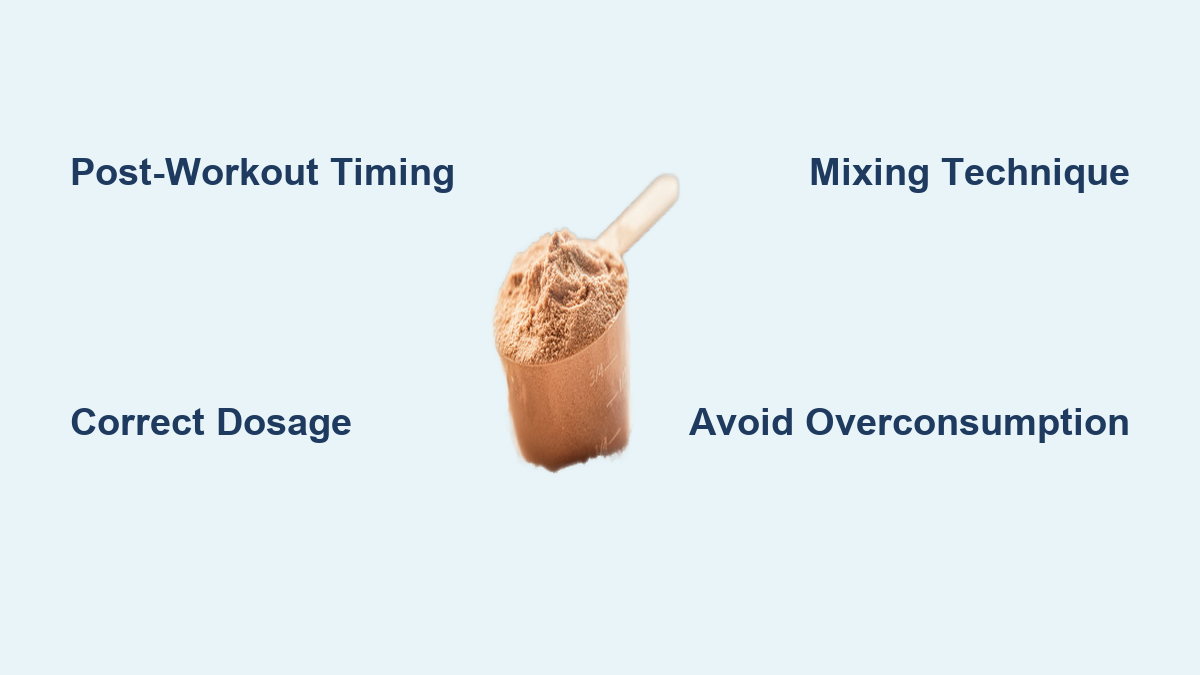

Protein supplements have become essential tools for fitness enthusiasts, but simply buying a tub won’t deliver results—you need to know how to consume protein supplements properly to maximize muscle growth and recovery. Too many people waste money on high-quality powders only to misuse them through incorrect timing, improper dosing, or poor preparation techniques that compromise effectiveness.
When you understand the science behind protein consumption, you transform from someone who merely drinks shakes to someone who strategically fuels their body for optimal results. This guide delivers actionable strategies for timing your protein intake around workouts, determining your ideal dosage based on body weight and goals, and mastering mixing techniques that prevent clumpy disasters while enhancing absorption.
Whey vs. Casein vs. Plant: Choosing Your Protein Type
:max_bytes(150000):strip_icc()/HDC-Whey-Protein-vs-Plant-Protein-venn-template-46b8818229174926a534f9ac7f1a08ff.jpg)
Selecting the right protein supplement type based on your digestion, goals, and lifestyle makes a dramatic difference in your results.
Whey Protein for Rapid Muscle Recovery
Whey protein delivers fast-digesting amino acids perfect for post-workout consumption when your muscles are primed to absorb nutrients. Choose whey concentrate for general use (70-80% protein), whey isolate for lactose-sensitive individuals (90%+ protein), or whey hydrolysate for fastest absorption during critical recovery windows. Mix whey with water immediately after training for quickest delivery to working muscles.
Casein Protein for Overnight Muscle Protection
Unlike whey’s rapid digestion, casein forms a gel in your stomach that slowly releases amino acids over 6-8 hours. Consume 30-40 grams of casein mixed with milk 30 minutes before bed to prevent overnight muscle breakdown. This slow-release protein proves especially valuable when you won’t eat for extended periods, making it ideal before long workdays or during intermittent fasting protocols.
Plant-Based Proteins for Dietary Restrictions
Plant protein blends (pea, rice, hemp) offer complete amino acid profiles for vegans or those with dairy sensitivities. These typically digest slower than whey, so consume plant-based shakes 45-60 minutes before workouts rather than immediately after. Allow plant proteins to sit for 5-10 minutes after mixing to fully hydrate and reduce graininess.
Determining Your Exact Protein Dosage Requirements
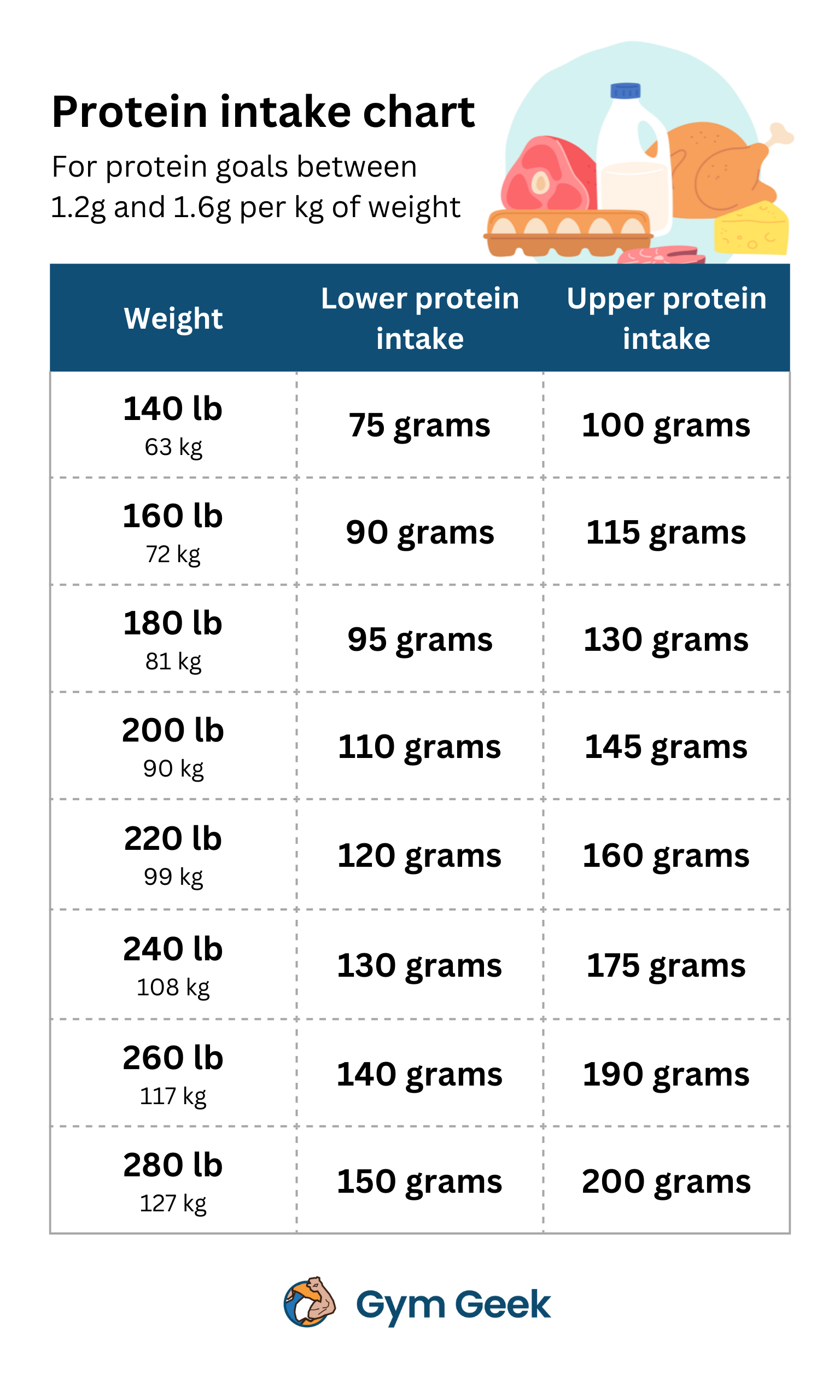
Forget one-size-fits-all recommendations—your optimal protein supplement dosage depends on your body weight, activity level, and specific goals.
Calculate Your Personal Protein Target
For muscle growth, aim for 1.6-2.2 grams of protein per kilogram of body weight daily from all sources. A 180-pound (82 kg) person needs 131-180 grams total protein. Since whole foods should provide most of your protein, limit supplements to 20-40 grams per serving—the maximum amount that effectively stimulates muscle protein synthesis. Consuming more creates unnecessary calorie intake with minimal additional muscle-building benefit.
Adjust Dosage Based on Your Fitness Goals
Weight loss: Increase protein to 2.3-3.1 grams per kg of lean body mass to preserve muscle during calorie deficits
Muscle building: Consume 0.4 grams of protein per kg of body weight within 2 hours post-workout
General health: 1.2-1.6 grams per kg suffices if you’re not actively training
Track your total protein intake using a food journal app to ensure supplements fill gaps rather than replace nutrient-dense whole foods.
Strategic Timing for Maximum Muscle Growth
When you consume protein supplements significantly impacts their effectiveness for building muscle and supporting recovery.
Post-Workout Window: Science vs. Reality
While the “anabolic window” has been overstated, consuming 20-40 grams of whey protein within 2 hours after training still provides measurable benefits for muscle repair. For best results:
– Drink your shake immediately after finishing your workout
– Combine with fast-digesting carbohydrates (like fruit) to enhance absorption
– Don’t stress about precise timing if your total daily protein intake meets targets
Pre-Sleep Casein for Overnight Growth
Consuming slow-digesting casein before bed creates a steady amino acid supply throughout the night, boosting overnight muscle protein synthesis by up to 22%. Mix 30-40 grams of casein with milk and consume 30 minutes before sleep for optimal results. This strategy proves particularly valuable for athletes with limited training frequency.
Between-Meal Protein Spacing
Space protein intake every 3-4 hours to maintain elevated muscle protein synthesis throughout the day. A protein shake between lunch and dinner prevents muscle breakdown during afternoon slumps while keeping you satisfied until your next meal.
Mastering Protein Shake Preparation Techniques
How you mix your protein powder affects texture, taste, and most importantly, how well your body absorbs the nutrients.
Perfect Liquid-to-Powder Ratios
Use these measurements for consistently smooth results:
– Water-based shakes: 8-10 ounces of cold water per scoop
– Milk-based shakes: 6-8 ounces of milk per scoop (reduces creaminess if too thick)
– Thick smoothies: 4-6 ounces liquid with added fruits or nut butter
Add liquid first, then powder—reversing this causes immediate clumping that’s difficult to fix.
Shaker Bottle Techniques That Prevent Clumping
- Fill shaker bottle halfway with liquid
- Add half your powder and shake for 10 seconds
- Add remaining powder and liquid
- Shake vigorously for 30-45 seconds
- Let sit for 2 minutes before drinking to allow full hydration
For stubborn plant proteins, add a teaspoon of chia seeds or flaxseed to improve texture while boosting nutrition.
Avoiding Common Protein Supplement Mistakes
Even small errors in how you consume protein supplements can undermine your results and cause uncomfortable side effects.
Overconsumption: The Diminishing Returns Trap
Your body can only utilize 20-40 grams of protein per meal for muscle synthesis. Consuming larger amounts wastes money and adds unnecessary calories. If you need more than 40 grams total protein at once, split it into two servings 90 minutes apart.
Ignoring Digestive Compatibility
If whey concentrate causes bloating or gas:
– Switch to whey isolate (90%+ protein, minimal lactose)
– Try lactase enzyme drops added to your shake
– Gradually increase intake to allow gut adaptation
Plant proteins often cause less digestive distress but may require longer settling time after mixing.
Poor Hydration Leading to Kidney Strain
Protein metabolism requires adequate water. For every 10 grams of supplemental protein, drink at least 8 ounces of water throughout the day. Dehydration while on high-protein diets can cause headaches, fatigue, and reduced workout performance.
Special Considerations for Different Users
Your ideal protein supplement strategy varies based on your age, experience level, and health status.
Beginners: Start Low and Slow
New users should begin with half-scoops (10-15 grams) to assess tolerance before progressing to full servings. Monitor digestion, energy levels, and recovery for 1-2 weeks before increasing dosage. Pair your first protein shake with a small meal rather than drinking it on an empty stomach.
Older Adults: Combat Age-Related Muscle Loss
Adults over 50 need 1.2-1.5 grams of protein per kg of body weight and benefit from additional leucine (2.5-3 grams per meal). Choose protein supplements fortified with leucine or add separate leucine powder to your shakes to maximize muscle protein synthesis response.
Medical Conditions Requiring Professional Guidance
Individuals with kidney disease, liver conditions, or diabetes should consult healthcare providers before increasing protein intake. Some medications interact with protein supplements or require specific timing considerations.
Maximizing Supplement Value Through Smart Practices
These advanced strategies ensure you get the most from your protein supplement investment.
Optimal Storage for Maximum Freshness
Store protein powder in an airtight container away from heat, light, and moisture. Exposure to humidity causes clumping and reduces solubility. Discard product that develops off odors, discoloration, or unusual texture—these indicate spoilage that affects both safety and effectiveness.
Quality Selection Criteria
Choose supplements with third-party testing certifications (NSF, Informed-Choice) that verify protein content and screen for contaminants. Avoid products with proprietary blends that hide ingredient amounts or excessive fillers that reduce protein concentration per serving.
Tracking for Continuous Improvement
Monitor how different protein types, timing strategies, and dosages affect your recovery, muscle growth, and digestion. Adjust based on results rather than generic recommendations—your body’s response provides the most valuable data for optimizing your protein supplement strategy.
Final Takeaway: Properly consuming protein supplements requires matching the right type to your goals, calculating your precise dosage needs, timing intake strategically around workouts and sleep, and mastering preparation techniques that maximize absorption. By avoiding common mistakes like overconsumption and poor hydration while tailoring your approach to your individual physiology, you transform protein supplements from a generic fitness staple into a precision tool for achieving your specific body composition goals. Remember that supplements work best when integrated into an overall nutrition plan that prioritizes whole food protein sources throughout your daily eating pattern.