
You’re taking high-quality supplements but still not seeing results—that frustrating experience happens because supplement absorption depends on far more than simply swallowing a pill. The truth is, the same nutrient can exhibit absorption rates varying by ten times or more depending on how and when you take it, meaning your current supplementation protocol could be wasting money and missing potential health benefits. Research shows that strategic timing, proper food pairings, and selecting the right formulation can dramatically improve how much of each nutrient actually reaches your bloodstream and cells.
Understanding what affects how to increase supplement absorption empowers you to make informed decisions that deliver measurable results without requiring expensive new products. This guide covers the most effective, research-backed strategies for maximizing the bioavailability of the supplements you already take, from simple timing adjustments to advanced formulation choices. By implementing these evidence-based approaches, you’ll transform your supplementation routine from guesswork into a precision protocol that actually works.
Time Your Supplements Perfectly for 3x Better Absorption
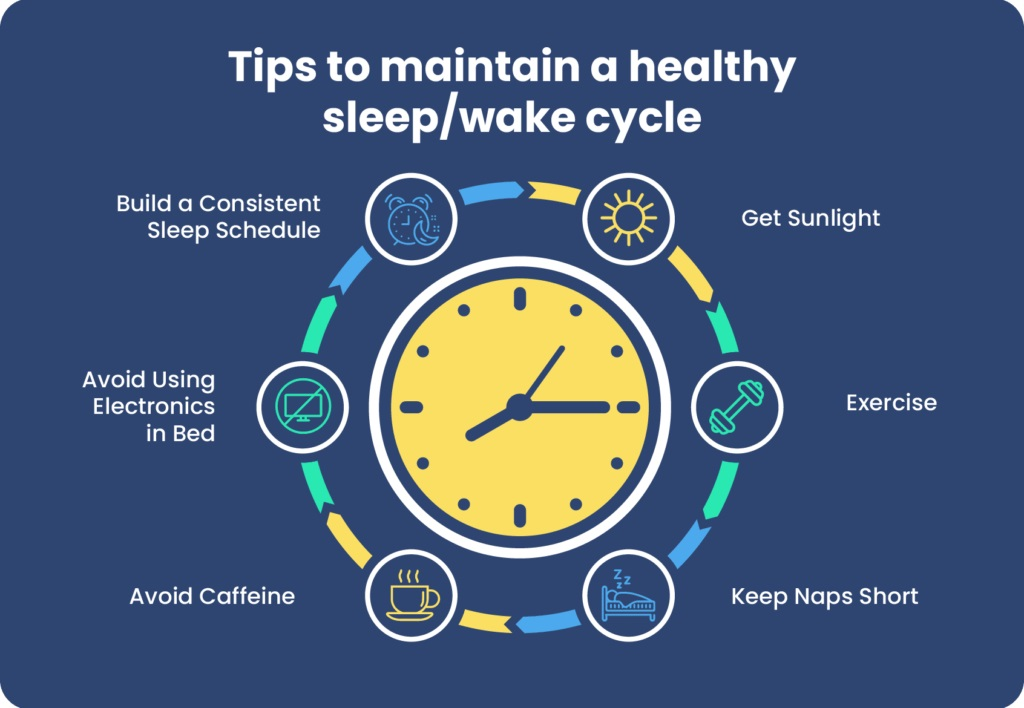
The timing of your supplement consumption relative to meals, exercise, and your body’s natural rhythms significantly impacts how much of each nutrient your body actually absorbs. Your gastrointestinal tract follows predictable patterns throughout the 24-hour cycle, with peak digestive enzyme production occurring during daylight hours when your body expects food. Strategic timing based on these rhythms can optimize outcomes significantly without requiring any additional products.
Align Vitamin D With Your Largest Daily Meal for Maximum Uptake
Research shows vitamin D absorption improves dramatically when consumed with your largest meal of the day rather than with smaller meals, regardless of fat content. The increased bile production triggered by larger meals creates optimal conditions for this fat-soluble vitamin’s absorption. For most people, this means taking vitamin D with dinner rather than breakfast produces superior blood levels. Studies comparing different timing protocols found that evening dosing with dinner increased vitamin D levels by up to 56% compared to morning dosing with breakfast.
Don’t make the common mistake of taking vitamin D on an empty stomach or with coffee—this practice essentially ensures poor absorption regardless of supplement quality. Even if you’re taking a high-dose vitamin D supplement, without proper timing, most of it passes through your system unused. For maximum benefit, wait until your evening meal contains at least 5-10 grams of fat before taking your vitamin D.
Post-Workout Supplement Timing for Muscle Recovery Nutrients
The hours following exercise represent an optimal window for consuming supplements targeting muscle recovery and performance enhancement. Exercise creates acute effects on nutrient absorption that you can leverage strategically for better results. During physical activity, blood flow redirects from your digestive tract toward working muscles, potentially reducing absorption of supplements consumed immediately before or during exercise.
However, the increased muscle perfusion and enhanced cellular sensitivity that accompany exercise create a window of heightened nutrient uptake capacity that extends for several hours after workout completion. Research demonstrates that protein consumption within this anabolic window produces superior muscle protein synthesis rates compared to identical supplements consumed at other times. For best results, consume protein and amino acid supplements within 30-60 minutes after completing your workout for maximum muscle recovery benefits.
Pair Fat-Soluble Vitamins With These Specific Fats for Better Results
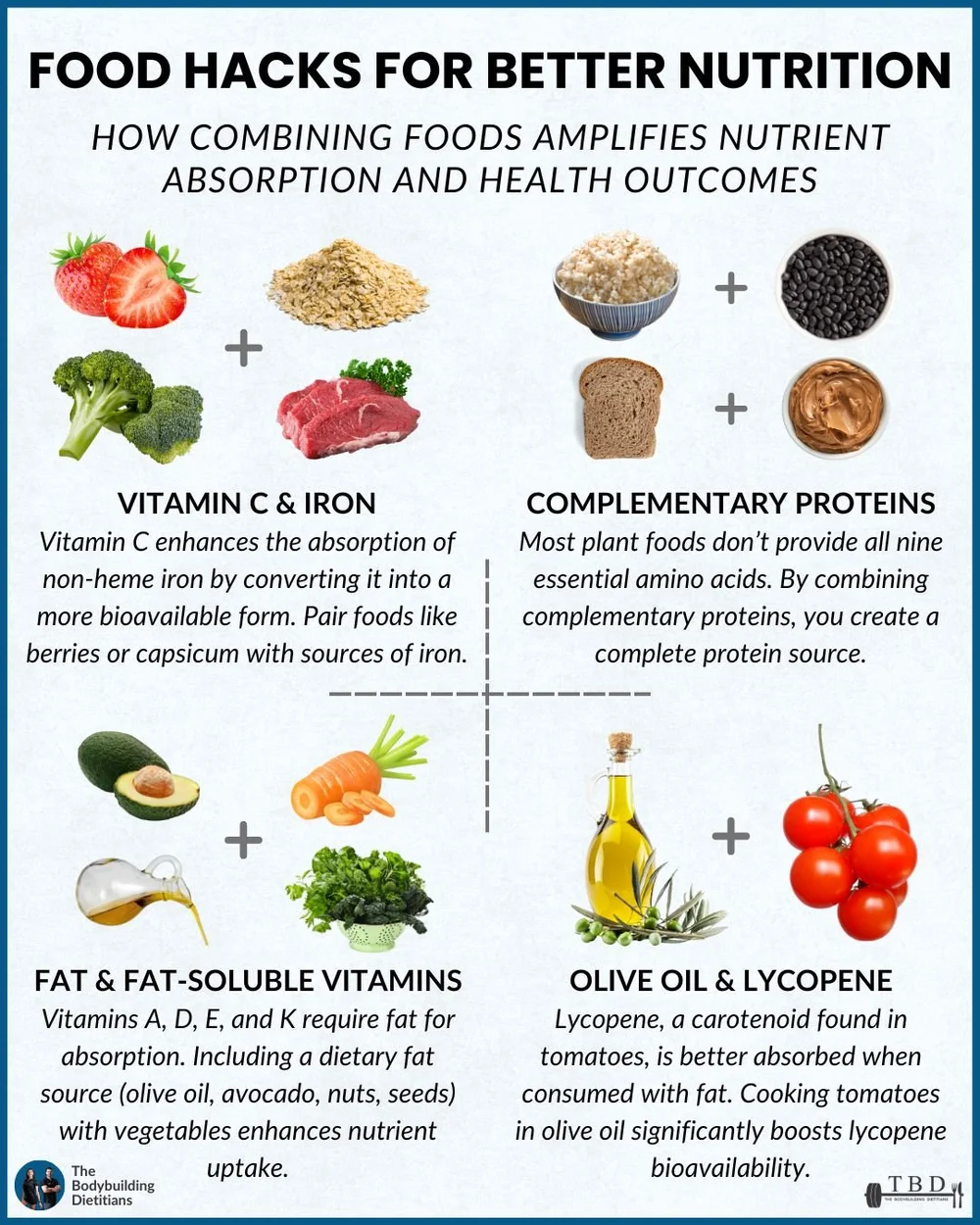
Dietary fat plays an indispensable role in the absorption of fat-soluble vitamins and numerous phytonutrients that depend on lipid solubilization for intestinal uptake. Vitamins A, D, E, and K require dietary fat for proper absorption because these compounds are hydrophobic and cannot efficiently cross the intestinal membrane in aqueous environments. The presence of dietary fat stimulates bile acid release from your gallbladder, creating micelles that transport fat-soluble compounds to the intestinal brush border for absorption.
The 5-10g Fat Rule for Optimal Vitamin Absorption
Research shows that even modest amounts of fat, approximately 5 to 10 grams, can significantly enhance fat-soluble vitamin absorption. This amount equals about one teaspoon of olive oil, a quarter of an avocado, or a small handful of nuts. The fatty acid composition matters too—long-chain triglycerides appear more effective at promoting fat-soluble vitamin absorption than medium-chain alternatives.
Add one of these fat sources to your meal when taking fat-soluble vitamins:
– 1/4 avocado
– 10-12 almonds or walnuts
– 1 teaspoon of olive oil or avocado oil
– 1 tablespoon of full-fat Greek yogurt
– 1 ounce of cheese
Beyond vitamins, many beneficial plant compounds including carotenoids, coenzyme Q10, and various polyphenols demonstrate enhanced absorption when consumed with dietary fat. Lycopene, the red pigment in tomatoes, provides a well-documented example, with studies showing significantly higher blood levels when tomato products are consumed with oil compared to fat-free preparations.
Avoid These Common Food Combinations That Block Vitamin Uptake
Taking fat-soluble vitamins with certain foods can sabotage your absorption efforts. High-fiber meals, particularly those rich in phytates from whole grains and legumes, can bind to fat-soluble vitamins and prevent their absorption. Similarly, consuming calcium supplements with fat-soluble vitamins creates competition for absorption pathways.
To maximize fat-soluble vitamin absorption, avoid these combinations:
– Vitamin D with high-calcium foods like dairy
– Vitamin K with high-fiber cereals or bran
– Vitamin E with mineral supplements
– Fat-soluble vitamins with coffee or tea (wait at least 60 minutes)
Wait at least one hour after consuming high-phytate foods before taking your fat-soluble supplements. This simple timing adjustment can increase absorption by up to 30% according to clinical studies.
Choose High-Bioavailability Mineral Forms That Actually Work

The chemical form and delivery system of your supplements dramatically affect their bioavailability, sometimes making the difference between a product that works and one that passes through your system largely unused. Understanding formulation differences allows you to choose supplements that actually deliver the nutrients they promise without requiring higher doses.
Why Magnesium Glycinate Beats Oxide for Absorption
Not all magnesium supplements are created equal. Magnesium oxide contains a high percentage of elemental magnesium by weight but absorbs poorly (only about 4%) and tends to cause gastrointestinal distress. Magnesium glycinate, citrate, and malate forms demonstrate substantially better absorption (up to 30-40%) and are generally preferred for therapeutic purposes despite their lower elemental magnesium content.
For optimal mineral absorption, choose these superior forms:
– Magnesium: Glycinate, citrate, or malate instead of oxide
– Calcium: Citrate instead of carbonate (especially for those over 40)
– Iron: Bisglycinate instead of sulfate
– Zinc: Picolinate or bisglycinate instead of oxide
The citrate form of minerals does not require gastric acid for solubilization, making it a better choice for older adults or those taking acid-reducing medications. Choosing the right chemical form can significantly improve mineral absorption without requiring you to take higher doses that may cause side effects.
The Calcium Citrate Advantage for Low-Stomach-Acid Individuals
As we age, gastric acid production typically declines, impairing our ability to absorb certain minerals. Calcium carbonate requires stomach acid for proper ionization and absorption, while calcium citrate does not. For individuals with reduced gastric acidity—common in those over 50 or taking proton pump inhibitors—calcium citrate provides significantly better absorption.
If you’re over 40 or taking acid-reducing medications:
– Choose calcium citrate instead of carbonate
– Take minerals with protein-rich meals to stimulate acid production
– Consider betaine HCl supplements to support stomach acid (consult your doctor first)
– Divide your daily mineral dose into two or three smaller doses
Taking magnesium in divided doses rather than a single large dose can improve overall absorption by up to 25% and reduce the digestive discomfort that some people experience with magnesium supplements. This approach ensures your absorption mechanisms don’t become saturated, allowing your body to utilize more of the mineral you consume.
Stop Wasting Money on These 3 Supplement Absorption Mistakes
Avoiding these frequent errors can dramatically improve your supplement results without requiring any additional products or complicated protocols. These common mistakes undermine even the most expensive supplementation regimens, rendering them largely ineffective.
The Empty Stomach Myth for Fat-Soluble Vitamins
One of the most common mistakes involves consuming fat-soluble vitamins on an empty stomach or with fat-free meals. This practice essentially ensures poor absorption regardless of supplement quality or dose. Taking vitamins with breakfast coffee or orange juice alone misses the critical fat component needed for vitamins A, D, E, and K absorption.
Fix this mistake by:
– Always pairing fat-soluble vitamins with at least 5g of dietary fat
– Adding avocado or nuts to your breakfast when taking supplements
– Choosing lunch or dinner over breakfast for fat-soluble vitamin intake
– Using full-fat yogurt instead of non-fat when taking supplements
Even small amounts of fat from nuts or avocado can significantly improve absorption of these compounds. Research shows that adding just one teaspoon of oil to a meal increases vitamin D absorption by up to 32% compared to fat-free meals.
Mineral Competition That Sabotages Your Supplementation
High-dose zinc can impair copper and iron absorption, and calcium can interfere with magnesium and iron absorption when consumed simultaneously. While moderate supplementation levels may not create significant competition, therapeutic doses of individual minerals should generally separate by several hours to ensure optimal absorption of each.
Prevent mineral competition by:
– Taking zinc supplements at least 2 hours away from copper and iron
– Consuming calcium and magnesium at different meals
– Avoiding mineral supplements with coffee or tea (wait 60+ minutes)
– Getting blood tests to identify specific deficiencies before high-dose supplementation
The solution involves strategic timing rather than eliminating potentially beneficial supplements. Separating competing minerals by several hours creates optimal conditions for each to be absorbed without interference.
Gut Health Fixes That Dramatically Improve Nutrient Uptake
Your gastrointestinal microbiome plays a far more significant role in supplement metabolism and absorption than previously understood. Gut bacteria produce numerous enzymes that can modify supplement compounds, in some cases activating them and in others degrading them before absorption occurs. Supporting a healthy gut microbiome creates conditions favorable for optimal nutrient absorption.
Repair Intestinal Permeability to Boost Supplement Effectiveness
Intestinal permeability, often referred to as leaky gut, directly affects supplement absorption and access to your bloodstream. Factors that increase permeability, including stress, alcohol, and inflammatory conditions, can paradoxically both increase and decrease effective absorption depending on the compound in question.
Support intestinal barrier function with these nutrients:
– L-glutamine (5-10g daily)
– Zinc carnosine
– Vitamin A (as retinol)
– Omega-3 fatty acids
– Collagen peptides
The integrity of your intestinal lining and the health of enterocytes that perform nutrient absorption are fundamental to supplement efficacy. These cells have high turnover rates and require adequate nutrients for their maintenance and function. Addressing underlying gut health issues often improves supplement effectiveness more than simply increasing doses.
Advanced Delivery Systems That Increase Absorption by 200-500%
Liposomal encapsulation represents one of the most significant technological advances in supplement bioavailability, offering enhanced absorption for compounds that traditionally suffer from poor intestinal uptake. Liposomes are spherical vesicles made of phospholipid bilayers that closely resemble your cell membranes, allowing them to fuse with intestinal cells and deliver their contents directly into the cytoplasm.
Liposomal supplements provide dramatic absorption advantages:
– Vitamin C: Up to 5x better absorption than standard ascorbic acid
– Curcumin: 185x greater bioavailability than standard curcumin
– Glutathione: 100x better absorption than oral reduced glutathione
– CoQ10: 3-4x higher blood levels compared to standard ubiquinone
While liposomal products typically cost more, the dramatically improved absorption efficiency often makes them more cost-effective on a per-absorbed-dose basis. For supplements where absorption has traditionally been poor, liposomal delivery can transform marginal products into highly effective therapeutic agents.
Track Your Progress: How to Know If Your Supplements Are Working
Achieving optimal supplement absorption requires ongoing assessment and adjustment based on how your body responds to different strategies. Objective assessment through biomarker testing allows evidence-based optimization of supplementation protocols.
Key tests to measure supplement absorption effectiveness:
– Serum 25-hydroxyvitamin D (for vitamin D status)
– Red blood cell magnesium (more accurate than serum)
– Serum ferritin (for iron stores)
– Homocysteine levels (reflects B-vitamin status)
– Omega-3 index (for EPA/DHA absorption)
Periodic reassessment allows dose adjustment based on achieved status rather than relying on fixed protocols. Systematic tracking of both objective markers and subjective responses enables ongoing refinement of supplementation strategies to maximize your results.
Key Takeaways for Better Supplement Absorption
Maximizing supplement absorption requires attention to multiple interacting factors spanning formulation selection, timing strategies, dietary considerations, and individual health status. The three most impactful strategies are consuming fat-soluble compounds with adequate dietary fat, timing supplementation to avoid absorption inhibitors, and selecting bioavailable chemical forms of nutrients. Advanced delivery technologies including liposomes offer significant bioavailability advantages for many supplements and should be considered for compounds with traditionally poor absorption.
Even basic supplements can work effectively when taken correctly with attention to timing, food combinations, and overall health foundations. By implementing these science-backed strategies, you’ll transform your supplementation routine from guesswork into a precision protocol that delivers measurable results. Remember that individual variation in absorption capacity is significant—what works perfectly for one person may need adjustment for another. The key is systematic tracking and refinement based on your personal response.