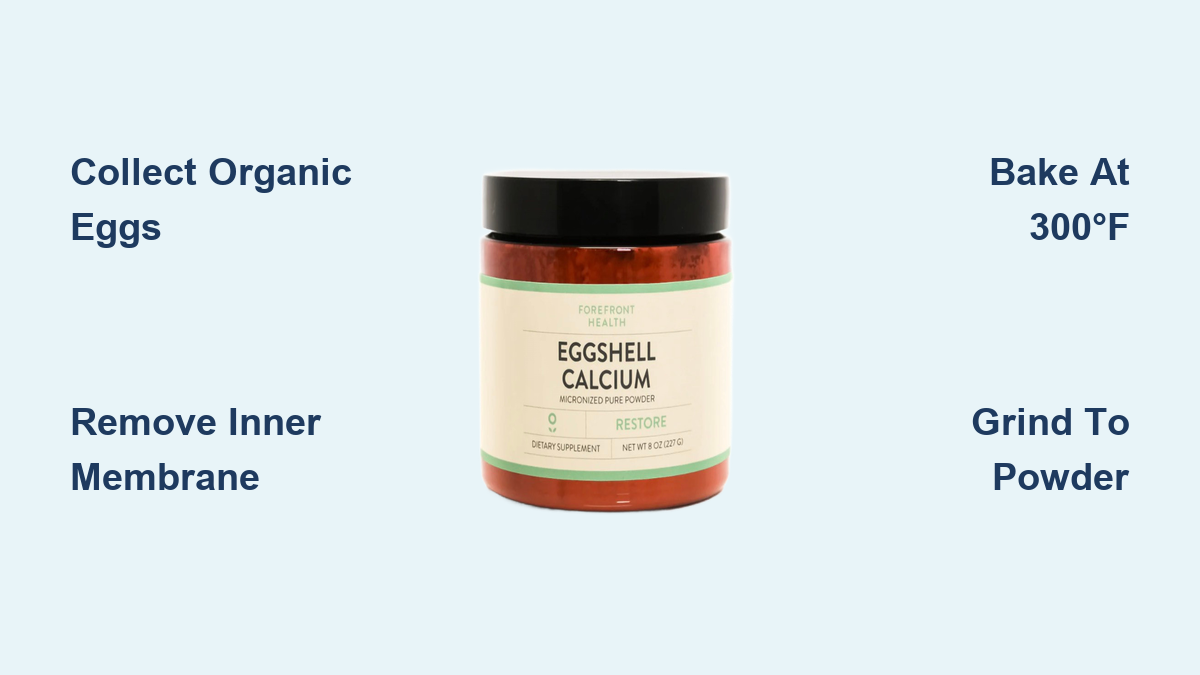

Discovering how to make eggshell calcium supplement transforms kitchen waste into powerful nutrition. Each eggshell contains about 40% calcium carbonate by weight, delivering a highly absorbable mineral source right from your breakfast scraps. Instead of buying expensive commercial supplements, you can create your own pure calcium powder using simple household tools and straightforward processing methods. This guide reveals the exact steps to convert ordinary eggshells into a safe, effective supplement that supports strong bones, proper muscle function, and overall health—without synthetic additives or unnecessary fillers.
Why struggle with questionable supplement quality when nature provides such an accessible solution? Millions of eggshells get discarded daily despite their remarkable nutritional potential. When prepared correctly, homemade eggshell calcium matches or exceeds the bioavailability of store-bought options. By mastering this process, you’ll gain control over what goes into your body while reducing household waste. Let’s dive into transforming something you’d normally throw away into your most valuable daily nutrient.
Why Eggshells Outperform Commercial Calcium Sources
Eggshell Calcium vs. Store-Bought Supplements
Eggshells contain approximately 95% calcium carbonate in a natural matrix that enhances absorption. Scientific studies confirm this natural form achieves better bioavailability than purified calcium carbonate supplements because eggshells include proteins that facilitate intestinal uptake. Unlike commercial products filled with binders and fillers, your homemade version delivers pure calcium without unnecessary additives. A single large eggshell provides 700-800 mg of elemental calcium—nearly 70% of your daily requirement—making it one of nature’s most concentrated calcium sources.
Hidden Benefits Beyond Calcium Content
Beyond the impressive calcium concentration, eggshells contain essential trace minerals including magnesium, strontium, boron, copper, and iron. These elements work synergistically to support bone metabolism and overall health. The natural protein matrix in eggshell membrane may also contribute to joint health, though these benefits operate separately from the calcium content. When properly prepared, your homemade supplement delivers a complete mineral profile your body recognizes and utilizes efficiently—something most commercial supplements can’t match.
Prepare Eggshells for Maximum Safety and Purity

Selecting and Cleaning Your Source Material
Start collecting shells from all eggs you consume, storing them in a refrigerator container until you have enough for processing—typically 10-12 eggs for a standard batch. Discard any shells showing cracks, mold, or debris that could compromise your supplement’s quality. Rinse each shell under warm running water, using your fingers to remove all clinging egg white residue, especially from the inner membrane and crevices. For thorough cleaning, some practitioners use a mild dish soap solution followed by multiple rinses to eliminate all soap traces.
Why Organic Eggshells Yield Superior Results
Choose organic, free-range eggshells whenever possible for your calcium supplement. Conventional eggs may carry trace amounts of pesticides, antibiotics, or agricultural chemicals that could concentrate in your final product. While research shows minimal transfer of these substances to the supplement, using organic eggs provides additional peace of mind and aligns with creating a truly natural, wholesome product. The purity of your source material directly impacts the quality and safety of your homemade calcium supplement.
Eliminate Membranes for Smooth, Palatable Powder
Proper Membrane Removal Techniques
The thin inner membrane must be completely removed before proceeding. Left intact, this membrane creates an unpleasant texture and taste in your final powder while interfering with the grinding process. To remove it effectively, rinse cleaned shells under warm water and gently peel away the inner lining with your fingers or a small tool. For stubborn membranes, soak shells in warm water for 15-30 minutes to soften the membrane before removal. Work over a fine mesh strainer to catch any small pieces during this process.
Quality Control During Membrane Removal
Examine each shell piece after membrane removal and set aside any with visible membrane remnants. This meticulous approach ensures a cleaner, smoother powder that blends seamlessly into foods and beverages without affecting taste or texture. Take your time—rushing this step results in a final product with noticeable fibrous particles that won’t blend well. Proper membrane removal transforms your eggshells from rough fragments into pristine material ready for processing.
Achieve Complete Dryness for Safe Processing
Air Drying vs. Oven Drying Methods
Spread cleaned, membrane-free shell pieces on a baking sheet in a single layer with space between pieces for air circulation. Allow them to air dry for 24-48 hours in a warm, dry location away from direct sunlight. For faster results or in humid environments, use oven drying: preheat to 200°F (93°C), spread shells on parchment paper, and bake 10-15 minutes with stirring halfway through. The shells are properly dried when they snap cleanly when bent and produce a crisp, hollow sound when dropped.
Critical Signs of Properly Dried Eggshells
Check for complete dryness by ensuring shells are crisp, white or off-white in color, and completely brittle. Any rubbery or pliable areas indicate remaining moisture that will cause clumping during storage and promote bacterial growth. When in doubt, dry for an additional 10-15 minutes—better to slightly over-dry than risk contamination. Properly dried shells transform into a fine powder that maintains quality during storage and delivers maximum calcium availability.
Sterilize Thoroughly to Eliminate Pathogens

Precise Baking for Optimal Safety
Bake your dried shells at exactly 300°F (149°C) for 10-15 minutes to eliminate harmful bacteria like Salmonella without damaging the calcium structure. Temperatures above 350°F (177°C) begin decomposing calcium carbonate into calcium oxide and carbon dioxide, reducing calcium content and altering powder properties. Monitor closely—shells should not brown or char, as discoloration indicates excessive heat exposure. This critical sterilization step ensures your homemade supplement is safe for consumption.
Cooling Protocol After Sterilization
Allow sterilized shells to cool completely before handling or grinding—approximately 30 minutes. This cooling period prevents condensation when storing shells and ensures any residual heat doesn’t affect grinding results. Properly sterilized and cooled shells can be stored in an airtight container for several months before grinding, though processing immediately after cooling yields the finest powder with maximum calcium availability.
Grind to Pharmaceutical-Grade Fineness
Optimal Grinding Equipment and Technique
Use a dedicated coffee grinder or spice mill for small batches to achieve consistent results without cross-contamination. Process shell pieces in small batches for 30-60 seconds at a time with brief pauses to prevent motor overheating. Stop periodically to check consistency and redistribute larger pieces toward the grinding surface. The ideal powder should match flour or talcum powder in texture—coarser particles won’t blend well into foods and feel gritty when consumed.
Achieving Perfect Powder Consistency
Pass your ground powder through a fine mesh sieve to remove any remaining coarse particles, returning these to the grinder for additional processing. Properly prepared eggshell calcium supplement should feel smooth between your fingers and partially dissolve in water, indicating sufficient fineness for optimal bioavailability. This attention to grinding detail transforms ordinary eggshells into a professional-quality supplement indistinguishable from commercial products.
Store Your Supplement for Maximum Shelf Life
Proper Container Selection and Handling
Transfer cooled, finely ground powder to a clean, dry glass container with an airtight seal. Amber or opaque containers provide additional light protection, though clear containers stored in dark locations work equally well. Always label with preparation date and contents for easy tracking. Store in a cool, dry location away from sunlight, heat sources, and humidity—pantries or cupboards work perfectly for daily use.
Moisture Prevention Strategies
Never introduce moisture to your stored powder by using wet utensils. Keep a small, dedicated spoon with the container to prevent cross-contamination and moisture transfer. When stored properly, your eggshell calcium supplement maintains potency and safety for 6-12 months, though using it within 3-6 months ensures peak quality. Periodically inspect for moisture signs, discoloration, or off-odors, and discard if any concerns arise—your health is worth the small cost of replacing a batch.
Determine Your Ideal Dosage and Usage
Calculating Your Personal Calcium Needs
Each teaspoon of eggshell calcium powder delivers approximately 400-500 mg of elemental calcium. Start with 1/4 to 1/2 teaspoon daily, gradually increasing based on your dietary intake and health goals. Never exceed 2,000-2,500 mg of total calcium daily from all sources without medical supervision. Add your powder to smoothies, yogurt, or oatmeal where its mild, slightly chalky taste blends seamlessly. For convenience, fill capsules using a simple capsule machine.
Special Considerations for Sensitive Individuals
Pregnant or nursing women, those with kidney disease, or people taking medications should consult healthcare providers before using homemade calcium supplements. Children and adolescents require age-appropriate dosing under adult supervision. Eggshell calcium works best as part of a comprehensive bone health approach that includes adequate vitamin D, magnesium, and weight-bearing exercise—never as a standalone solution.
Troubleshoot Common Preparation Issues
Fixing Clumping and Texture Problems
Clumping indicates insufficient drying or moisture exposure—re-dry powder at low heat and transfer to a fresh container with a desiccant packet. Grainy texture results from inadequate grinding; process powder longer or use a finer sieve. Unpleasant odors or discoloration suggest contamination—discard affected batches rather than risk health consequences. Maintain detailed records of your process to identify and prevent recurring issues.
Maximizing Yield from Your Eggshell Collection
Keep a dedicated kitchen container for shell collection and remind household members to save shells. A single person typically generates enough shells for personal supplementation within 1-2 weeks, while families produce a month’s supply in just days. Consistent collection transforms what was once waste into valuable nutrition while reducing environmental impact and saving money compared to commercial alternatives.