


If you’ve been prescribed a glutamine supplement, knowing exactly how to take glutamine supplement correctly is critical for your treatment success. This prescription medication works differently than over-the-counter supplements and requires precise administration to be effective for your specific condition. Whether you’re managing short bowel syndrome or sickle cell disease, following the exact dosing protocol, proper mixing techniques, and timing guidelines makes all the difference in your therapeutic outcomes. This guide provides the specific, actionable steps you need to take your glutamine medication correctly—without the generic advice that leaves patients confused about proper administration.
Unlike dietary supplements you might find at your local store, prescription glutamine (available under brand names like Endari, Enterex Glutapak-10, and Resource Glutasolve) requires medical supervision and strict adherence to your doctor’s instructions. Missing doses, improper mixing, or incorrect timing can significantly reduce the medication’s effectiveness for your condition. By the end of this guide, you’ll understand precisely how to prepare, dose, and monitor your glutamine treatment to maximize benefits while minimizing potential risks.
Proper Glutamine Powder Mixing Techniques

Taking glutamine supplement correctly starts with proper preparation of the powder formulation, which is the most common delivery method. Many patients unknowingly reduce their medication’s effectiveness by improper mixing techniques that leave residue behind or cause incomplete consumption.
Food and Beverage Options for Glutamine Mixing
Mix each dose of glutamine powder with either 4 to 6 ounces of soft food like applesauce or yogurt, OR with 8 ounces of cold or room-temperature beverage such as water, milk, or apple juice. Never use hot liquids as they may degrade the medication’s effectiveness. Some patients find that thicker foods like yogurt help prevent the powder from settling at the bottom, while others prefer beverages for easier consumption. Experiment with different options during your first few doses to determine what works best for your taste preferences and digestive comfort.
Complete Consumption Protocol
After mixing your glutamine dose, consume the entire mixture immediately—do not wait for the powder to fully dissolve. The prescribing information specifically notes that complete dissolution isn’t required before consumption. However, you must ensure you consume every bit of the mixture to receive your full prescribed dose. If using a container, scrape the sides thoroughly before discarding. Patients who fail to consume the entire mixture effectively underdose themselves, potentially compromising their treatment outcomes. Consider using a clear container so you can visually verify complete consumption.
Short Bowel Syndrome Glutamine Dosing Schedule
For patients treating short bowel syndrome, following the exact dosing protocol is essential for improving intestinal function and nutrient absorption when combined with human growth hormone and specialized diets.
Six-Times-Daily Administration Timing
Adults with short bowel syndrome take 30 grams daily, divided into six 5-gram doses taken with meals or snacks. Crucially, space these doses 2 to 3 hours apart while awake to maintain consistent medication levels throughout your waking hours. Create a schedule that aligns with your natural eating patterns—for example: 8 AM, 11 AM, 2 PM, 5 PM, 8 PM, and 11 PM. Set phone alarms for each dose time until the routine becomes habitual. Missing the precise spacing between doses creates medication troughs that reduce treatment effectiveness for intestinal healing.
Weight-Based Glutamine Dosing for Sickle Cell Disease
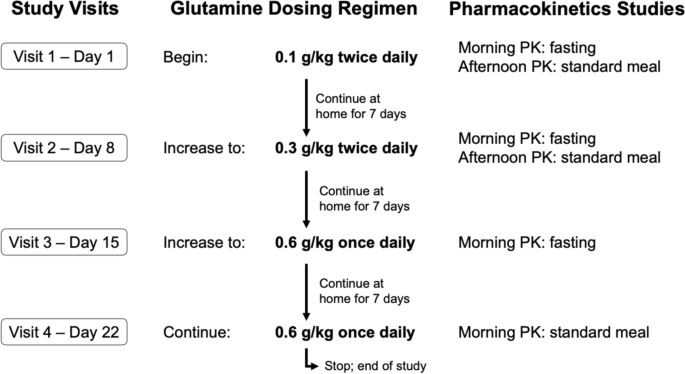
Sickle cell disease treatment requires precise weight-based dosing that differs significantly from short bowel syndrome protocols. Taking glutamine supplement incorrectly through miscalculated doses can reduce its effectiveness in preventing acute complications.
Pediatric and Adult Dosing Guidelines
Your exact dose depends entirely on your current body weight. Patients weighing more than 65 kg (143 lbs) take 15 grams (three packets) twice daily for a total of 30 grams. Those between 30-65 kg (66-143 lbs) take 10 grams (two packets) twice daily totaling 20 grams. Patients under 30 kg (66 lbs) take 5 grams (one packet) twice daily for 10 grams total. Children must be at least 5 years old to use glutamine for sickle cell disease—safety hasn’t been established for younger children. Weigh yourself regularly as significant weight changes require dose adjustments.
Immediate Action Plan for Missed Glutamine Doses
Missing a dose happens, but knowing the correct protocol prevents dangerous compensation attempts that could harm your treatment progress.
If you realize you’ve missed a dose more than 1 hour before your next scheduled dose, take it immediately. However, if your next dose is within 1 hour, skip the missed dose entirely—never double your next dose. Many patients mistakenly believe “making up” a missed dose improves treatment, but glutamine requires consistent blood levels, not occasional spikes that could increase side effects. Set up a backup system: keep one day’s supply in your work bag or purse, and use medication reminder apps with missed dose protocols pre-programmed.
Room Temperature Storage to Maintain Glutamine Potency
Proper storage preserves glutamine’s therapeutic properties throughout your treatment period. Exposure to environmental factors can degrade the medication, rendering it less effective.
Store your glutamine supplement in its original closed container at room temperature away from direct sunlight, heat sources, and moisture. Never store in bathrooms due to humidity fluctuations, and absolutely never freeze the medication as this alters its chemical structure. When traveling, keep glutamine in an insulated bag with a cold pack during hot weather but avoid direct contact with ice. Discard any medication showing clumping, discoloration, or unusual odors—these indicate potential degradation.
Liver Health Monitoring Before Each Glutamine Dose
Glutamine requires heightened liver monitoring, especially for patients with pre-existing liver conditions that could worsen during treatment.
Before taking each dose, perform a quick self-check for early liver problem symptoms: upper abdominal pain, pale stools, dark urine, unexplained nausea, loss of appetite, or yellowing of eyes/skin. Patients with known liver conditions should have liver function tests every 4-6 weeks during treatment. Never ignore mild symptoms thinking “it’s probably nothing”—early intervention prevents serious complications. Keep a symptom journal to show your doctor at monitoring appointments, noting even subtle changes in how you feel.
Recognizing Urgent Glutamine Side Effects
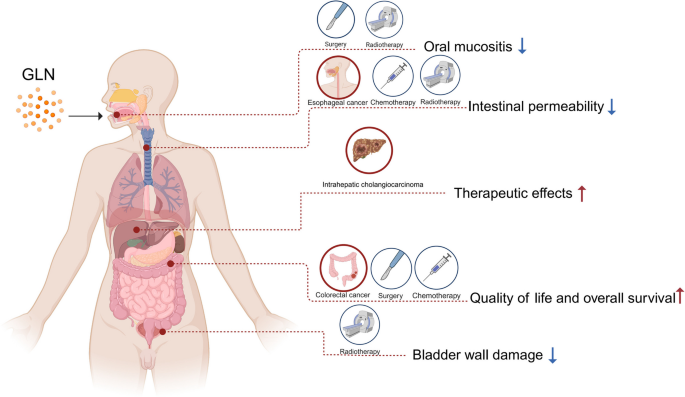
While many side effects are manageable, certain reactions require immediate medical attention to prevent complications.
Emergency Side Effect Identification
Contact your doctor immediately if you experience blood in urine, sudden skin color changes, or persistent chills—these less common but serious side effects need prompt evaluation. Don’t wait to see if symptoms resolve on their own. Keep your healthcare provider’s after-hours contact information readily available, and know whether your symptoms warrant an urgent office visit or emergency room trip. When in doubt, seek medical evaluation—better to be safe with prescription medication reactions.
Preventing Dangerous Glutamine Drug Interactions
Glutamine interacts with numerous medications, making complete disclosure to your healthcare team essential before starting treatment.
Create a comprehensive medication list including all prescription drugs, over-the-counter medications, herbal supplements, and vitamins you take regularly or occasionally. Review this list with your doctor before starting glutamine. Pay special attention to medications metabolized by the liver, as glutamine may affect their processing. Never start new supplements during treatment without explicit approval—even seemingly harmless products like multivitamins can interact. Schedule a dedicated medication review appointment if you begin any new treatments while on glutamine.
Setting Up Your Glutamine Dosing Reminder System
Consistent timing separates successful treatment from suboptimal results, especially for short bowel syndrome requiring six daily doses.
Implement a multi-layered reminder system: set phone alarms with escalating volume, place sticky notes on your bathroom mirror and refrigerator, and recruit a family member to provide verbal reminders. For the twice-daily sickle cell regimen, link doses to existing habits—take morning doses with breakfast coffee and evening doses with toothbrushing. Use a dedicated medication journal to track each dose with time stamps, noting any difficulties with mixing or consumption. Review this log weekly to identify patterns of missed doses and adjust your system accordingly.
Why Doubling Glutamine Doses Creates Serious Risks
The temptation to “make up” for missed doses by doubling the next administration creates dangerous consequences that outweigh any perceived benefits.
Taking double doses overwhelms your body’s processing capacity, potentially triggering severe side effects without providing additional therapeutic benefit. Glutamine works through consistent blood levels, not occasional spikes. Patients who double doses report significantly higher rates of gastrointestinal distress and liver complications. If you accidentally take an extra dose, contact your healthcare provider immediately rather than waiting for symptoms to develop. Keep the poison control number (1-800-222-1222) saved in your phone contacts for quick reference.
Key Takeaways for Correct Glutamine Administration: Always mix powder with 4-6 ounces of food or 8 ounces of cold beverage and consume the entire mixture. For short bowel syndrome, space six 5-gram doses 2-3 hours apart while awake. Sickle cell patients must follow weight-based dosing—never guess your dose. Store glutamine at room temperature away from moisture and light. Never double doses after missing one—skip and resume your regular schedule. Report any signs of liver problems immediately. Attend all monitoring appointments for blood tests and progress evaluation. Consistent, correct administration separates successful treatment outcomes from frustrating therapeutic failures—your diligent approach directly impacts your recovery journey.