
Vitamin A supplements can be your solution when diet alone fails to meet your nutritional needs, but improper use risks serious health consequences. Millions struggle with vitamin A deficiency without realizing it—symptoms like night blindness, dry skin, and weakened immunity often go unnoticed until problems escalate. Knowing exactly how to take vitamin A supplements properly transforms them from potential hazards into powerful health allies that support vision, immunity, and cellular function. This guide delivers precise instructions you can trust, verified by medical professionals, so you get maximum benefit without risking toxicity.
Whether you’re addressing a diagnosed deficiency, managing cystic fibrosis-related malabsorption, or simply optimizing your nutrition, proper supplementation technique makes all the difference. You’ll discover the exact timing, dosing, and food pairing strategies that maximize absorption while avoiding dangerous accumulation. Most importantly, you’ll learn the critical safety checkpoints that protect you from vitamin A toxicity—a real danger since this fat-soluble nutrient builds up in your liver over time.
Why Correct Vitamin A Supplementation Prevents Serious Health Complications
Vitamin A deficiency creates cascading health problems that extend far beyond poor night vision. Without adequate levels, your immune system weakens significantly, leaving you vulnerable to infections that might otherwise be mild. Skin conditions like hyperkeratosis—where tiny bumps develop on your arms and thighs—signal early deficiency that many mistake for simple dry skin. Left unaddressed, severe deficiency can progress to xerophthalmia, causing permanent eye damage that begins with night blindness and may lead to total vision loss.
Certain medical conditions dramatically increase your need for careful supplementation. If you have cystic fibrosis or other malabsorption disorders, your body struggles to extract vitamin A from food even with a perfect diet. Chronic digestive issues like Crohn’s disease or celiac disease similarly impair nutrient absorption, creating hidden deficiencies despite apparent healthy eating. Recognizing these risk factors helps you determine whether how to take vitamin A supplements requires medical supervision versus over-the-counter options.
Choosing Between Beta-Carotene and Retinol Forms for Your Needs

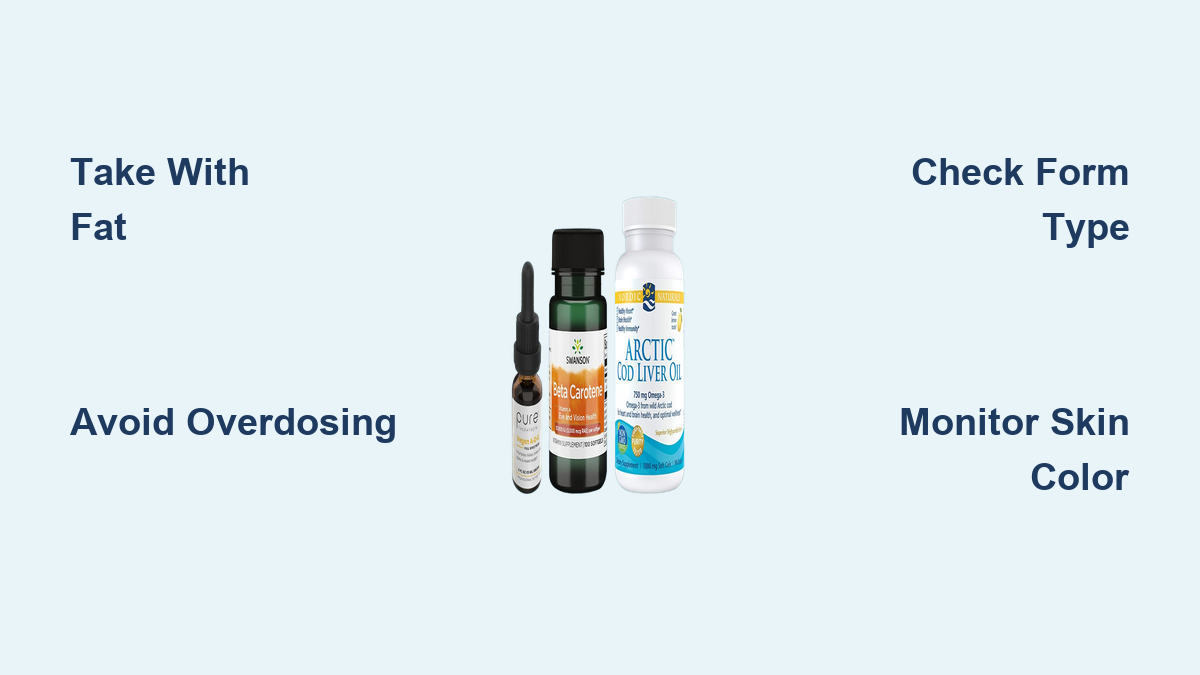
Selecting the right vitamin A supplement form prevents unnecessary risks while ensuring effectiveness. Beta-carotene supplements provide provitamin A that your body converts only as needed, making them safer for self-administration with lower toxicity risk. These orange-hued capsules work well if you’re generally healthy but want to boost your levels through supplementation. Look for labels specifying “beta-carotene” when purchasing over-the-counter options at pharmacies or health stores.
Retinol, retinyl acetate, and retinyl palmitate represent preformed vitamin A that your body uses immediately. These direct forms are typically prescribed for diagnosed deficiencies but carry higher toxicity risk if misused. Liquid drops offer precise dosing control for children or those needing very specific amounts, while gel capsules provide easier swallowing for pill-averse individuals. Always verify the chemical form on your supplement label—confusing these types leads to dangerous overdosing mistakes.
Avoiding Dangerous Form Confusion Mistakes
Many supplement users accidentally double-dose by combining different vitamin A forms. Taking beta-carotene gummies alongside a multivitamin containing retinyl palmitate creates potentially toxic accumulation since your body processes these forms differently. Never mix supplement types without explicit medical direction, especially if you’re also using prescription retinoids for acne treatment. These topical medications absorb through your skin and combine with oral supplements to dangerously elevate your vitamin A levels.
Precise Timing: When to Take Vitamin A with Meals for Maximum Absorption

Taking vitamin A supplements without dietary fat renders them nearly useless—your body simply cannot absorb this fat-soluble nutrient effectively. Always pair your dose with at least 3-5 grams of fat from your meal, equivalent to one teaspoon of olive oil, a quarter avocado, or a small handful of nuts. Breakfast works well when you add avocado to toast or nuts to yogurt, while dinner succeeds when you cook vegetables in oil or include fatty fish.
Never take vitamin A on an empty stomach or with fat-free meals—even if you follow perfect dosing instructions, absorption drops below 10% without adequate fat. If your typical meals run low-fat, create a simple fat-boosting strategy: add a tablespoon of almond butter to your smoothie, sprinkle seeds on salads, or include olives with lunch. Consistency matters more than perfection—taking your supplement with the same daily meal builds reliable absorption habits.
Correct Missed Dose Protocol: What to Do When You Forget
Forgetting a vitamin A dose happens to everyone, but your response determines whether you stay safe or risk toxicity. If you remember your missed dose within 2-3 hours of your usual time, take it immediately with a small fat-containing snack. However, if it’s nearly time for your next scheduled dose, skip the missed one entirely—never double up to “catch up.” Doubling doses is the most common cause of accidental vitamin A toxicity in otherwise careful supplement users.
Create reliable dosing habits with these proven strategies:
– Pair your supplement with an existing daily routine (morning coffee, brushing teeth)
– Use a dedicated pill organizer with AM/PM compartments
– Set phone reminders labeled “Vitamin A + Fat!”
– Keep supplements visible near your designated meal location
Pregnancy and Breastfeeding: Critical Vitamin A Safety Rules
Excessive vitamin A during pregnancy causes severe birth defects, making proper dosing non-negotiable for expectant mothers. Never exceed 10,000 IU daily without explicit obstetrician approval—many prenatal vitamins already contain sufficient vitamin A from safer beta-carotene sources. If you’re using acne medications like isotretinoin, stop immediately upon pregnancy confirmation and consult your doctor about alternative vitamin A sources.
Breastfeeding mothers need adequate vitamin A for milk production but must avoid excessive levels that could harm infants. Limit supplements to prescribed doses only, and prioritize food sources like sweet potatoes, carrots, and spinach rather than high-dose supplements. Always disclose your breastfeeding status when discussing supplementation with healthcare providers—they’ll adjust recommendations based on your specific nutritional needs and infant feeding patterns.
Recognizing Dangerous Drug Interactions Before They Harm You
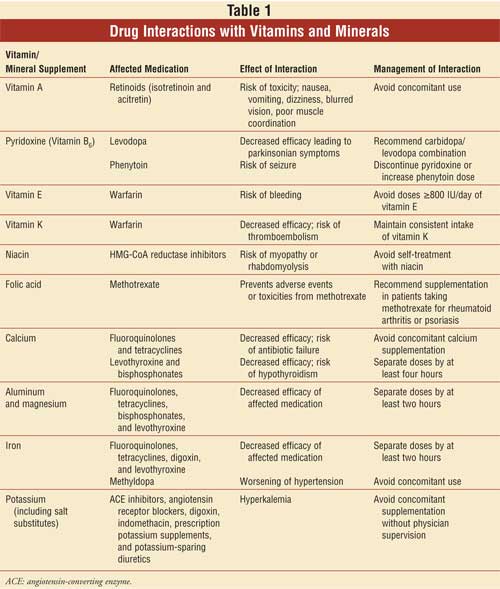
Combining vitamin A supplements with prescription retinoids creates immediate toxicity risk—these acne treatments (like Retin-A or Accutane) are vitamin A derivatives that multiply when combined with supplements. Never use both without dermatologist supervision, and disclose all topical medications when discussing supplementation. Blood thinners like warfarin interact dangerously with high-dose vitamin A, potentially causing uncontrolled bleeding.
Complete this safety checklist before starting supplementation:
– Review all medications (prescription, OTC, topical) with your pharmacist
– Disclose alcohol consumption patterns (impairs vitamin A metabolism)
– Verify no concurrent use of other vitamin A-containing products
– Check multivitamin labels for hidden vitamin A sources
– Consult your doctor if you have liver disease (vitamin A stores in liver)
Immediate Action Steps for Vitamin A Overdose Symptoms
Vitamin A toxicity develops silently as the nutrient accumulates in your liver, making early symptom recognition critical. Yellow-orange skin discoloration (carotenoderma) provides the first visible warning sign—this harmless-looking change actually indicates dangerous accumulation requiring immediate medical evaluation. More serious symptoms include persistent headaches, joint pain, blurred vision, and nausea that won’t subside.
If you experience these symptoms while taking supplements:
1. Stop all vitamin A intake immediately
2. Call poison control at 1-800-222-1222 for specific guidance
3. Save your supplement container for identification
4. Seek emergency care if experiencing vomiting, dizziness, or vision changes
5. Never induce vomiting without professional instruction
Proper Storage and Disposal: Protecting Children and the Environment
Store vitamin A supplements in their original child-resistant container at room temperature (59-85°F), away from bathroom humidity that degrades potency. Keep them in a high, locked cabinet—not the medicine cabinet where children expect to find medications. Never transfer supplements to unmarked containers where they might be mistaken for candy.
Dispose of expired supplements properly using these steps:
– Mix with coffee grounds or cat litter to deter ingestion
– Seal in an opaque container before trash disposal
– Never flush down toilets (contaminates water supply)
– Use pharmacy take-back programs when available
– Remove personal information from prescription labels
Integrating Supplements With Vitamin A-Rich Foods for Balanced Nutrition
Supplements work best alongside vitamin A-rich foods that provide complementary nutrients. Pair your supplements with these top food sources for synergistic benefits:
– Sweet potatoes (214% DV per cup)
– Carrots (120% DV per half cup)
– Spinach (105% DV per half cup)
– Cantaloupe (100% DV per cup)
– Beef liver (635% DV per 3 ounces)
Never replace whole foods with supplements—your body absorbs nutrients more effectively from food sources while benefiting from additional fiber, minerals, and phytonutrients. Continue eating a balanced diet even while supplementing, and discuss dietary adjustments with your healthcare provider to optimize your overall nutrition strategy.
Essential Vitamin A Supplementation Checklist for Safe Daily Use
Follow these critical rules to ensure your vitamin A supplementation remains safe and effective:
– Always take with fat-containing meals (never on empty stomach)
– Never exceed recommended doses—even “more isn’t better”
– Verify supplement form (beta-carotene vs. retinol) matches your needs
– Disclose all medications to avoid dangerous interactions
– Monitor for yellow-orange skin changes as early toxicity warning
– Store supplements securely away from children’s reach
– Consult your doctor before starting if pregnant or breastfeeding
Vitamin A supplementation delivers powerful health benefits when used correctly, but demands respect for its potential risks. By following these precise guidelines for how to take vitamin A supplements, you harness its vision-protecting, immunity-boosting power while avoiding the dangers of improper use. Always partner with your healthcare provider to determine whether supplementation suits your individual needs and to establish the right dosing protocol for your specific health situation.