
Whey protein supplements have transformed from niche bodybuilding aids to mainstream nutrition staples found in kitchens worldwide. If your protein shake isn’t delivering the results you expected, the problem likely lies in how you’re using it—not the product itself. Understanding how to use whey protein supplement properly separates those who see real benefits from those wasting money on ineffective routines. This guide eliminates the guesswork by showing you exactly when, how much, and what type works best for your specific goals, whether you’re trying to build lean muscle, support weight loss, or simply bridge nutritional gaps in your daily diet.
Many people make the critical mistake of treating whey protein like a magic potion rather than a strategic nutrition tool. The truth is that timing matters less than consistency and total daily protein intake, but certain usage patterns can significantly enhance your results. When you learn how to use whey protein supplement in alignment with your body’s natural metabolic rhythms and training schedule, you’ll notice better recovery, improved muscle definition, and sustained energy throughout your day. Let’s cut through the supplement industry hype and focus on evidence-based strategies that deliver real-world results.
Choose Your Whey Type Based on Digestive Needs
Whey Protein Concentrate for General Fitness Goals
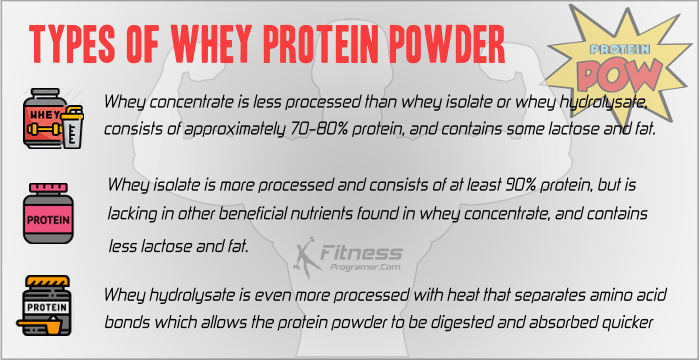
Whey protein concentrate (WPC) delivers 70-80% protein by weight while retaining valuable milk components like immunoglobulins and lactoferrin that support immune function. This option works best if you’re not lactose intolerant and want a cost-effective protein source with natural milk fats that enhance flavor and satiety. Mix one scoop of concentrate with 8-10 ounces of cold water or milk immediately after your workout for optimal absorption during the critical recovery window. The slight lactose content actually slows digestion slightly compared to isolate, providing a more sustained amino acid release that benefits those not concerned about minimal carbs or fats.
Whey Isolate for Lactose-Sensitive Individuals
If you experience bloating or digestive discomfort with regular whey, whey protein isolate (WPI) contains 90%+ pure protein with nearly all lactose and fat removed through additional microfiltration. This makes it the ideal choice for how to use whey protein supplement if you’re lactose intolerant or following a strict macro-counting diet. Since isolate absorbs faster than concentrate, consume it within 30 minutes after intense training sessions when your muscles need rapid amino acid delivery. Use a 1:1 ratio of powder to liquid—typically one scoop to 8 ounces of water—for maximum solubility and quickest uptake without gastrointestinal distress.
Whey Hydrolysate for Maximum Absorption Speed
Whey protein hydrolysate undergoes pre-digestion through enzymatic treatment, breaking protein chains into smaller peptides that absorb 25-50% faster than standard whey. This premium option suits athletes needing immediate post-competition recovery or individuals with compromised digestion who struggle with other protein forms. Mix hydrolysate with just 6-8 ounces of water to avoid diluting its already fast absorption rate. While more expensive, its rapid uptake makes it particularly valuable for how to use whey protein supplement when training twice daily or competing in multiple events within a short timeframe.
Optimize Timing Around Your Training Schedule
Post-Workout Window for Muscle Repair
Your muscles enter a heightened state of protein synthesis for approximately 48 hours after resistance training, with the greatest responsiveness occurring within the first 30-60 minutes post-exercise. Mix one scoop of whey isolate with water immediately after your final set—before even stepping out of the gym—to capitalize on this metabolic opportunity. The absence of fat and carbs in this simple mixture ensures the fastest possible amino acid delivery to damaged muscle fibers. For endurance athletes, adding 10-15 grams of fast-acting carbs (like dextrose) to your whey shake replenishes glycogen stores more effectively than protein alone.
Morning Protein to Stop Muscle Breakdown
After 7-8 hours of overnight fasting, your body enters a catabolic state where it breaks down muscle tissue for energy. Prevent this by consuming 20-25 grams of whey protein within 30 minutes of waking. A scoop of whey concentrate mixed with almond milk provides sustained release amino acids while keeping calories moderate. This strategy proves especially valuable for those practicing intermittent fasting or trying to lose fat while preserving lean mass. The key to how to use whey protein supplement effectively in the morning is consistency—make it part of your non-negotiable routine like brushing your teeth.
Between-Meal Shakes for Protein Distribution
Muscle protein synthesis responds best to evenly distributed protein intake throughout the day rather than large, infrequent doses. Space your whey protein servings 3-4 hours apart between regular meals to maintain a constant amino acid supply. A simple shake with one scoop of isolate and water between lunch and dinner provides 25 grams of pure protein without interfering with appetite for whole-food meals. This approach to how to use whey protein supplement ensures your muscles receive the steady nutrient stream needed for continuous repair and growth, maximizing the anabolic effect of your training.
Avoid Critical Usage Mistakes That Wreck Results
Don’t Replace Whole Food Meals with Shakes
Whey protein should supplement—not replace—whole food protein sources in your diet. Relying solely on shakes misses out on essential nutrients, fiber, and healthy fats found in complete meals. Limit yourself to 1-2 whey servings daily while maintaining 3 balanced meals with lean meats, fish, eggs, or plant proteins. If you skip meals for shakes, you’ll miss the synergistic nutrient combinations that whole foods provide, ultimately undermining your progress despite proper whey usage.
Stop Ignoring Ingredient Labels
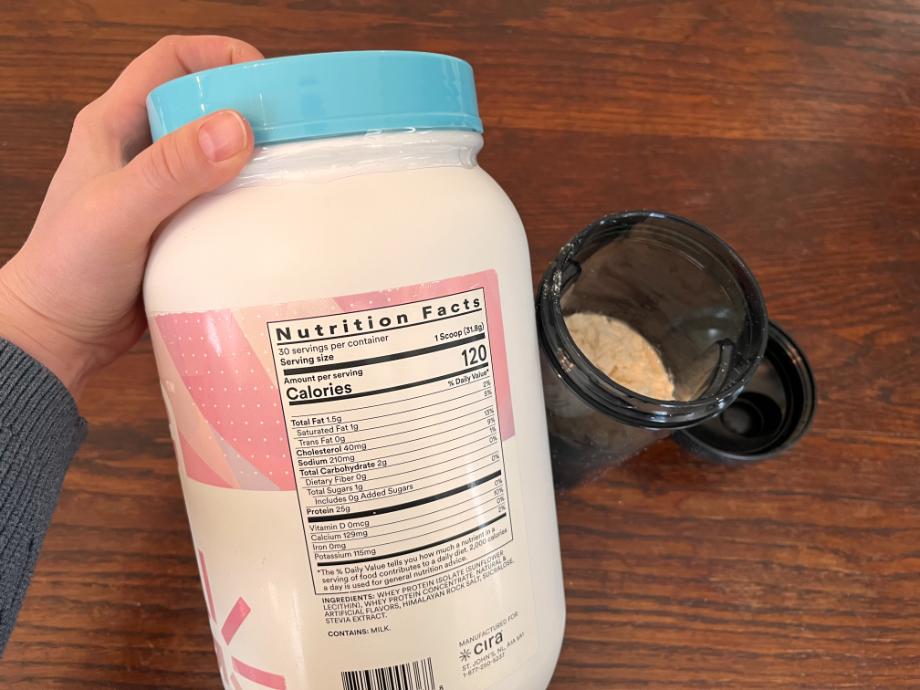
Many whey products hide excessive sugars, artificial sweeteners, or fillers that sabotage your goals. When learning how to use whey protein supplement effectively, always check labels for:
– Protein content per serving (aim for 20-25g)
– Added sugars (keep under 5g)
– Artificial ingredients (avoid if possible)
– Serving size (some brands use smaller scoops)
– Third-party testing seals (NSF, Informed-Choice)
Choose products with minimal ingredients—ideally just whey protein and natural flavoring. If the label reads like a chemistry textbook, keep looking. Quality matters more than price when implementing how to use whey protein supplement for long-term results.
Perfect Your Mixing Technique for Maximum Benefits
Use Cold Liquids and Proper Ratios
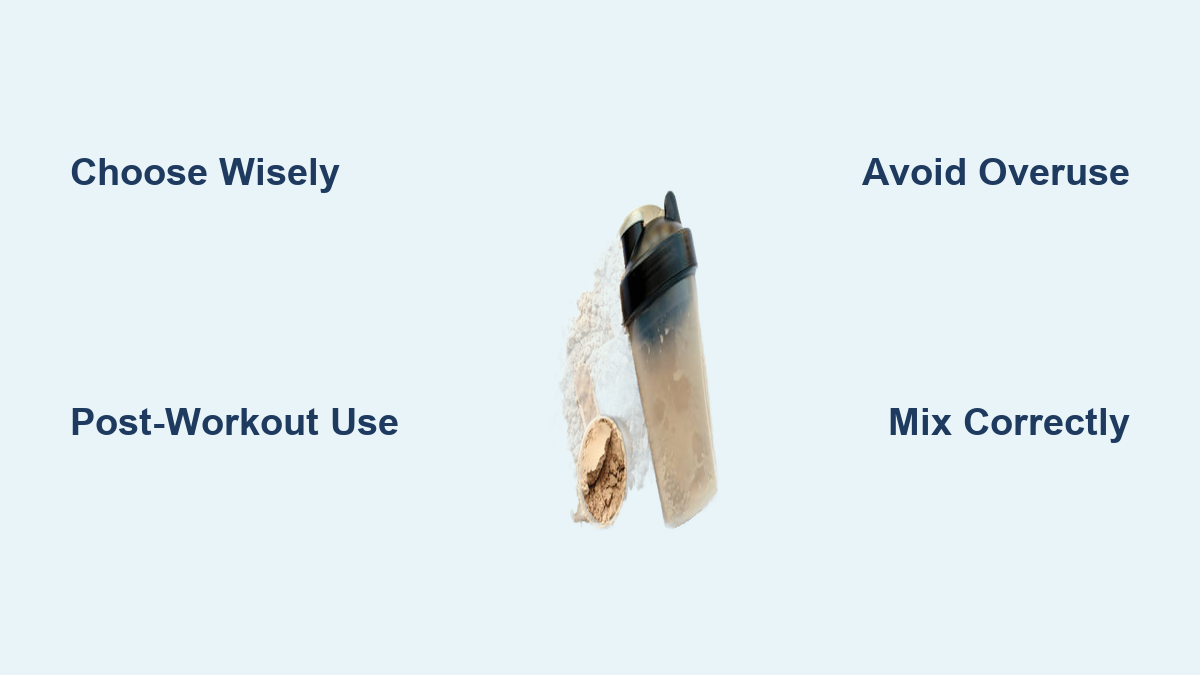
Temperature dramatically affects whey solubility—always use cold water or milk (40-50°F) for smoothest mixing. The optimal liquid-to-powder ratio is 8-10 ounces per scoop; too little liquid causes clumping while too much dilutes protein concentration. Add liquid first, then powder to prevent the “powder volcano” effect when shaking. For best results with how to use whey protein supplement, shake vigorously for 20-30 seconds in a quality shaker bottle with a mixing ball—don’t just swirl gently.
Enhance Absorption with Strategic Add-Ins
Boost your whey shake’s effectiveness by adding ingredients that enhance protein utilization:
– 5g creatine monohydrate for increased muscle saturation
– 1 teaspoon cinnamon to improve insulin sensitivity
– Handful of spinach (adds nutrients without altering taste)
– 1/2 banana for potassium and natural sweetness
Avoid adding high-fat ingredients like nut butters if your goal is rapid absorption—save those for whole food meals instead. This strategic approach to how to use whey protein supplement transforms a basic shake into a targeted recovery solution.
Implementing these precise techniques for how to use whey protein supplement correctly ensures you get maximum value from every serving. Remember that whey works best as part of a complete nutrition strategy—not a standalone solution. Start with one post-workout shake daily using isolate for fastest recovery, then gradually incorporate a second serving based on your specific needs. Track your progress for 4-6 weeks while maintaining consistent training and adequate sleep. You’ll notice improved recovery times, better muscle definition, and sustained energy levels when you apply these evidence-based methods. The real power of whey protein lies not in the supplement itself, but in how strategically you integrate it into your overall health and fitness routine. Stick with these protocols for just one month, and you’ll transform your whey protein from an expensive habit into a results-producing habit.