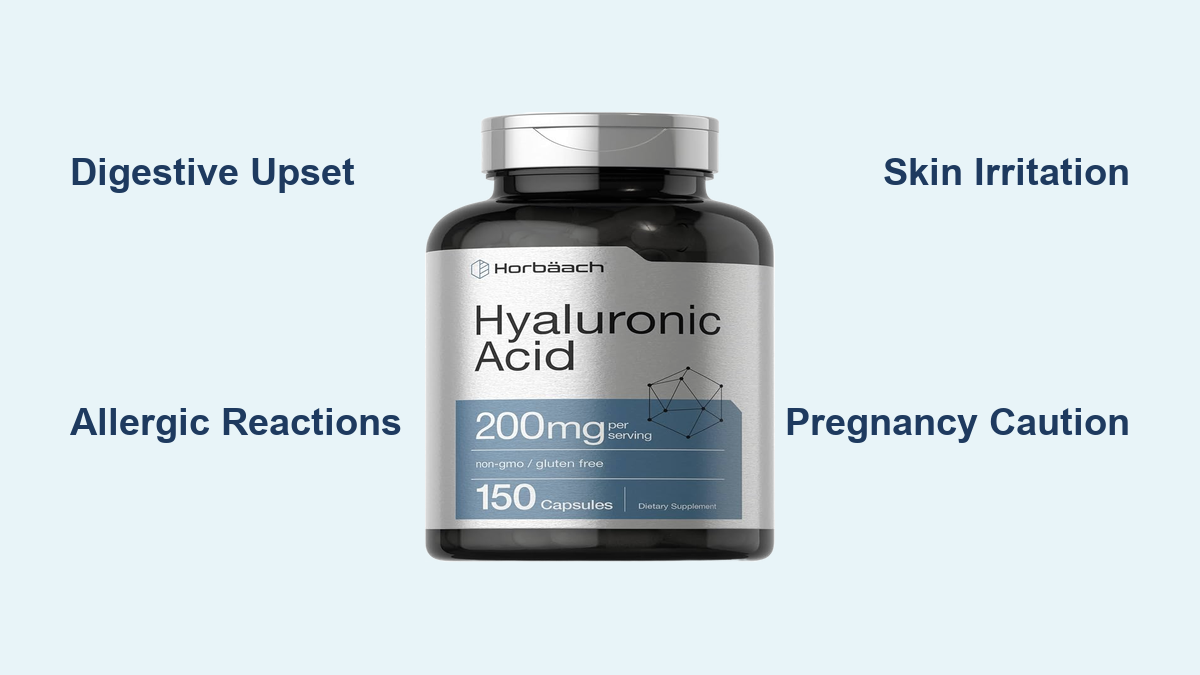

You’ve likely seen hyaluronic acid supplements promising plumper skin, healthier joints, and improved hydration—after all, this naturally occurring molecule is found in your eyes, joints, and connective tissues. As more people turn to these popular supplements for anti-aging benefits and joint support, understanding the potential hyaluronic supplements side effects becomes essential for making informed health decisions. While research generally supports a favorable safety profile for appropriate use, no supplement comes without potential risks that vary significantly from person to person.
Before adding hyaluronic acid to your daily regimen, knowing what to expect can help you distinguish between normal responses and warning signs that require medical attention. This guide examines documented side effects, special population precautions, and practical safety measures to ensure you make the most informed choice about whether hyaluronic acid supplementation is right for you. We’ll explore everything from common mild reactions to rare allergic responses, with specific guidance for those who may need to exercise extra caution.
Common Reactions to Hyaluronic Acid Supplements
Most people tolerate hyaluronic acid supplements well, with clinical trials consistently reporting minimal adverse effects across various populations. Since your body naturally produces this compound, it generally has a mild reaction profile when taken as a supplement. However, individual responses can vary significantly based on dosage, product formulation, personal sensitivity, and overall health status. Understanding these common effects helps set realistic expectations and enables you to recognize when your body is responding typically versus when something requires attention.
Research examining hyaluronic acid use across multiple clinical contexts—from osteoarthritis management to dermatological applications—has consistently demonstrated good tolerability with minimal adverse reactions. This extensive clinical use, including millions of treatments in ophthalmological and orthopedic settings, provides substantial evidence supporting the supplement’s safety when used appropriately.
Digestive System Responses to Oral Supplements
Some individuals report mild gastrointestinal discomfort after starting hyaluronic acid supplements, though this occurs relatively infrequently in clinical studies. These digestive responses may include temporary stomach upset, bloating, or changes in bowel patterns during the initial adjustment period. The likelihood of experiencing digestive issues appears to decrease as your body adapts to the supplement, with many users reporting resolution of symptoms within the first week of consistent use.
Take these steps to minimize digestive discomfort:
– Start with a lower dose than recommended and gradually increase
– Take supplements with food rather than on an empty stomach
– Split your daily dose into smaller amounts taken throughout the day
– Ensure adequate hydration as hyaluronic acid draws moisture into tissues
If digestive symptoms persist beyond two weeks or significantly impact your comfort, discontinue use and consult your healthcare provider.
Skin Reactions with Topical and Injectable Forms
When hyaluronic acid is applied topically or administered through injections, some users experience localized skin reactions that differ from those associated with oral supplementation. Topical formulations including creams, gels, and serums may cause temporary redness, mild itching, or slight irritation at the application site in sensitive individuals. These reactions typically resolve quickly once the product is discontinued or with continued use as your skin builds tolerance.
For those receiving hyaluronic acid injections for joint conditions or dermal fillers, temporary discomfort at injection sites represents the most common reaction. Clinical studies examining injectable hyaluronic acid have reported temporary swelling and mild pain following administration, with most symptoms subsiding within several days. The U.S. Food and Drug Administration has emphasized that proper administration techniques by qualified professionals significantly minimize complications from injectable forms.
Allergic Reactions: Recognizing Serious Hyaluronic Supplements Side Effects

While serious adverse effects from hyaluronic acid supplements remain rare, allergic reactions represent the most significant safety concern that users should understand. The rarity of severe allergic responses is supported by extensive clinical use in medical procedures, where millions of treatments have been administered with favorable safety records. Nevertheless, understanding the signs of an allergic reaction and knowing when to seek immediate medical attention could prove lifesaving in uncommon scenarios.
Identifying Allergic Reaction Symptoms
Signs of an allergic reaction to hyaluronic acid may include:
– Hives or rash development
– Swelling around the face, lips, tongue, or throat
– Difficulty breathing or shortness of breath
– Severe itching beyond mild application-site sensation
– Dizziness or lightheadedness
These symptoms typically appear within minutes to hours of taking the supplement or applying the product. Any combination of these symptoms warrants immediate medical evaluation, as severe allergic reactions can progress rapidly without treatment. Less severe but still noteworthy reactions include persistent headache, nausea, or flu-like symptoms that develop shortly after starting supplementation.
Higher-Risk Groups for Adverse Reactions
Certain individuals carry elevated risk for adverse reactions to hyaluronic acid supplements and should approach supplementation with heightened caution:
People with these conditions should consult their healthcare provider before trying hyaluronic acid:
– Documented allergies to hyaluronic acid or related compounds
– Multiple chemical sensitivities
– Histories of reactions to supplements generally
– Those receiving treatment for complex medical conditions
– Individuals participating in clinical trials or using investigational products
The lack of comprehensive interaction data means that individual assessment by a healthcare provider familiar with your medical history represents the safest approach.
Population-Specific Hyaluronic Acid Precautions
Certain groups face unique considerations when evaluating hyaluronic acid supplementation due to limited research data or documented risks specific to their circumstances.
Pregnancy and Breast-Feeding Safety Concerns
The safety of hyaluronic acid supplementation during pregnancy remains inadequately studied. Due to the lack of comprehensive clinical data establishing safety profiles for pregnant individuals, medical professionals generally recommend avoiding hyaluronic acid supplementation throughout pregnancy. This precautionary approach extends to both oral supplements and topical formulations, as the potential effects on fetal development and pregnancy outcomes remain unknown.
Similarly, the safety of hyaluronic acid during breast-feeding lacks adequate scientific investigation. Researchers have not established whether hyaluronic acid is excreted in breast milk or what effects, if any, this might have on an infant. Nursing individuals should avoid hyaluronic acid supplementation unless specifically directed otherwise by a qualified healthcare provider who can carefully weigh potential benefits against the unknown risks.
Radiation Therapy and Autoimmune Condition Warnings
Individuals currently receiving radiation therapy should exercise particular caution regarding topical hyaluronic acid application. Research indicates that applying hyaluronic acid to the skin during radiation therapy may increase the risk of certain skin complications. Patients undergoing radiation therapy should consult with their oncology team before using any hyaluronic acid-containing products.
People diagnosed with scleroderma, a condition characterized by hardening of the skin and connective tissue, should avoid applying hyaluronic acid topically. Clinical observations indicate that hyaluronic acid application may worsen skin ulcers in individuals with scleroderma. Other autoimmune conditions warrant careful consideration and healthcare provider consultation before starting hyaluronic acid supplements.
Maximizing Safety with Hyaluronic Acid Supplements
Following appropriate usage guidelines significantly reduces the likelihood of experiencing adverse effects from hyaluronic acid supplementation. Starting with lower doses to assess individual tolerance represents a prudent approach for anyone new to hyaluronic acid supplementation. Understanding that individual responses vary helps set appropriate expectations when beginning supplementation.
When selecting hyaluronic acid products, look for these quality indicators:
– Third-party testing and certification
– Transparent manufacturing practices
– Clear ingredient lists with dosing information
– Products manufactured following Good Manufacturing Practices
– Reputable companies with established quality control procedures
Taking supplements with food may help reduce digestive discomfort for those prone to stomach sensitivity. Some users find that splitting the daily dose into smaller amounts taken throughout the day works better than taking everything at once. Paying close attention to how your body responds during the initial weeks of supplementation helps identify any concerning patterns early.
When to Seek Medical Attention for Supplement Side Effects

Knowing when side effects require professional medical evaluation helps prevent rare but potentially serious complications from going unaddressed. While most adverse reactions to hyaluronic acid supplements remain mild and self-limiting, certain symptoms warrant prompt medical attention to rule out more serious underlying issues or provide appropriate treatment.
Seek emergency medical care immediately if you experience:
– Difficulty breathing or swallowing
– Swelling of the face, lips, or throat
– Widespread hives or rash
– Dizziness or fainting
– Rapid heartbeat
For non-emergency but concerning symptoms, keeping detailed records helps healthcare providers assess whether a relationship exists between your supplementation and your symptoms. Note when symptoms started relative to beginning supplementation, their severity, duration, and any patterns in their occurrence. Photos of skin reactions can also help healthcare providers evaluate dermatological concerns.
Making Informed Hyaluronic Supplement Decisions
The available evidence indicates that hyaluronic acid supplementation demonstrates an overall favorable safety profile when used appropriately, with rare instances of allergic reactions representing the most commonly documented serious adverse effects. Understanding that no supplement is universally appropriate for everyone helps approach hyaluronic acid supplementation with appropriate caution.
Before starting hyaluronic acid supplements, take these safety steps:
– Discuss with your healthcare provider, especially if you have health conditions
– Disclose all medications and supplements you’re currently taking
– Start with a lower dose than recommended to assess tolerance
– Choose high-quality products from reputable manufacturers
– Monitor your body’s response carefully during the first few weeks
Taking responsibility for your health means asking questions, seeking appropriate guidance, and paying attention to how your body responds to any new addition to your routine. By combining quality products, appropriate dosing, healthcare provider guidance, and personal attentiveness, you position yourself to safely explore potential benefits while minimizing risks associated with hyaluronic supplements side effects.