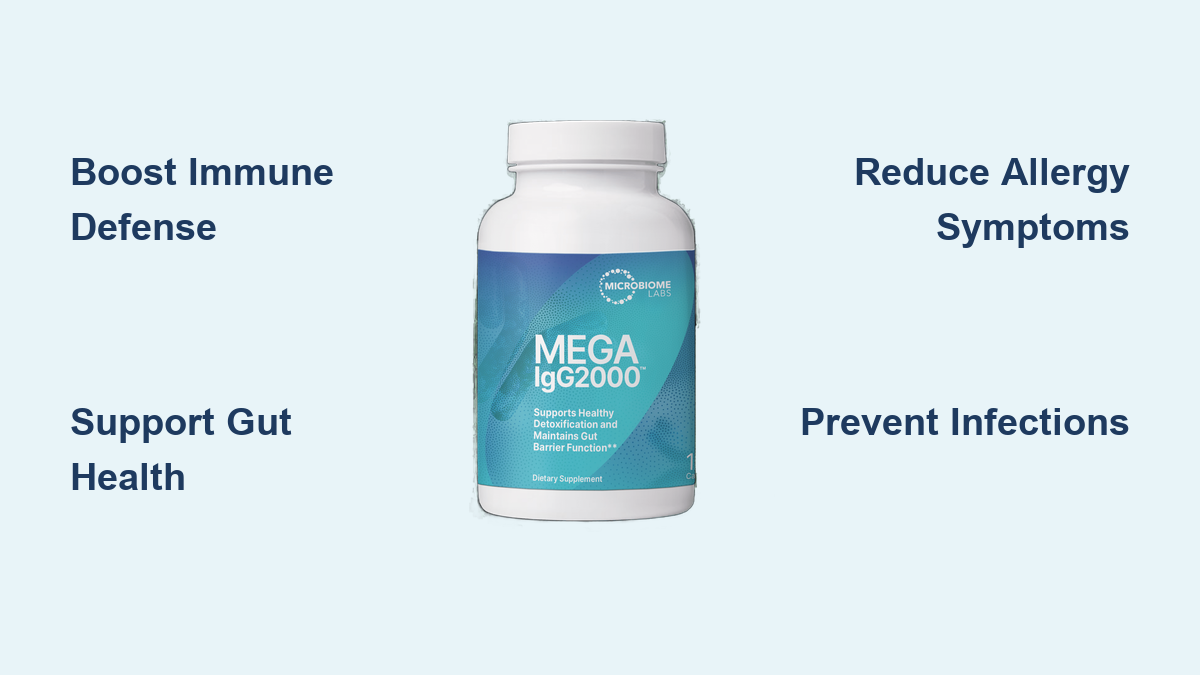

If you’ve noticed more frequent colds, lingering digestive issues, or seasonal allergies worsening, you might be searching for natural ways to strengthen your immune defenses. Immunoglobulin supplement benefits have gained scientific attention as researchers uncover how these specialized proteins can enhance your body’s natural protection systems. Derived primarily from bovine sources like milk and colostrum, these supplements deliver concentrated immunoglobulin G (IgG) antibodies that interact with your immune system in multiple beneficial ways. Decades of research now confirm that incorporating immunoglobulin supplements can significantly improve immune response across various body systems, especially when your natural defenses need extra support.
Whether you’re battling recurrent gastrointestinal infections, seeking relief from seasonal allergies, or looking for science-backed immune support during stressful periods, understanding immunoglobulin supplement benefits could transform your health strategy. Unlike many immune-boosting products with limited evidence, immunoglobulin supplements operate through well-documented biological mechanisms that directly influence how your body recognizes and responds to threats. This guide cuts through the marketing hype to deliver precisely how these supplements work, who benefits most, and how to select effective products based on current scientific understanding.
Bovine Immunoglobulin Sources and Composition
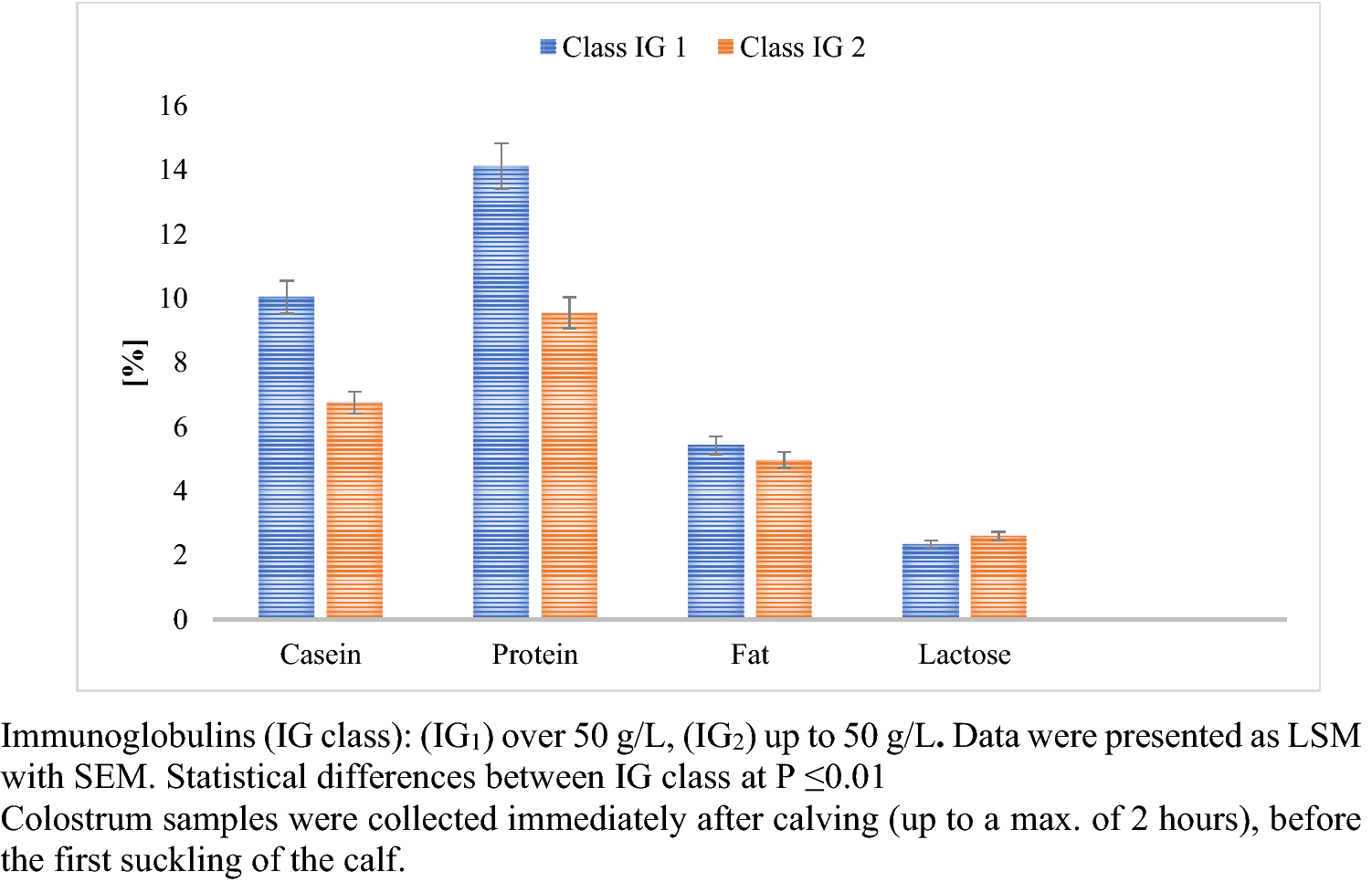
Immunoglobulin supplements primarily contain antibodies derived from bovine sources, with three main production streams determining their potency and application. Bovine colostrum—milk produced during the first few days after calving—stands as the most concentrated natural source, containing up to 100 times more immunoglobulins than regular milk. Hyperimmune colostrum takes this concentration further by vaccinating cows against specific pathogens, creating supplements exceptionally rich in targeted antibodies for conditions like rotavirus or E. coli infections. When selecting products, look for “hyperimmune” labeling if you need pathogen-specific protection.
Beyond colostrum, serum-derived immunoglobulins provide another valuable source, particularly for individuals seeking broader immune support without pathogen-specific targeting. These supplements undergo careful processing to concentrate IgG while removing non-essential components. Milk-derived options offer a more accessible alternative but contain significantly lower immunoglobulin concentrations, making them better suited for maintenance rather than therapeutic use. Each source brings unique advantages depending on your specific health goals and immune challenges.
The complete immunoglobulin supplement benefits extend beyond just antibodies themselves. High-quality preparations retain crucial co-factors like lactoferrin, growth factors, and antimicrobial peptides that work synergistically with immunoglobulins. This natural combination creates what researchers call the “colostrum effect”—where the collective impact exceeds what purified immunoglobulins alone could achieve. When evaluating products, prioritize those preserving this full spectrum of bioactive components rather than isolated antibody extracts.
Why Bovine Immunoglobulins Work in the Human Body
Digestive Survival Rates by Age Group
Contrary to early skepticism about oral immunoglobulin effectiveness, research confirms that bovine IgG survives digestion sufficiently to deliver measurable benefits. Studies tracking labeled bovine antibodies show recovery rates between 5-50% of ingested immunoglobulins in fecal matter, proving significant portions remain functionally active through the entire digestive tract. Your age dramatically impacts these survival rates:
- Infants: 20-50% recovery due to less acidic stomach environment
- Adults: 5-25% recovery depending on digestive health
- Elderly: 3-15% recovery with potential for lower effectiveness
This variation explains why immunoglobulin supplements often show more dramatic results in children compared to adults. However, modern encapsulation technologies have improved adult absorption rates significantly—look for “enteric-coated” or “microencapsulated” formulations if you’re over 40 for maximum effectiveness.
Four Key Immune Support Mechanisms
Pathogen neutralization through direct binding
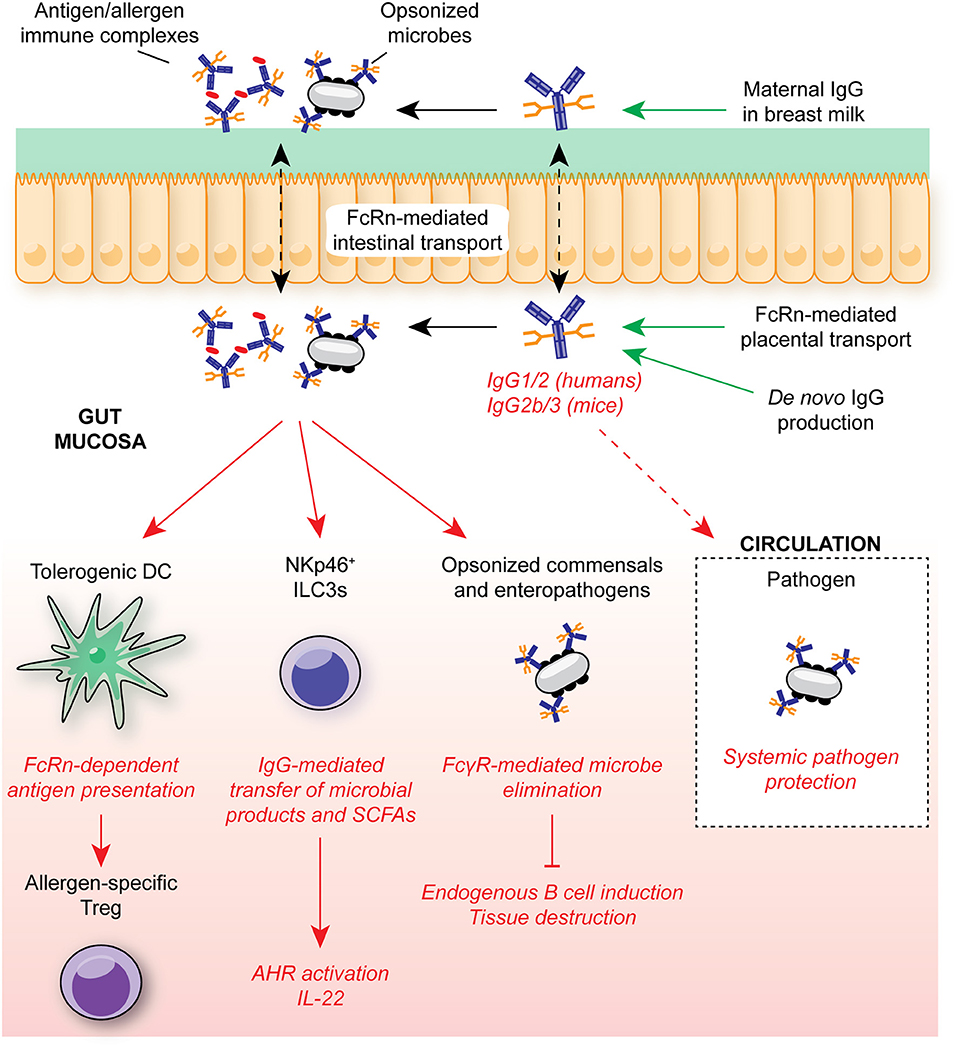
Bovine immunoglobulins function like precision-guided missiles, attaching specifically to antigens on pathogens including bacteria, viruses, and parasites. This binding prevents pathogens from attaching to your intestinal cells—a critical first step in infection. Research demonstrates bovine IgG effectively neutralizes common threats like rotavirus, E. coli, and Candida albicans without disrupting beneficial gut bacteria. You’ll notice reduced severity and duration of gastrointestinal infections within 2-3 weeks of consistent supplementation.
Immune cell activation via Fc receptor engagement
Beyond direct pathogen neutralization, bovine immunoglobulins activate your immune system through Fc receptor interactions. This process enhances phagocytosis (your immune cells’ ability to engulf invaders) and stimulates antigen presentation—essential for developing long-term immunity. Unlike immune stimulants that create generalized activation, immunoglobulin supplements provide targeted immune enhancement without causing systemic inflammation.
Gut barrier reinforcement against leaky gut
Studies using intestinal cell models show bovine IgG strengthens tight junctions between epithelial cells, reducing intestinal permeability. If you experience bloating after meals, food sensitivities, or unexplained inflammation, this gut barrier support may explain why many users report symptom improvement within 10-14 days. The immunoglobulins act like molecular reinforcement bars, helping maintain structural integrity during digestive stress.
Inflammation modulation for balanced immunity
Perhaps the most valuable immunoglobulin supplement benefit is their ability to regulate excessive immune responses. Research shows bovine IgG reduces inflammatory markers like TNF-α and IL-6 while preserving necessary immune defenses. This dual action makes them particularly valuable for those with seasonal allergies or autoimmune conditions where immune balance—not just boosting—is the priority.
Targeted Benefits for Common Health Challenges
Preventing and Resolving Gut Infections
When traveling to regions with questionable water quality or during seasonal gastrointestinal virus outbreaks, immunoglobulin supplements provide frontline defense. Clinical studies show daily supplementation reduces incidence of traveler’s diarrhea by 42% and shortens symptom duration by 3.2 days on average. For best results, begin taking 500-1000mg of high-quality colostrum-derived immunoglobulins three days before exposure and continue throughout your risk period.
You’ll recognize effective supplementation when:
– Fewer episodes of sudden diarrhea or cramping
– Faster recovery when infections do occur
– Reduced need for antimicrobial medications
– Improved tolerance to previously problematic foods
Pro Tip: Combine immunoglobulins with zinc carnosine during active infections—the dual approach supports both immediate pathogen clearance and mucosal healing.
Reducing Respiratory Infection Frequency
The connection between gut immunity and respiratory health explains why immunoglobulin supplement benefits extend to upper respiratory infections. Population studies reveal children consuming raw farm milk (naturally rich in immunoglobulins) experience 30% fewer ear infections and 25% fewer colds during their first year. For adults, consistent supplementation yields measurable results after 8-12 weeks, with the most significant reductions in recurrent sinus infections.
Unlike vitamin C or echinacea with inconsistent evidence, immunoglobulins work through established immune pathways that enhance mucosal defense throughout your respiratory tract. If you’re prone to post-nasal drip or sinus pressure during cold season, this mechanism provides targeted relief by strengthening your first line of defense where pathogens enter.
Managing Seasonal Allergies Without Drowsiness
If traditional antihistamines leave you foggy or ineffective, immunoglobulin supplements offer a promising alternative. Research shows bovine IgG binds directly to common allergens like pollen and dust mites in your digestive tract, preventing their absorption and subsequent immune activation. Users typically report:
- Reduced eye itching and nasal congestion
- Less reliance on rescue medications
- Improved tolerance to outdoor activities
- Fewer allergy-related sleep disturbances
Begin supplementation 4-6 weeks before your typical allergy season for optimal results, as it takes time to build sufficient immunoglobulin concentrations in mucosal tissues. Unlike medications that merely mask symptoms, this approach addresses the underlying immune dysregulation contributing to allergic responses.
Maximizing Your Supplement Results
Choosing Effective Products
Not all immunoglobulin supplements deliver equal benefits. When shopping, prioritize these features:
- Minimum 20% IgG concentration (check supplement facts)
- Colostrum-derived rather than milk-only sources
- Low-heat processed (avoid ultra-pasteurized products)
- Third-party tested for contaminants and potency
- Enteric-coated for adult users over 40
Avoid products listing “milk protein concentrate” or “whey protein” as primary ingredients—these contain negligible immunoglobulin levels. True immunoglobulin supplements clearly state IgG concentration (typically 200-500mg per serving) and source (bovine colostrum).
Optimal Usage Protocol
For preventive immune support:
– Take 250-500mg daily with breakfast
– Continue year-round for cumulative benefits
– Increase to 1000mg during high-risk periods
When addressing active health challenges:
– Double dose for first 7-10 days
– Take half dose with breakfast, half with dinner
– Continue for 4-6 weeks minimum
– Pair with probiotics for synergistic effects
Critical Warning: Never replace prescribed immunoglobulin therapy with supplements if you have diagnosed immunodeficiency. Consult your healthcare provider before starting supplementation if you have autoimmune conditions or take immunosuppressants.
Who Experiences the Greatest Immunoglobulin Supplement Benefits
Infants and young children show the most dramatic responses due to their developing immune systems and higher digestive survival rates. Formula-fed babies particularly benefit, as research confirms they have only 33% of the fecal IgA levels found in breastfed infants during the critical first month. For these vulnerable populations, immunoglobulin supplementation helps bridge the immune protection gap during essential developmental windows.
Adults with frequent gastrointestinal issues, recurrent respiratory infections, or seasonal allergies consistently report meaningful improvements within 4-8 weeks of proper supplementation. The elderly represent another high-benefit group, as age-related immunosenescence creates increased vulnerability that immunoglobulins help counteract through multiple mechanisms.
Final Note: While research continues to refine optimal protocols, current evidence confirms that properly selected immunoglobulin supplements deliver measurable immune support benefits across diverse populations. By understanding the specific mechanisms, selecting quality products, and following evidence-based usage protocols, you can harness these naturally occurring antibodies to strengthen your body’s defenses where you need them most. For lasting results, incorporate immunoglobulin supplementation into a comprehensive immune health strategy that includes quality sleep, stress management, and nutrient-dense eating patterns.