
You’ve likely seen probiotic supplements lining store shelves or recommended by friends, but have you ever wondered what’s actually inside those capsules? The ingredients in probiotics supplements represent a fascinating world of microscopic organisms working to support your health. While many consumers take these supplements regularly, few understand exactly what live microorganisms they’re consuming or how these tiny inhabitants might benefit their digestive and immune systems.
Probiotics are defined as “live microorganisms that, when administered in adequate amounts, confer a health benefit on the host.” This precise definition matters because not all products marketed as probiotics deliver what they promise. Understanding the specific ingredients in probiotics supplements—beyond just the general “probiotic” label—is crucial for making informed choices that align with your health goals. In this guide, you’ll discover exactly what comprises these supplements, how to identify quality products, and why strain specificity matters more than you might think.
Bacterial Powerhouses Found in Probiotic Formulations
The bacterial ingredients in probiotics supplements form the backbone of most products on the market today, but not all bacterial strains offer the same benefits. Knowing which genera actually deliver science-backed results can transform how you select supplements.
Bifidobacterium Species Explained
Bifidobacterium represents one of the most extensively researched bacterial genera in probiotic supplements. These naturally occurring gut residents thrive particularly well in infants and breastfed individuals, suggesting evolutionary importance for early gut development. When you take supplements containing Bifidobacterium, these bacteria work by fermenting carbohydrates you can’t digest, producing beneficial short-chain fatty acids that nourish your colon cells.
You’ll commonly find specific Bifidobacterium strains like Bifidobacterium animalis subspecies lactis DN-173 010 (marketed as “Bifidus regularis”) and Bifidobacterium longum subspecies longum strain 35624 (known as “Bifantis”). These particular strains have accumulated substantial clinical evidence supporting their digestive health benefits. The rod-shaped structure of Bifidobacterium allows them to efficiently metabolize dietary fibers and prebiotics that pass through your upper digestive tract undigested.
Lactobacillus and Modern Taxonomic Classifications
If you’ve purchased probiotics in recent years, you might have noticed confusing label changes—this stems from a major 2020 taxonomic revision. The Lactobacillus genus underwent significant restructuring, with many species reclassified into new genera like Lacticaseibacillus and Lactiplantibacillus. For example, Lactobacillus rhamnosus became Lacticaseibacillus rhamnosus, while Lactobacillus plantarum transformed into Lactiplantibacillus plantarum.
Despite these scientific changes, the bacteria themselves remain the same organisms with identical properties. These lactic acid-producing bacteria occur naturally in fermented foods and your gut environment. When you consume them through supplements, they contribute to gut health through multiple mechanisms including acid production that creates an environment favorable for beneficial microbes while inhibiting pathogens.
Bacillus Spore-Forming Bacteria Advantages
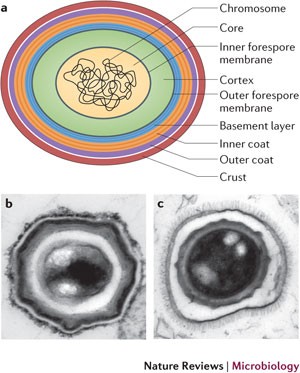
Bacillus species offer unique advantages in probiotic supplements due to their remarkable ability to form protective endospores. These microscopic armor-like structures allow Bacillus coagulans and Bacillus subtilis to survive extreme conditions that would destroy other probiotic strains—including stomach acid, manufacturing processes, and room-temperature storage.
This natural resilience means Bacillus-based supplements often don’t require refrigeration, making them convenient for travel or daily use. Once these spores reach your intestines, they germinate into active bacterial cells that may exert health benefits similar to non-spore-forming probiotics. However, researchers emphasize that spore-forming probiotics shouldn’t be considered direct substitutes for conventional strains in all applications due to different mechanisms of action.
Yeast-Based Probiotic Ingredients You Should Know
While bacteria dominate the probiotic market, yeast-based options provide valuable alternatives with distinct advantages, especially for specific health scenarios where bacterial probiotics might not be ideal.
Saccharomyces boulardii: The Antibiotic-Resistant Yeast
Saccharomyces boulardii (sometimes classified as Saccharomyces cerevisiae var. boulardii) stands as the most clinically studied yeast in probiotic supplements. Unlike bacterial probiotics, this eukaryotic organism possesses natural resistance to antibacterial antibiotics, making it the only probiotic you can safely take alongside antibiotic therapy without concern for inactivation.
Clinical research has demonstrated Saccharomyces boulardii’s effectiveness in preventing and treating various forms of diarrhea, including the dangerous Clostridium difficile infection that can follow antibiotic treatment. If you’re currently taking antibiotics or have frequent digestive disruptions, yeast-based probiotics may offer benefits bacterial options cannot match due to their unique mechanisms of action involving bioactive compound production and specialized immunomodulatory activities.
Decoding Probiotic Strain Labels Like a Professional

Understanding how probiotic ingredients are identified helps you move beyond marketing hype to evaluate products based on scientific evidence—critical knowledge for making informed supplement choices.
The Four-Level Identification System
Probiotic ingredients follow a precise four-level identification system that provides increasingly specific information:
- Genus: Broad grouping of related species (e.g., Bifidobacterium)
- Species: More specific classification within the genus (e.g., animalis)
- Subspecies: Further differentiation when notable variations exist (e.g., lactis)
- Strain: Unique alphanumeric code identifying the specific isolate (e.g., DN-173 010)
This hierarchical system matters immensely because probiotic effects are highly strain-specific. A health benefit demonstrated for one strain cannot be assumed to apply to other strains—even within the same species. When you see “Bifidobacterium animalis lactis” on a label, that’s just the starting point; the specific strain designation tells you whether this product has research backing its claimed benefits.
Commercial Naming Tricks to Watch For
Manufacturers often use strain nicknames alongside scientific nomenclature, creating potential confusion. The LGG strain of Lacticaseibacillus rhamnosus is one of the most extensively studied probiotic isolates, yet you’ll often see it marketed simply as “L. rhamnosus.” Similarly, Bifidobacterium animalis subspecies lactis DN-173 010 has been branded as “Bifidus regularis” in certain products.
Always look for complete strain identification—not just marketing names—when evaluating probiotics. Products that list only genus and species without strain designation lack the specificity needed to verify research claims. The most trustworthy supplements clearly identify all four taxonomic levels, allowing you to match products with actual scientific evidence rather than vague promises.
How Probiotic Ingredients Actually Work in Your Body
Understanding the mechanisms behind probiotic ingredients helps explain why strain selection matters so much for achieving your specific health goals.
Universal Benefits Across Multiple Strains
Several mechanisms operate across many different probiotic strains, contributing to general gut health whether you’re taking Bifidobacterium, Lactobacillus, or other species:
- Colonization resistance: Beneficial bacteria compete with pathogens for nutrients and adhesion sites
- Short-chain fatty acid production: Fermentation byproducts nourish colon cells
- pH modulation: Organic acid production creates an environment favoring beneficial microbes
- Microbiota normalization: Helps restore balance after disruptions like antibiotics
These nonspecific effects establish a healthy intestinal environment that supports overall wellness regardless of which specific strains you consume. When you take probiotics regularly, these collective mechanisms help maintain your gut ecosystem in optimal condition.
Strain-Specific Superpowers You Should Target
Beyond universal benefits, certain mechanisms operate at the strain level, explaining why two products with the same species might deliver dramatically different results:
- Unique cytokine production patterns that differentially modulate immune responses
- Specialized neurotransmitter influences supporting gut-brain axis communication
- Distinct bile salt metabolism capabilities affecting cholesterol processing
- Specific toxin neutralization abilities targeting particular harmful compounds
To maximize benefits, match your probiotic selection to your specific health goals rather than choosing generic products. If you need immune support, look for strains with documented immunomodulatory effects. For digestive comfort, seek strains clinically studied for that specific outcome.
Spotting the Difference: Probiotics vs. Related Ingredients
The supplement market includes several categories often confused with live probiotics, yet each serves fundamentally different functions in gut health support.
Prebiotics: The Probiotic Fuel You’re Missing
Prebiotics like inulin and fructo-oligosaccharides are frequently included in probiotic supplements but function through entirely different mechanisms. These complex carbohydrates pass through your upper digestive tract undigested, serving as metabolic fuel for beneficial bacteria already residing in your colon—including any probiotic strains you’ve consumed.
Synbiotic products combine probiotics with prebiotics to enhance survival and activity of the live microorganisms. However, remember that prebiotics alone don’t provide live cultures and therefore cannot be classified as probiotic ingredients despite their complementary role in gut health.
Postbiotics: The Non-Living Alternative
Postbiotics represent preparations containing dead, fragmented microorganisms or their metabolites that still confer health benefits. Unlike probiotic ingredients, postbiotics contain no live organisms, eliminating viability concerns and making them suitable for immunocompromised individuals who may need to avoid live cultures.
While postbiotics offer advantages in specific scenarios, they function through different mechanisms than live probiotics. Understanding this distinction helps you select the most appropriate product for your individual health circumstances and goals.
Selecting Quality Probiotic Supplements That Actually Work
Evaluating probiotic supplements requires attention to several critical factors that determine whether the ingredients in probiotics supplements will deliver promised benefits.
Strain-Specific Evidence Matters Most
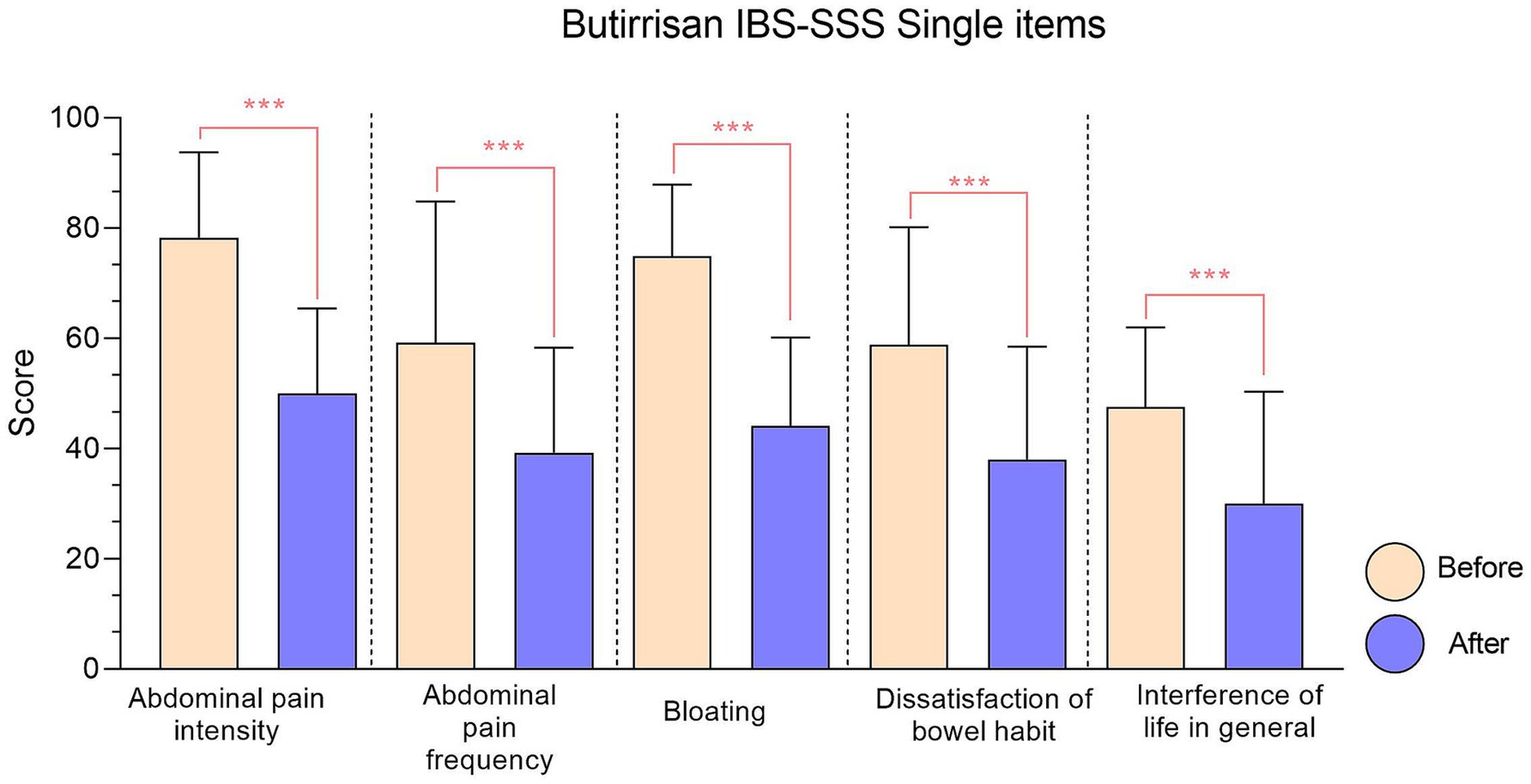
When selecting probiotics, prioritize specific strain identification over generic probiotic claims. Different strains have been studied for different indications, and evidence supporting their efficacy varies considerably. Look for products that clearly identify all taxonomic levels and provide information about clinical evidence supporting their use for specific health conditions.
Be wary of products making broad health claims without specifying which strains provide those benefits and what evidence supports those claims. The scientific consensus is clear: probiotic effects are strain-specific, and different strains are not interchangeable for the same health outcome.
Viability and Potency: The Make-or-Break Factors
The viability of probiotic ingredients at consumption time determines potential effectiveness. These living organisms can be compromised by manufacturing processes, storage conditions, and time. Quality products maintain adequate viability through the expiration date, and you should follow storage instructions carefully—including any refrigeration requirements.
The concept of “adequate amounts” requires products to deliver sufficient viable organisms to confer benefits. Recommended minimum colony-forming unit levels vary by strain, so evaluate products based on strain-specific potency rather than generic probiotic content claims. Labels should accurately reflect viable organism content at manufacture and expected viability throughout shelf life.
Your Action Plan for Smarter Probiotic Selection
The ingredients in probiotics supplements encompass diverse bacterial and yeast species, each with distinct characteristics and potential benefits. By understanding the specific strains included in products—not just general probiotic claims—you can make informed choices that align with your health goals.
Remember these key takeaways:
– Probiotic effects are highly strain-specific—don’t assume benefits transfer across strains
– Complete taxonomic identification (genus, species, subspecies, strain) is essential
– Viability at consumption time determines potential effectiveness
– Match strain selection to your specific health goals for best results
Armed with this knowledge, you can move beyond marketing hype to select probiotic supplements with ingredients scientifically supported for your particular needs—turning probiotic supplementation from a guessing game into a targeted strategy for better gut health.