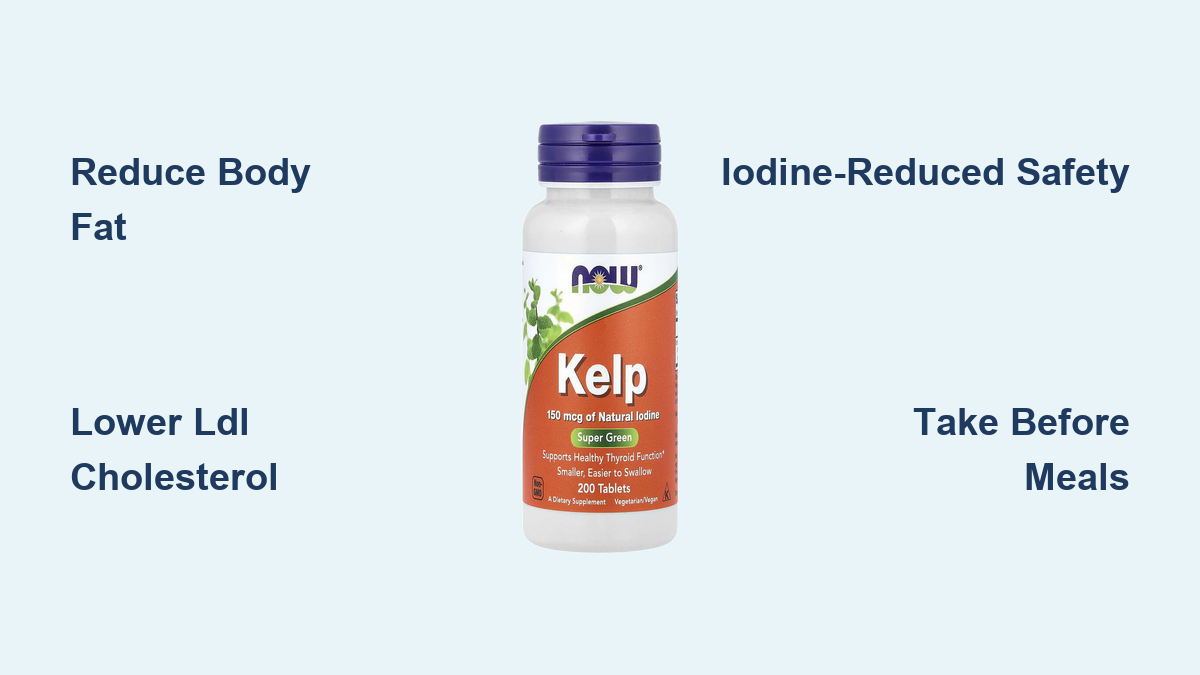

You’ve likely seen kelp supplements lining health store shelves, but what makes these brown seaweed capsules stand out from other dietary supplements? Kelp dietary supplement benefits extend far beyond basic nutrition, offering scientifically validated advantages for body composition management and cardiovascular health. Unlike terrestrial plants, kelp (Laminaria japonica) delivers a unique combination of soluble and insoluble fibers alongside bioactive compounds like fucoxanthin and fucoidan that work synergistically to support multiple physiological systems. Clinical research now confirms what Asian cultures have known for centuries: this marine superfood provides measurable health improvements when properly processed and dosed.
The nutritional profile of kelp creates a compelling case for supplementation. Raw kelp contains approximately 2,353 micrograms of iodine per gram—making it one of nature’s richest sources—but quality supplements undergo iodine reduction processing to deliver beneficial compounds safely. This processing preserves kelp’s exceptional alginate content while reducing potential thyroid risks. Understanding the specific kelp dietary supplement benefits backed by clinical evidence can help you determine if this marine resource aligns with your health goals and how to use it effectively.
Why Kelp Dietary Supplement Benefits Target Body Fat Reduction
Clinical Proof: Kelp’s Fat-Burning Mechanism
A rigorous Japanese study provides the strongest evidence for kelp dietary supplement benefits related to body composition. Researchers gave 50 overweight adults (BMI 25-30) either iodine-reduced kelp powder or placebo for eight weeks. Male participants taking 6 grams of kelp daily (3 grams of alginate) showed statistically significant reductions in body fat percentage compared to the placebo group. This effect occurred without changes in calorie intake, proving kelp works through direct physiological mechanisms rather than appetite suppression.
The study revealed why men responded more dramatically than women: men typically accumulate more visceral fat (the dangerous abdominal fat linked to metabolic disease), while women store more subcutaneous fat. Since Japanese men also show higher rates of metabolic syndrome (25% vs. 14.3% in women), they had more room for improvement. If you’re a man struggling with belly fat, kelp supplementation may offer targeted benefits that other supplements miss.
How to Activate Kelp’s Fat-Blocking Properties
Kelp’s anti-obesity effects operate through two primary mechanisms you can leverage:
- Alginate forms a gel-like barrier in your intestines that physically traps dietary fats and carbohydrates, reducing their absorption by up to 75% in laboratory studies
- Prolonged gastric emptying enhances satiety signals without reducing your actual calorie intake
For maximum impact, take kelp supplements 30 minutes before meals with a full glass of water. This timing ensures the alginate forms its protective barrier before food enters your digestive tract. Most clinical benefits appear after 6-8 weeks of consistent use at the recommended 6-gram daily dose of iodine-reduced powder.
How Kelp Lowers LDL Cholesterol in Healthy Individuals
The Surprising Cholesterol Connection
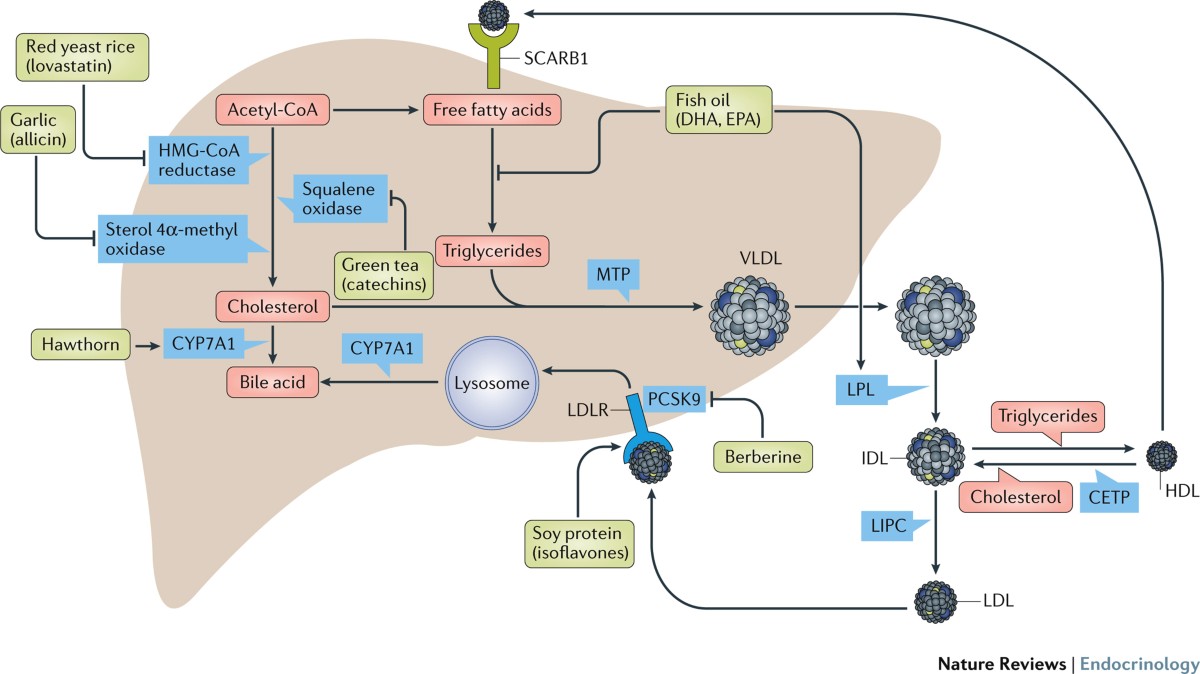
Contrary to what you might expect, kelp dietary supplement benefits for cholesterol work best if your levels are already normal. In the same Japanese trial, participants with baseline LDL cholesterol below 3.879 mmol/L experienced significant LDL reductions (0.17 mmol/L) while placebo users saw levels increase. Total cholesterol followed a similar pattern but narrowly missed statistical significance.
This finding reveals a crucial insight: kelp functions as a preventive supplement rather than a therapeutic intervention for existing hyperlipidemia. If you’re proactively managing heart health with normal cholesterol levels, kelp provides measurable protection against future increases. Those with diagnosed high cholesterol should continue prescribed treatments while considering kelp as complementary support.
Why Kelp Beats Standard Fiber Supplements
Kelp’s alginate outperforms many terrestrial fibers due to its superior viscosity and bile acid binding capacity. While oat fiber and psyllium work primarily in the upper digestive tract, kelp’s compounds remain active throughout your entire intestinal system. This extended action creates more comprehensive cholesterol modulation through:
- Enhanced fecal excretion of bile acids
- Reduced intestinal reabsorption of cholesterol
- Activation of liver cholesterol conversion pathways
For best results, combine kelp with other fiber sources like fruits, vegetables, and whole grains. This multi-fiber approach creates complementary effects that single-source supplements can’t match.
Safe Iodine Levels: Preventing Thyroid Issues with Processed Kelp
The Critical Processing Step You Must Verify
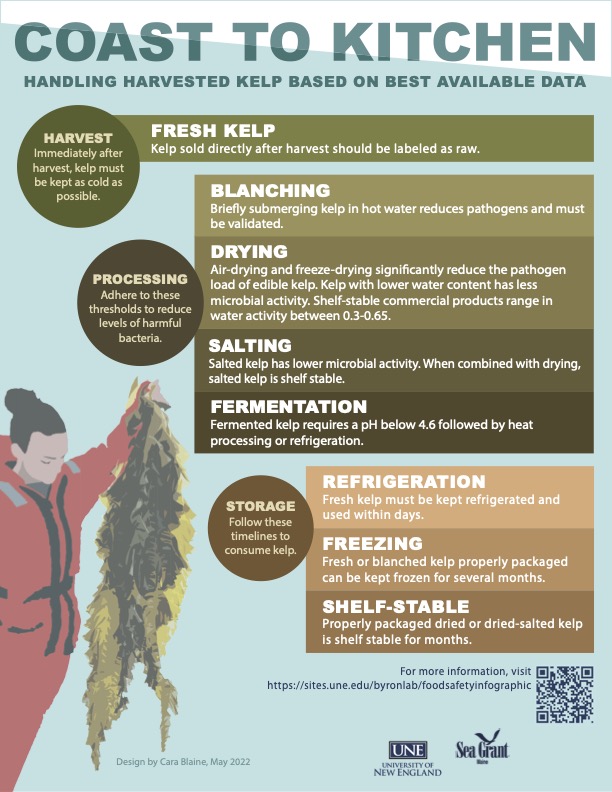
The most dangerous kelp supplement mistake involves ignoring iodine content. Raw kelp contains enough iodine to disrupt thyroid function, but quality supplements undergo 60-minute boiling processes that remove 80% of iodine while preserving beneficial compounds. The clinical trial used this method, delivering just 1.03 mg additional iodine daily—well below the 3 mg safety threshold.
When selecting supplements, always check for “iodine-reduced” labeling and verify third-party testing results. Products without this processing carry significant thyroid risks, especially for those with autoimmune thyroid conditions. If you experience unexplained fatigue, weight changes, or temperature sensitivity after starting kelp, get thyroid function tests immediately.
Population-Specific Safety Guidelines
Your ideal kelp dosage depends on your cultural dietary background:
- Regular seaweed consumers (Asian populations): Can safely take full 6g daily doses
- Occasional consumers (Western populations with some sushi exposure): Start with 2-3g daily
- Iodine-naive individuals (no regular seaweed consumption): Begin with 1g daily and monitor thyroid function
If you’re new to kelp supplementation, follow this 2-week ramp-up protocol:
1. Week 1: 1 gram daily with breakfast
2. Week 2: 3 grams daily (1g with each meal)
3. Week 3+: 6 grams daily if no adverse effects
Essential Minerals in Kelp That Support Bone and Metabolic Health
Beyond Iodine: The Complete Mineral Package
While iodine gets most attention, kelp dietary supplement benefits extend to multiple essential minerals. Each 6-gram daily dose provides approximately:
- 10mg calcium – supporting bone density
- Significant magnesium – crucial for 300+ enzymatic reactions
- Trace zinc and selenium – boosting immune function and antioxidant defenses
Unlike isolated mineral supplements, kelp delivers these nutrients in naturally balanced ratios that enhance bioavailability. The organic compounds in kelp also improve mineral absorption compared to synthetic alternatives.
Synergistic Effects for Metabolic Health
Kelp’s mineral profile works with its bioactive compounds to support metabolic function through:
- Fucoxanthin activating fat-burning pathways in white adipose tissue
- Fucoidan reducing inflammation markers linked to insulin resistance
- Laminarin supporting healthy gut microbiome composition
These combined actions explain why epidemiological studies show lower metabolic syndrome rates in populations with regular seaweed consumption.
Avoid These 4 Kelp Supplement Mistakes
Critical Errors That Neutralize Benefits
Even with quality supplements, common mistakes undermine kelp dietary supplement benefits:
- Taking on an empty stomach – Causes gastrointestinal discomfort; always take with food
- Ignoring medication interactions – Consult your doctor if taking blood thinners or thyroid medication
- Using unprocessed kelp – Risks thyroid dysfunction; verify iodine reduction processing
- Expecting immediate results – Benefits require 6-8 weeks of consistent use
Pro Tip: Discontinue kelp supplements 2-3 weeks before surgery due to potential blood clotting effects.
Your 3-Step Protocol to Maximize Kelp Supplement Benefits
Timing Strategy for Enhanced Absorption
- Take 500mg capsules with each meal (breakfast, lunch, dinner) for consistent alginate coverage
- Pair with healthy fats (avocado, olive oil, nuts) to boost fucoxanthin absorption
- Drink 8+ ounces of water with each dose to activate fiber’s full viscosity
This approach ensures kelp’s compounds interact with all your daily meals while optimizing bioactive compound uptake. Most users notice digestive improvements within 1-2 weeks, with body composition changes becoming measurable after 6 weeks.
Key Takeaways for Safe, Effective Kelp Supplementation
Kelp dietary supplement benefits deliver measurable improvements for body composition and cardiovascular health when properly processed and dosed. Scientific evidence confirms kelp’s ability to reduce body fat percentage in men and lower LDL cholesterol in individuals with normal baseline levels. The key to safe, effective use lies in selecting iodine-reduced products that preserve beneficial compounds while minimizing thyroid risks.
For optimal results, start with lower doses (1-2g daily) and gradually increase to 6g over two weeks. Take supplements with meals and adequate water, and monitor your body’s response. While kelp offers impressive benefits, it works best as part of a comprehensive health strategy that includes balanced nutrition and regular physical activity.
Before adding kelp to your regimen, consult your healthcare provider if you have thyroid conditions, take blood thinners, or are scheduled for surgery. With proper use, kelp supplements can become a valuable component of your long-term health maintenance strategy, delivering benefits backed by centuries of traditional use and modern scientific validation.