
When your cough won’t quit and mucus won’t clear, many natural health seekers turn to mullein supplement benefits for respiratory relief. This unassuming flowering plant (Verbascum densiflorum) has been a cornerstone of traditional medicine across Pakistan, Turkey, and other cultural healing systems for centuries. Modern research is now catching up to what herbalists have known for generations: mullein’s complex blend of saponins, hydroxycinnamic acids, and polyphenolic compounds offers genuine therapeutic potential. While scientific validation continues to evolve, preliminary studies confirm mullein’s role in soothing irritated airways, reducing mucus production, and supporting overall lung function—making it a valuable addition to your respiratory wellness toolkit when used correctly.
Unlike many trendy supplements with exaggerated claims, mullein delivers measurable benefits rooted in both traditional wisdom and emerging science. The plant’s aerial parts—particularly the fuzzy leaves and bright yellow flowers—contain bioactive compounds that work synergistically to address multiple aspects of respiratory discomfort. Whether you’re battling seasonal allergies, recovering from a stubborn cold, or seeking daily lung support as a smoker, understanding the specific mullein supplement benefits can help you make informed decisions about incorporating this time-tested botanical into your wellness routine.
How Mullein Extract Soothes Bronchial Tissue and Reduces Mucus Production

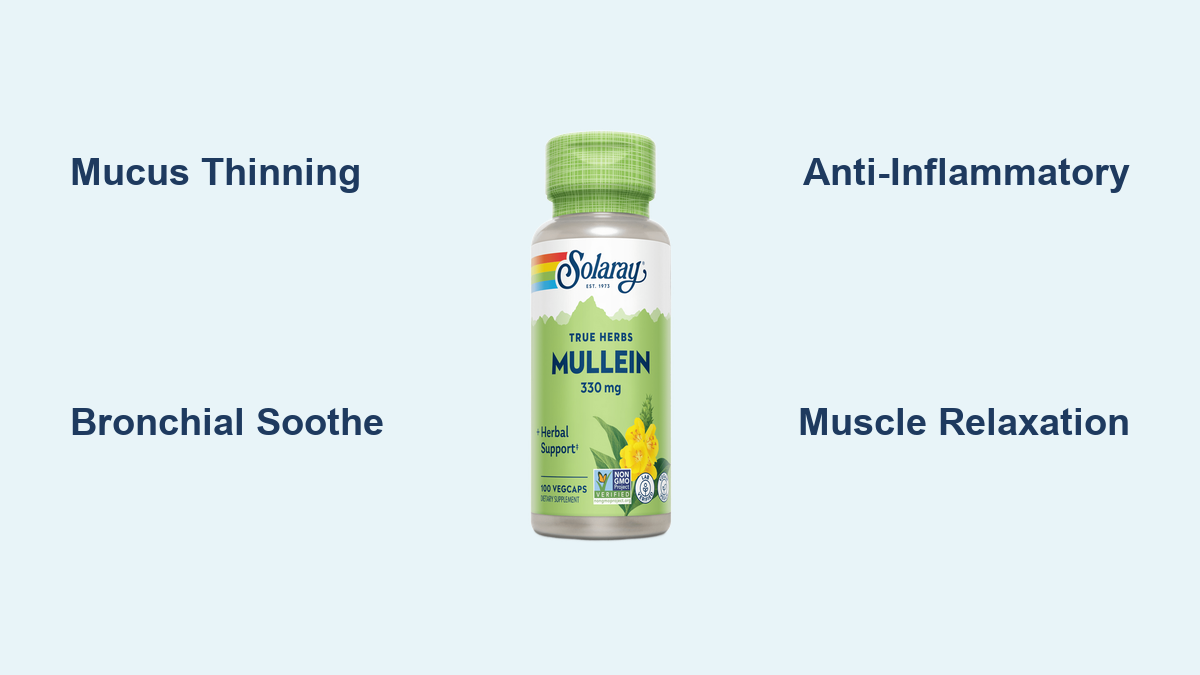
Mullein supplement benefits begin with the plant’s remarkable ability to calm irritated respiratory tissues while promoting healthier mucus regulation. When you inhale pollutants, allergens, or pathogens, your airways respond by producing excess mucus—a protective mechanism that often becomes counterproductive when mucus thickens and obstructs breathing. Mullein’s saponins act as natural surfactants that help thin stubborn mucus, making it easier to expel through coughing without irritating delicate bronchial tissues further.
Why Mullein Works Better Than OTC Expectorants for Natural Relief
Unlike conventional cough medicines that merely suppress symptoms, mullein addresses the root cause of respiratory discomfort through multiple mechanisms:
- Mucolytic action: Breaks down thick mucus for easier expectoration
- Anti-inflammatory effects: Reduces swelling in bronchial passages
- Demulcent properties: Forms a soothing coating over irritated tissues
- Antimicrobial activity: Helps combat underlying infections contributing to congestion
When you use mullein extract during respiratory distress, you’re not just masking symptoms—you’re supporting your body’s natural healing processes. Users commonly report noticeable improvement in breathing comfort within 30-60 minutes of taking a quality liquid extract, making it particularly valuable during acute respiratory episodes.
Mullein’s Proven Anti-Inflammatory Effects Against Respiratory Infections
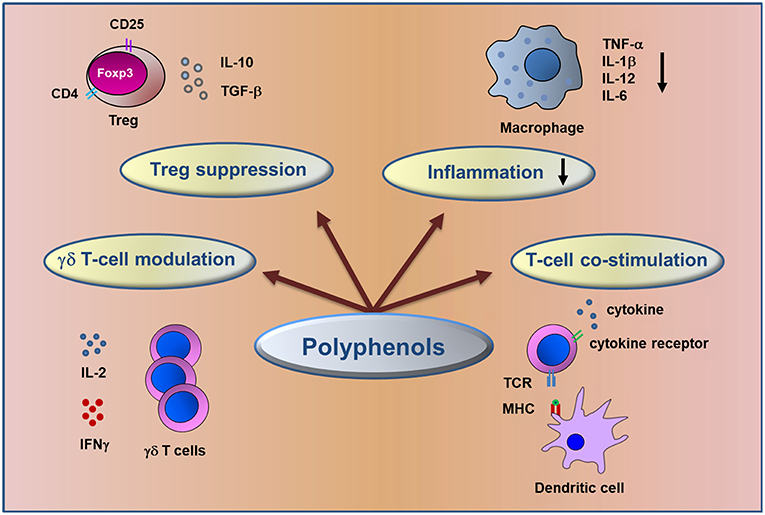
Scientific research confirms that mullein supplement benefits extend beyond simple symptom relief to actively reducing inflammation in your respiratory system. Studies examining Verbascum phlomoides have identified strong correlations between the plant’s polyphenol content and measurable anti-inflammatory activity. These compounds work by inhibiting key inflammatory pathways, particularly those involving cytokines that trigger airway swelling during infections like bronchitis or seasonal allergies.
How Mullein Targets Influenza and Herpes Viruses
Recent antiviral screening reveals impressive mullein supplement benefits against specific pathogens. Peer-reviewed research documents Flos verbasci (mullein flower) infusions demonstrating activity against:
- Influenza viruses: Mullein extracts interfere with viral replication mechanisms
- Herpes simplex virus: Shows inhibitory effects in laboratory studies
- Respiratory syncytial virus (RSV): Emerging evidence suggests potential benefits
While mullein shouldn’t replace conventional antiviral treatments, incorporating it during early-stage respiratory infections may help reduce symptom severity and duration. For best results, begin using mullein extract at the first sign of illness—when your throat feels scratchy or your breathing becomes slightly labored.
Mullein’s Parasite-Fighting Properties and Muscle Relaxation Benefits
Beyond respiratory applications, mullein supplement benefits include scientifically documented anthelmintic properties that help combat intestinal parasites. Research on Verbascum thapsus reveals compounds that disrupt parasite metabolism and reproduction, making mullein a valuable addition to parasite cleansing protocols. When combined with other anti-parasitic botanicals like wormwood, mullein enhances the effectiveness of natural parasite removal while soothing any digestive irritation caused by the cleansing process.
How Mullein Relaxes Bronchial Muscles for Easier Breathing
One of mullein’s most valuable yet underappreciated benefits is its smooth muscle relaxant activity. When bronchial muscles constrict during asthma attacks or severe coughing fits, mullein’s bioactive compounds help relax these spasms without sedative effects. This mechanism explains why traditional healers have used mullein for generations to address:
- Asthma symptoms: Reduces frequency and severity of attacks
- Whooping cough: Calms violent coughing spasms
- Chronic bronchitis: Promotes more comfortable breathing patterns
Unlike pharmaceutical bronchodilators that can cause jitters or heart palpitations, mullein provides gentle relaxation of respiratory muscles with minimal side effects—making it suitable for sensitive individuals and children over age 2.
Safety Profile: Who Should Avoid Mullein Supplements
Critical safety note: Mullein seeds are potentially toxic and should never be consumed—always verify your supplement contains only leaf and flower extracts. While mullein supplement benefits are numerous, safety considerations require attention, particularly for specific populations. Current research indicates insufficient reliable data to establish long-term safety for oral consumption, making short-term use (4-6 weeks maximum) the prudent approach for most adults.
High-Risk Groups That Should Avoid Mullein
Certain individuals should exercise extreme caution or completely avoid mullein supplements:
- Pregnant and breastfeeding women: Potential unknown effects on fetal development
- People with Asteraceae allergies: May trigger cross-reactivity (ragweed, chrysanthemums)
- Individuals taking sedatives: Possible additive effects with CNS depressants
- Those on anticoagulants: Theoretical interaction risk requiring medical supervision
If you experience skin irritation, respiratory sensitivity, or gastrointestinal discomfort after starting mullein, discontinue use immediately. Occupational studies document cases of airborne contact dermatitis in workers handling raw mullein plants, so begin with low doses to assess your tolerance.
Effective Mullein Dosage: Liquid Extract vs. Capsule for Respiratory Relief
Scientific consensus on optimal mullein dosage remains limited, but practical experience reveals effective administration protocols. For acute respiratory symptoms, liquid mullein extract delivers faster results than capsules due to quicker absorption. The most effective protocol:
- Acute symptoms: 30-60 drops of 1:5 liquid extract in water, 2-3 times daily
- Chronic support: 15-30 drops daily in morning and evening
- Sublingual option: Hold 30 drops under tongue for 60 seconds before swallowing
Capsules require higher dosing (typically 500-1000mg) and show effects more slowly, making them better suited for maintenance rather than acute symptom relief. Important: Always follow manufacturer instructions and consult your healthcare provider before starting mullein supplementation, especially if you have underlying health conditions.
How to Identify Potent Mullein Leaf Extract Products in 2024

Not all mullein supplements deliver equal benefits—quality varies dramatically based on sourcing and extraction methods. When selecting a product that delivers genuine mullein supplement benefits, look for these critical quality markers:
- Organic certification: Ensures no pesticide contamination in the final product
- Standardized extracts: Look for products specifying saponin or polyphenol content
- Leaf and flower only: Avoid products containing potentially toxic seeds
- Third-party testing: Certificates of analysis verifying purity and potency
- Fresh vs. dried: Fresh plant extracts typically contain higher concentrations of volatile compounds
Liquid glycerites (alcohol-free extracts) offer the best balance of potency and palatability for respiratory applications. Avoid products with artificial flavors or colors that may irritate sensitive airways. Reputable manufacturers will provide detailed information about their sourcing practices and extraction methods—transparency indicates quality.
Daily Mullein Tea Routine for Long-Term Respiratory Wellness
For sustainable respiratory health, incorporate mullein into your daily wellness routine rather than waiting for symptoms to appear. The most effective long-term protocol:
- Morning ritual: 1 cup mullein tea (1 tsp dried leaf steeped 10 minutes) with lemon
- Evening support: 30 drops liquid extract in warm water before bed
- Seasonal boost: Double dosage during high-pollen seasons or cold/flu months
Combine mullein with complementary respiratory supporters like licorice root, marshmallow root, or thyme for enhanced effects. Pro tip: Add honey to mullein tea for additional soothing properties—research confirms honey’s effectiveness for nighttime cough relief in children over age 1.
Top 5 Evidence-Based Mullein Supplement Benefits You Need to Know
After reviewing current research and traditional applications, these mullein supplement benefits show the strongest evidence:
- Mucus regulation: Thins and loosens stubborn phlegm for easier expectoration
- Bronchial soothing: Forms protective coating over irritated respiratory tissues
- Inflammation reduction: Decreases airway swelling through polyphenol activity
- Antimicrobial support: Helps combat viral and bacterial respiratory pathogens
- Muscle relaxation: Eases bronchial spasms without sedative effects
Remember that mullein works best as part of a comprehensive respiratory wellness strategy that includes proper hydration, air quality management, and appropriate exercise. While mullein supplement benefits are impressive, they’re not a substitute for professional medical care when facing serious respiratory conditions. Always consult your healthcare provider before using mullein if you have chronic respiratory issues or take prescription medications.
Final note: When used correctly, mullein offers a gentle yet effective approach to respiratory wellness with minimal side effects. Start with conservative dosing, choose quality products, and pay attention to how your body responds—your lungs will thank you during the next seasonal challenge.