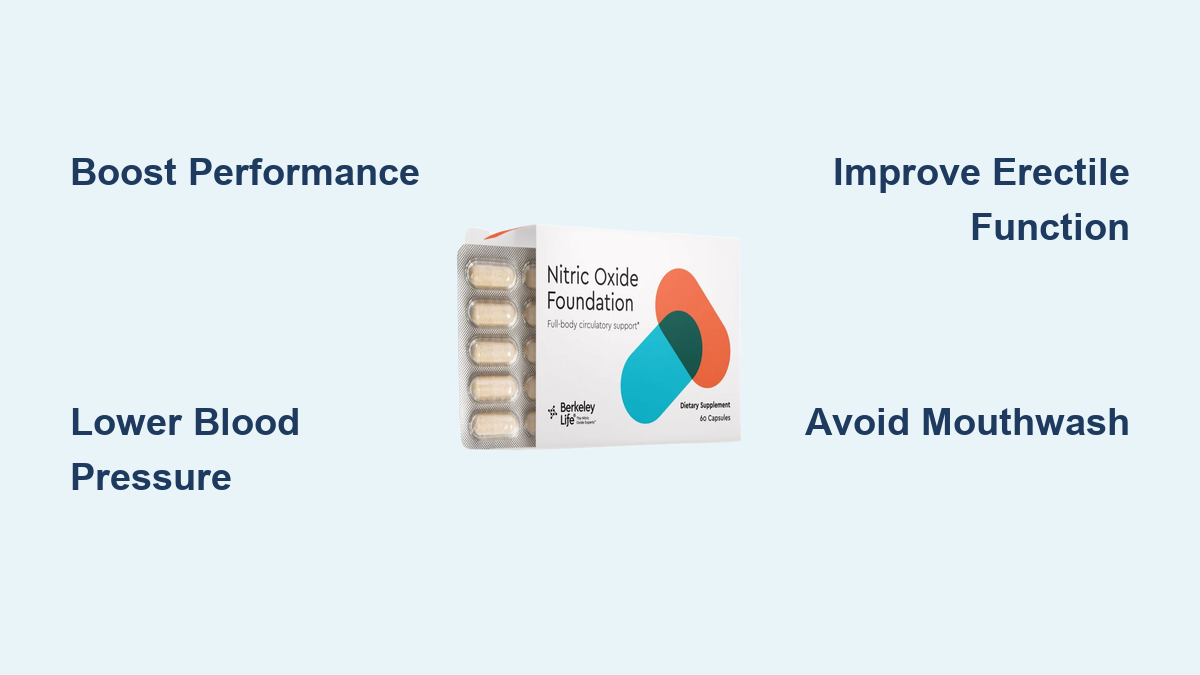

When your muscles burn during intense workouts or your doctor mentions concerns about blood pressure, understanding nitric oxide supplements uses could provide valuable solutions. This powerful molecule serves as your body’s natural vasodilator, widening blood vessels to improve circulation and oxygen delivery where it’s needed most. Research shows that strategic nitric oxide supplementation can enhance exercise performance, support cardiovascular function, and accelerate recovery—but only when you understand exactly how to use these supplements effectively for your specific goals.
Nitric oxide (NO) functions as one of the most essential signaling compounds in human physiology, directly influencing vascular health, hormone regulation, and cellular communication. Unlike prescription medications, nitric oxide supplements work with your body’s natural processes to optimize blood flow without harsh side effects. This guide cuts through the marketing hype to deliver evidence-based information on the most effective nitric oxide supplements uses, backed by clinical research and practical application protocols you can implement immediately.
Why Your Workout Performance Improves with Nitric Oxide Supplementation

Nitric oxide supplements directly enhance athletic performance by increasing oxygen delivery to working muscles during exercise. The vasodilatory effect widens your blood vessels, allowing greater blood flow that delivers more oxygen and nutrients to muscle tissue while removing metabolic waste products like lactic acid more efficiently. This physiological advantage translates to measurable improvements in endurance, power output, and reduced muscle fatigue during training sessions.
How Nitric Oxide Boosts Your Exercise Capacity in 30 Minutes
Research demonstrates that nitric oxide supplementation increases time to exhaustion by nearly 27% during high-intensity cycling tests. The mechanism works rapidly—within 30-60 minutes of consumption—through the NOS-independent pathway where dietary nitrates convert to nitrite then nitric oxide. This process reduces the oxygen cost of exercise, meaning you can maintain higher intensity levels with less perceived effort. Look for beetroot juice or nitrate-based supplements if you need fast-acting performance enhancement before your next workout.
Who Benefits Most from Performance-Focused Nitric Oxide Supplements
Moderately trained individuals experience the most significant benefits from nitric oxide supplementation, with studies showing up to 21% increased power output during cycling tests. Highly trained athletes see diminished returns because their regular training already optimizes natural nitric oxide metabolic pathways and vascular function. If you’re new to exercise or train consistently at moderate intensity 3-4 times weekly, you’ll likely notice substantial performance improvements within 2-3 weeks of proper supplementation.
Fix Low Blood Flow Issues with Targeted Nitric Oxide Support
Nitric oxide’s vasodilatory properties make it essential for maintaining healthy circulation throughout your cardiovascular system. When endothelial cells lining your blood vessels release nitric oxide, they signal the underlying smooth muscle to relax, widening the vessel diameter and reducing resistance to blood flow. This natural process lowers blood pressure and improves nutrient delivery to tissues—critical functions that decline with age and certain health conditions.
How to Support Healthy Blood Pressure with Nitric Oxide Precursors
Clinical research shows that L-arginine supplementation at 5-6 grams daily reduces systolic blood pressure by 5-7 mmHg in individuals with elevated readings. The effect typically becomes noticeable within 2-4 weeks of consistent use. For optimal results, take your nitric oxide supplement 30-60 minutes before bedtime when natural blood pressure regulation mechanisms are most active. Combine with beetroot juice for synergistic effects through both NOS-dependent and NOS-independent pathways.
Warning Signs Your Body Needs Nitric Oxide Support
Watch for these visual indicators that suggest compromised nitric oxide production: cold hands and feet even in warm environments, slow wound healing, erectile dysfunction (in men), and consistently elevated blood pressure readings above 130/85 mmHg. These symptoms often indicate endothelial dysfunction where your blood vessels can’t properly dilate. Addressing nitric oxide deficiency early can prevent progression to more serious cardiovascular complications.
Repair Erectile Function Naturally with Nitric Oxide Pathways

Nitric oxide serves as the primary mediator of penile erection by triggering the relaxation of smooth muscle tissue in the corpus cavernosum. This allows increased blood flow into erectile tissue, creating and maintaining an erection. Research confirms that nitric oxide supplementation significantly improves erectile function in men with mild to moderate dysfunction by enhancing the natural physiological process rather than forcing artificial responses.
How Nitric Oxide Supplements Compare to Prescription ED Medications
Unlike PDE5 inhibitors (such as Viagra or Cialis) that work downstream in the nitric oxide pathway, direct nitric oxide supplementation supports the foundational process of erection. Studies show that L-citrulline supplementation at 1.5 grams daily for one month improved International Index of Erectile Function scores by 37% in men with mild erectile dysfunction. The advantage? Fewer side effects and sustainable improvement through natural physiological support rather than pharmaceutical intervention.
Prevent Pregnancy-Related Blood Pressure Spikes with Nitric Oxide

Gestational hypertension affects approximately 6-8% of pregnancies and can progress to dangerous preeclampsia. Research from 2005 demonstrated that pregnant women supplementing with L-arginine (3 grams daily) showed significantly lower blood pressure compared to placebo groups. The mechanism relates to nitric oxide’s role in maintaining healthy placental blood flow and preventing excessive vascular resistance during pregnancy.
Safe Nitric Oxide Supplementation Protocol for Expectant Mothers
If you’re pregnant and concerned about blood pressure, consult your healthcare provider before starting any supplementation. Studies used L-arginine at 3 grams daily divided into two doses, taken with meals to minimize gastrointestinal side effects. Never self-prescribe nitric oxide supplements during pregnancy—medical supervision is essential to ensure safety for both mother and developing baby.
Avoid These 3 Common Nitric Oxide Supplement Mistakes
Many users waste money on ineffective nitric oxide supplements due to preventable errors. The first mistake: taking supplements at the wrong time. Nitrate-based supplements work best 2-3 hours before exercise, while amino acid precursors like L-citrulline require consistent daily dosing for cumulative effects. Second, ignoring individual tolerance—start with half doses for the first week to assess gastrointestinal sensitivity. Third, combining nitric oxide supplements with mouthwash, which kills the oral bacteria necessary for converting nitrates to nitrite, effectively neutralizing beetroot juice benefits.
Choose Between L-Arginine vs. L-Citrulline for Your Specific Needs
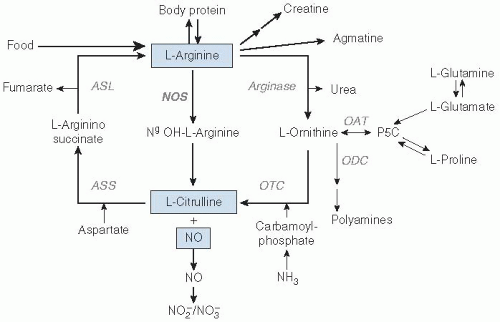
L-arginine serves as the direct substrate for nitric oxide synthesis but suffers from significant first-pass metabolism in the liver, reducing its effectiveness. L-citrulline bypasses this limitation by converting to L-arginine in the kidneys, providing more sustained elevation of plasma arginine levels. For immediate pre-workout effects, choose L-citrulline malate (6 grams); for daily cardiovascular support, L-arginine (3-5 grams) taken before bed may be more effective.
When Beetroot Juice Outperforms Amino Acid Supplements
Beetroot juice provides dietary nitrates that convert to nitric oxide through the alternative pathway, making it particularly effective for acute performance enhancement. Research shows that 500ml of beetroot juice consumed 2.5 hours before exercise improves time trial performance by 2.8% and increases power output by 5%. This makes it ideal for competitive athletes needing immediate benefits without the gastrointestinal issues sometimes associated with high-dose amino acid supplements.
Recognize Dangerous Nitric Oxide Supplement Side Effects
While generally safe, nitric oxide supplements can cause problematic side effects in certain populations. Common reactions include gastrointestinal distress (nausea, bloating, diarrhea) especially with doses exceeding 9 grams daily. More serious concerns include dangerously low blood pressure when combined with antihypertensive medications, and potential worsening of liver function in individuals with cirrhosis. Stop supplementation immediately if you experience dizziness, rapid heartbeat, or severe digestive issues.
Who Should Avoid Nitric Oxide Supplements Completely
Individuals with guanidinoacetate methyltransferase (GAMT) deficiency—a rare genetic disorder affecting creatine synthesis—should never take nitric oxide supplements as they can worsen symptoms. Those scheduled for surgery should discontinue supplementation at least two weeks beforehand due to bleeding risk. People with active herpes virus infections may experience outbreaks triggered by arginine supplementation, as the virus uses arginine for replication.
Maximize Benefits with Natural Nitric Oxide Food Sources
You can boost nitric oxide production through dietary choices without supplements. Incorporate these nitrate-rich foods: spinach (250mg nitrate per 100g), arugula (450mg), beets (180mg), and celery (150mg). Watermelon provides citrulline (300mg per cup), while nuts and seeds offer arginine (1-2g per ounce). For optimal conversion, consume these foods with vitamin C-rich companions like citrus fruits or bell peppers, which stabilize nitric oxide in the bloodstream.
Key Takeaways for Effective Nitric Oxide Supplementation
Nitric oxide supplements uses extend far beyond gym performance—strategic supplementation supports cardiovascular health, enhances recovery, and addresses specific physiological concerns when matched to your individual needs. Moderately active individuals gain the most significant exercise benefits, while those with blood pressure concerns may experience meaningful improvements within weeks. Always start with conservative doses, avoid mouthwash when using nitrate-based supplements, and consult your healthcare provider if you have pre-existing conditions or take medications. For most users, L-citrulline malate (3-6g daily) or beetroot juice (500ml 2-3 hours pre-exercise) provides the optimal balance of effectiveness and tolerability for performance goals, while L-arginine (3-5g before bed) better serves cardiovascular support needs. By understanding these specific applications and avoiding common pitfalls, you can harness nitric oxide’s powerful physiological effects safely and effectively.