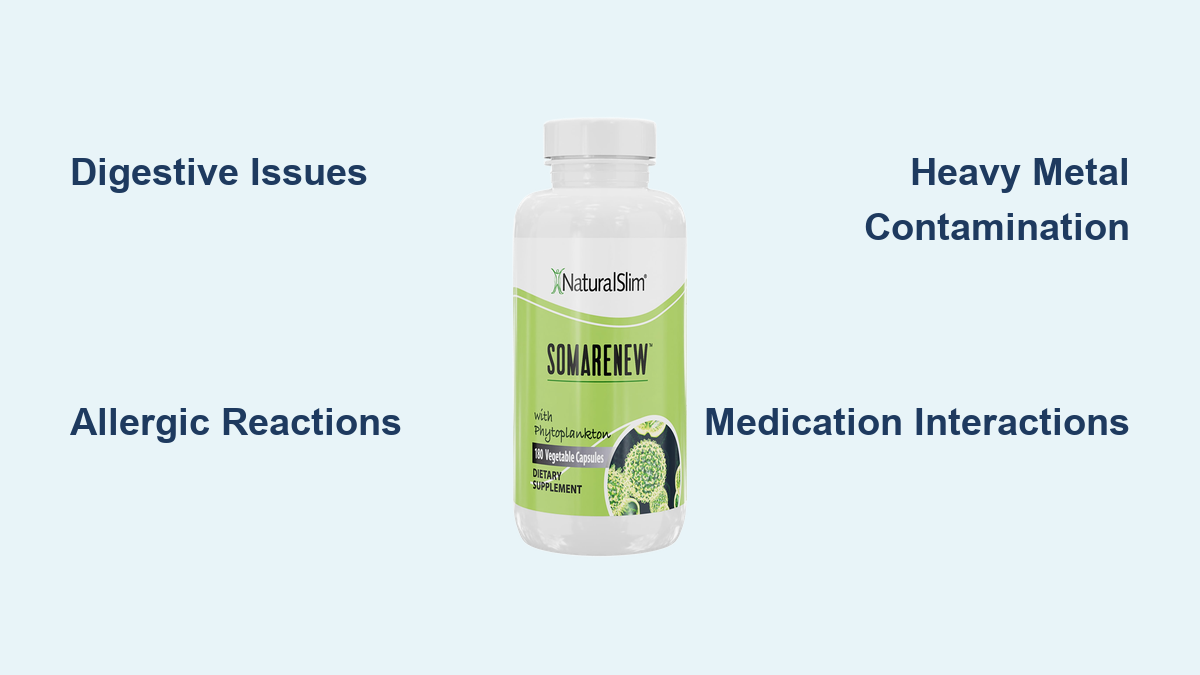

Phytoplankton supplements have surged in popularity as a “superfood” promising everything from increased energy to improved immune function. Despite bold marketing claims, consumers deserve transparent information about potential side effects before adding these marine-based supplements to their daily regimen. Unfortunately, comprehensive safety data remains limited in the scientific literature, creating confusion for health-conscious individuals seeking reliable guidance. This article examines what we genuinely know about phytoplankton supplement side effects based on available evidence, not marketing hype.
Unlike well-studied supplements with decades of clinical research, phytoplankton products occupy a gray area in nutritional science. Most manufacturers position these supplements as completely safe due to their “natural” marine origin, yet the reality is more complex. Without robust clinical trials specifically investigating adverse reactions, consumers navigate a landscape where anecdotal reports mix with promotional content, making informed decisions challenging. We’ll cut through this noise to provide the factual information you need to assess whether phytoplankton supplements align with your health goals and risk tolerance.
Documented Phytoplankton Supplement Reactions
Mild Digestive Discomfort Cases
Multiple user reports indicate that some individuals experience temporary digestive upset when first introducing phytoplankton supplements. These mild reactions typically include:
- Bloating and gas within 30-60 minutes of consumption
- Loose stools that resolve within 24-48 hours
- Mild nausea particularly when taken on an empty stomach
These symptoms generally subside as the body adjusts, usually within 3-5 days of continued use. Starting with half the recommended dose and gradually increasing while taking with food significantly reduces these temporary digestive issues for most users.
Allergic Response Indicators
While rare, allergic reactions to phytoplankton supplements can occur, especially among individuals with:
- Shellfish or iodine allergies (due to marine origin)
- Sensitivity to algae-based products
- History of food allergies to ocean-sourced ingredients
Watch for these warning signs that suggest an allergic reaction rather than typical adjustment symptoms:
– Skin rash or hives developing within hours of consumption
– Swelling of lips, face, or throat
– Difficulty breathing or wheezing
– Rapid heartbeat
If you experience these symptoms, discontinue use immediately and seek medical attention. Those with known marine allergies should consult an allergist before trying phytoplankton supplements.
Heavy Metal Contamination Concerns

Ocean Pollution Impact on Supplement Safety
Phytoplankton’s position at the base of the marine food chain creates a legitimate concern about bioaccumulation of environmental contaminants. Unlike land-based plants, phytoplankton directly absorb substances from surrounding seawater, potentially concentrating:
- Mercury
- Lead
- Arsenic
- Cadmium
Reputable manufacturers address this through rigorous third-party testing and controlled cultivation environments, but not all brands maintain these standards. The absence of mandatory heavy metal testing in the supplement industry means consumers must proactively verify product safety.
How to Verify Heavy Metal Safety
Protect yourself from potential contamination by implementing these verification steps before purchasing:
- Demand current Certificates of Analysis (COAs) from the manufacturer showing heavy metal testing
- Confirm independent laboratory verification – not just in-house testing
- Check testing frequency – reputable companies test every batch, not just periodically
- Verify acceptable limits – ensure levels fall below FDA’s recommended thresholds
Brands that hesitate to provide comprehensive testing documentation should be avoided, as transparency about potential contaminants directly relates to product safety.
Medication Interaction Risks
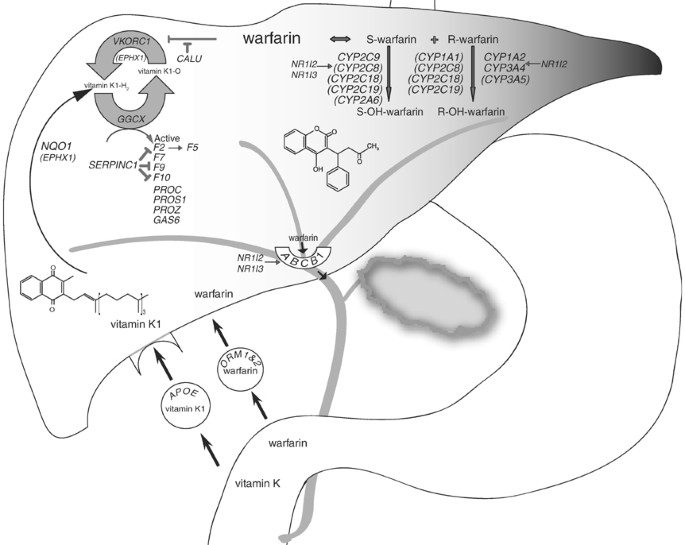
Blood Thinning Medication Complications
Phytoplankton’s naturally occurring vitamin K content creates potential interactions with anticoagulant medications. This nutrient plays a crucial role in blood clotting, meaning supplementation could:
- Reduce effectiveness of warfarin (Coumadin)
- Create unstable INR readings
- Require medication dosage adjustments
If you take blood thinners, consult your physician before adding phytoplankton supplements to your regimen. Regular blood monitoring becomes essential if approved for concurrent use.
Immune System Modulation Considerations
The purported immune-boosting properties of phytoplankton supplements warrant caution for individuals managing autoimmune conditions or taking immunosuppressants. Potential concerns include:
- Unintended immune system activation in autoimmune disorders
- Reduced effectiveness of immunosuppressive medications
- Unpredictable inflammatory responses
Those with rheumatoid arthritis, lupus, multiple sclerosis, or organ transplants should discuss phytoplankton supplementation with their specialist before use.
Quality Variability Impact on Side Effect Profiles
Wild-Harvested vs. Cultivated Product Differences
The source of phytoplankton significantly influences potential side effect risks:
- Wild-harvested varieties carry higher contamination risks from ocean pollutants
- Commercially cultivated products offer more consistent composition and lower contaminant levels
- Open-ocean cultivation presents intermediate risk between wild and closed-system production
Cultivation method directly impacts safety profile, with closed bioreactor systems generally providing the most controlled and predictable product with minimal side effect risks.
Processing Method Influence on Tolerance
How manufacturers process phytoplankton affects both nutrient availability and potential side effects:
- Freeze-dried products tend to cause fewer digestive issues than liquid extracts
- Cell wall disruption techniques improve absorption but may increase reaction potential in sensitive individuals
- Heat processing can denature beneficial compounds while reducing potential irritants
Consumers with sensitive systems often report better tolerance with freeze-dried whole-cell products compared to liquid concentrates or processed extracts.
Special Population Considerations

Pregnancy and Breastfeeding Safety Unknowns
The complete absence of clinical studies on phytoplankton supplements during pregnancy creates significant uncertainty. Without safety data, healthcare providers generally recommend:
- Avoiding phytoplankton supplements during pregnancy
- Steering clear while breastfeeding
- Choosing well-researched prenatal vitamins instead
The theoretical risk of contaminants affecting fetal development outweighs potential unproven benefits for expectant and nursing mothers.
Children’s Supplement Safety Concerns
Pediatric use of phytoplankton supplements lacks sufficient safety data for reliable recommendations. Parents should be aware that:
- No established dosing guidelines exist for children
- Developing systems may react differently to marine compounds
- Potential contaminants pose greater risks to smaller body masses
Until specific pediatric research emerges, these supplements remain inappropriate for children without explicit pediatrician approval and supervision.
Recognizing Quality Products That Minimize Side Effects
Third-Party Certification Verification
Reputable phytoplankton supplements display multiple third-party certifications that verify safety claims:
- NSF International certification for contaminant testing
- USP Verified Mark indicating purity and potency standards
- Non-GMO Project verification where applicable
- Organic certification from recognized agencies
Each legitimate certification should include a verification number you can check on the certifying organization’s website. Be wary of “proprietary certifications” created by the manufacturer themselves.
Manufacturing Transparency Indicators
Quality-focused companies provide detailed information about their production process:
- Specific phytoplankton strains used (not just “marine phytoplankton”)
- Exact cultivation location and methods
- Full processing methodology
- Comprehensive testing protocols
Brands that obscure these details often cut corners that could increase side effect risks. Transparency correlates strongly with product safety and reliability.
When to Consult a Healthcare Professional
Persistent Symptoms Requiring Medical Evaluation
While most side effects from phytoplankton supplements are mild and temporary, certain symptoms warrant professional evaluation:
- Digestive issues lasting longer than 7 days
- Unexplained skin reactions
- Consistent headaches or dizziness
- Changes in medication effectiveness
Don’t assume these symptoms will resolve on their own, especially if they interfere with daily activities or worsen over time.
Creating a Complete Supplement Disclosure Document
When discussing phytoplankton supplements with your healthcare provider, prepare this information:
- Full product name and brand
- Complete ingredient list
- Dosage and frequency
- Batch number and expiration date
- Copy of third-party testing results
This documentation enables your provider to accurately assess potential interactions and side effect risks specific to the product you’re using.
Final Note: Phytoplankton supplements show promise but require cautious adoption due to limited safety research. By choosing transparently tested products, starting with conservative doses, and monitoring your body’s response, you can minimize potential side effects while determining if these supplements benefit your health regimen. Always prioritize verified information over marketing claims, and consult healthcare professionals about how phytoplankton supplements might interact with your unique health profile. The most responsible approach combines informed experimentation with professional guidance rather than assuming “natural” equals “risk-free.”