
Iron deficiency affects over two billion people worldwide, disrupting critical bodily functions from oxygen transport to DNA replication. If you’ve struggled with iron supplements only to face constipation, nausea, or digestive upset that made you stop treatment, you’re not alone—up to 70% of people discontinue iron therapy due to gastrointestinal side effects. The groundbreaking solution? Taking probiotics and iron supplements together creates a powerful synergy that enhances iron absorption while protecting your gut microbiome from damage. This approach addresses the core problem: traditional iron supplementation leaves 90% of iron unabsorbed, which then destroys beneficial gut bacteria and alters your microbial balance. By strategically combining specific probiotic strains with iron, you can increase absorption rates, reduce side effects, and maintain a healthy gut environment during iron repletion therapy.
Why Iron Supplements Damage Your Gut (And How Probiotics Fix It)
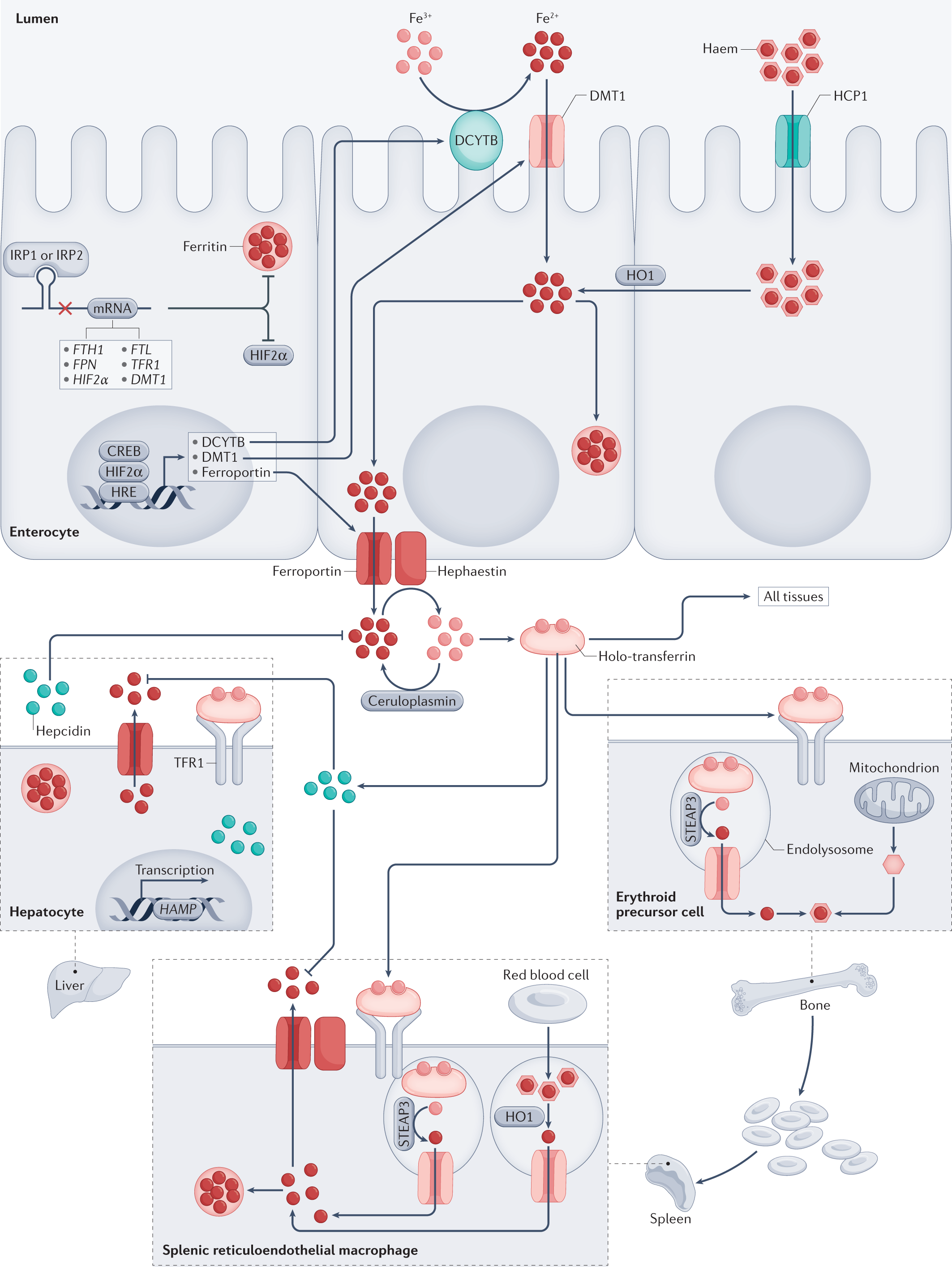
When you take conventional iron supplements, only about 10% gets absorbed while the remaining 90% passes through your digestive tract, creating significant problems in your gut environment. This unabsorbed iron favors the growth of potentially harmful bacteria like Enterobacteriaceae while reducing beneficial populations such as Bifidobacteria. Research on African infants receiving iron fortification revealed decreased Bifidobacteria and increased pathogenic E. coli strains, along with elevated fecal calprotectin levels indicating intestinal inflammation. Similarly, studies in iron-deficient rats showed significantly lower concentrations of butyrate and propionate—short-chain fatty acids crucial for gut health—produced by beneficial bacteria.
Probiotics counteract this damage through multiple protective mechanisms. Specific strains like Lactobacillus fermentum produce p-hydroxyphenyllactic acid, a compound that increases iron absorption through DMT1 transporters by converting ferric iron (Fe3+) to the more absorbable ferrous form (Fe2+). The acidic environment created by probiotic metabolic activity further facilitates iron uptake by lowering intestinal pH. Most importantly, by improving absorption rates, probiotics reduce the amount of iron reaching your colon intact, thereby minimizing disruption to your gut bacterial balance. This dual action—enhancing absorption while protecting gut health—represents a significant advancement over conventional iron supplementation approaches that often cause more harm than good to your digestive system.
Best Probiotic Strains That Actually Boost Iron Absorption
Not all probiotics deliver equal benefits when combined with iron supplementation. Research has identified specific strains with proven efficacy for enhancing iron metabolism:
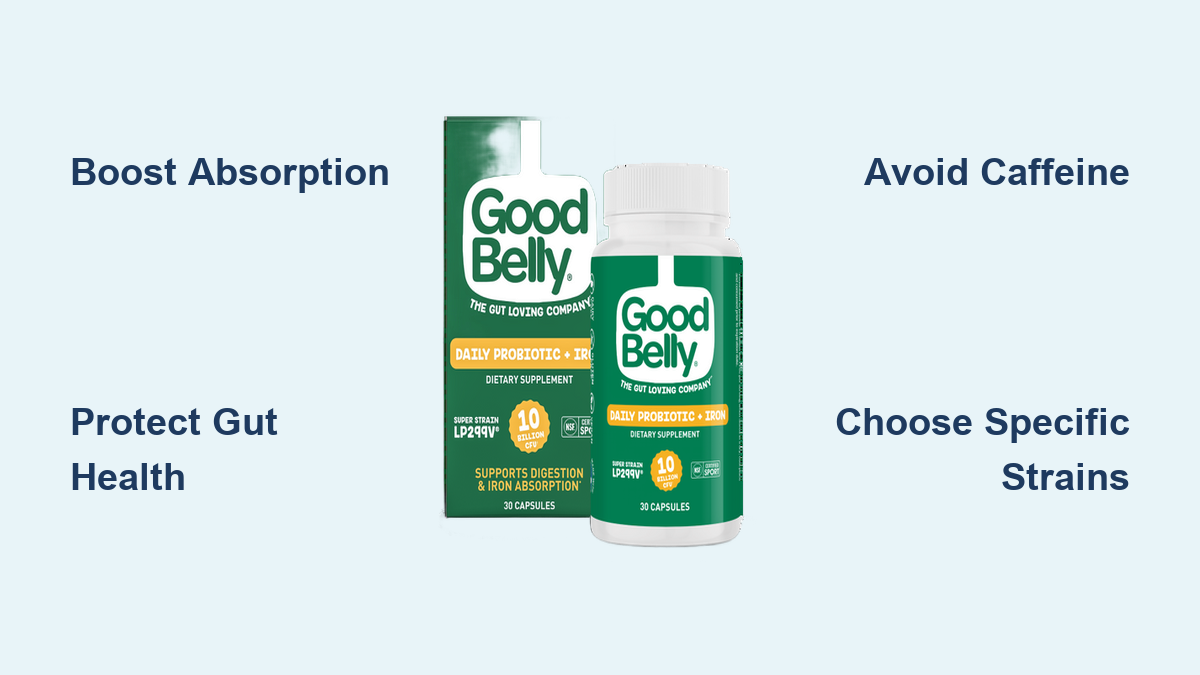
- Lactobacillus plantarum 299v: Demonstrated increased iron absorption in multiple studies, including when administered through pearl millet seeds and fruit drinks
- Streptococcus thermophilus: Improved hemoglobin, serum iron, total iron binding capacity, and ferritin levels when delivered via fermented milk beverages
- Lactobacillus acidophilus: Significantly increased ferritin formation in intestinal cells when administered through fermented bread
- Lactobacillus fermentum: Shows remarkable ferric-reducing activity, producing metabolites that directly enhance iron uptake
Studies reveal significant variability between strains—L. plantarum Dad 13 in fermented milk showed no difference in iron status, while other formulations with the same species delivered substantial benefits. This highlights why selecting products specifying exact strains matters more than choosing generic “probiotic blends.” For optimal results, look for supplements that clearly identify strains with demonstrated efficacy rather than relying on vague probiotic claims.
How to Time Your Probiotic-Iron Combination for Maximum Effectiveness
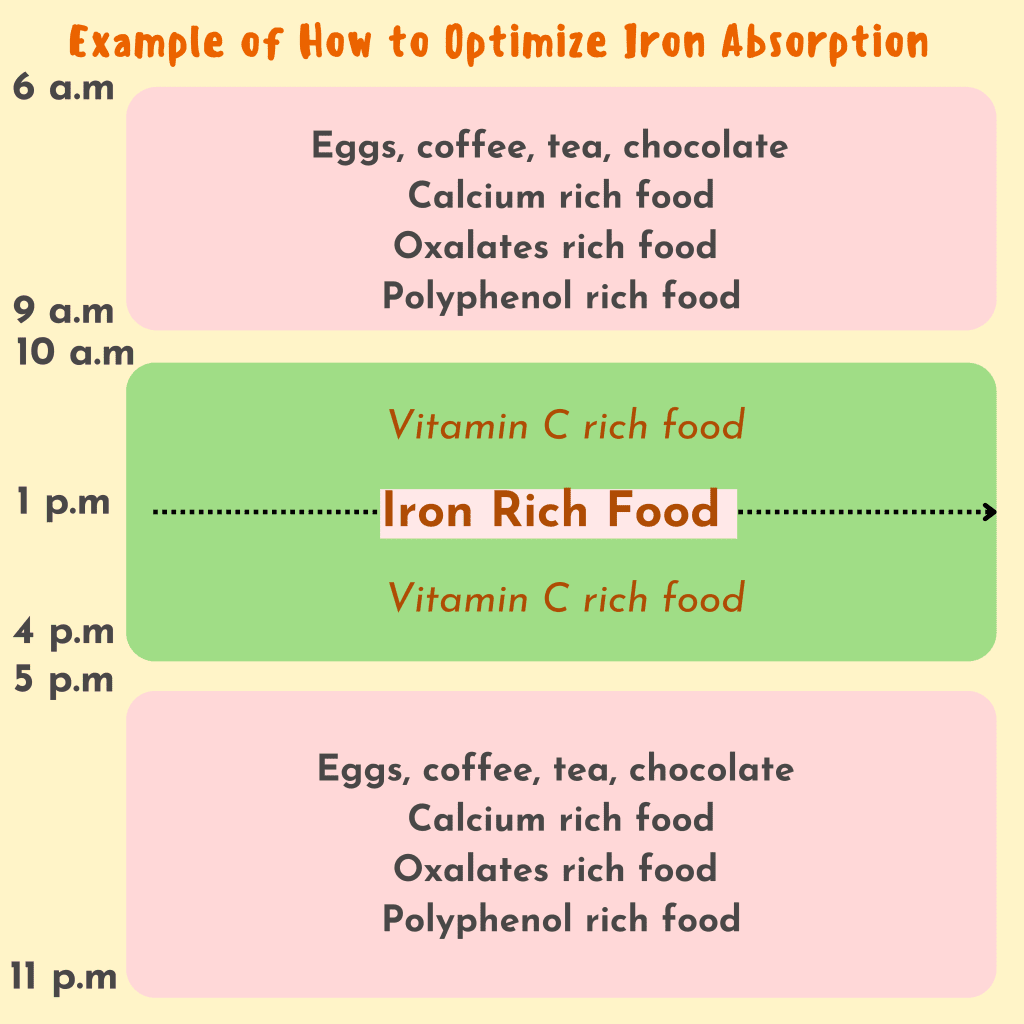
Taking probiotics and iron supplements together requires strategic timing to maximize absorption while minimizing interference from other dietary components. The most effective approach involves understanding both what enhances and inhibits iron uptake in your digestive system.
Critical Timing Guidelines:
- Avoid caffeine interference: Separate your probiotic-iron supplement from coffee, tea, and other caffeine sources by at least two hours, as polyphenols in these beverages strongly inhibit iron absorption
- Space from calcium: Take your supplement at least two hours away from dairy products, calcium supplements, or multivitamins containing calcium
- Optimize with vitamin C: Pair your supplement with vitamin C-rich foods (citrus fruits, bell peppers, strawberries) which convert ferric iron to the more absorbable ferrous form
- Consider every-other-day dosing: Research suggests this approach may actually enhance absorption efficiency while reducing side effects compared to daily high-dose supplementation
Many commercial probiotic-iron formulations specifically recommend taking one capsule every second day rather than daily, recognizing that spaced dosing allows more complete utilization of each dose. This approach aligns with emerging understanding of iron metabolism, as daily high-dose supplementation can trigger protective responses that reduce absorption over time.
Common Mistakes That Undermine Your Probiotic-Iron Success
Even with the right supplements, several common errors can sabotage your efforts to effectively combine probiotics and iron supplements together. Learning from these pitfalls helps you optimize your approach from day one.
Taking iron with inhibitory foods: Consuming your supplement with meals containing phytates (whole grains, legumes), polyphenols (coffee, tea), or calcium significantly reduces absorption—sometimes by 50% or more. Instead, take your supplement on an empty stomach when possible, or with a small amount of vitamin C-rich food if gastric discomfort occurs.
Inconsistent supplementation habits: Iron repletion requires sustained effort over months, not weeks. Sporadic supplementation fails to maintain the steady supply needed for optimal absorption. Set daily reminders and incorporate supplementation into existing routines to ensure consistency.
Stopping too soon: Many people discontinue supplementation as soon as symptoms improve rather than completing the full repletion course. Iron stores take time to rebuild—premature cessation commonly leads to returning deficiency. Continue supplementation as directed by your healthcare provider, typically for three to six months after symptoms resolve.
Ignoring individual variation: Not everyone absorbs iron at the same rate. Factors like gut health, genetic variations, inflammation levels, and medication use all influence your individual requirements. Work with healthcare providers to monitor your response and adjust approaches as needed rather than assuming one size fits all.
Choosing the Right Probiotic-Iron Supplement for Your Needs

Selecting an effective product requires understanding what distinguishes quality probiotic-iron formulations from less effective options. The form of iron used significantly impacts both absorption and tolerability—with iron bisglycinate emerging as the preferred choice for combination products. Unlike ferrous sulfate—the most common but often poorly tolerated form—iron bisglycinate causes substantially less gastrointestinal irritation while maintaining or even improving absorption rates.
When evaluating products, look for these critical features:
- Strain specificity: Products should clearly identify strains like Lactobacillus plantarum, Lactobacillus fermentum, or Streptococcus thermophilus rather than generic “probiotic blends”
- CFU count with purpose: While higher colony-forming unit counts are generally preferred, research indicates strain specificity matters more than sheer numbers for iron enhancement
- Third-party verification: Choose products with independent testing for purity and potency to ensure you’re getting what the label claims
- Supporting nutrients: Formulations containing vitamin C (enhances iron absorption) and copper (supports iron metabolism) provide additional benefits
Quality commercial formulations typically combine iron bisglycinate with specific probiotic strains, vitamin C, and copper bisglycinate in vegan, dairy-free, soy-free formulas manufactured under strict GMP-certified standards. These products specifically address the common problem of constipation associated with traditional iron supplements while supporting comprehensive iron repletion.
Long-Term Strategies for Maintaining Iron Balance
Successfully repleting iron stores represents only the first phase of managing deficiency—maintaining adequate status over time prevents recurrence. After completing your initial repletion protocol, consider these sustainable strategies:
- Transition to lower-dose maintenance supplementation combined with dietary attention to iron adequacy
- Continue probiotic support through supplements or probiotic-rich foods like yogurt and fermented vegetables
- Schedule periodic monitoring with serum ferritin tests to catch developing deficiencies early
- Maintain iron-enhancing dietary patterns: pair plant-based iron sources with vitamin C-rich foods
- Manage ongoing risk factors like heavy menstrual bleeding through appropriate medical approaches
The combination of probiotics and iron supplements together represents a scientifically supported approach that addresses iron deficiency while protecting your gut health. By understanding the specific strains that enhance absorption, optimizing your timing strategy, avoiding common mistakes, and selecting quality formulations, you can effectively resolve deficiency while minimizing the gastrointestinal side effects that plague conventional iron supplementation. As research continues to evolve in this field, the strategic pairing of these supplements offers a promising path toward better iron status and overall wellness.