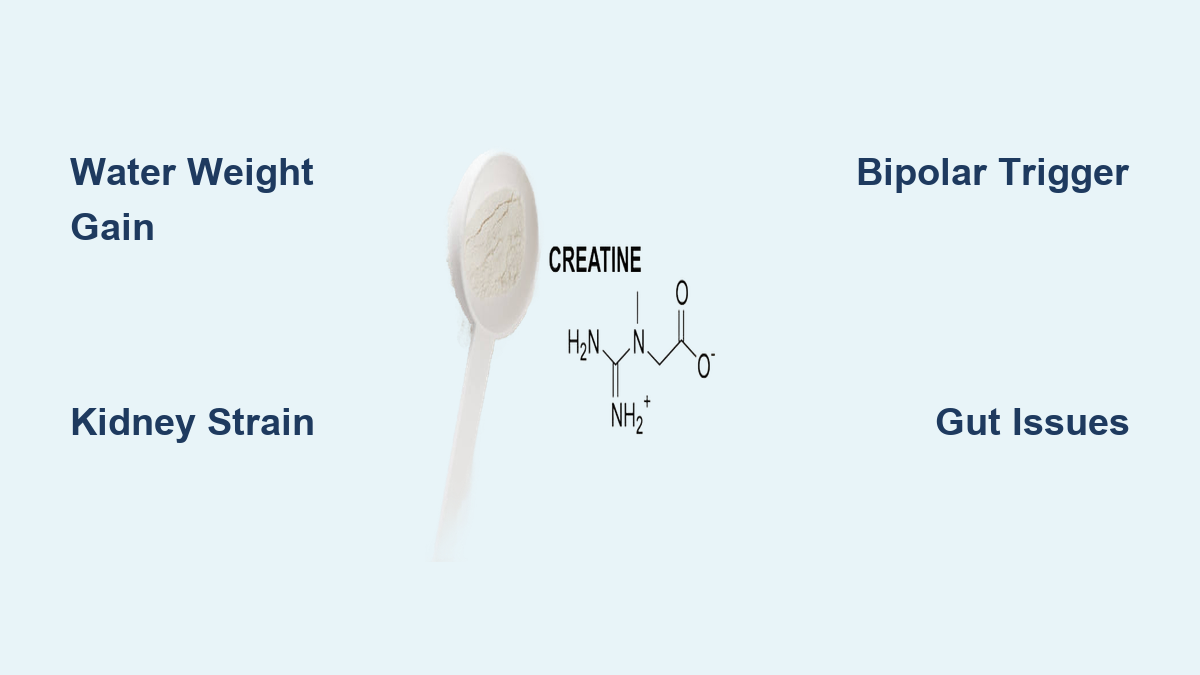

You’ve probably heard creatine is the gold standard for muscle building and athletic performance, but what they don’t tell you about problems with creatine supplements could jeopardize your health. Despite being one of the most researched supplements globally, millions of users experience unexpected side effects, dangerous interactions, and serious health complications they never anticipated. While creatine naturally occurs in your body and foods like red meat, the concentrated doses in supplements trigger physiological responses many users aren’t prepared for. This guide reveals the seven most critical issues with creatine supplementation that medical professionals want you to know before adding it to your regimen—backed by clinical research and medical guidelines.
Before popping your first creatine pill, understand that your body already produces about one gram daily through your liver, pancreas, and kidneys. Supplements dramatically increase this concentration, potentially overwhelming your system if you have underlying health conditions or take certain medications. The problems with creatine supplements aren’t just theoretical—they affect real users every day, from kidney strain in seemingly healthy athletes to dangerous mood swings in people with bipolar disorder. This comprehensive breakdown details exactly what can go wrong and how to protect yourself while pursuing those performance gains.
Water Weight Nightmare: Why Your Muscles Feel Bloated After Creatine Loading
Creatine’s most immediate and universal problem is unexpected weight gain from water retention, affecting virtually all new users during the loading phase. When you start taking creatine supplements, your muscle cells absorb extra water through osmosis to maintain proper balance with the increased creatine concentration. This isn’t fat gain—it’s pure water weight that can add 2-4 pounds to your scale reading within the first week. The bloating sensation often surprises users who expected only muscle growth, making clothes feel tighter and movement feel heavier despite no actual fat accumulation.
How much water weight can you realistically expect?
– Loading phase (20g/day for 5-7 days): 3-5 pounds of water weight
– Maintenance phase (3-5g/day): 1-3 pounds of stable water retention
– Complete cessation: Water weight normalizes within 4-6 weeks
This water retention becomes problematic for athletes in weight-class sports like wrestling or boxing, where even a few extra pounds can disqualify you from your division. More seriously, some users mistake this normal water retention for dangerous edema—a medical condition where fluid accumulates in tissues outside muscles. If you experience swollen ankles, puffy eyelids, or difficulty breathing alongside the water weight, stop taking creatine immediately and consult a doctor.
Kidney Damage Warning: Who Should NEVER Take Creatine Supplements
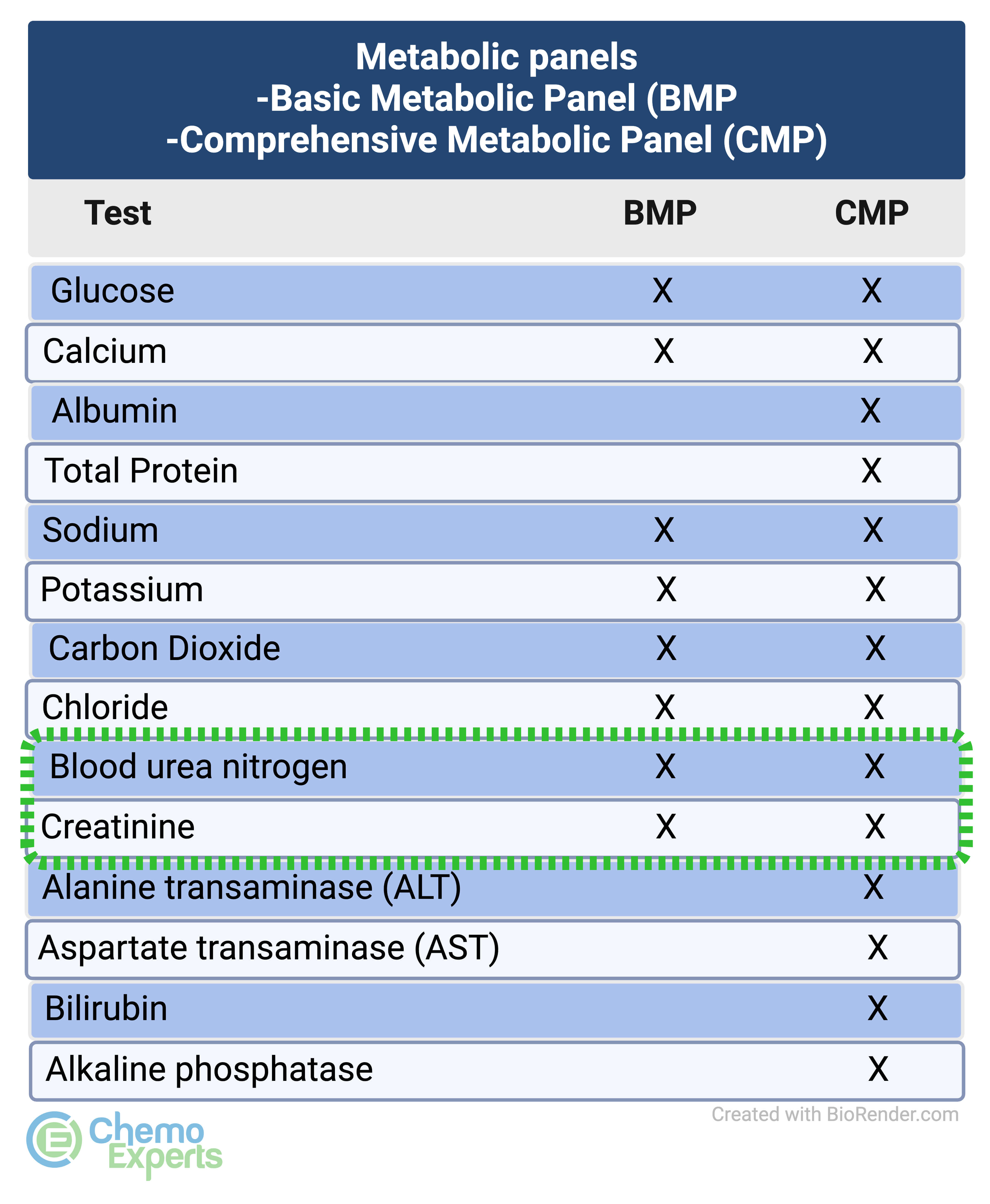
Your kidneys bear the brunt of processing supplemental creatine, making preexisting kidney conditions the most dangerous problem with creatine supplements. While healthy kidneys typically handle creatine supplementation without issue, any degree of renal impairment creates significant risks. An older but influential case study documented accelerated kidney function decline in a patient with preexisting kidney disease who started creatine supplementation, sparking ongoing medical debate about its safety for compromised kidneys.
4 kidney warning signs that mean STOP taking creatine immediately:
– Foamy or bubbly urine (indicating protein leakage)
– Unexplained fatigue and weakness
– Swelling in legs, ankles, or face
– Changes in urine output (too much or too little)
Before starting creatine, get your kidney function tested with a simple blood panel. Your estimated glomerular filtration rate (eGFR) should be above 90 mL/min/1.73m², and your blood urea nitrogen (BUN) should fall within normal ranges. If you have diabetes, high blood pressure, or a family history of kidney disease, consult a nephrologist before even considering creatine supplementation—these conditions significantly increase your risk of kidney complications.
Bipolar Disorder Danger: Why Creatine Triggers Manic Episodes

Individuals with bipolar disorder face a specific, potentially life-threatening problem with creatine supplements that most users never consider. Research shows creatine may trigger manic episodes in people with bipolar disorder by altering brain energy metabolism and neurotransmitter activity. A 2012 study published in the Journal of Affective Disorders documented multiple cases where creatine supplementation preceded severe manic episodes in bipolar patients who were otherwise stable on medication.
The neuroscience behind this dangerous interaction involves creatine’s role in cellular energy production within the brain. By increasing phosphocreatine stores in neural tissue, creatine may disrupt the delicate energy balance that bipolar medications work to maintain. If you have bipolar disorder, any history of mania, or take mood stabilizers, do not take creatine without explicit approval from your psychiatrist. Even small doses can destabilize your condition, potentially requiring hospitalization.
Caffeine + Creatine = Zero Results: The Dangerous Combo Ruining Your Gains
Your morning coffee could be completely negating the benefits of your creatine supplements—a problem with creatine supplements that affects millions of users unknowingly. Research demonstrates that caffeine intake above 300mg daily (about 3 cups of coffee) significantly reduces creatine’s effectiveness for muscle performance and growth. This interaction occurs because caffeine’s diuretic properties and cellular mechanisms counteract creatine’s water-retention benefits and ATP regeneration processes.
How much caffeine cancels out creatine’s benefits?
– Less than 100mg (1 small coffee): Minimal impact
– 100-300mg (1-3 coffees): Reduced effectiveness
– Over 300mg (3+ coffees): Complete negation of benefits
Worse yet, emerging research suggests this combination might accelerate Parkinson’s disease progression in susceptible individuals. To maximize creatine’s benefits while minimizing problems with creatine supplements, separate your caffeine and creatine intake by at least 4 hours, or better yet, reduce caffeine consumption on training days.
Gut Wreckage: Why Creatine Causes Nausea and Cramps

Approximately 5-7% of creatine users experience significant gastrointestinal distress—a problem with creatine supplements that often forces discontinuation. Symptoms include severe bloating, stomach cramps, nausea, and sometimes diarrhea, particularly when taking large single doses (5g+) on an empty stomach. This occurs because high concentrations of creatine draw water into the intestinal tract, disrupting normal digestive processes.
The loading phase mistake 90% of users make:
– Taking 20g daily in 1-2 large doses instead of 4-5 smaller doses
– Consuming creatine with insufficient water (less than 8oz per dose)
– Taking creatine on an empty stomach instead of with a meal
To prevent gut issues, split your daily dose into 1-2g increments taken with food and 8-12oz of water each time. Consider switching to micronized creatine monohydrate, which dissolves more completely and causes fewer digestive problems than standard formulations.
Poisoned Powder: 3 Contaminants Hiding in Your Creatine

The biggest unspoken problem with creatine supplements isn’t the creatine itself—it’s what’s secretly added during manufacturing. The supplement industry operates with minimal regulation, allowing contaminants like heavy metals, banned substances, and even prescription drugs to slip into products. Third-party testing reveals that 15-20% of creatine products contain concerning levels of dihydrotestosterone (DHT), a hormone that can cause severe acne and hair loss.
The #1 certification you must check before buying any creatine:
– NSF Certified for Sport (best for athletes)
– Informed-Choice
– USP Verified Mark
Always verify certifications on the organization’s official website, not just the product label. Reputable brands like Thorne, NOW Foods, and Jarrow Formulas consistently pass third-party testing, while bargain-bin products from unknown manufacturers pose the highest contamination risks.
What Happens When You Quit: Creatine Withdrawal Symptoms
Stopping creatine triggers temporary but significant performance declines that many users mistake for “withdrawal”—a problem with creatine supplements that affects your training more than your health. As muscle creatine stores deplete over 4-6 weeks, you’ll experience reduced strength, endurance, and explosive power during high-intensity exercise. The most common complaint is sudden fatigue during workouts that previously felt manageable.
How long until your energy returns to normal?
– Week 1-2: Significant performance drop (20-30% reduction)
– Week 3-4: Gradual adaptation as body adjusts
– Week 5-6: Performance stabilizes at pre-supplementation levels
The good news? Muscle gains achieved while supplementing remain intact if you maintain your training regimen. To minimize disruption, taper your dosage gradually over 2 weeks rather than stopping abruptly, and increase carbohydrate intake to support natural creatine production.
Final Note: Problems with creatine supplements affect users differently based on individual health status, dosage, and product quality. Before starting supplementation, get kidney function tested, consult your doctor if you have bipolar disorder or take medications, and choose only third-party tested products. Start with a conservative 3-5g daily dose rather than aggressive loading, and monitor for water retention, digestive issues, or unusual fatigue. For most healthy users, creatine remains safe when taken properly—but ignoring these critical problems could turn your performance enhancer into a health hazard. Always prioritize medical guidance over gym bro-science when it comes to supplements that affect your body’s fundamental physiology.