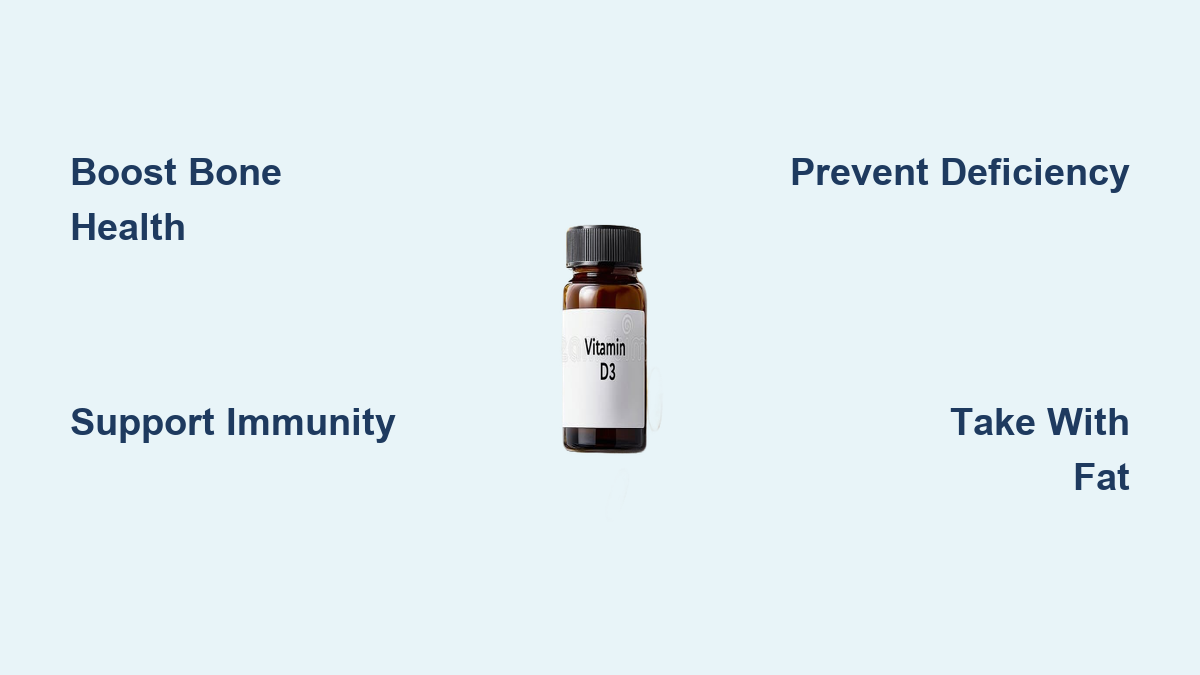

You’ve likely heard about the “sunshine vitamin,” but do you know why millions of people take vitamin D supplements daily? Modern lifestyles often prevent us from getting enough vitamin D naturally, creating a widespread deficiency that impacts bone strength, immune function, and overall wellbeing. The primary purpose of vitamin D supplementation is to bridge this gap—ensuring your body receives adequate amounts of this critical hormone-like nutrient when sunlight exposure and diet fall short. Without sufficient vitamin D, your body struggles to absorb calcium properly, setting the stage for bone problems, weakened immunity, and other health complications that many people mistakenly attribute to normal aging.
Vitamin D operates uniquely among nutrients—it functions more like a hormone than a traditional vitamin, with receptors found in nearly every cell of your body. While your skin can produce vitamin D when exposed to sunlight, factors like geographic location, seasonal changes, sunscreen use, and indoor work environments severely limit this natural production for most people. This reality makes understanding the specific purposes of vitamin D supplementation essential for maintaining long-term health. In this guide, you’ll discover exactly why you might need a vitamin D supplement, who benefits most, and how to take it effectively for maximum health benefits.
How Vitamin D Supplements Strengthen Your Bones
Vitamin D supplements serve a fundamental purpose in maintaining skeletal integrity by enabling proper calcium absorption—a process your body simply cannot accomplish efficiently without adequate vitamin D levels. When you take vitamin D supplements as directed, you’re directly supporting your body’s ability to pull calcium from food into your bloodstream, where it can be used to build and maintain strong bones and teeth.
Preventing Childhood Bone Disorders
Children require consistent vitamin D intake for proper skeletal development, making supplementation crucial for preventing rickets—a condition characterized by soft, deformed bones that can lead to bowed legs, enlarged joints, and growth delays. If your child spends significant time indoors, has darker skin pigmentation, or lives in northern latitudes, vitamin D supplements become non-negotiable for healthy bone formation. Public health authorities recommend all children aged 1-4 receive daily vitamin D supplements regardless of season, while infants need supplementation unless they consume more than 500ml of fortified formula daily.
Stopping Adult Bone Pain and Weakness
For adults, vitamin D supplements combat osteomalacia—the adult version of rickets that causes widespread bone pain, muscle weakness, and increased fracture risk. Unlike osteoporosis (which involves bone density loss), osteomalacia represents defective bone mineralization where bones literally fail to harden properly. If you experience unexplained bone tenderness, particularly in your hips, pelvis, or lower back, vitamin D supplementation may be the solution your body needs to restore proper mineralization and eliminate discomfort within weeks to months.
Boosting Immune Defense with Vitamin D Supplements
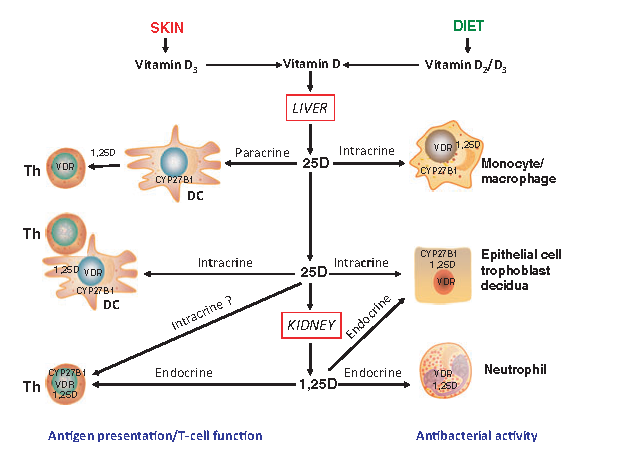
Vitamin D supplements play a critical role in modulating your immune system’s response to pathogens and inflammation—making them valuable for year-round immune support. This nutrient directly influences the production of antimicrobial peptides like cathelicidin and defensins, which form your first line of defense against viruses, bacteria, and fungi at mucosal surfaces throughout your respiratory and digestive tracts.
Enhancing Your Natural Infection Fighters
When you take vitamin D supplements consistently, you’re supporting your body’s ability to produce these natural infection-fighting compounds that patrol your airways and gut lining. Without adequate vitamin D, this critical defense mechanism weakens significantly, leaving you more vulnerable to common respiratory infections. Research shows that maintaining sufficient vitamin D levels through supplementation can reduce your risk of acute respiratory infections by up to 50% if you start with a deficiency.
Calming Overactive Immune Responses
Vitamin D supplements also serve the important purpose of tempering inappropriate immune reactions that can lead to autoimmune disorders or excessive inflammation. If you struggle with conditions like rheumatoid arthritis or inflammatory bowel disease, proper vitamin D status—achieved through appropriate supplementation—may help reduce symptom severity by promoting immune balance. This regulatory function explains why many healthcare providers routinely test vitamin D levels in patients with autoimmune conditions.
Who Absolutely Needs Vitamin D Supplements
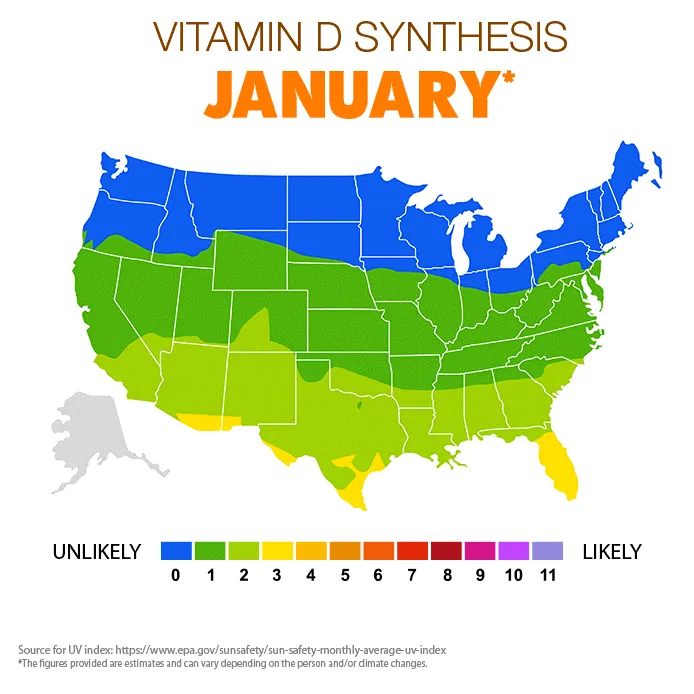
While many adults benefit from seasonal vitamin D supplementation, certain populations require year-round supplementation due to consistently elevated deficiency risk. Recognizing whether you fall into a high-risk category helps determine your specific supplementation needs.
Geographic and Lifestyle Risk Factors
If you live above 37 degrees latitude (which includes most of the United States north of Atlanta), your body cannot produce meaningful vitamin D from sunlight between October and March. Office workers who spend 90% of their time indoors, night shift employees, and individuals who cover their skin for cultural or medical reasons all need supplementation regardless of location. Pro Tip: Even on sunny winter days, the angle of sunlight at northern latitudes prevents sufficient UVB radiation from reaching your skin to trigger vitamin D synthesis.
High-Risk Health Conditions
Certain medical conditions dramatically increase your need for vitamin D supplements. People with obesity require higher doses because vitamin D gets sequestered in fat tissue, making it less available for bodily functions. Those with malabsorption disorders like Crohn’s disease, celiac disease, or cystic fibrosis often need specialized vitamin D formulations to overcome absorption challenges. If you’ve had gastric bypass surgery, your vitamin D requirements increase substantially due to reduced intestinal surface area for absorption.
Choosing the Right Vitamin D Supplement for You

Not all vitamin D supplements deliver equal benefits—understanding the differences ensures you select the most effective option for your specific needs.
Vitamin D3 Outperforms D2 for Long-Term Results
When selecting a supplement, choose vitamin D3 (cholecalciferol) over D2 (ergocalciferol) for superior effectiveness. D3—identical to the form your skin produces from sunlight—raises and maintains your blood levels more efficiently and for longer durations. Studies show D3 is approximately 87% more potent at raising and maintaining vitamin D status compared to D2. Common effective doses include D3 1000, 2000, or 5000 IU depending on your current levels and risk factors.
Finding Your Ideal Supplement Format
Vitamin D supplements come in various formats to accommodate different needs:
– Softgels and capsules: Best for consistent dosing and stability
– Liquid drops: Ideal for children, elderly individuals, or those with swallowing difficulties
– Sublingual tablets: Helpful for people with fat malabsorption issues
– Gummies: Convenient but often contain lower doses and added sugars
Critical Note: Always take your vitamin D supplement with a fat-containing meal (like eggs, yogurt, or avocado) to boost absorption by up to 32%—taking it on an empty stomach significantly reduces effectiveness.
Avoiding Dangerous Mistakes with Vitamin D Supplements
Taking vitamin D supplements incorrectly can lead to serious health complications, making proper administration essential for safety and effectiveness.
Recognizing Dangerous Interactions
Vitamin D supplements interact significantly with certain medications:
– Thiazide diuretics (like hydrochlorothiazide) combined with vitamin D can cause dangerous calcium buildup
– Steroid medications (like prednisone) accelerate vitamin D breakdown, requiring higher supplement doses
– Weight-loss drugs (like orlistat) reduce fat absorption, limiting vitamin D uptake
– Cholesterol medications (like statins) may have reduced effectiveness when taken with high-dose vitamin D
Always consult your healthcare provider about potential interactions before starting supplementation, especially if you take prescription medications regularly.
Spotting Warning Signs of Overdose
While deficiency is common, excessive vitamin D from unmonitored high-dose supplementation can cause hypercalcemia (dangerously high calcium levels). Watch for these critical warning signs:
– Persistent nausea or vomiting
– Excessive thirst and frequent urination
– Confusion or mental fog
– Unexplained bone pain
– Severe muscle weakness
If you experience these symptoms while taking vitamin D supplements, stop immediately and contact your healthcare provider—untreated hypercalcemia can damage your kidneys and cardiovascular system.
Maximizing Supplement Effectiveness Through Proper Use
Taking vitamin D supplements correctly transforms them from a simple pill into a powerful health optimization tool. Follow these evidence-based strategies for best results:
Timing Matters for Optimal Absorption
Take your vitamin D supplement with your largest meal of the day containing fat—research shows this increases absorption by 30-60% compared to taking it on an empty stomach. Morning administration generally works best for most people, aligning with natural circadian rhythms for vitamin D metabolism. If you miss a dose, take it as soon as you remember unless it’s nearly time for your next dose—never double up, as this increases overdose risk.
Monitoring Your Progress for Safety
Get your vitamin D levels tested before starting high-dose supplementation (above 2000 IU daily) and again 3-4 months after beginning. The ideal blood level for most adults falls between 30-50 ng/mL. Regular monitoring prevents both deficiency and toxicity while ensuring you receive optimal benefits. Expert Tip: Request both 25-hydroxyvitamin D and calcium tests together for the most comprehensive assessment of your vitamin D status.
Essential Storage and Safety Practices
Proper storage maintains your vitamin D supplement’s potency while preventing accidental poisoning—especially important in households with children or pets.
Store supplements at room temperature away from direct sunlight and moisture, and always keep them in child-resistant containers out of reach of children. Vitamin D toxicity from accidental ingestion is a leading cause of pediatric supplement poisoning. When disposing of expired supplements, mix them with coffee grounds or cat litter before sealing in a container—never flush them down the toilet where they can contaminate water supplies.
Vitamin D supplements serve the critical purpose of maintaining your body’s ability to absorb calcium, build strong bones, and regulate immune function—essential processes that sunlight alone often fails to support in modern lifestyles. By understanding who needs supplementation, selecting the right form (D3), taking it correctly with fat-containing meals, and monitoring for potential interactions, you transform this simple supplement into a powerful health optimization tool. The key to success lies in personalized dosing based on your specific risk factors, consistent daily intake, and regular blood level monitoring to ensure you stay within the optimal range. When used properly, vitamin D supplementation becomes one of the most effective, evidence-based strategies for supporting long-term skeletal, immune, and overall health.