
You reach for tissues for the third time this week as another sneeze wracks your body—could zinc supplementation have prevented this cold? Millions of people experience zinc deficiency without realizing it, compromising their immune defenses and slowing recovery from everyday illnesses. Understanding the science-backed reasons to take zinc supplements empowers you to make informed decisions about this essential mineral that impacts everything from your immune system to wound healing. This guide cuts through the noise to deliver evidence-based insights on when zinc supplementation provides real benefits and how to use it safely for optimal health outcomes.
Zinc operates behind the scenes in over 300 enzymatic reactions throughout your body, yet many people fall short of meeting their daily requirements through diet alone. Unlike fat-soluble vitamins, your body doesn’t store zinc long-term, making consistent intake crucial for maintaining optimal function. Certain populations—including vegetarians, older adults, and individuals taking specific medications—face greater challenges in maintaining adequate zinc status. Below we’ll explore the clinically supported reasons to take zinc supplements, backed by current research and practical guidance for safe implementation.
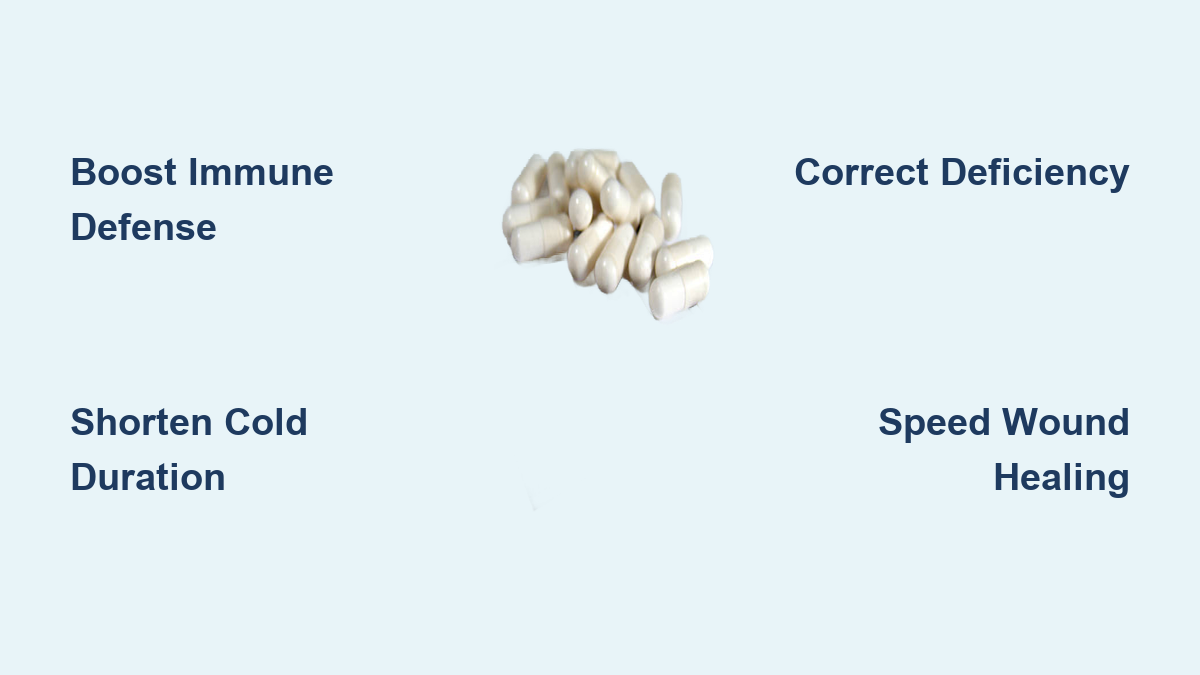
Boost Your Immune Defense Against Infections
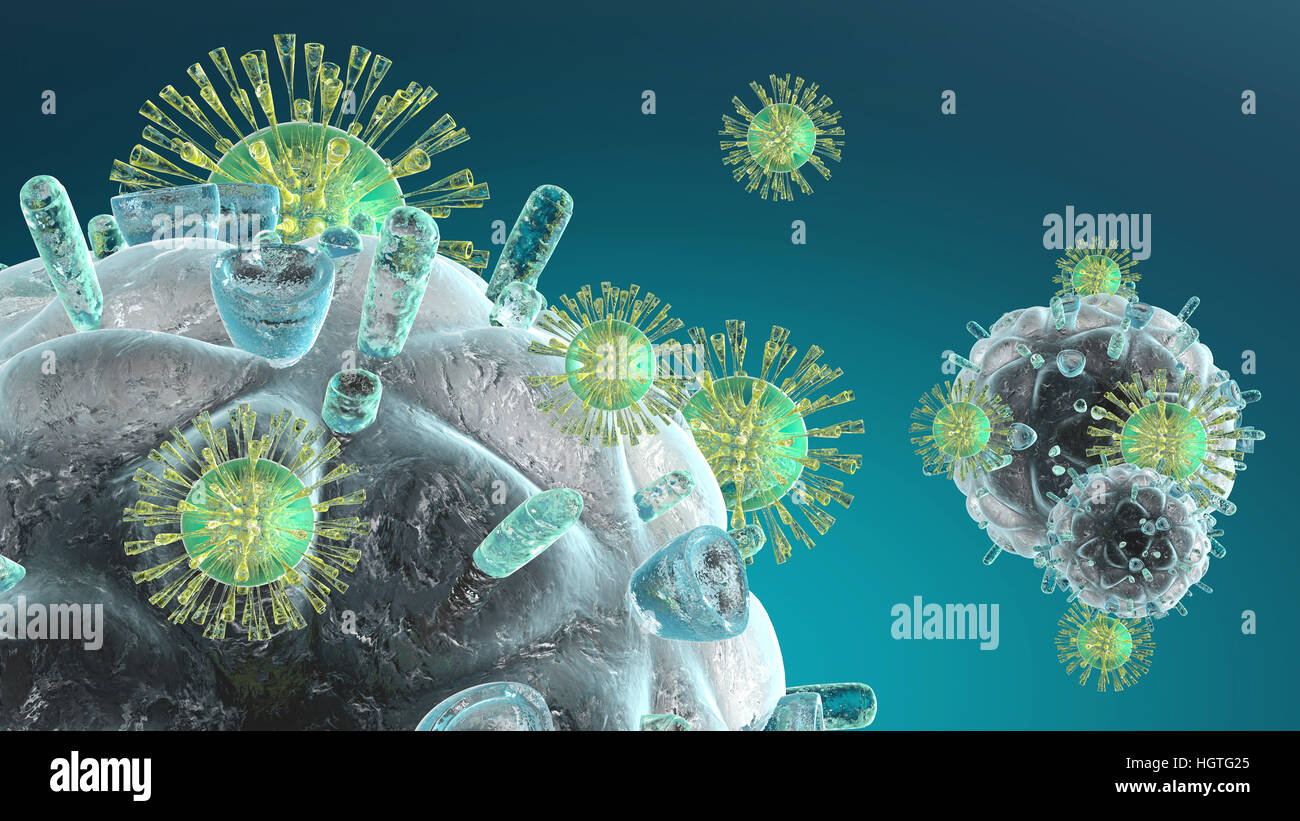
Zinc serves as the cornerstone of your immune system’s functionality, directly influencing how effectively your body fights pathogens. This mineral activates critical immune cells like neutrophils and natural killer cells that form your first line of defense against invaders. Without sufficient zinc, these cells become sluggish and less responsive, leaving you more vulnerable to infections that might otherwise be minor inconveniences. Research consistently shows that individuals with optimal zinc levels experience fewer respiratory infections and recover more quickly when illness strikes.
When your zinc levels dip below optimal, your immune system struggles to mount an effective response to threats. This creates a dangerous cycle where infections become more frequent and severe, further depleting your zinc stores. The good news? Studies demonstrate that restoring zinc levels through supplementation can revitalize immune cell function within days. For those frequently exposed to germs—healthcare workers, teachers, or parents of young children—maintaining optimal zinc status provides a crucial advantage in staying healthy throughout cold and flu season.
How Zinc Activates Your Immune Cells
Zinc triggers the production of signaling molecules called cytokines that coordinate your immune response, ensuring different components of your defense system work together efficiently. It also stabilizes cell membranes, preventing premature cell death during immune battles. Think of zinc as the conductor of your immune orchestra—without it, the various sections play out of sync, resulting in a weaker overall performance against pathogens.
Cut Your Cold Duration by Up to 33%

Taking zinc supplements at the first sign of a cold can significantly reduce how long you suffer, with research showing potential reductions of up to one-third in illness duration. The key is timing—zinc works best when you start taking it within 24 hours of symptom onset, before the virus has fully established itself in your system. Multiple clinical trials confirm that zinc lozenges providing 75mg or more of elemental zinc daily can shorten colds from an average of 7 days down to just 4-5 days for many people.
Zinc’s cold-fighting power comes from its ability to block viral replication in your nasal passages and throat. The mineral interferes with the rhinovirus’s ability to attach to and enter your cells, essentially putting up roadblocks that slow the infection’s spread through your respiratory system. For maximum effectiveness:
- Choose zinc gluconate or zinc acetate lozenges
- Allow each lozenge to dissolve completely over 20-30 minutes
- Take one every 2-3 hours while awake
- Continue for as long as symptoms persist (typically 4-7 days)
Important warning: Avoid intranasal zinc products entirely—these have been linked to permanent loss of smell in some users and offer no additional benefit over oral supplementation.
Correct Hidden Zinc Deficiency Before Symptoms Worsen
Many people operate with suboptimal zinc levels without realizing it, experiencing subtle symptoms that gradually impact their quality of life. Early signs of zinc deficiency include frequent colds, slow wound healing, unexplained hair loss, and diminished sense of taste or smell. Certain populations face higher risks:
- Vegetarians and vegans (plant-based zinc has lower bioavailability)
- Older adults (absorption efficiency declines with age)
- People with digestive disorders like Crohn’s disease
- Those taking medications like ACE inhibitors or diuretics
- Athletes with heavy sweat loss
If you fall into one of these categories, getting your zinc levels checked provides valuable insight into whether supplementation could deliver noticeable improvements. Unlike acute deficiencies that cause severe symptoms, marginal zinc status often flies under the radar while quietly compromising your health. Addressing this hidden deficiency through targeted supplementation can restore energy levels, improve skin health, and strengthen your body’s natural defenses.
Accelerate Wound Healing After Injuries or Surgery
Zinc plays a non-negotiable role in every stage of wound healing, from initial inflammation control to final tissue remodeling. This mineral activates enzymes that build collagen—the structural protein essential for strong, flexible new tissue. Without adequate zinc, your body struggles to close wounds properly, increasing the risk of infection and poor scarring. Surgical patients with optimal zinc levels typically experience faster recovery times and fewer complications.
For individuals recovering from procedures or injuries, maintaining sufficient zinc intake provides measurable benefits:
– Reduces time for surgical incisions to heal by up to 30%
– Decreases risk of post-operative infections
– Improves strength of healed tissue
– Supports healthy scar formation
Pro tip: Pair zinc supplementation with adequate protein intake for maximum wound healing benefits—these nutrients work synergistically to rebuild damaged tissue.
Meet Increased Zinc Needs During Pregnancy
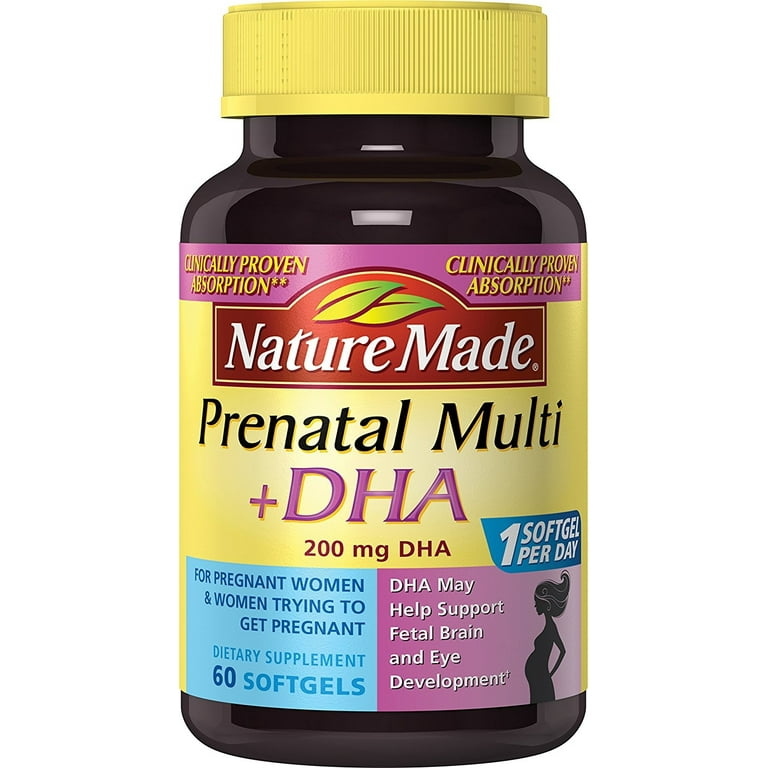
Pregnant women require 50% more zinc than non-pregnant adults to support rapid fetal development and prepare for breastfeeding. This mineral contributes to proper neural tube formation during early pregnancy and supports healthy growth throughout gestation. Unfortunately, many prenatal vitamins contain insufficient zinc, leaving expectant mothers vulnerable to deficiency without additional supplementation.
Zinc deficiency during pregnancy correlates with increased risks of:
– Preterm delivery
– Low birth weight
– Impaired immune function in newborns
– Delayed fetal growth
Work with your obstetrician to determine appropriate zinc supplementation during pregnancy—typically 11-15mg daily from supplements in addition to dietary sources. Avoid exceeding 40mg daily without medical supervision, as excessive zinc can interfere with copper absorption.
Avoid Dangerous Drug-Nutrient Interactions
Zinc supplementation requires careful timing if you take certain medications, as improper scheduling can compromise treatment effectiveness. The most significant interactions occur with:
- Antibiotics: Zinc binds to tetracycline and quinolone antibiotics in your digestive tract, reducing absorption by up to 50%. Take antibiotics at least 2 hours before or 4-6 hours after zinc supplements.
- Penicillamine: Used for rheumatoid arthritis and Wilson’s disease, this medication loses effectiveness when taken with zinc. Separate doses by at least 1 hour.
- Diuretics: Thiazide diuretics increase zinc excretion—monitor levels if on long-term therapy.
Critical reminder: Never stop prescribed medications to take zinc supplements. Consult your healthcare provider to develop a safe timing schedule that maintains medication effectiveness while addressing zinc needs.
Choose the Right Supplement Form and Dose
Not all zinc supplements deliver equal benefits—bioavailability varies significantly by compound type. For general supplementation, zinc picolinate and zinc citrate offer superior absorption compared to cheaper zinc oxide. If addressing deficiency, zinc sulfate provides high elemental zinc content at lower cost but may cause more stomach upset.
Daily dosing guidelines:
– Adult men: 11mg total (diet + supplements)
– Adult women: 8mg total
– Pregnant women: 11mg total
– Upper safety limit: 40mg daily
Smart strategy: Take zinc supplements with food to minimize stomach upset, but avoid high-fiber meals that can reduce absorption. Separate doses from calcium or iron supplements by at least 2 hours for optimal uptake.
Recognize When to Stop Supplementation
Zinc supplementation isn’t meant for indefinite use without monitoring—long-term excessive intake creates new health problems. Watch for these warning signs that indicate you should pause supplementation:
– Metallic taste in mouth
– Nausea or stomach cramps
– Headaches
– Copper deficiency symptoms (fatigue, pale skin, frequent infections)
Most people benefit from cycling zinc supplementation—taking it consistently for 2-3 months, then pausing for a month while monitoring how they feel. Periodic blood tests help ensure you’re maintaining optimal levels without tipping into excess.
Final Note: The most compelling reasons to take zinc supplements center on supporting immune function, shortening cold duration, correcting deficiency, accelerating wound healing, and meeting increased needs during pregnancy. For optimal results, choose highly bioavailable forms like zinc picolinate, stay within the 40mg daily safety limit, and coordinate timing with any medications you take. Always consult your healthcare provider before starting zinc supplementation, especially if you have underlying health conditions or take prescription medications—this simple step ensures you receive personalized guidance for safe, effective use of this essential mineral.