

If you’re using GLP-1 medications for weight loss, you’ve likely encountered nutrient depletion issues that leave you feeling fatigued or sluggish. Replenza Daily GLP-1 Nutritional Support Supplement has emerged as a popular solution with its comprehensive blend of 22 vitamins, minerals, enzymes, and probiotics specifically designed for GLP-1 users. With over 1,100 customer reviews averaging 4.4 stars, this supplement addresses genuine nutritional gaps many experience during GLP-1 therapy. However, understanding potential Replenza supplement side effects is crucial before adding it to your regimen. This guide details everything from common digestive adjustments to serious allergen warnings, helping you navigate potential reactions while maximizing the benefits of this nutritional support.
Gastrointestinal Reactions to Replenza’s Magnesium Content
:max_bytes(150000):strip_icc()/magnesium-for-constipation-and-ibsc-1944780_v2-066a0568509b46c497e2fce339b8868e.png)
The most frequently reported Replenza supplement side effects involve digestive system adjustments, particularly during the first 1-2 weeks of use. Magnesium, a key mineral in the formulation, can cause loose stools or abdominal cramping in sensitive individuals, especially when taken at higher doses than the body is accustomed to processing. This reaction occurs because magnesium draws water into the intestines, which can accelerate bowel movements and cause temporary discomfort.
Timing Your Dose to Reduce Digestive Discomfort
Taking Replenza with a substantial meal containing healthy fats significantly reduces gastrointestinal side effects. Food provides a buffer for concentrated nutrients and slows digestive transit time, allowing your body to process the magnesium more gradually. Many users report that separating their Replenza dose from other magnesium-containing supplements or high-magnesium foods (like leafy greens or nuts) prevents overwhelming the digestive system. If you continue experiencing loose stools after a week, consider taking just one tablet daily for 3-5 days before returning to the full dose of two tablets.
B-Vitamin Related Effects and Management Strategies

The comprehensive B-complex profile in Replenza, including B1, B2, B3, B6, B12, folate, biotin, and pantothenic acid, provides essential nutritional support but may cause distinct reactions in some users. High-dose niacin (Vitamin B3) commonly triggers temporary skin flushing—a harmless but surprising sensation of warmth and redness that typically resolves within 30 minutes as your body processes the nutrient.
Preventing B-Vitamin Headaches and Metallic Taste
Nausea or an unpleasant metallic taste, particularly with zinc supplementation, often occurs when taking Replenza on an empty stomach. To prevent these reactions:
– Always take Replenza with a meal containing protein and healthy fats
– Drink an extra glass of water immediately after taking your dose
– Avoid taking it with citrus juices that may exacerbate metallic taste
– Consider taking your dose earlier in the day rather than in the evening
Most users find these symptoms diminish completely within 10-14 days as their body adjusts to the consistent nutrient intake. Staying well-hydrated throughout the day supports your body’s ability to process the increased nutrient load efficiently.
Ashwagandha-Induced Drowsiness and Timing Solutions
Replenza includes ashwagandha powder, an adaptogenic herb traditionally used for stress support, but this ingredient carries specific side effects that affect daily functioning. Drowsiness represents one of the more common ashwagandha-related Replenza supplement side effects, which explains why the herb is often used to support sleep and relaxation.
Managing Daytime Fatigue from Ashwagandha
If you experience significant drowsiness after starting Replenza:
– Shift your dose to the evening rather than taking it in the morning
– Avoid combining with other sedating substances like alcohol or antihistamines
– Monitor your reaction for 3-5 days before deciding to discontinue
– Consider taking only one tablet daily if drowsiness persists
This sedative effect can be beneficial for individuals experiencing stress-related fatigue during GLP-1 treatment, but it may interfere with alertness required for driving, operating machinery, or work tasks requiring concentration. The good news is that most users report this side effect diminishes after the first week as their body adapts to the herb.
Wheat and Soy Allergen Reactions in Sensitive Individuals

Replenza contains two major allergens that affect a significant portion of the population, making allergen awareness critical for preventing serious adverse reactions. The wheat component in Replenza presents concerns for individuals with celiac disease or severe wheat allergies, while soy allergens range from mild to potentially life-threatening reactions.
Identifying Allergic Reactions to Replenza
Watch for these symptoms that may indicate an allergic reaction to wheat or soy:
– Tingling or itching in the mouth
– Hives or skin rash
– Swelling of lips, face, or throat
– Difficulty breathing
– Digestive distress (cramps, diarrhea, nausea)
If you have celiac disease or a diagnosed wheat allergy, Replenza is not appropriate for you regardless of its other benefits. The product does not carry gluten-free certification, making it unsafe for those following a strict gluten-free diet. For soy allergies, even small amounts can trigger reactions in sensitive individuals, so those with known soy allergies should avoid this supplement entirely without first consulting an allergist.
Blood Thinner Interactions with Replenza’s Vitamin K2
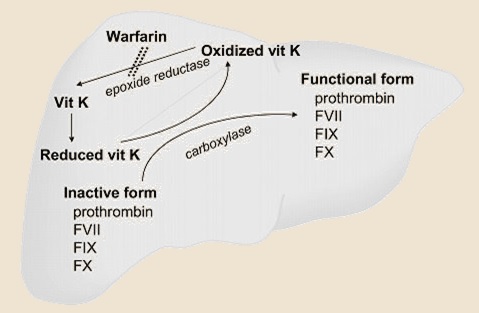
Vitamin K2 (menaquinone-7) in Replenza poses significant considerations for individuals taking anticoagulant medications such as warfarin, heparin, or newer oral anticoagulants. Vitamin K directly counteracts the blood-thinning effects of these medications, potentially rendering them less effective and increasing the risk of blood clots.
Critical Steps for Blood Thinner Users
If you’re taking any blood-thinning medication:
– Do not start Replenza without explicit approval from your prescribing physician
– Schedule more frequent INR monitoring if you begin taking Replenza
– Maintain consistent vitamin K intake—don’t skip doses once you start
– Never adjust your blood thinner dose based on Replenza use without medical supervision
Antiplatelet medications, including aspirin and clopidogrel, also warrant caution when combined with Replenza due to the vitamin K2 content. The interaction risk is lower than with prescription anticoagulants, but the combination may alter bleeding risk in unpredictable ways.
Antibiotic Interference with Replenza’s Mineral Content
Zinc and calcium in Replenza can interfere with the absorption of certain antibiotics when taken simultaneously. Quinolone antibiotics (like ciprofloxacin) and tetracycline antibiotics bind to these minerals in the digestive tract, preventing proper antibiotic absorption and potentially reducing treatment effectiveness.
Timing Protocol for Antibiotic Users
If you require antibiotic treatment while taking Replenza:
– Separate your antibiotic doses from Replenza by at least 2 hours before and after
– Consider temporarily pausing Replenza during your antibiotic course
– Never take Replenza within 4 hours of thyroid medication
– Consult your pharmacist about specific timing for your particular antibiotic
This timing protocol ensures adequate medication absorption while maintaining proper treatment effectiveness. The same principle applies to thyroid medications, as calcium significantly reduces the absorption of thyroid hormone replacements like levothyroxine.
Diabetes Medication Considerations with Replenza
Some ingredients in Replenza may affect blood sugar levels, potentially enhancing or reducing the effects of diabetes medications. Ashwagandha has demonstrated blood sugar-lowering effects in some studies, which could theoretically increase the risk of hypoglycemia when combined with insulin or oral hypoglycemic agents.
Blood Sugar Monitoring Protocol
Individuals managing diabetes should:
– Increase blood glucose monitoring frequency when starting Replenza
– Keep fast-acting carbohydrates readily available
– Document any unusual blood sugar patterns in a log
– Work with your healthcare provider to adjust medication doses if necessary
The comprehensive B-vitamin profile may also support nerve health and energy metabolism, potentially offering benefits that outweigh the monitoring requirements for many diabetic patients on GLP-1 medications.
Proven Strategies to Minimize Replenza Side Effects
Taking proactive steps to minimize potential side effects allows most users to benefit from Replenza’s comprehensive nutritional support while avoiding unnecessary discomfort. These evidence-based strategies address the most common issues reported by users and align with best practices for supplement introduction.
Gradual Introduction Protocol
Rather than starting with the full recommended dose:
– Begin with one tablet daily for the first 5-7 days
– Monitor your body’s response before adding the second tablet
– Take your dose with your largest meal of the day
– Stay hydrated with at least 8 ounces of water immediately after dosing
This gradual approach gives your digestive system time to adapt to the comprehensive nutrient profile. Many users report significantly fewer adjustment symptoms when implementing this protocol, particularly those with sensitive digestive systems.
When to Discontinue Replenza Immediately
While most Replenza supplement side effects are mild and temporary, certain reactions require immediate discontinuation and medical attention. Recognizing the difference between normal adjustment symptoms and signs of a genuine problem protects your health while allowing you to continue supplementation when appropriate.
Discontinue Replenza immediately and seek medical attention if you experience:
– Difficulty breathing or swallowing
– Swelling of the face, lips, tongue, or throat
– Hives or widespread rash
– Persistent vomiting or diarrhea lasting more than 48 hours
– Unusual bruising or bleeding that doesn’t stop
Temporary mild bloating or gas during the first week is normal, but symptoms that interfere with daily activities, cause dehydration, or persist beyond two weeks suggest the need to discontinue use and consult a healthcare provider.
Making Your Final Decision on Replenza Use
Weighing the potential benefits of Replenza against its possible side effects requires honest assessment of your individual health status, medications, allergies, and nutritional needs. The supplement addresses genuine nutritional gaps that GLP-1 users often experience, and many individuals tolerate it well with minimal issues. However, the comprehensive formulation also means more potential for interactions and reactions compared to simpler single-nutrient supplements.
Before adding Replenza to your regimen:
– Review your complete medication list with a pharmacist
– Check for wheat or soy allergies that would contraindicate use
– Consult your healthcare provider if you have chronic health conditions
– Start with the gradual introduction protocol to assess tolerance
Understanding potential Replenza supplement side effects empowers you to use this nutritional support safely and effectively during your GLP-1 journey. With proper precautions and monitoring, most users can enjoy the benefits of comprehensive nutrient replenishment while minimizing any temporary discomfort during the adjustment period.