
Imagine reaching for a natural supplement that not only enhances your focus during demanding workdays but also strengthens your hair and protects your skin from environmental damage—all from a single source. Rosemary supplements are delivering exactly that promise, with scientific research validating what traditional healers have known for centuries about this Mediterranean herb’s remarkable properties. Unlike fleeting wellness trends, rosemary extract offers evidence-based rosemary supplement benefits that target multiple aspects of your health simultaneously, from sharpening cognitive function to promoting thicker hair growth and shielding your skin from oxidative stress.
Recent studies reveal rosemary’s active compounds like rosmarinic acid and carnosic acid cross the blood-brain barrier to directly support neural health, while topical applications increase scalp circulation by up to 20%—making this ancient herb a modern powerhouse for holistic wellness. If you’re tired of juggling multiple supplements for different concerns, understanding how to properly harness rosemary’s multifaceted benefits could simplify your regimen while delivering tangible results. This guide cuts through the hype to show you exactly how rosemary supplementation works, which benefits have scientific backing, and crucial safety considerations you must know before adding it to your routine.
Why Rosemary Improves Memory and Cognitive Function
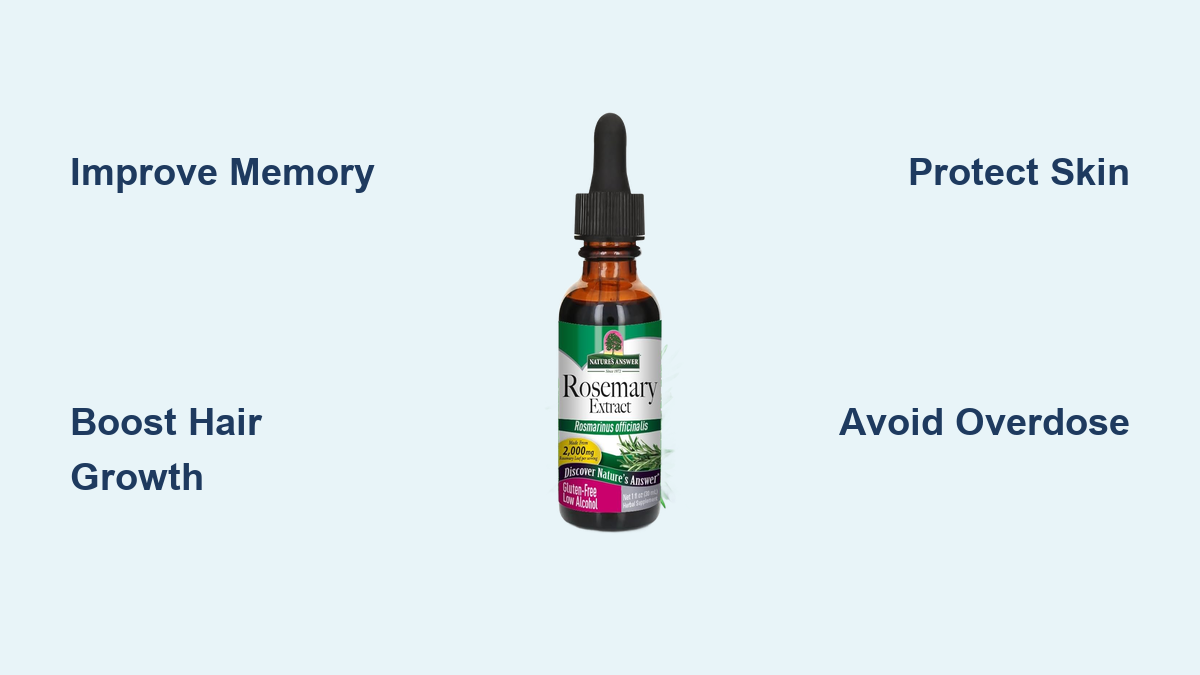
Research confirms that taking rosemary by mouth delivers measurable cognitive benefits, particularly for memory enhancement in adults. Clinical studies show that standardized rosemary extract significantly improves both immediate and delayed word recall in healthy young adults, with effects becoming noticeable after consistent daily use. The active compounds rosmarinic acid and carnosic acid penetrate the blood-brain barrier, where they exert dual action—neutralizing damaging free radicals while enhancing acetylcholine availability, the neurotransmitter essential for learning and memory formation.
Unlike fleeting cognitive boosters, rosemary’s memory benefits build over time with regular supplementation. Users typically report improved focus and mental clarity within 2-4 weeks of consistent daily dosing. For maximum cognitive support, take your rosemary supplement with breakfast to maintain steady blood levels throughout your most mentally active hours. Avoid common mistakes like expecting immediate results or using aromatherapy alone—while inhaling rosemary essential oil may provide temporary alertness, the research shows oral supplementation delivers more consistent and lasting memory enhancement.
Accelerate Hair Growth with Targeted Rosemary Application

When applied topically, rosemary oil stimulates hair follicles by increasing scalp circulation by up to 20%, significantly improving nutrient delivery to hair roots. Clinical trials demonstrate that consistent twice-daily application of diluted rosemary oil produces comparable results to 2% minoxidil (Rogaine) for treating androgenetic alopecia after 6 months, but without the potential side effects like scalp irritation or unwanted facial hair growth.
For best results, follow this proven hair growth protocol:
– Mix 5 drops of rosemary essential oil with 1 tablespoon of carrier oil (jojoba or coconut)
– Massage thoroughly into scalp for 3-5 minutes daily
– Leave on for minimum 30 minutes before washing (overnight application yields superior results)
– Continue treatment for at least 6 months to see significant improvement
Don’t make the mistake of applying undiluted rosemary oil directly to your scalp—this often causes irritation that counteracts potential benefits. Those with sensitive skin should start with lower concentrations (3 drops per tablespoon) and gradually increase as tolerated. Visible results typically appear between 3-6 months, as rosemary works by extending the hair growth phase rather than providing immediate cosmetic effects.
Shield Your Skin from Damage with Rosemary’s Antioxidant Power
Rosemary extract provides powerful protection against UV-induced skin damage through its concentrated antioxidant compounds, particularly carnosic acid and ursolic acid. When applied topically, these compounds neutralize free radicals generated by sun exposure before they can break down collagen and elastin fibers—key structural proteins that keep skin firm and youthful. While rosemary shouldn’t replace sunscreen, it significantly enhances your skin’s natural defense system when used alongside conventional sun protection.
For optimal skin protection:
– Look for serums containing 2-5% rosemary extract
– Apply after cleansing but before moisturizer in morning routine
– Combine with vitamin C for synergistic antioxidant protection
– Use consistently for at least 8 weeks to see measurable improvement in skin texture
Oral rosemary supplements provide systemic antioxidant benefits that support skin health from within, reducing inflammation and promoting cellular repair processes. Those concerned about aging skin should combine both topical application and oral supplementation for comprehensive protection—this dual approach targets both surface damage and underlying cellular processes that contribute to visible aging.
Avoid These Dangerous Rosemary Supplement Mistakes
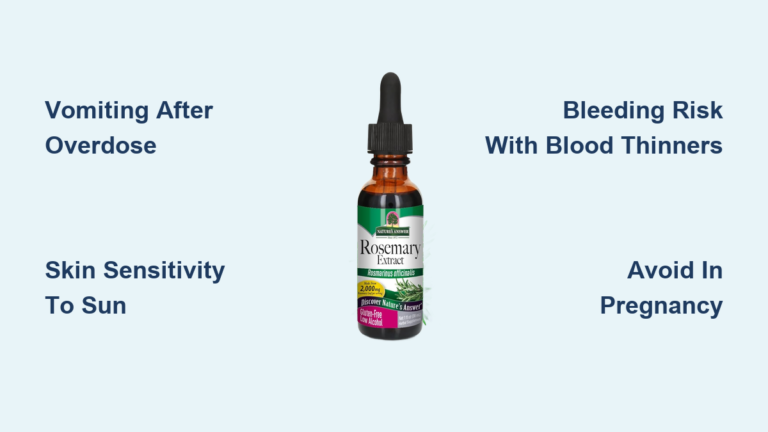
Taking undiluted rosemary oil orally represents one of the most serious and preventable risks associated with rosemary supplementation. Pure rosemary essential oil contains concentrated compounds that can cause severe vomiting, kidney damage, and even seizures when ingested directly. Always use only food-grade rosemary supplements designed for internal consumption, never therapeutic-grade essential oils.
Additional critical safety considerations:
– Photosensitivity risk: High-dose rosemary supplements can increase sun sensitivity—always wear SPF 30+ when supplementing
– Allergy testing: Perform a patch test before topical use, especially if you have mint family allergies
– Duration limits: Current evidence supports safe use for up to 8 weeks—take 2-week breaks after each 8-week cycle
– Quality verification: Choose supplements with third-party testing certifications to avoid contaminants
Don’t assume “natural” means completely safe—rosemary’s potent bioactive compounds require respectful dosing and appropriate formulations to deliver benefits without adverse effects.
Critical Medication Interactions You Must Check
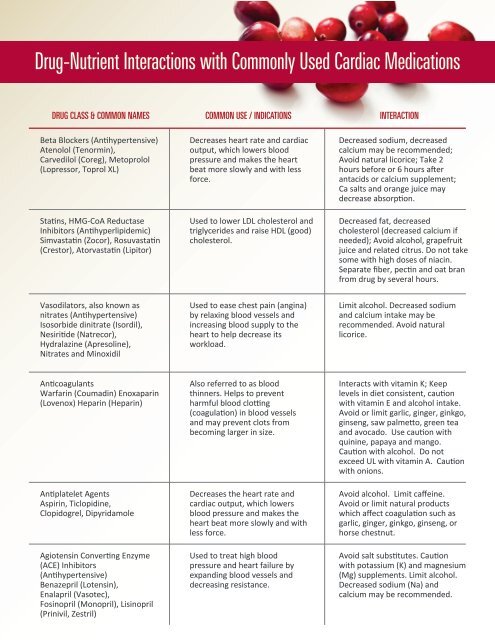
Rosemary’s blood-thinning properties create dangerous interactions with common medications that many users overlook. If you take any of these medications, consult your doctor before using rosemary supplements:
Blood Thinners and Antiplatelet Drugs
Rosemary significantly amplifies bleeding risk when combined with:
– Warfarin (Coumadin)
– Aspirin therapy
– Clopidogrel (Plavix)
– Apixaban (Eliquis)
Even small supplemental doses can cause dangerous bruising or bleeding episodes. Those on blood thinners should avoid rosemary supplements entirely unless specifically approved by their cardiologist with appropriate monitoring.
Diabetes Medications
Rosemary’s blood sugar-lowering effects can cause dangerous hypoglycemia when combined with:
– Insulin
– Metformin
– Sulfonylureas (glipizide, glyburide)
If using rosemary while managing diabetes, monitor blood glucose twice daily and watch for symptoms of low blood sugar. Your healthcare provider may need to adjust medication dosages.
Pregnancy and Special Population Warnings
Medicinal rosemary doses pose significant risks during pregnancy that many expectant mothers don’t realize. Unlike culinary use (which remains safe), concentrated supplements and essential oils can stimulate uterine contractions and potentially trigger miscarriage. Pregnant women should strictly avoid all rosemary supplements and limit use to normal food seasoning amounts only.
Additional high-risk groups requiring special precautions:
– Breastfeeding mothers: Insufficient safety data exists—limit to food amounts
– Aspirin allergy sufferers: Rosemary contains salicylate compounds that may trigger reactions
– Seizure disorder patients: High doses may lower seizure threshold
– Bleeding disorder patients: Rosemary’s antiplatelet effects increase hemorrhage risk
If you fall into any high-risk category, consult your healthcare provider before using rosemary supplements—even “natural” products require medical oversight when managing health conditions.
Choosing Effective Rosemary Supplements That Actually Work

Not all rosemary supplements deliver the promised rosemary supplement benefits due to significant quality variations in the marketplace. Look for these critical quality indicators when selecting a product:
- Standardized extracts: Choose supplements specifying rosmarinic acid content (minimum 20%)
- Third-party verification: Look for USP, NSF, or ConsumerLab certification seals
- Transparent labeling: Avoid products listing only “proprietary blend” without active compound percentages
- Reputable manufacturers: Research company history and manufacturing practices
Avoid products making exaggerated health claims like “cures memory loss” or “reverses baldness”—legitimate supplements state benefits within evidence-based parameters. Liquid extracts typically offer better absorption than capsules but check alcohol content if you have sensitivities.
Maximize Your Rosemary Supplement Results
For cognitive benefits, take your rosemary supplement with breakfast for sustained daytime effects—morning dosing aligns with peak cognitive demands and avoids potential sleep disruption. Consistency matters more than timing; establish a daily habit for at least 8 weeks to assess effectiveness.
Hair growth requires patience—visible results typically appear between 3-6 months of consistent twice-daily topical application. Don’t skip applications during this critical growth cycle phase, as interrupted use resets progress. Pair rosemary with scalp massage to further enhance circulation and follicle stimulation.
Track your progress with photos and notes to objectively evaluate results, especially for hair growth where changes occur gradually. Most users experience optimal benefits after 3-4 months of consistent use, making documentation essential for determining whether rosemary delivers meaningful results for your specific needs.
Final Note: Rosemary supplements offer scientifically supported benefits for cognitive function, hair growth, and skin protection when used correctly. By selecting quality products, following proper dosing protocols, and respecting important safety considerations, you can harness this ancient herb’s modern therapeutic potential safely and effectively. Always consult your healthcare provider before starting any new supplement regimen, especially if managing health conditions or taking medications.