
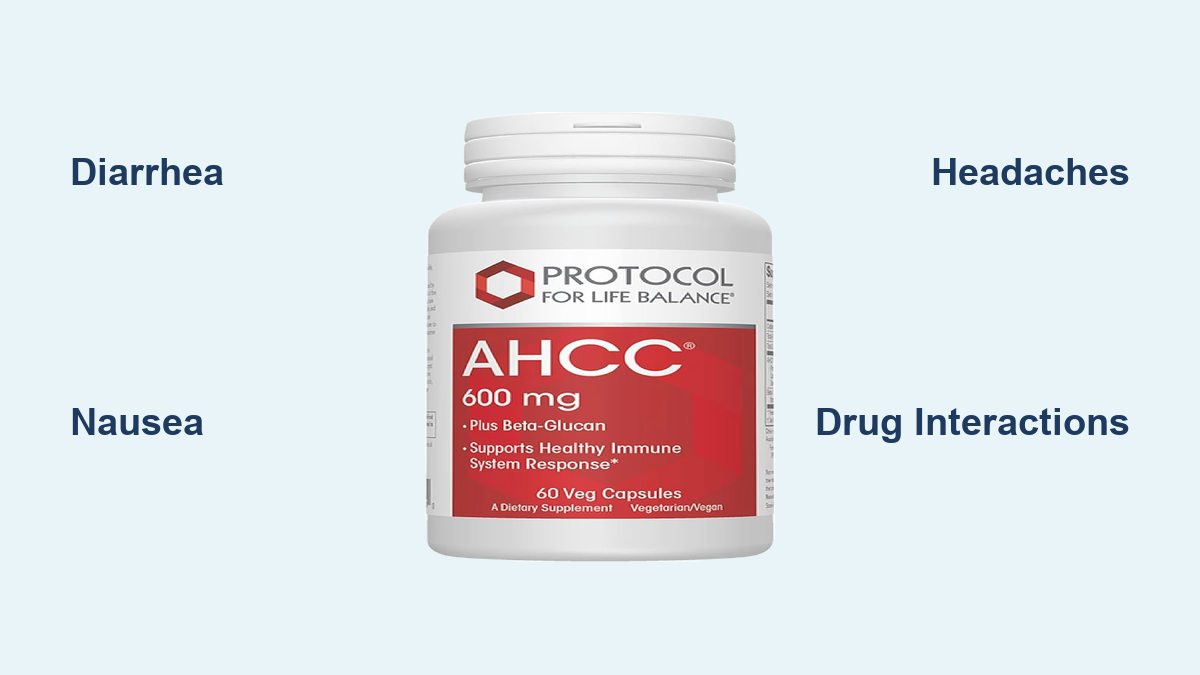

If you’re considering AHCC supplements for immune support, you’re not alone—this shiitake mushroom extract has been used in Japan for over 15 years and is increasingly popular worldwide. While AHCC offers potential benefits for immune function and cancer support, understanding its side effect profile is crucial for safe supplementation. Research shows AHCC generally has a favorable safety profile, but no supplement is completely risk-free. This guide cuts through the confusion to give you clear, evidence-based information about the side effects of AHCC supplements so you can make an informed decision about whether it’s right for your health needs.
Clinical studies consistently report that most AHCC side effects are mild and temporary, with approximately 85% of users tolerating even high doses (9 grams daily) without significant issues. However, knowing what to expect and how to minimize potential problems can make your supplementation experience much smoother. Whether you’re using AHCC for general immune support or as part of cancer treatment, this comprehensive overview will help you navigate potential side effects while maximizing benefits.
Most Common AHCC Side Effects You Might Experience

Gastrointestinal issues represent the most frequent side effects reported by AHCC users across multiple clinical studies. Understanding these common reactions helps you distinguish between normal adjustment periods and symptoms that may require attention.
Diarrhea and Digestive Upset from AHCC
Diarrhea stands as the most frequently documented side effect of AHCC supplementation. This effect appears to be dose-dependent, with higher doses (particularly 9 grams daily) correlating with increased likelihood of loose or watery bowel movements. The good news? This symptom is typically mild and self-limiting—most users find their digestive system adapts within the first week of continued use. Researchers attribute this effect to AHCC’s unique oligosaccharide composition, which can influence gut fermentation processes. If you experience this common side effect, consider reducing your dose temporarily rather than discontinuing supplementation altogether.
Nausea and Stomach Discomfort with Liquid AHCC
Nausea presents another significant gastrointestinal side effect, particularly with liquid AHCC formulations. In one clinical trial, approximately 7% of participants discontinued use specifically due to nausea and intolerance of the liquid preparation. This reaction typically occurs during the initial days of supplementation and diminishes as your body adjusts. Taking AHCC with food rather than on an empty stomach can substantially reduce nausea for sensitive individuals. If nausea persists, switching to the granular AHCC-FG formulation (which includes candelilla wax and microcrystalline cellulose to reduce gastric contact) may provide better tolerability.
Bloating and Gas Issues Explained
Bloating represents another frequently reported digestive side effect among AHCC users. Like diarrhea and nausea, this symptom is generally mild and doesn’t typically require medical intervention or supplement discontinuation. Users often describe it as a sensation of abdominal fullness or pressure that resolves within several days of continued use. The bloating phenomenon likely relates to AHCC’s oligosaccharide content affecting intestinal motility and fermentation. Staying well-hydrated and introducing AHCC gradually (starting with lower doses) can help minimize this uncomfortable but temporary side effect.
Less Common But Notable AHCC Side Effects
While gastrointestinal symptoms dominate the side effect profile, research has documented several other potential reactions you should be aware of before starting AHCC supplementation.
Skin Reactions Like Itching After Taking AHCC
Mild itching has been reported as a dermatological side effect in clinical evaluations of AHCC. This reaction is typically transient, resolving without specific treatment, and may represent a mild hypersensitivity response in susceptible individuals. Importantly, no severe skin reactions like rash, hives, or angioedema have been commonly reported in the scientific literature. If you experience persistent or worsening itching, discontinue use and consult your healthcare provider to rule out allergic reactions.
Headaches and Fatigue Reported by Some Users
Headache has been documented as an adverse effect occurring in a minority of clinical trial participants. These headaches are generally mild and self-limiting, often resolving without intervention. Similarly, fatigue has been reported as a side effect, though incidence appears low and the effect is typically temporary. Both symptoms may represent general adaptive responses to supplementation. If you experience persistent headaches or significant fatigue, evaluate whether symptoms correlate with your AHCC dosing schedule.
Foot Cramps: An Unexpected AHCC Side Effect
An unusual but documented side effect reported in clinical trials includes foot cramps occurring during AHCC supplementation. While this reaction appears rare, its occurrence in controlled studies confirms some users may experience muscle-related symptoms. The relationship between AHCC and muscle cramping remains unclear—it may be coincidental or related to individual factors like hydration status or electrolyte balance. If you experience foot cramps or other muscle symptoms, consider whether they correlate with supplementation timing and discuss persistent issues with your healthcare provider.
Critical AHCC Drug Interactions You Must Know
Understanding potential drug interactions represents the most crucial safety consideration for AHCC users, especially those managing serious health conditions or taking prescription medications.
How AHCC Reduces Effectiveness of Doxorubicin and Ondansetron
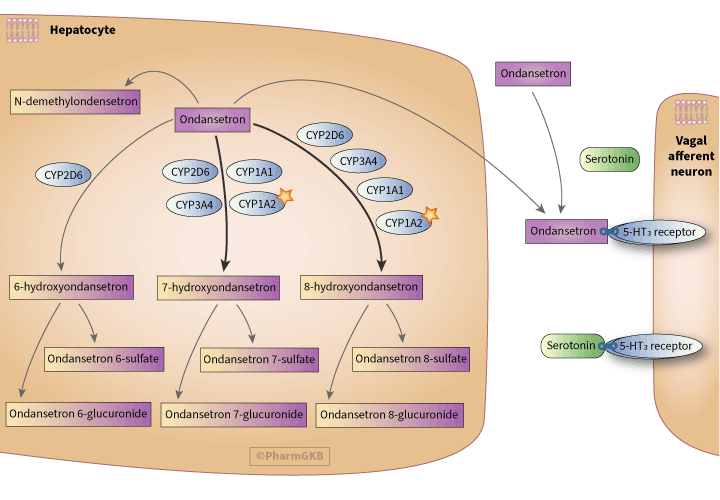
AHCC has been demonstrated to induce the cytochrome P450 enzyme CYP2D6, which can decrease the activity of medications metabolized through this pathway. This interaction carries significant implications for cancer patients, as it may reduce the effectiveness of doxorubicin (a common chemotherapy drug) and ondansetron (used to prevent chemotherapy-induced nausea). For patients relying on these medications, reduced efficacy could compromise treatment outcomes or paradoxically worsen nausea symptoms. Cancer patients should discuss AHCC use specifically with their oncology team before starting supplementation.
Why Cancer Patients Taking Aromatase Inhibitors Should Be Cautious
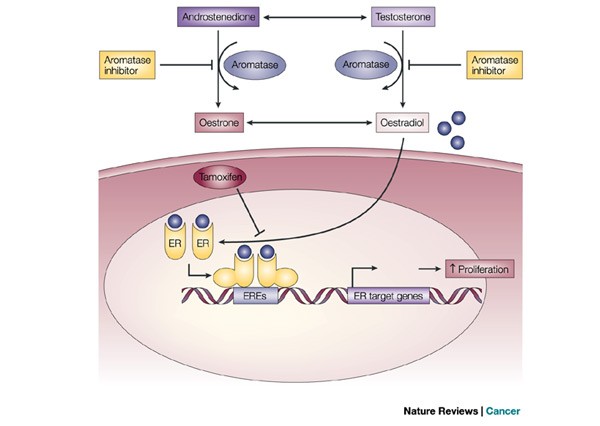
AHCC has also been shown to induce aromatase, the enzyme responsible for converting androgens to estrogens. This creates direct implications for patients taking aromatase inhibitors like letrozole (Femara) or anastrozole (Arimidex) for hormone receptor-positive breast cancer. Reduced effectiveness of these critical medications could have serious consequences for disease management. While the clinical significance of this interaction requires further study, patients on these medications should consult their oncologist before adding AHCC to their regimen.
How to Discuss AHCC with Your Healthcare Provider
Always inform all healthcare providers about AHCC supplementation, particularly when undergoing treatment for cancer or other serious conditions. Bring a complete list of your medications and supplements to appointments, and specifically mention AHCC when discussing new prescriptions. Your provider can monitor for potential interactions and adjust treatment plans as needed to ensure your safety while maximizing therapeutic benefits.
Minimizing AHCC Side Effects: Practical Strategies
You can significantly improve your tolerance to AHCC supplements by implementing these evidence-based strategies that address the most common side effects.
Choosing Between Liquid and Granular AHCC Formulations
The formulation of AHCC substantially influences tolerability. Liquid AHCC at high doses tends to cause more pronounced gastrointestinal effects, including nausea that leads some users to discontinue use. The granular AHCC-FG formulation, designed with candelilla wax and microcrystalline cellulose additives, reduces direct gastric contact and may offer better tolerance for sensitive individuals. If you experience digestive issues with liquid AHCC, switching formulations could solve your problem without sacrificing benefits.
Starting with Low Doses to Prevent Digestive Issues
Clinical studies show that beginning with a lower dose (3 grams daily) and gradually increasing to the target dose allows your digestive system to adapt. This approach significantly reduces the likelihood and severity of gastrointestinal side effects. Many users find that after 3-7 days at a lower dose, they can comfortably increase to the standard 6-9 gram daily dose without experiencing significant digestive upset.
Best Practices for Taking AHCC to Maximize Tolerance
Taking AHCC with food substantially improves gastrointestinal tolerance for most users. The presence of food in your stomach buffers the supplement and slows absorption, reducing the likelihood of nausea and digestive upset. Additionally, splitting your daily dose into two or three smaller servings taken throughout the day can further minimize side effects while maintaining consistent blood levels of active compounds. If you experience persistent side effects despite these strategies, consult your healthcare provider about whether AHCC is appropriate for your individual health profile.
Key Takeaway: AHCC supplements generally have a favorable safety profile with mostly mild, transient side effects affecting about 20% of users. However, potential drug interactions—particularly with cancer medications—require serious consideration. By understanding what side effects to expect, how to minimize them, and when to consult your healthcare provider, you can make informed decisions about incorporating AHCC into your health regimen while maximizing benefits and minimizing risks. Always discuss supplement use with your healthcare team, especially if you have serious health conditions or take prescription medications.