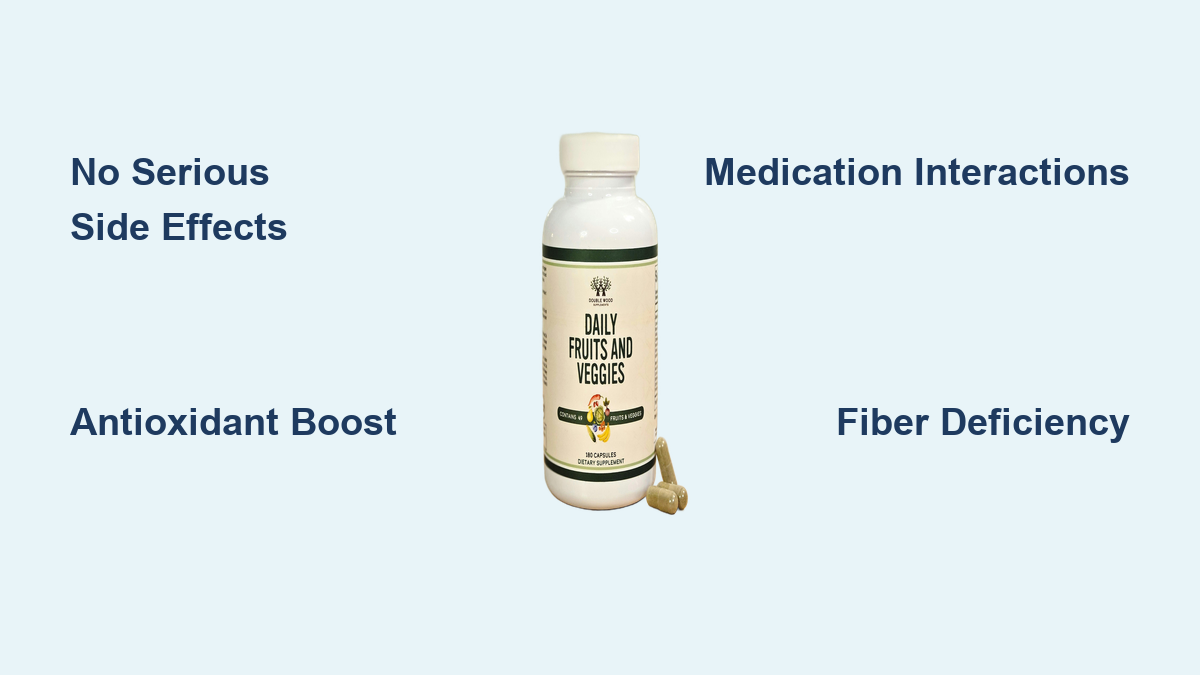

You’ve probably seen the vibrant green powders, convenient capsules, and juice concentrates promising to deliver your daily fruit and vegetable requirements in one simple serving. With busy schedules making it challenging to consume the recommended 5-9 servings of produce daily, fruit and vegetable supplements have become a popular nutritional shortcut. But before you add these concentrated formulas to your morning routine, you need to know: what side effects might you experience? Understanding the potential risks alongside the benefits is crucial for making an informed decision about incorporating these supplements into your health regimen. Current research analyzing 22 clinical intervention studies provides valuable insights into what actually happens when people consume these concentrated plant-based products regularly.
Unlike anecdotal claims circulating online, this scientific evidence offers concrete data about both the safety profile and physiological effects of these supplements. You’ll discover why certain populations should exercise caution, what biological changes occur in your body, and how to use these products responsibly while minimizing potential risks. Most importantly, you’ll learn that while serious side effects are rare, the research reveals important nuances about who should avoid these supplements and how to recognize when something isn’t right with your body’s response.
No Serious Side Effects Documented Across 22 Clinical Trials
Why Researchers Consider This Significant
Multiple clinical trials examining commercially available fruit and vegetable supplements consistently report no serious adverse effects among participants. This finding comes from a systematic review that scoured databases like MEDLINE and EMBASE to identify all relevant studies measuring cardiovascular risk factors. The absence of severe reactions across such a substantial body of research—spanning diverse participant groups—suggests these supplements generally have a favorable safety profile when used as directed for short-to-medium term periods.
However, this doesn’t mean you’ll experience zero effects. The research specifically notes that while serious side effects weren’t documented, minor reactions could occur depending on your individual physiology and the specific product formulation. Think of it like eating a large quantity of a particular fruit—you might tolerate it fine while someone else experiences digestive discomfort. This distinction matters because it highlights the difference between universal safety and individual tolerability.
Understanding Study Limitations on Safety Data
The clinical trials reviewed typically lasted from several weeks to a few months, providing strong evidence about short-term safety but limited insight into potential long-term effects. If you’re considering daily supplement use for years rather than months, this research gap becomes particularly relevant. The studies weren’t designed to detect extremely rare adverse events that might only appear after extended use or in specific genetic subpopulations.
Additionally, the methods for tracking side effects varied between studies. Some researchers actively asked participants about symptoms, while others relied on spontaneous reporting. This inconsistency means certain mild or moderate side effects might have gone unrecorded in some trials. As you consider using these supplements, remember that your personal experience could reveal reactions not captured in the aggregated research data.
How Fruit and Vegetable Supplements Change Your Body Chemistry
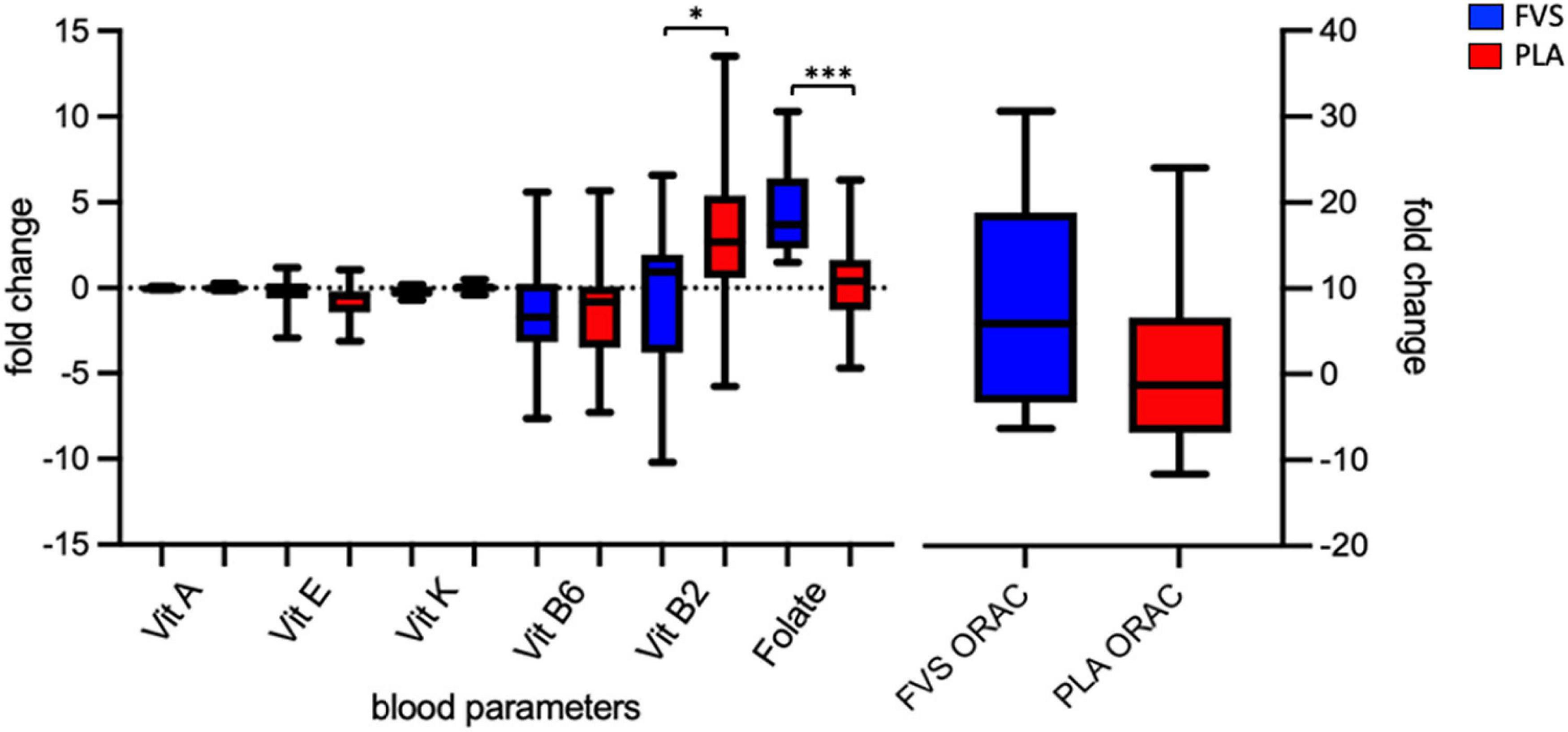
Significant Antioxidant Level Increases Explained
When you take fruit and vegetable supplements daily, your blood shows measurable increases in key antioxidant compounds. Clinical testing confirms elevated levels of β-carotene, vitamin C, and vitamin E—nutrients naturally abundant in plant foods. These aren’t side effects in the negative sense, but rather the intended biochemical changes these supplements produce. The concentrated nature of these products delivers higher nutrient doses than you’d typically get from food alone during a single meal.
Consider this: one serving of a typical fruit and vegetable powder might contain the equivalent of 3-5 servings of produce, compressed into a few grams of powder. This concentration explains why your antioxidant levels rise noticeably. However, researchers note that the long-term implications of maintaining these supraphysiological levels require further investigation. If you use these supplements consistently, your body operates with antioxidant concentrations beyond what evolution designed for regular dietary intake.
Homocysteine Reduction and Cardiovascular Implications
Multiple studies document how fruit and vegetable supplements lower homocysteine levels in participants’ blood. Elevated homocysteine has been associated with increased cardiovascular risk, so this reduction represents a potentially beneficial physiological change. The supplements also decrease markers of oxidative stress affecting proteins, lipids, and DNA—another positive shift that suggests protective effects at the cellular level.
While these changes appear beneficial, researchers caution that we don’t yet know if these biomarker improvements translate directly to reduced heart attack or stroke risk. The clinical significance of these laboratory findings requires validation through larger trials that track actual cardiovascular events rather than just blood measurements. For you as a consumer, this means the supplements likely provide some cardiovascular benefit, but they shouldn’t replace proven medical treatments for heart disease.
Populations Who Should Avoid These Supplements
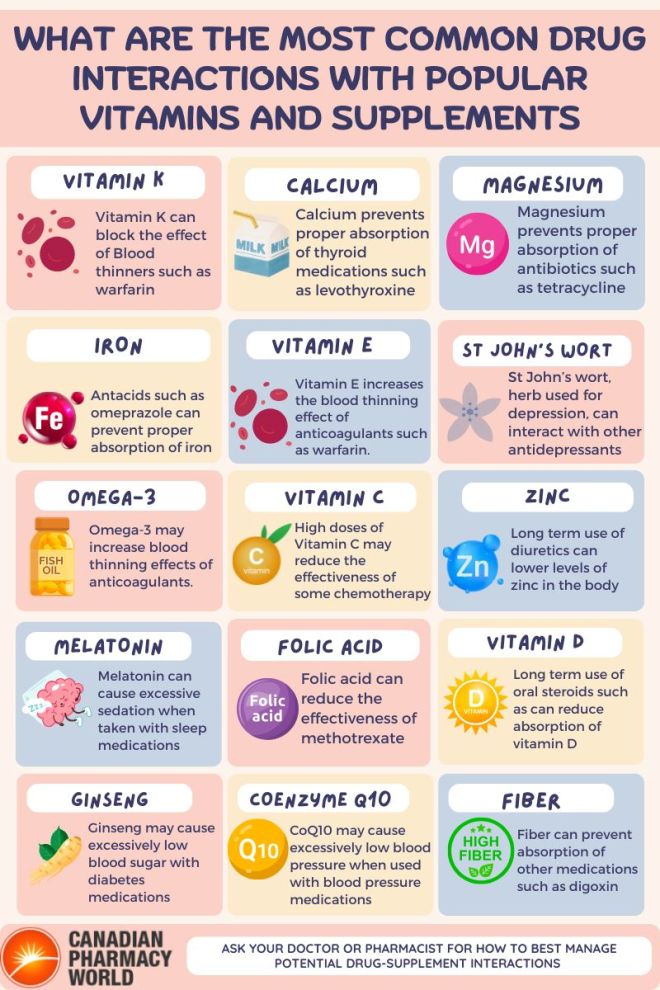
Medication Interactions You Must Know
If you take prescription medications, certain fruit and vegetable supplements could interfere with your treatment. The concentrated nutrients may affect how your body processes drugs, particularly:
- Blood thinners: High vitamin K content in some green vegetable concentrates can counteract medications like warfarin
- Blood pressure medications: Potent vasodilating compounds might enhance medication effects, causing dangerously low blood pressure
- Diabetes medications: Unexpected blood sugar fluctuations could occur with certain fruit concentrates
Always consult your healthcare provider before adding these supplements to your routine if you take any prescription medications. They can help determine whether potential interactions exist with your specific medication regimen and whether timing adjustments might be necessary.
When Pregnancy or Health Conditions Require Caution
Pregnant and breastfeeding individuals should exercise particular caution with these supplements due to limited safety data for these populations. The concentrated doses of various plant compounds haven’t been thoroughly studied for effects on fetal development or nursing infants. Similarly, if you have kidney disease, the high potassium content in some vegetable concentrates could pose risks.
Individuals with histamine intolerance should also be wary, as fermented fruit and vegetable products often contain elevated histamine levels that might trigger reactions. If you have any chronic health condition, discuss supplement use with your healthcare provider before starting—what’s safe for healthy study participants might not be appropriate for your specific health situation.
Smart Strategies for Safe Supplement Use
Choosing Products That Minimize Risk
Not all fruit and vegetable supplements carry the same risk profile. When selecting a product, prioritize those with:
- Third-party testing verification to ensure label accuracy
- Transparent ingredient lists without unnecessary additives
- Appropriate dosage levels matching your nutritional needs
- Manufacturing processes that minimize potential contaminants
Avoid products with excessive added sugars, artificial colors, or unnecessary fillers that could trigger sensitivities. The concentrated nature of these supplements means any problematic ingredients are also concentrated, potentially amplifying negative reactions. Reading labels carefully helps you identify products least likely to cause side effects based on your individual tolerances.
Recognizing When to Stop Immediately
While serious side effects are rare, certain symptoms warrant immediate discontinuation of fruit and vegetable supplements:
- Persistent digestive upset (diarrhea, cramping, or bloating)
- Unexplained skin reactions or rashes
- Sudden changes in energy levels or unusual fatigue
- Headaches that correlate with supplement timing
If you experience any of these symptoms, stop taking the supplement and consult your healthcare provider. What might seem like a minor reaction could indicate an individual sensitivity that requires medical evaluation. Trust your body’s signals—even if research shows general safety, your personal biochemistry might respond differently.
Why Whole Foods Should Remain Your Primary Nutrition Source

The Fiber Factor Most Supplements Miss
Fruit and vegetable supplements lack the dietary fiber naturally present in whole produce. This missing component means you miss out on fiber’s digestive benefits, blood sugar regulation effects, and satiety promotion. Without fiber, the concentrated sugars in fruit-based supplements can cause quicker blood sugar spikes than eating whole fruit.
Consider this practical comparison: a supplement might deliver vitamin C equivalent to several oranges, but without the fiber that slows sugar absorption in whole oranges. This difference affects how your body processes the nutrients and explains why supplements shouldn’t replace whole food consumption in your diet.
Beyond Basic Nutrients: The Whole Food Advantage
Whole fruits and vegetables provide a complex matrix of nutrients, phytochemicals, and enzymes that work synergistically in ways supplements cannot replicate. The physical act of chewing whole produce also triggers beneficial digestive processes that concentrated supplements bypass entirely. Research consistently shows that populations consuming whole plant foods experience greater health benefits than those relying primarily on isolated nutrients.
Think of supplements as nutritional safety nets—not replacements—for days when your vegetable intake falls short. They can help bridge temporary gaps, but they shouldn’t become the foundation of your nutritional strategy. Prioritize building meals around whole fruits and vegetables, then consider supplements only as occasional complements when dietary shortfalls occur.
Current evidence indicates fruit and vegetable supplements generally have a favorable safety profile with no serious side effects documented across 22 clinical studies. However, the research reveals important nuances: while these products effectively boost antioxidant levels and reduce certain cardiovascular risk markers, they shouldn’t replace whole food consumption. Certain populations—including those on medications, with specific health conditions, or who are pregnant—should exercise caution and consult healthcare providers before use. When selecting a supplement, prioritize quality verification and transparent labeling to minimize potential side effects. Most importantly, remember these products work best as temporary nutritional bridges rather than permanent replacements for the diverse benefits of eating whole fruits and vegetables. By understanding both the benefits and limitations revealed in clinical research, you can make informed decisions about whether and how to incorporate these supplements into your health routine safely.