

You’ve probably seen supplements promising stronger hair, healthier skin, and improved bone density through silica—a mineral that’s the second-most abundant element on Earth. But before you add silica supplements to your daily routine, understanding silica supplement side effects is crucial for your health. While silicon occurs naturally in foods like fruits, vegetables, and water, concentrated supplemental forms present different safety considerations that many consumers overlook. Research shows we still lack definitive evidence about whether silicon performs specific biological functions in humans, though some studies suggest roles in bone formation and collagen synthesis.
The supplement industry heavily markets silica for beauty and wellness benefits, yet many users remain unaware of potential adverse reactions. Unlike dietary silicon from normal food sources—which carries no known health risks—the concentrated doses in supplements require careful consideration. Whether you’re considering silica for the first time or have been using it regularly, this guide reveals what current evidence tells us about silica supplement side effects, who faces the greatest risks, and how to use these products safely.
Most Frequent Silica Supplement Side Effects You Might Experience
Mild Digestive Issues That Usually Pass
When you start taking silica supplements, you might notice minor gastrointestinal discomfort such as bloating, gas, or slight stomach upset. These silica supplement side effects typically occur during the first few weeks as your body adjusts to the new supplement. The good news is these symptoms usually resolve on their own without requiring you to stop supplementation. Taking your silica supplement with food rather than on an empty stomach can significantly reduce these temporary digestive issues for sensitive individuals.
If you experience persistent digestive problems beyond three weeks of consistent use, this could indicate your system isn’t tolerating the supplement well. In this case, consider lowering your dose temporarily or discontinuing use while consulting your healthcare provider. Remember that higher doses increase your likelihood of experiencing these common silica supplement side effects, so starting with the lowest effective dose is always wise.
Unexpected Skin and Hair Reactions
While silica supplements are commonly marketed for improving hair and nail strength, your body’s response can vary dramatically. Some users report increased oiliness or unexpected acne breakouts during the initial adjustment phase. These skin reactions typically subside within a few weeks as your system reaches equilibrium. If you notice persistent skin changes, it may be worth tracking whether they correlate with your supplementation schedule.
Hair responses to silica are equally individualized—some people experience faster growth and improved texture, while others notice no changes at all. Don’t mistake the absence of dramatic results for a problem; your baseline nutrition, genetics, and overall health significantly influence how your body utilizes silicon compounds. The key is monitoring your personal response rather than expecting universal outcomes.
Rare but Dangerous Silica Supplement Side Effects to Watch For
Silica Stone Formation in Urinary Tract
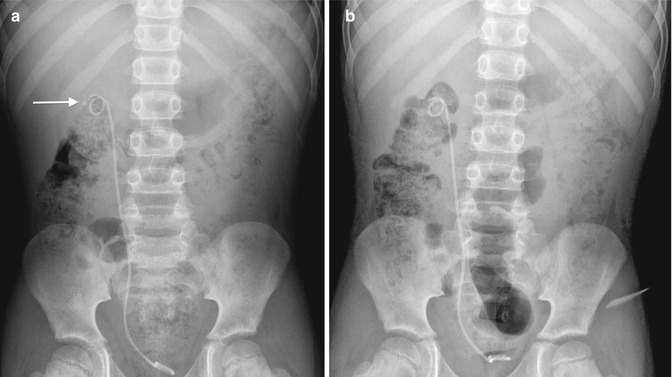
The most serious documented side effect involves silica urolithiasis—silica stones forming in your urinary tract. Research has identified cases where individuals developed these stones after prolonged use of silicon-containing medications. While relatively uncommon, this serious complication requires immediate medical attention if you experience symptoms like severe flank pain, blood in urine, or difficulty urinating.
Your kidneys process and excrete absorbed silicon primarily through urine, and in some individuals—particularly those with compromised kidney function—silicon can crystallize and form stones over time. If you have a history of kidney stones or urinary tract issues, silica supplementation poses higher risks that warrant medical supervision before starting.
Allergic Reactions That Need Immediate Attention

Though uncommon, true allergic reactions to silica supplements can occur. Watch for symptoms like skin rashes, swelling (especially around your face or throat), difficulty breathing, or hives after taking your supplement. These require immediate medical attention and immediate discontinuation of the product. Unlike mild digestive issues that fade with time, allergic reactions can escalate rapidly and become life-threatening.
Some people also experience sensitivity reactions that aren’t true allergies but still indicate your body isn’t tolerating the supplement well. Symptoms like persistent headaches, unusual fatigue, or general malaise after starting silica supplementation should prompt you to stop taking it and consult your healthcare provider.
Who Should Avoid Silica Supplements: At-Risk Groups and Why

Pregnancy and Breast-Feeding Safety Concerns
If you’re pregnant or nursing, you should avoid silica supplements despite their marketing claims. While dietary silicon from food sources is perfectly safe during these stages, concentrated supplemental doses lack sufficient safety data for fetuses and infants. Healthcare providers universally recommend obtaining silicon through a balanced diet rich in fruits, vegetables, and whole grains rather than supplements during pregnancy and lactation.
The precaution isn’t because silicon is known to be dangerous during these stages—it’s because we simply don’t have enough research to confirm safety at supplemental doses. When in doubt about supplement safety during pregnancy, always follow the principle of “when in doubt, do without” and consult your obstetrician.
Post-Gastrectomy Patients and Kidney Disease Sufferers
If you’ve had stomach surgery (gastrectomy), your silicon metabolism works differently than others. Research shows blood silicon levels tend to be significantly lower in post-gastrectomy patients, indicating impaired absorption or utilization. This altered physiology means standard supplementation approaches may not work for you and could potentially cause unexpected side effects.
Similarly, if you have kidney disease or a history of urinary tract issues, silica supplements pose elevated risks. Since your kidneys eliminate most absorbed silicon, compromised kidney function increases your risk of silicon accumulation and potential stone formation. Never take silica supplements if you have kidney problems without explicit approval and monitoring from your nephrologist.
Silica Supplement Side Effects from Drug Interactions You Need to Know
Aluminum Medication Complications
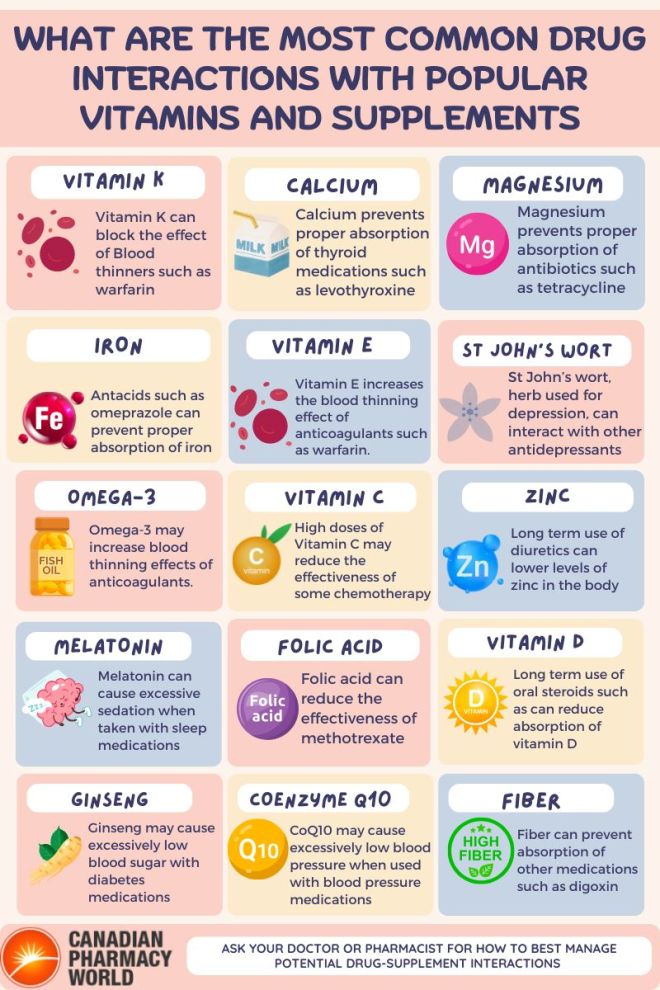
One of the most significant interactions involves aluminum-containing medications. Silica can bind to aluminum in your digestive tract, reducing its absorption. While this might sound beneficial for reducing aluminum exposure, it could seriously compromise the effectiveness of aluminum-based medications like certain antacids or phosphate binders.
If you take any aluminum-containing medications, discuss silica supplementation with your doctor first. They may need to adjust your medication timing or dosage to prevent unwanted interactions that could undermine your treatment.
Mineral Absorption Competition Issues
Taking multiple mineral supplements simultaneously can create absorption competition that reduces effectiveness. While some research suggests silicon may work synergistically with bone-supporting minerals like calcium and magnesium, the relationships are complex and not fully understood.
Pro Tip: Space your mineral supplements throughout the day rather than taking them all at once. For example, take calcium in the morning and silica in the evening to maximize absorption of both. Always review your complete supplement regimen with your healthcare provider to identify potential interactions.
5 Action Steps to Prevent Silica Supplement Side Effects
- Consult your healthcare provider first—especially if you have pre-existing conditions or take medications
- Start with the lowest effective dose and gradually increase as tolerated
- Take with food to minimize digestive side effects
- Stay well-hydrated to support kidney function and silicon excretion
- Choose quality products from reputable manufacturers that clearly specify the silicon form
Silica Supplement Side Effects Requiring Immediate Medical Help
Seek emergency care immediately if you experience:
– Difficulty breathing or throat swelling (signs of severe allergic reaction)
– Severe flank or back pain (possible kidney stone)
– Blood in your urine
– Persistent vomiting or inability to keep fluids down
Don’t wait to see if symptoms improve on their own—these silica supplement side effects require prompt professional evaluation to prevent serious complications.
How to Decide If Silica Supplements Are Worth the Risk
For most people, obtaining silicon through a balanced diet remains the safest approach, with supplementation reserved for specific medical needs identified through professional evaluation. The documented cases of serious side effects, while relatively rare, demonstrate that potential risks exist and warrant careful consideration.
Before starting silica supplements, ask yourself:
– Do I have any risk factors mentioned in this guide?
– Have I discussed this with my healthcare provider?
– Am I choosing a quality product with a known, safe silicon form?
– Am I monitoring for potential side effects?
If you decide to try silica supplements, work closely with your healthcare provider to establish appropriate monitoring and duration guidelines. Remember that more isn’t always better—taking higher doses than recommended increases your risk of silica supplement side effects without necessarily providing additional benefits. With proper precautions and professional guidance, you can make an informed decision about whether silica supplementation aligns with your health goals while minimizing potential risks.