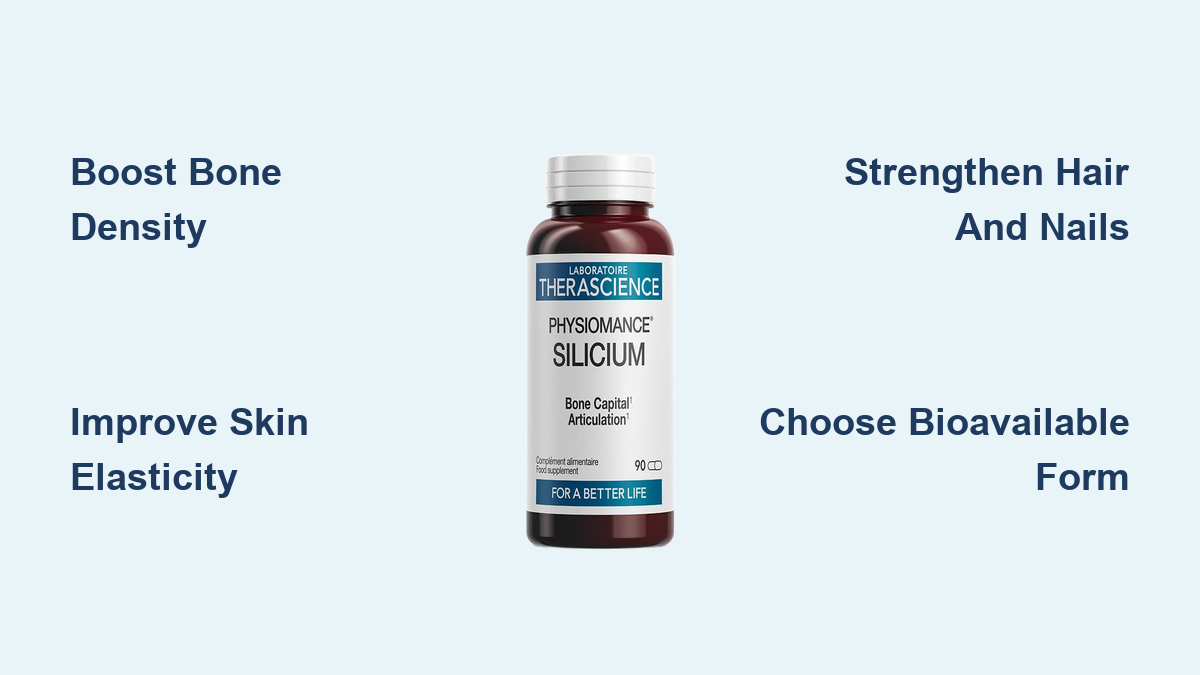

Silicium—often called silicon in scientific literature—plays a surprisingly vital role in human health despite being frequently overlooked in nutritional discussions. As the second most abundant element in nature after oxygen, this mineral appears in everything from quartz crystals to your bones and connective tissues. Yet unlike calcium or magnesium, silicium lacks official daily intake recommendations, leaving many consumers confused about whether supplementation offers real benefits. Recent research reveals that adequate silicium intake directly impacts bone density, skin elasticity, and even cognitive function through its unique role in collagen formation and mineral metabolism. If you’re experiencing brittle nails, thinning hair, or concerned about age-related bone loss, understanding silicium supplement benefits could provide the missing piece in your wellness puzzle.
The confusion between silicium (the essential mineral) and silicone (synthetic material) creates unnecessary hesitation about supplementation. Unlike the silicone in breast implants or kitchenware, dietary silicium occurs naturally in foods and supplements as water-soluble silica compounds that your body actually uses. This guide cuts through the misinformation to deliver evidence-based insights about which silicium forms work, who benefits most, and how to choose effective supplements—backed by the latest clinical research on silicium supplement benefits.
Silicium vs. Silicone: Understanding the Critical Health Difference
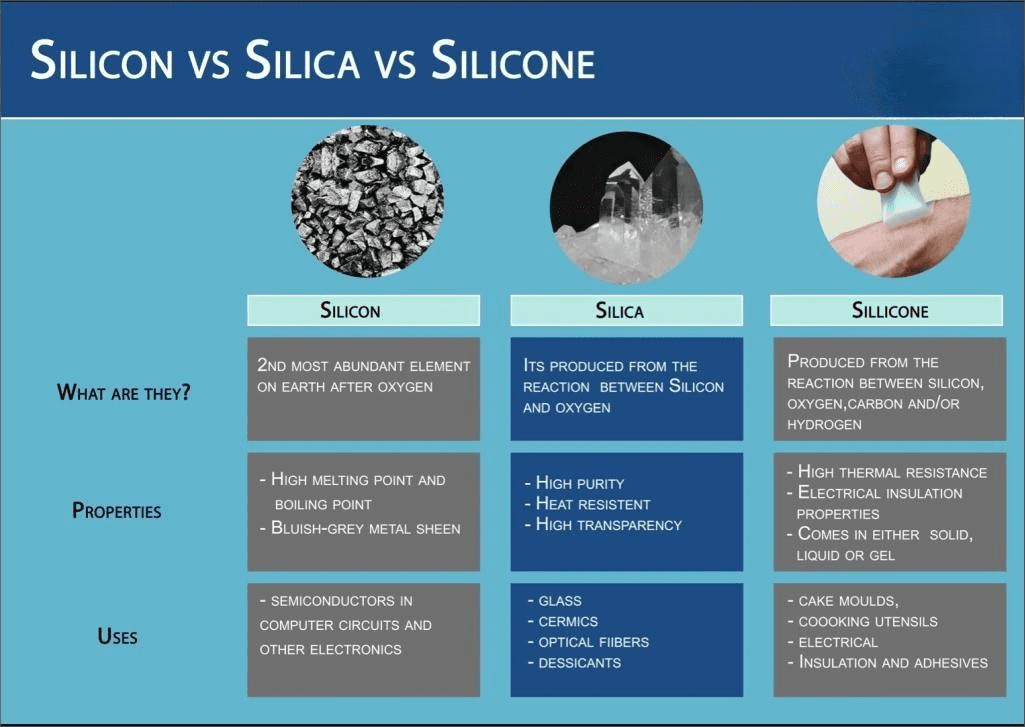
The confusion between these similarly named substances causes many people to miss out on silicium’s proven health advantages. Silicium (silicon) represents a naturally occurring mineral element abundant in the earth’s crust and essential for human physiology, while silicone refers to synthetic polymers used in medical devices and consumer products. This distinction matters because only natural silicium from dietary sources contributes to your health—silicone implants or cookware won’t boost your bone density.
When silicium combines with oxygen, it forms silica (SiO₂), which exists in various water-soluble forms known as silicic acids. Orthosilicic acid emerges as the most bioavailable form, readily absorbed by your digestive system and distributed to critical tissues including bone, tendons, and skin. Research using advanced tracking methods confirms that orthosilicic acid appears in human bone tissue, where it functions as a cross-linking agent in collagen synthesis—explaining why silicium deficiency causes skeletal deformities and weakened connective tissues in experimental studies.
How Silicium Actually Works in Your Body
Silicium’s primary mechanism involves supporting the formation of stable collagen fibrils that provide structural integrity throughout your body. Without adequate silicium, your collagen network becomes compromised, leading to weaker bones, less elastic skin, and brittle hair and nails. Think of silicium as the “glue” that holds your collagen matrix together—without it, the framework supporting your entire musculoskeletal and integumentary systems begins to deteriorate.
How Silicium Boosts Bone Density and Fights Osteoporosis
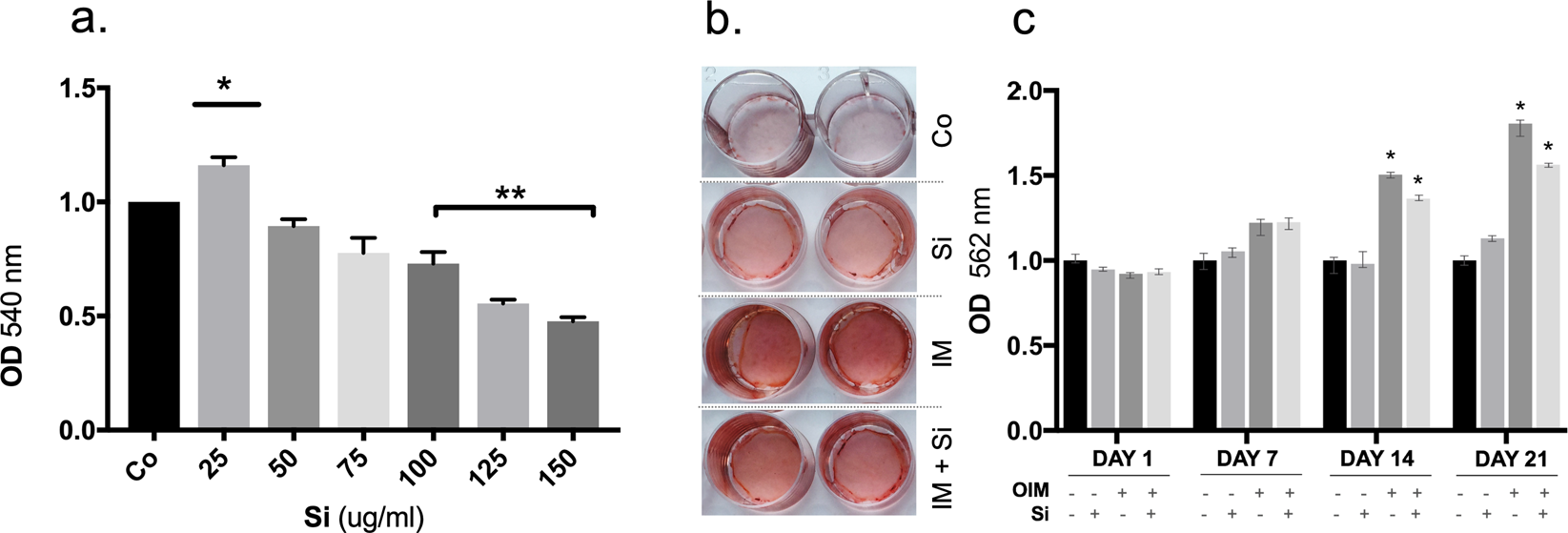
Among the most compelling silicium supplement benefits involves bone health, with research showing clear connections between dietary silicium intake and improved bone mineral density. A landmark study examining the Framingham Offspring cohort revealed that men and pre-menopausal women with higher silicium consumption demonstrated significantly stronger bones compared to those with lower intake. This relationship exists because silicium participates in two critical bone processes: collagen formation (providing the organic framework) and mineralization (incorporating calcium into that framework).
Clinical trials using choline-stabilized orthosilicic acid supplements demonstrate measurable improvements in bone turnover markers when combined with standard bone-supporting nutrients like calcium and vitamin D₃. For postmenopausal women facing accelerated bone loss, a 12-week pilot study showed that silicium supplementation positively affected bone metabolism indicators, suggesting it may help slow osteoporosis progression—though larger studies confirming fracture risk reduction are still needed.
Who Benefits Most from Silicium for Bone Health
Research indicates that three groups experience particularly notable silicium supplement benefits for bone health:
– Postmenopausal women facing rapid bone density decline
– Individuals with limited grain consumption (since whole grains are rich in silicium)
– People drinking highly filtered water (which removes natural silicium)
If you fall into any of these categories, silicium supplementation may provide meaningful bone support when combined with weight-bearing exercise and adequate calcium intake.
Silicium’s Proven Effects on Skin Elasticity and Hair Strength
The beauty industry has long touted silicium for skin and hair health, but clinical research now confirms these benefits. A randomized controlled trial examining women with photodamaged skin found that those taking choline-stabilized orthosilicic acid supplements experienced significant improvements in:
– Skin texture and elasticity (visible after 20 weeks)
– Nail hardness (reducing breakage by 13%)
– Hair strength (decreasing brittleness by 20%)
These results occur because silicium directly supports collagen production in your skin’s dermis and the structural proteins in hair and nails. Unlike topical silicones that merely coat the surface, dietary silicium works from within to strengthen your connective tissues at the cellular level.
Maximizing Skin and Hair Results from Silicium
For optimal dermatological benefits, follow these research-backed guidelines:
– Choose choline-stabilized orthosilicic acid supplements (the form used in clinical studies)
– Combine with vitamin C to enhance collagen synthesis through complementary mechanisms
– Be patient—visible improvements typically require 3-6 months of consistent use
– Pair with sun protection since UV exposure counteracts silicium’s anti-aging effects
Why Most Silicium Supplements Fail: The Bioavailability Factor

Not all silicium supplements deliver equal benefits because absorption efficiency varies dramatically based on chemical form. Orthosilicic acid demonstrates superior bioavailability compared to less soluble silica forms found in many supplements. Research tracking silicium absorption reveals that choline-stabilized orthosilicic acid achieves 64% absorption, while bamboo or horsetail extracts may deliver less than half that amount.
The rapid urinary excretion of absorbed silicium explains why consistent daily intake matters more than occasional high doses. Studies show that silicium clears from your bloodstream within hours, making regular supplementation essential for maintaining tissue concentrations. This pharmacokinetic profile means skipping days significantly reduces effectiveness—think of it like charging a battery that depletes quickly.
3 Signs Your Silicium Supplement Isn’t Working
Watch for these red flags indicating poor bioavailability:
– No visible improvements after 4-6 months of consistent use
– Supplement contains only “silica” without specifying the bioavailable form
– Taken irregularly (silicium requires daily intake due to rapid clearance)
Top 5 Natural Food Sources That Outperform Cheap Supplements
You can boost silicium intake through diet with these research-verified food sources:
1. Unfiltered mineral water (5-50 mg/L depending on source)
2. Beer (particularly unfiltered varieties, with high bioavailability)
3. Whole grains (oats, barley, brown rice—refining removes silicium)
4. Bananas and raisins (surprisingly rich plant sources)
5. Beans and lentils (especially when cooked in mineral-rich water)
Individuals consuming diets rich in these foods while drinking unfiltered water may obtain sufficient silicium without supplements. However, those following highly processed diets or using advanced water filtration systems often benefit from targeted supplementation.
How to Spot High-Quality Silicium Supplements: 3 Essential Criteria
Avoid wasting money on ineffective silicium products by verifying these critical factors:
– Formulation: Look for “choline-stabilized orthosilicic acid” (not just “silica” or “bamboo extract”)
– Research backing: Reputable brands reference clinical studies supporting their specific formulation
– Third-party testing: Certifications from NSF, USP, or ConsumerLab indicate quality control
Liquid formulations of choline-stabilized orthosilicic acid generally demonstrate superior absorption compared to capsules containing less soluble silica forms. When comparing products, calculate cost per effective dose rather than price per bottle—higher quality often means better value long-term.
Silicium Supplement Safety: Dos and Don’ts for Maximum Benefit
Silicium demonstrates an excellent safety profile at typical supplemental doses, with rodent studies identifying a remarkably high No Observed Adverse Effects Level (50,000 ppm). However, follow these precautions:
– Avoid inhaling silica dust (occupational hazard unrelated to supplements)
– Skip supplements if pregnant or breastfeeding (insufficient safety data)
– Space aluminum-containing medications by 2-3 hours (silicium may reduce aluminum absorption)
The interaction with aluminum represents both a benefit and consideration—while silicium may protect against aluminum accumulation in brain tissue, it could theoretically reduce effectiveness of aluminum-containing antacids if taken simultaneously.
Your Step-by-Step Guide to Effective Silicium Supplementation
Follow this evidence-based protocol for optimal results:
1. Choose choline-stabilized orthosilicic acid as your preferred form
2. Take 10-15 mg daily with breakfast (aligns with research protocols)
3. Combine with vitamin C (500-1000 mg) to enhance collagen effects
4. Track changes in nail strength and skin texture monthly
5. Continue for 4-6 months before evaluating effectiveness
For bone health specifically, integrate silicium into a comprehensive approach including adequate calcium (1000-1200 mg), vitamin D (600-800 IU), and weight-bearing exercise. Silicium works best as a complementary strategy—not a replacement—for established bone health protocols.
What Science Really Says About Silicium Supplement Benefits
Current evidence supports silicium’s role in three key areas with strong scientific backing:
– Bone health: Particularly when combined with calcium and vitamin D
– Skin integrity: Reducing signs of photoaging and improving elasticity
– Hair and nail strength: Decreasing brittleness through improved keratin structure
Emerging research suggests potential benefits for cognitive health (via aluminum binding) and cardiovascular function, but these applications require more extensive human trials before becoming standard recommendations. The strongest evidence consistently points to silicium’s fundamental role in connective tissue formation—making it particularly valuable as we age and natural collagen production declines.
Silicium Supplement Benefits: Your Action Plan for Better Health
Silicium represents an underappreciated but scientifically supported nutrient for maintaining structural integrity throughout your body. While no official daily intake exists, evidence suggests that consistent intake of bioavailable silicium forms—particularly choline-stabilized orthosilicic acid—provides measurable benefits for bone density, skin quality, and hair/nail strength. If you’re concerned about age-related changes in these areas, or follow a diet low in whole grains and unfiltered water, targeted silicium supplementation offers a research-backed strategy worth considering.
Prioritize quality over price when selecting supplements, commit to consistent daily use for at least 4-6 months, and combine silicium with other collagen-supporting nutrients for maximum effect. By understanding the real silicium supplement benefits backed by science—not marketing hype—you can make informed decisions about whether this essential mineral deserves a place in your daily wellness routine.