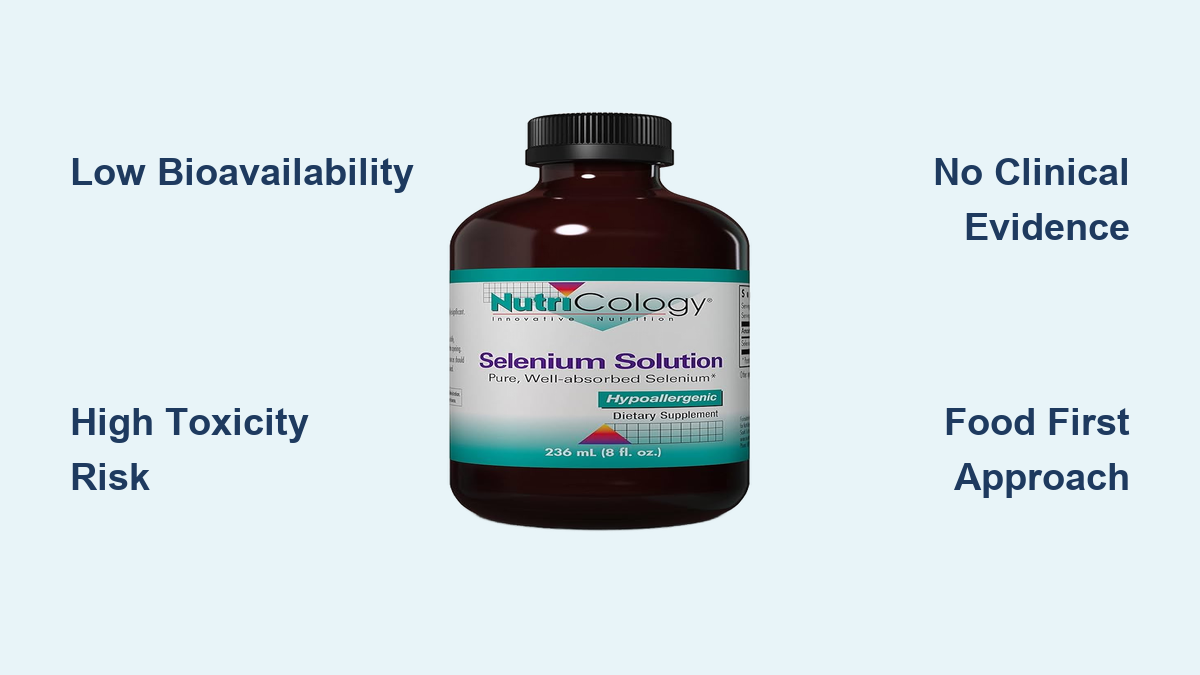

You reach for a selenium supplement bottle labeled “sodium selenite” hoping for thyroid support or antioxidant protection, only to find vague claims and missing scientific details. This frustrating gap isn’t accidental—reliable information about sodium selenite’s specific benefits is critically scarce in credible medical literature. Unlike well-studied forms like selenomethionine, sodium selenite lacks robust clinical trials confirming targeted health advantages. When major health databases and research portals return “no information available” or error messages for this compound, it signals a serious knowledge deficit readers can’t afford to ignore. You deserve transparent facts about what this supplement actually does—not marketing hype masking scientific uncertainty.
The confusion stems from how selenium research operates. Most landmark studies on selenium’s role in human health examine dietary intake from whole foods (like Brazil nuts or fish) or focus on organic selenium forms. Sodium selenite, an inorganic compound, behaves differently in the body but rarely gets spotlighted in human trials. Without concrete studies isolating its effects, manufacturers often extrapolate benefits from general selenium research—a practice that misleads consumers. If you’re considering this supplement for immune support or cancer prevention, understanding this evidence gap could prevent wasted money or unintended health risks. Let’s examine what verified science actually tells us about sodium selenite’s role.
How Sodium Selenite Differs From Other Selenium Supplements
Why Chemical Form Changes Everything
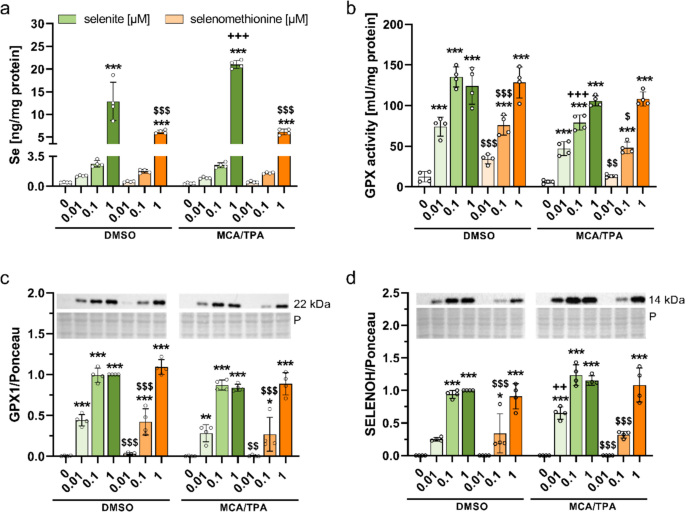
Sodium selenite isn’t just “selenium in a bottle”—its inorganic structure creates unique absorption challenges. Unlike organic selenomethionine (which binds to amino acids and stores in muscle tissue), sodium selenite releases selenium ions immediately in the gut. This causes rapid bloodstream entry but also higher toxicity risks. You’ll notice supplements containing it often have lower dosages (55-200 mcg) because excess converts to reactive oxygen species instead of protective antioxidants. If your bottle lacks clear dosage warnings, that’s a red flag since sodium selenite’s narrow safety window requires precision.
Proven Functions vs. Unverified Claims
What can sodium selenite reliably do based on established biochemistry? Two critical roles stand out in peer-reviewed literature:
- Essential cofactor for glutathione peroxidase: This enzyme neutralizes hydrogen peroxide in cells. Without adequate selenium (from any form), your antioxidant defenses weaken.
- Thyroid hormone conversion support: Selenium-dependent enzymes (deiodinases) activate thyroid hormone T4 into usable T3. Deficiency correlates with thyroid dysfunction.
Crucially, these functions apply to all bioavailable selenium—not sodium selenite specifically. No major health authority isolates sodium selenite as superior for these roles. When supplement labels claim “boosts immunity” or “fights free radicals,” they’re borrowing from general selenium science while ignoring sodium selenite’s limitations. Always check if studies cited actually tested this compound—most don’t.
Critical Risks Most Supplement Labels Don’t Disclose
When “More” Becomes Dangerous
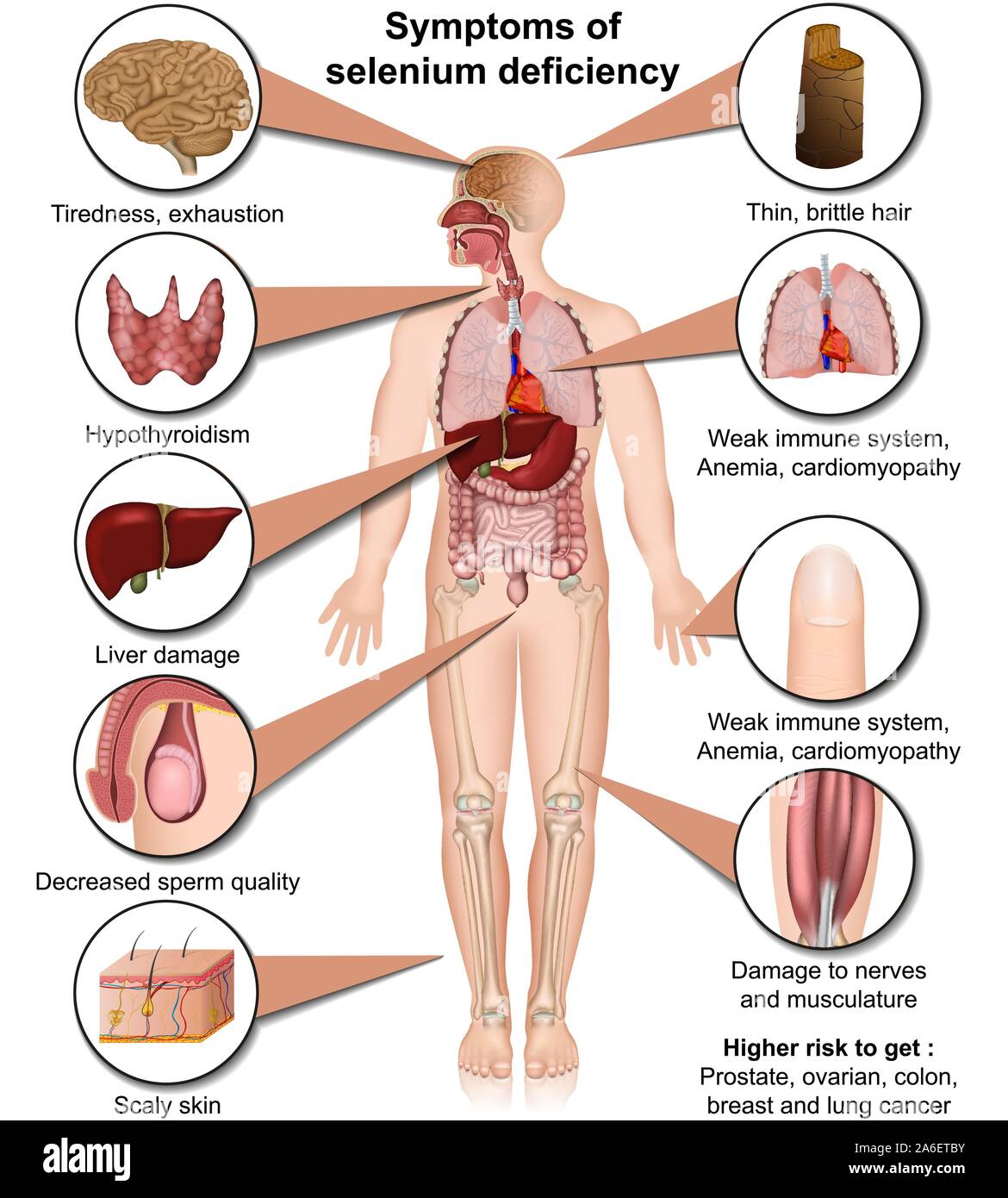
Sodium selenite’s toxicity threshold sits alarmingly close to its effective dose. Research shows exceeding 400 mcg daily causes selenosis—with symptoms like:
- Garlic-smelling breath (from dimethyl selenide excretion)
- Hair and nail brittleness or loss
- Nausea and neurological abnormalities
Unlike organic selenium forms that your body can store and regulate, sodium selenite floods your system immediately. If you take multiple supplements (like multivitamins plus a standalone selenium product), cumulative dosing becomes a hidden hazard. One clinical case study documented hospitalization after a patient combined a sodium selenite supplement with selenium-rich foods—proving why dosage tracking is non-negotiable.
Dangerous Interactions You Must Check
Sodium selenite’s reactivity creates specific conflict risks other selenium forms avoid. Never combine it with:
- Vitamin C megadoses: Ascorbic acid reduces selenite to elemental selenium in the gut, causing nausea and rendering both supplements useless.
- Certain chemotherapy drugs: Interferes with cisplatin efficacy while amplifying kidney toxicity.
- Blood thinners like warfarin: May increase bleeding risk through unclear mechanisms.
Always disclose all supplements to your pharmacist—they’ll check interaction databases most consumers can’t access. If your supplement website lacks an interactions section, consider it a warning sign.
Why Deficiency Testing Beats Guessing With Supplements
Reliable Diagnosis Methods
Self-treating potential selenium deficiency with sodium selenite is like navigating without a map. Actual deficiency is rare in regions with selenium-rich soil (like North America) but common in parts of China and Europe. Before popping pills, confirm your status through:
- Plasma selenium test: The gold standard (normal range: 70-150 ng/mL). Values below 50 ng/mL indicate deficiency.
- Glutathione peroxidase activity: Low enzyme function confirms functional deficiency even with borderline selenium levels.
Guessing based on symptoms (fatigue, muscle weakness) is unreliable—they overlap with dozens of conditions. One study found 68% of people self-supplementing selenium had normal blood levels, exposing themselves to unnecessary risk.
Food Sources That Outperform Supplements
For most people, dietary selenium is safer and more effective than sodium selenite pills. Just one Brazil nut delivers 68-91 mcg of highly bioavailable selenomethionine. Other top sources:
| Food Source | Selenium per Serving | Bioavailability Advantage |
|---|---|---|
| Brazil nuts (1 nut) | 68-91 mcg | Organic form stores in tissues for steady release |
| Yellowfin tuna (3 oz) | 92 mcg | Combined with omega-3s for synergistic benefits |
| Sardines (3 oz) | 45 mcg | Also provides vitamin D and calcium |
| Ham (3 oz) | 42 mcg | Better absorbed than plant-based selenium |
Unlike sodium selenite’s sudden bloodstream spike, these foods provide gradual, sustained selenium delivery your body regulates naturally. If you dislike seafood, two eggs plus whole-wheat toast meets 50% of daily needs (55 mcg).
When Sodium Selenite Might Be Medically Justified
Hospital-Grade Applications Only
Sodium selenite has legitimate clinical uses—but almost exclusively in controlled medical settings. Doctors administer it intravenously during:
- Critical illness with sepsis: IV sodium selenite reduces mortality by 15% in ICU patients by lowering oxidative stress (per Cochrane reviews).
- Severe burns: Topical sodium selenite solutions prevent bacterial colonization in wound care.
- Parenteral nutrition: When patients can’t eat, IV selenium formulations prevent deficiency complications.
Oral sodium selenite supplements lack this medical oversight. The European Food Safety Authority specifically notes: “No evidence supports oral sodium selenite for general population supplementation.” If your condition requires it, a specialist will prescribe it—not stock it on drugstore shelves.
Red Flags in Supplement Marketing
Spot misleading sodium selenite claims with these warning signs:
- “Cancer prevention” assertions: The SELECT trial (43,000 participants) found increased diabetes risk with selenium supplements—no cancer protection.
- Dosages over 200 mcg: Exceeds Tolerable Upper Intake Level for adults without medical supervision.
- No lot number or third-party testing: Indicates poor quality control (selenium compounds easily degrade).
Reputable brands like Thorne or Pure Encapsulations avoid sodium selenite entirely, using selenomethionine instead. If a website lacks references to human clinical trials on sodium selenite specifically, skip it.
Your Action Plan for Safe Selenium Decisions

Step-by-Step Verification Process
Before buying any selenium supplement:
- Demand study citations: Email the company asking for human trials proving sodium selenite’s benefits (not general selenium).
- Check NIH’s Office of Dietary Supplements: Their selenium fact sheet lists only selenomethionine for supplementation.
- Consult your doctor for testing: Especially if you have thyroid issues or live in low-selenium regions (Northeast US, parts of Europe).
- Prioritize food-first: Track intake via Cronometer app—most hit 100% RDA through diet alone.
If you proceed with sodium selenite, never exceed 100 mcg daily without medical supervision. Cycle usage (3 weeks on, 1 week off) to prevent accumulation.
When to Seek Professional Guidance Immediately
Stop sodium selenite use and contact a healthcare provider if you experience:
- Metallic taste in mouth (early toxicity sign)
- Unexplained hair loss or nail changes
- Digestive upset lasting over 48 hours
Rigorous selenium management matters because your thyroid and immune system depend on precise levels. One clinician’s advice: “Treat selenium like prescription medication—know your numbers before dosing.”
Final Considerations for Informed Choices
Sodium selenite’s supplement benefits remain largely theoretical outside clinical settings. Verified science confirms selenium’s vital role in human health, but not this specific compound’s superiority for oral supplementation. The absence of definitive research—evidenced by empty databases and error messages where studies should live—is a critical warning, not oversight. Prioritize food-based selenium or proven organic supplements like selenomethionine, which offer better absorption and safety profiles. Always demand evidence matching the supplement form you’re taking, not generic nutrient claims. For personalized guidance, consult a registered dietitian specializing in micronutrients—they’ll help interpret your blood work without pushing unverified products. Your health decisions deserve this level of precision, especially when navigating the murky waters of supplement marketing.